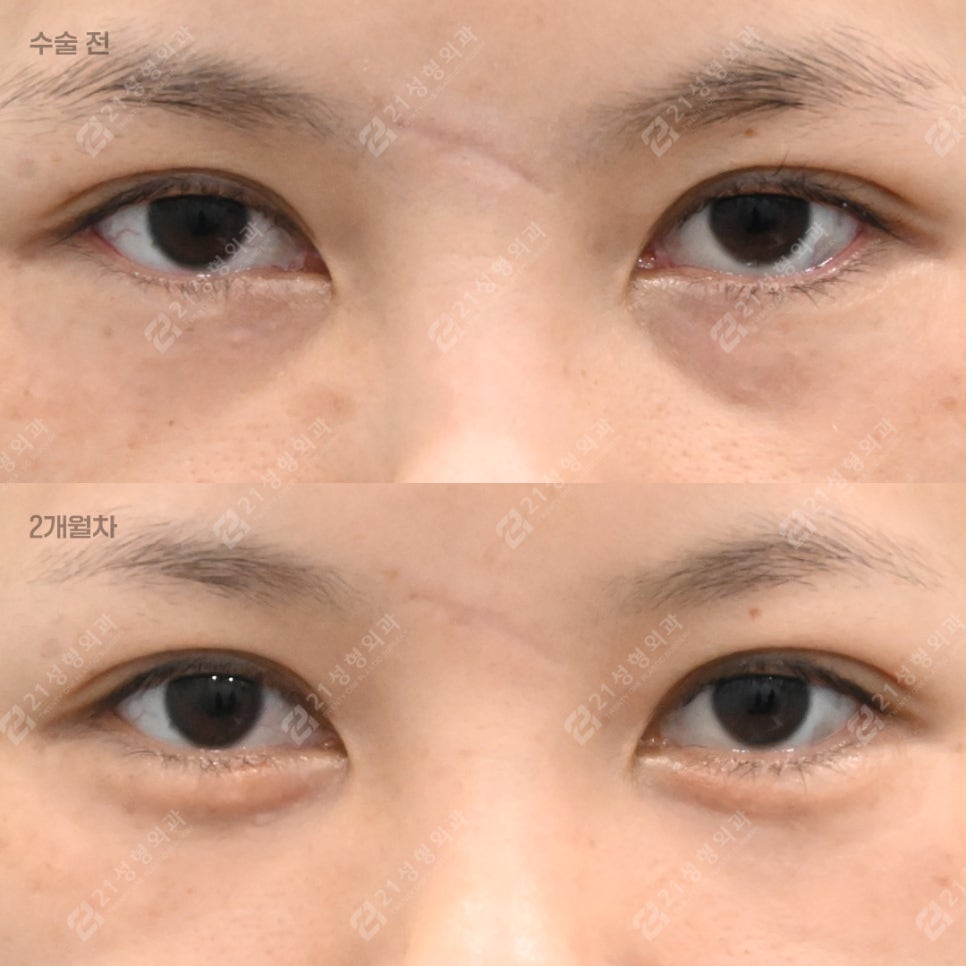
Lower eyelid fat repositioning + fat grafting (aegyo-sal and under-eye area)
Hello, I am the director of 21 Plastic Surgery.
When counseling patients about lower eyelid fat repositioning,
many ask,
“How much fat should be removed?”
However, what is more important than the amount
is how the fat is divided and positioned.
Today, I will explain how we design lower eyelid fat repositioning and
fat grafting together, focusing on this point.
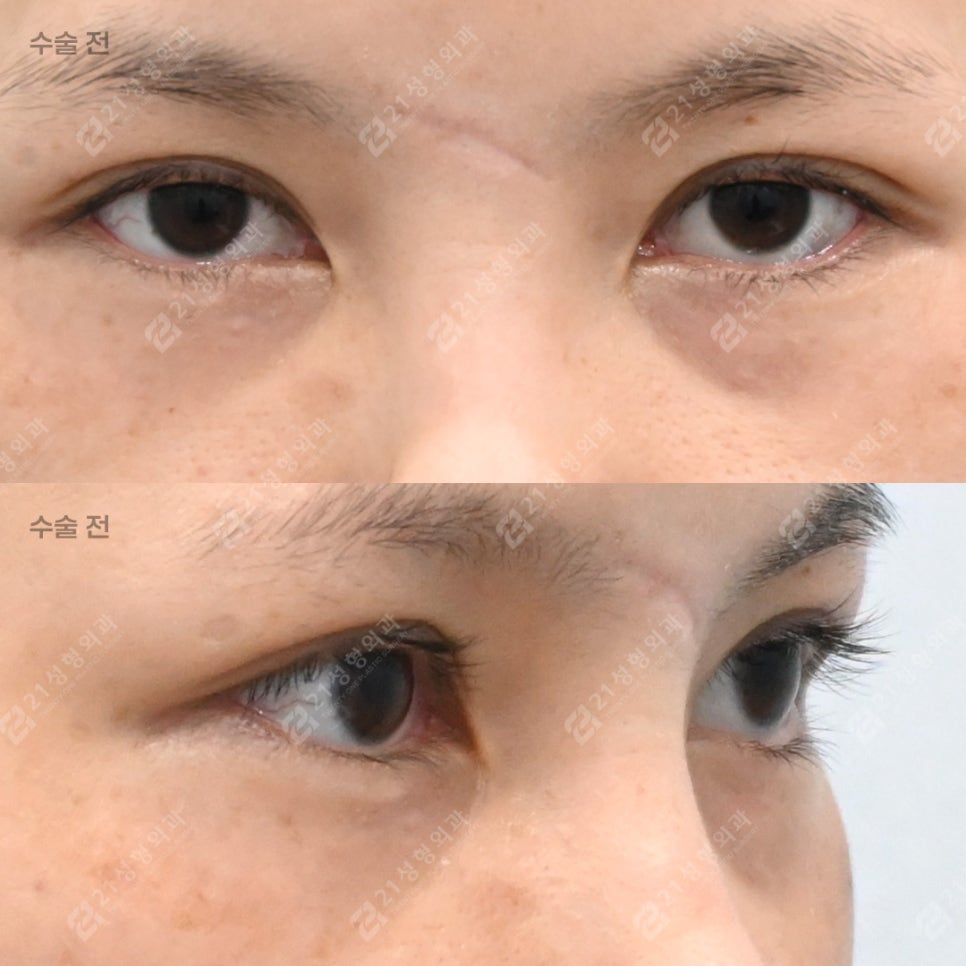
Why can the under-eye area look hollow even when it appears puffy?
Under-eye fat helps support the eyeball.
As we age, when the tissues supporting this fat become loose,
the fat is pushed forward.
In this process, the fat does not move forward evenly.
Instead, it gathers in specific areas,
so in many cases, a single face develops both bulging areas and hollow areas—the tear trough—at the same time.
That is why, during consultations, many people are surprised and say,
“I thought it was because I had too much fat,
but I actually have hollow areas, too.”
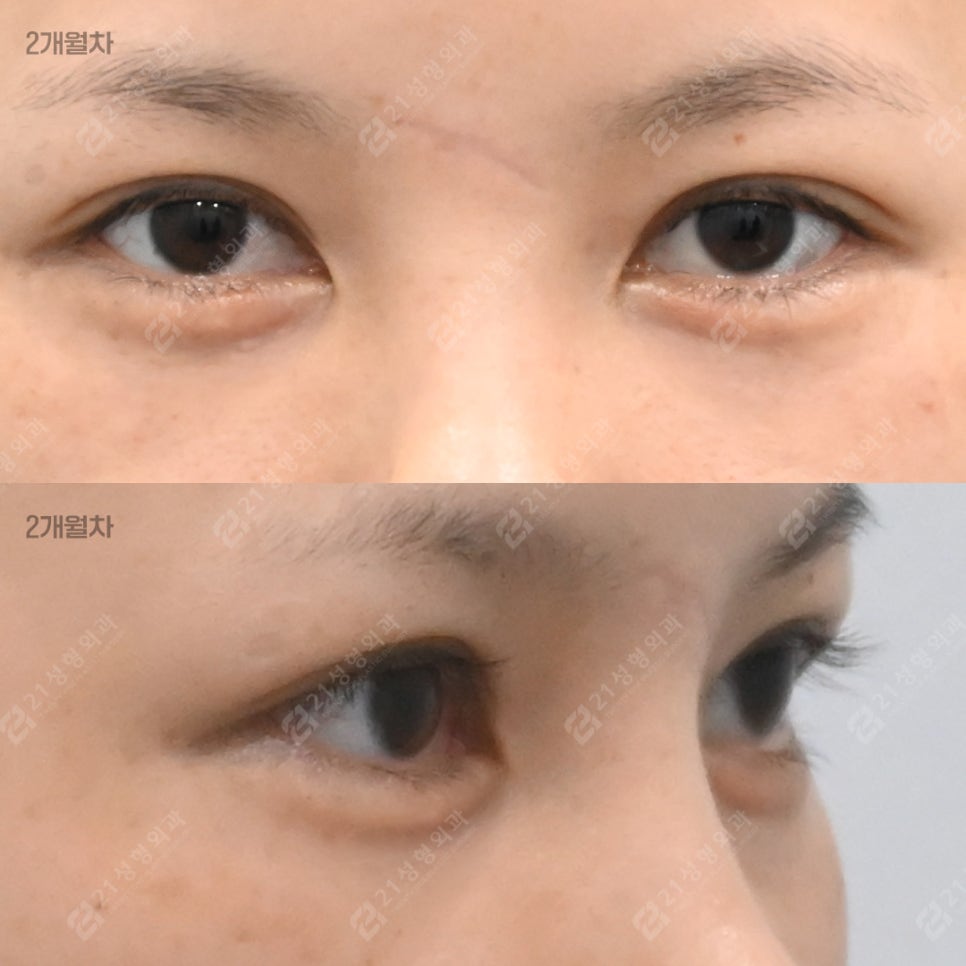
Q. Then wouldn’t removing all the fat solve the problem?
Not necessarily.
If the fat is removed indiscriminately, the under-eye area may become even more hollow and make you look older.
Based on clinical experience, spreading the fat thinly and moving it to hollow areas produces a much more natural result.
It is more accurate to understand this as a procedure that efficiently redistributes existing fat,
rather than one that simply reduces the amount of fat.
3-step under-eye fat design at 21 Plastic Surgery
| Step | Details |
|---|
| 1. Assessing the fat | Precisely analyzing the boundaries between bulging and hollow areas |
| 2. Repositioning the fat | Designing the procedure around moving and spreading the fat rather than removing it |
| 3. Fat grafting | When necessary, grafting autologous fat to both the aegyo-sal and under-eye areas |
At 21 Plastic Surgery, these three steps are combined into one overall design rather than being treated as separate procedures.
Looking at multiple cases, the boundaries connected much more naturally when repositioning and grafting were approached together rather than separately.
In particular, to prevent the boundary between the under-eye area and aegyo-sal from becoming prominent,
we first map out the overall contour during the consultation and then determine the surgical range.
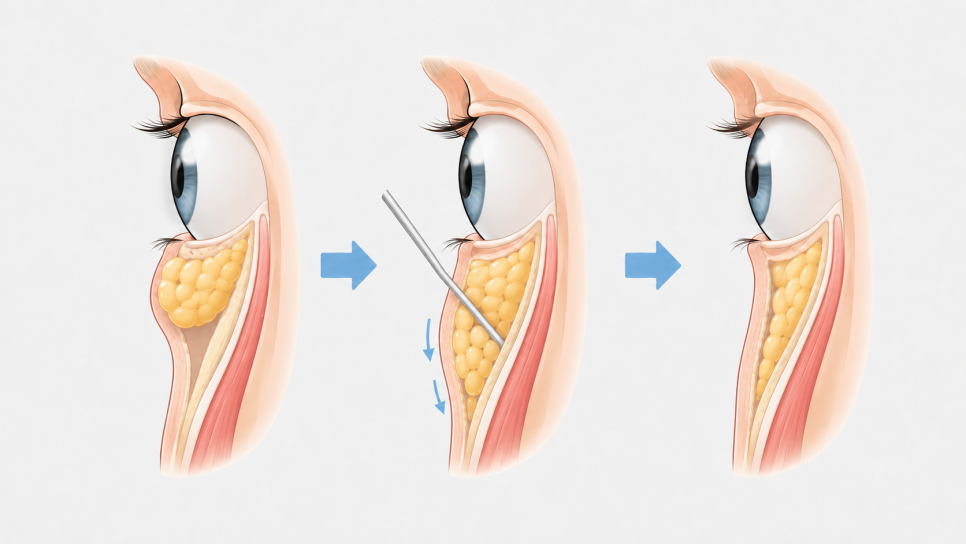
Lower eyelid fat repositioning vs. aegyo-sal + under-eye fat grafting
Don’t confuse the two procedures!
They differ in both their purpose and the source of the fat.
The table below summarizes the differences.
| Category | Source of fat | Purpose |
|---|
| Lower eyelid fat repositioning | Existing under-eye fat | Filling hollow areas, such as the tear trough |
| Aegyo-sal + under-eye fat grafting | Autologous fat from another area, such as the abdomen or thighs | Creating both aegyo-sal volume and the under-eye contour |
| Combined design | Distributing both types of fat together | Naturally connecting the under-eye-to-aegyo-sal boundary |
If the two procedures are performed separately,
the boundary may appear disconnected or the volume distribution may become uneven.
That is why, at 21 Plastic Surgery, we design the distribution ratio of the two types of fat together from the consultation stage.
During surgery, we also continue checking to ensure that the under-eye and aegyo-sal volume does not become concentrated on one side.
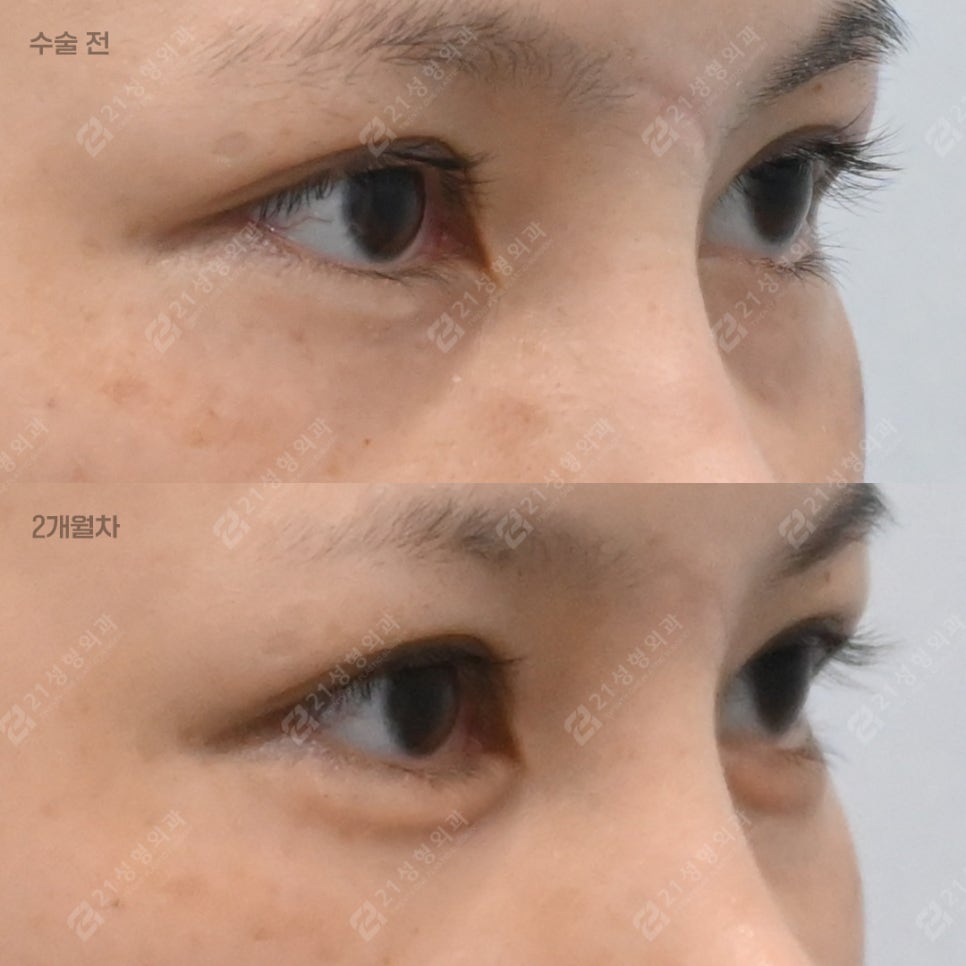
How can you make aegyo-sal + under-eye fat grafting look natural?
If too much fat is grafted,
it can instead look artificial.
That is why we design the connecting line between the under-eye contour and aegyo-sal first, rather than focusing on the amount of fat grafted.
Within that range, we divide and graft only the amount needed for the aegyo-sal and under-eye areas.
Even after grafting, we follow the principle of filling in small amounts at a time so that unnatural volume does not appear when making facial expressions.
Because the incision is made through the inner conjunctiva of the eye,
one major advantage is that no visible scar remains on the outside.
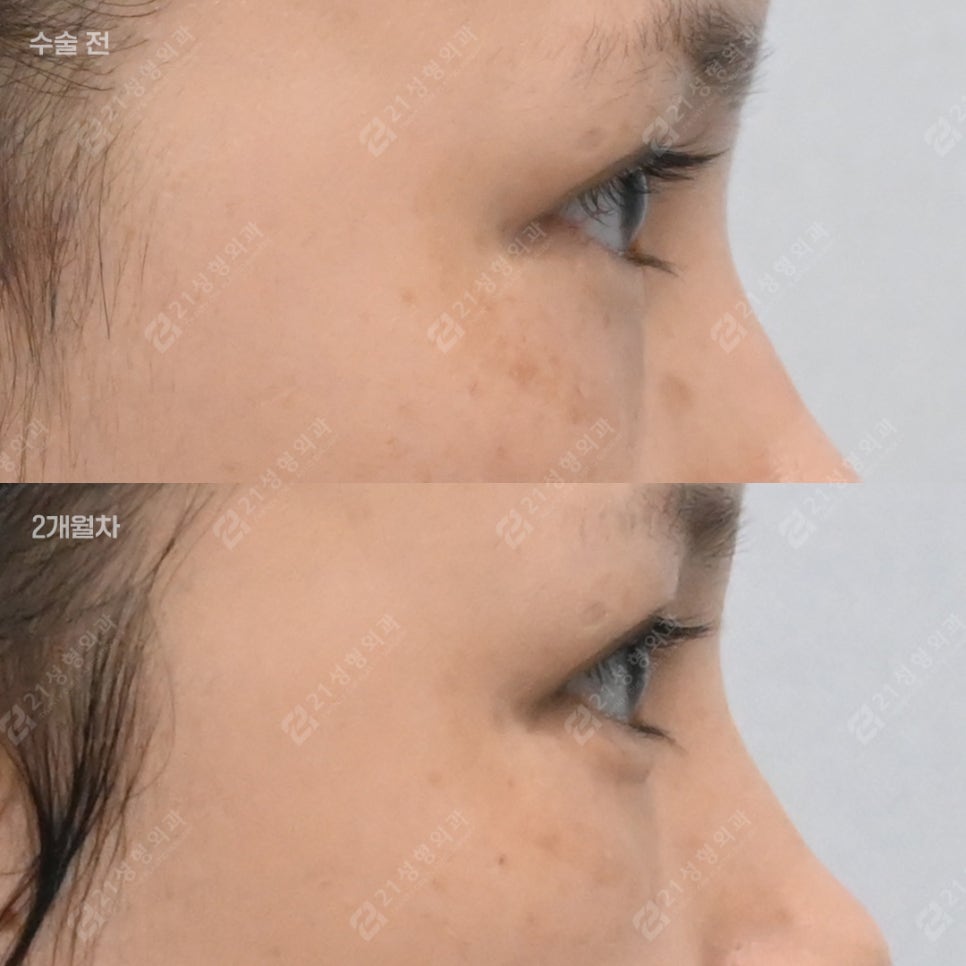
What is the recovery process like?
Most of the significant swelling subsides within 1–2 weeks.
Because there are individual differences in how long it takes for the grafted fat to settle,
we recommend assessing the results from at least three months after the procedure.
It is also more accurate to check after this point whether the under-eye and aegyo-sal contours connect naturally
and whether the left-right balance is even.
If you have any questions, please feel free to contact us for a consultation at any time. :)
Thank you.



#21 #21PlasticSurgery #DirectorLeeWon #LowerEyelidFat #LowerEyelidFatRepositioning #LowerEyelidFatRepositioningReview #LowerEyelidFatReview #LowerEyelidFatResults #LowerEyelidFatSideEffects #LowerEyelidFatScars #LowerEyelidSurgery #UnderEye #RealLowerEyelidFatReview #UnderEyeFat #UnderEyeFatGrafting #AegyoSalFatGrafting #AegyoSal #FatGrafting #NanoFat #NanoFatGrafting #RecommendedAegyoSalFatGrafting #RecommendedFatGrafting #AegyoSalFatGrafting #AegyoSalFatGraftingResults #UnderEyeHollows #HollowUnderEyeFatGrafting #Event #RealModel #RealModelRecruitment #GangnamStation #GangnamPlasticSurgery #Sinnonhyeon