
A comparison of the face according to the degree of aging
One of the biggest concerns when considering a facelift is the cost. However, when you actually look for information, the differences between clinics are large, and the names of the procedures also vary, so it can be confusing to understand the surgical method and conditions.
As we age, the face sags not only because skin elasticity decreases, but also because the muscles and fascia layers beneath the skin, along with the supporting tissues, move downward together. Because this is a problem caused by aging of the entire structure, simply pulling the skin may seem effective at first, but over time it can sag again or result in an unnatural expression. In today’s post, I’d like to look at the structure behind what determines facelift cost from three perspectives.
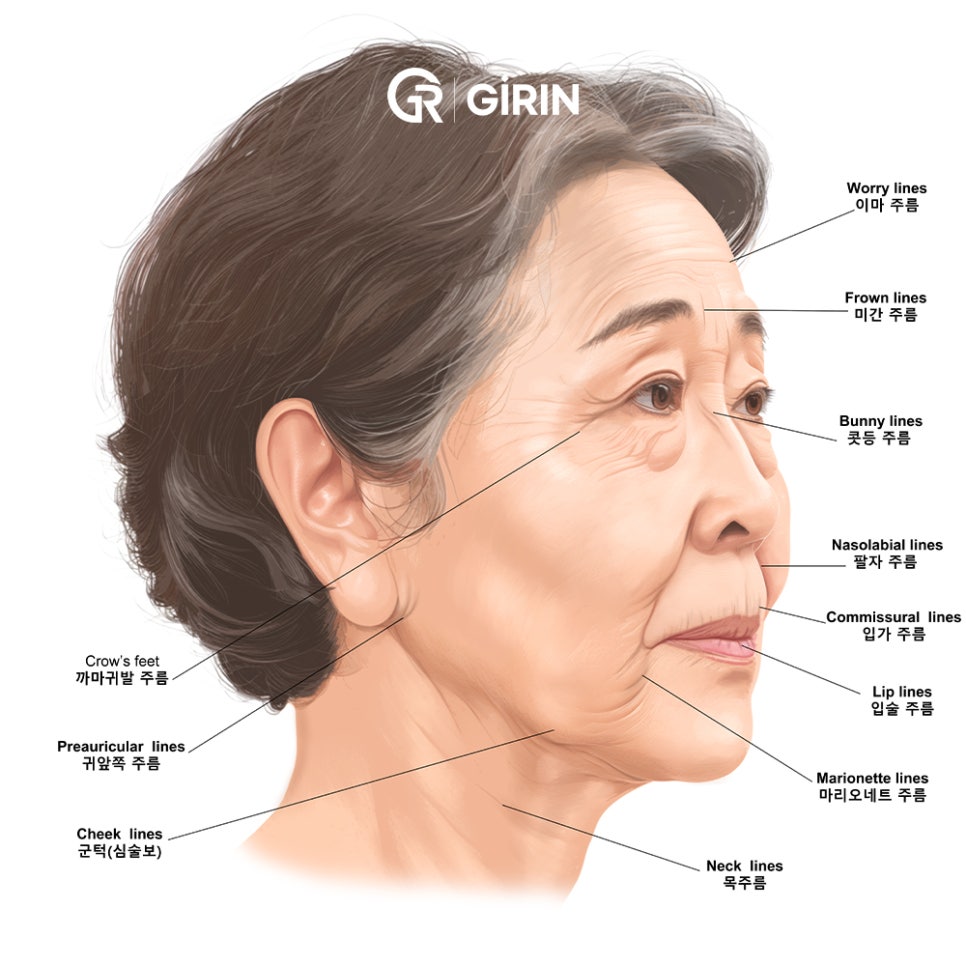
Wrinkle areas checked when considering facelift surgery
Why do costs differ?
It can vary depending on the dissection range of the facelift, whether the SMAS layer is treated, and whether anesthesia or aftercare costs are included.
- Surgical scope (partial vs. full face)
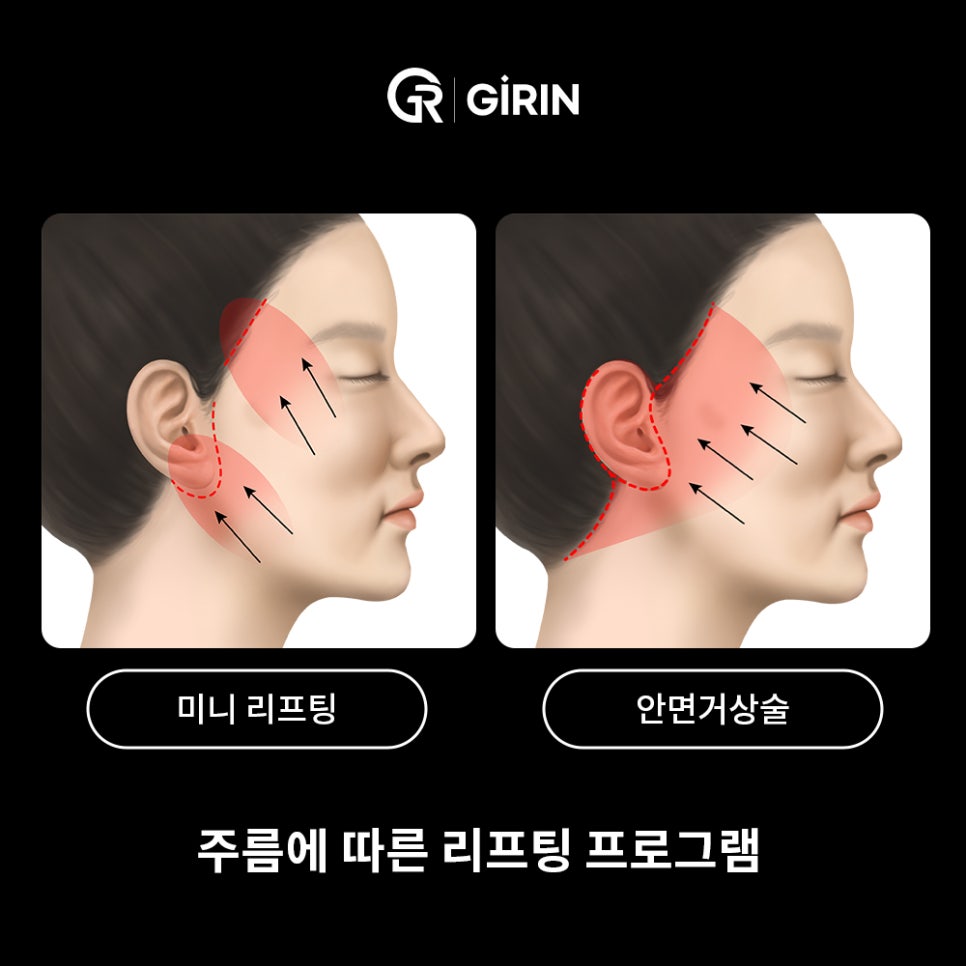
Dissection ranges for mini lifting and facelift, respectively
The biggest reason facelift costs differ from clinic to clinic is that the surgery itself is not the same. Common areas that show signs of aging include the forehead, eye area, glabella, bridge of the nose, mid-cheek, jowls, nasolabial folds, sagging cheeks, double chin, and neck wrinkles. Depending on the areas of concern, the incision site and extent may differ, which can affect the price. In other words, if the price is relatively low, it may be a mini lift or another procedure such as thread lifting rather than a full facelift. That is why you should check the incision range and lifting method.
Mini Facelift

Lifting surgery according to the degree of aging in the skin and muscle layers
It has a smaller incision range and a faster recovery, but it is suitable only for mild sagging mainly in the lower face and jawline. As a partial procedure, it is difficult to prevent sagging across the entire face. Because the incision range is relatively small and the operation time is short, the cost burden is often relatively lower.
Facelift

The effect of incising and repositioning sagging skin and the SMAS layer
This is a method that lifts both sagging skin and the fascia layer (SMAS) at the same time. It can be applied when mid-face or neck sagging is pronounced. The method of separating and repositioning tissues layer by layer increases surgery time and requires more effort for bleeding control and nerve protection. In this way, the surgical scope is wider and a more precise approach is needed, so the cost burden may be greater, but it can bring a more comprehensive change in appearance.
- Whether the SMAS layer is treated
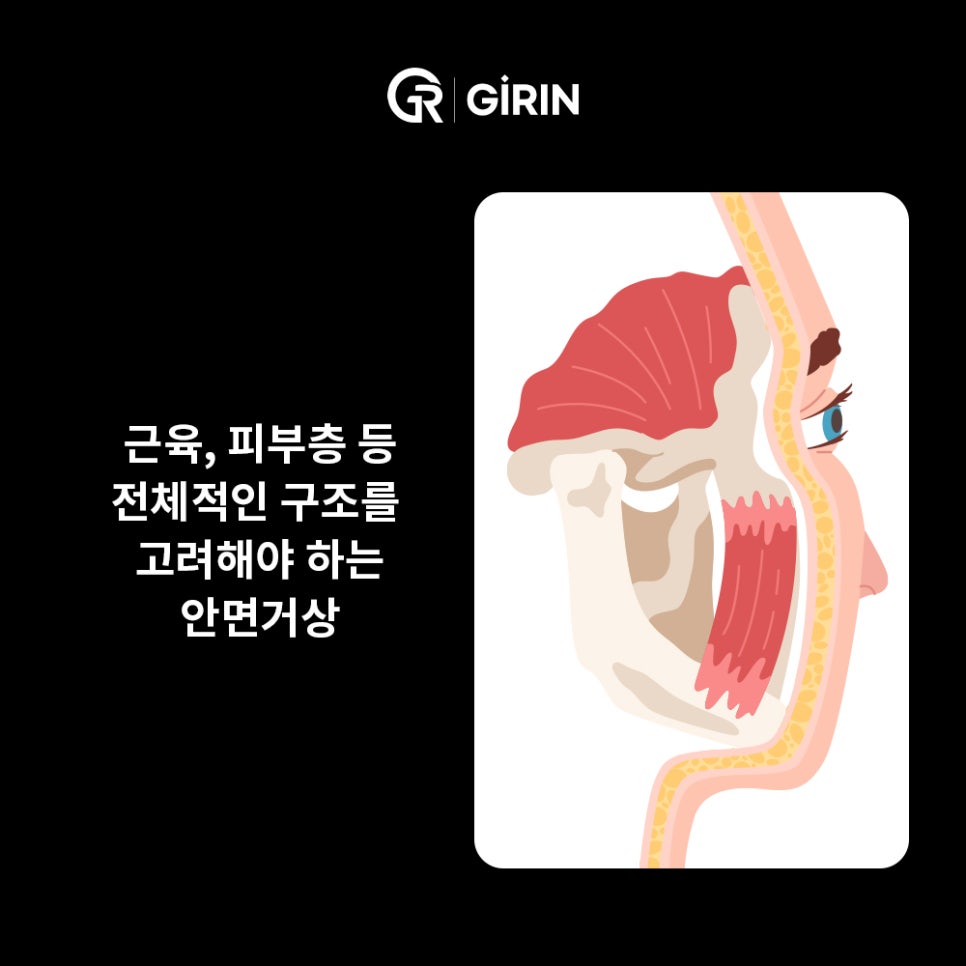
You need to look at the fundamental reason why facelift prices differ
Even when the term facelift is used, the cost may differ depending on whether the surgery deals only with the skin or also with the fascia layer. This is because the incision location, dissection range, depth, fixation method, surgery time, anesthesia method, and post-op care program all differ. These differences affect durability, naturalness, and satisfaction. A SMAS facelift lifts and fixes the fascia layer beneath the skin as well, and it is chosen when a more natural result with longer-lasting durability is desired. Compared with a mini lift, the surgery is more difficult and takes more time, and accordingly the cost tends to rise.
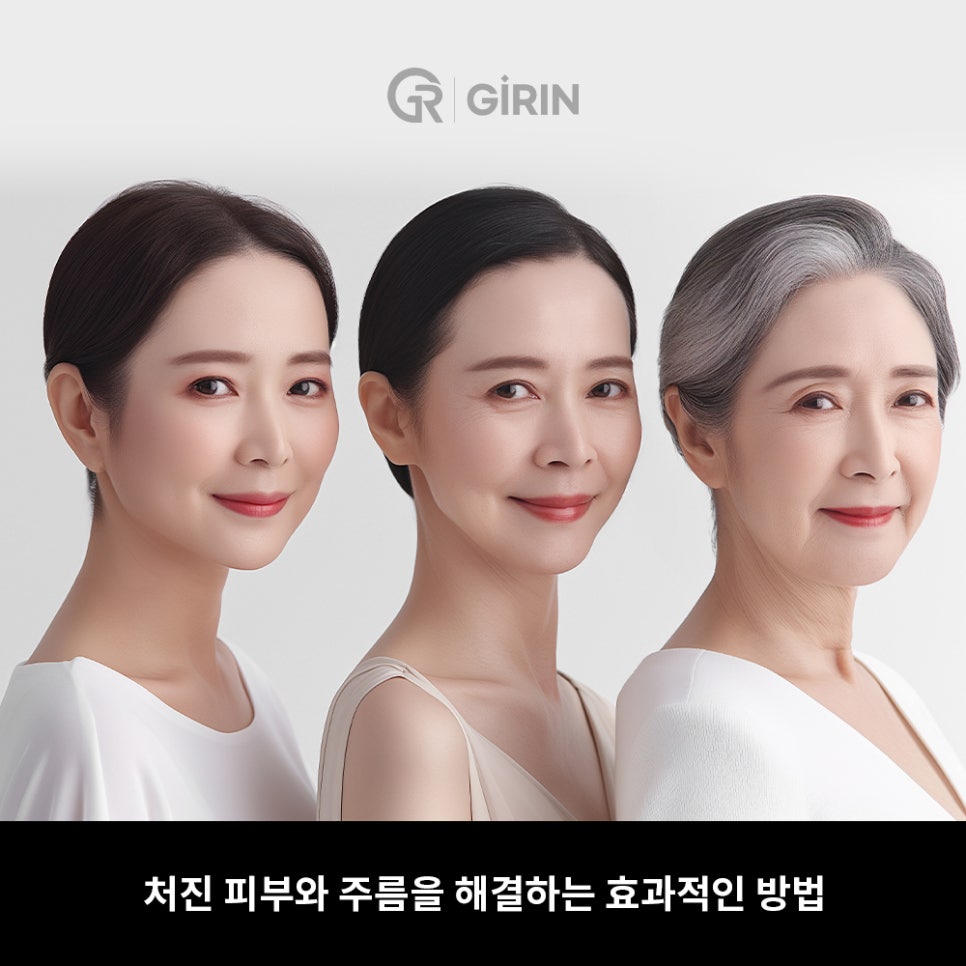
Example of changes in the jawline and wrinkles with aging
What is SMAS? SMAS (Superficial Musculo-Aponeurotic System) is a fascial layer connected to the facial muscles located just beneath the skin. The reason this layer must be addressed is that aging begins in the SMAS layer before the skin. That is why lifting this layer together leads to a more natural and longer-lasting result.
- Whether aftercare is included

A line that regained elasticity as the jawline and neck wrinkles were refined
If a low cost is presented before facelift consultation, you should check whether post-surgery recovery management is included. In addition, the clinician’s experience may have a greater impact. Therefore, rather than deciding based only on a simple cost comparison, it is important to consider the overall treatment plan and the expected effect together. Facelift surgery must be performed with great precision to minimize scarring and side effects afterward.
What to check during facelift consultation

Rather than simply pulling tightly, surgery that considers facial expressions is needed to achieve a natural result.
The most important thing is to determine which surgical method is appropriate based on an accurate diagnosis of your own aging condition. After that, you also need to carefully check the detailed items included in the cost. Examples include whether the anesthesia method and post-operative care program are included, as well as the possibility of additional costs. This is an essential step to prevent unexpected situations and to obtain the solution you need.
Frequently Asked Questions About Facelift Costs (Q&A)
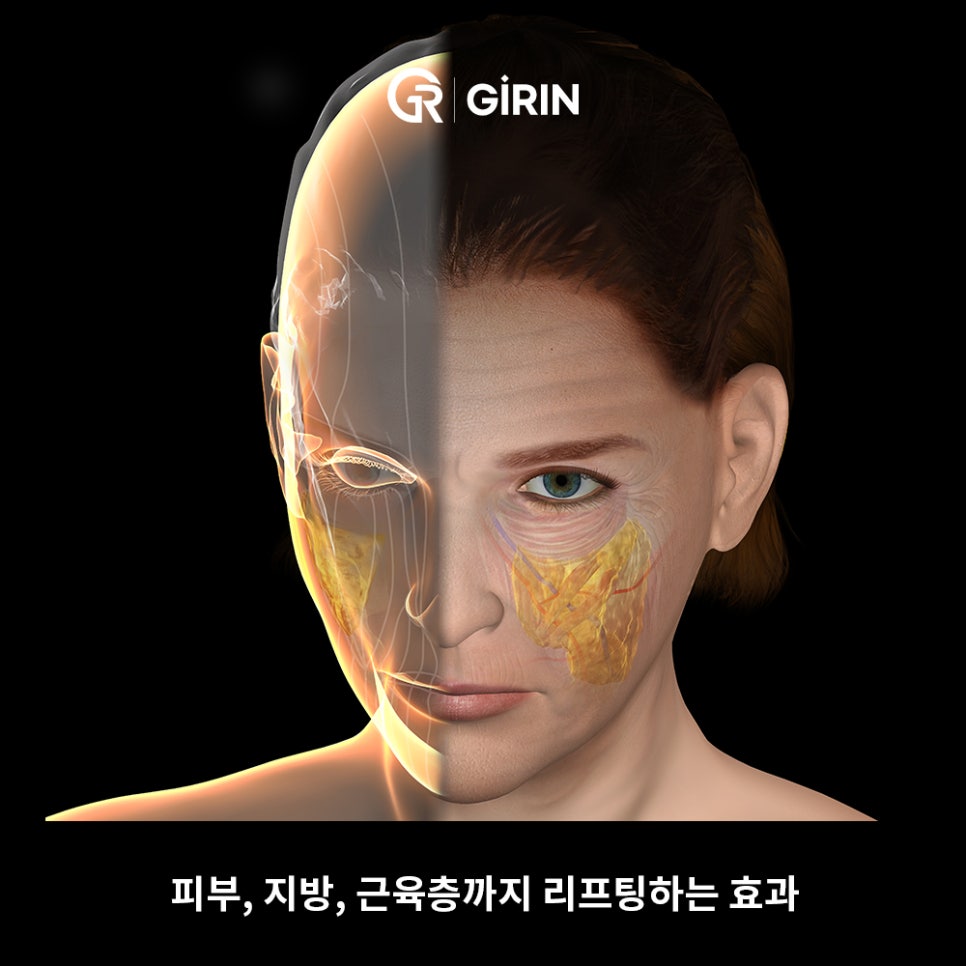
Surgery that considers aging in each layer
Questions about pricing
Q. If a facelift is expensive, is it always better?
A. A higher cost does not always guarantee better results. What matters is whether the plan matches your degree of sagging and the necessary surgical scope.
Q. Is facelift covered by insurance?
A. A facelift for cosmetic purposes is generally not covered by insurance.
Q. Why is a cheap facelift considered risky?
A. Because the surgical scope may be limited, or long-term durability and safety may not have been sufficiently considered.
Q. How many places should I consult for facelift pricing?
A. Rather than just one, it is helpful to compare differences in surgical plans and cost breakdowns through consultations at several places.
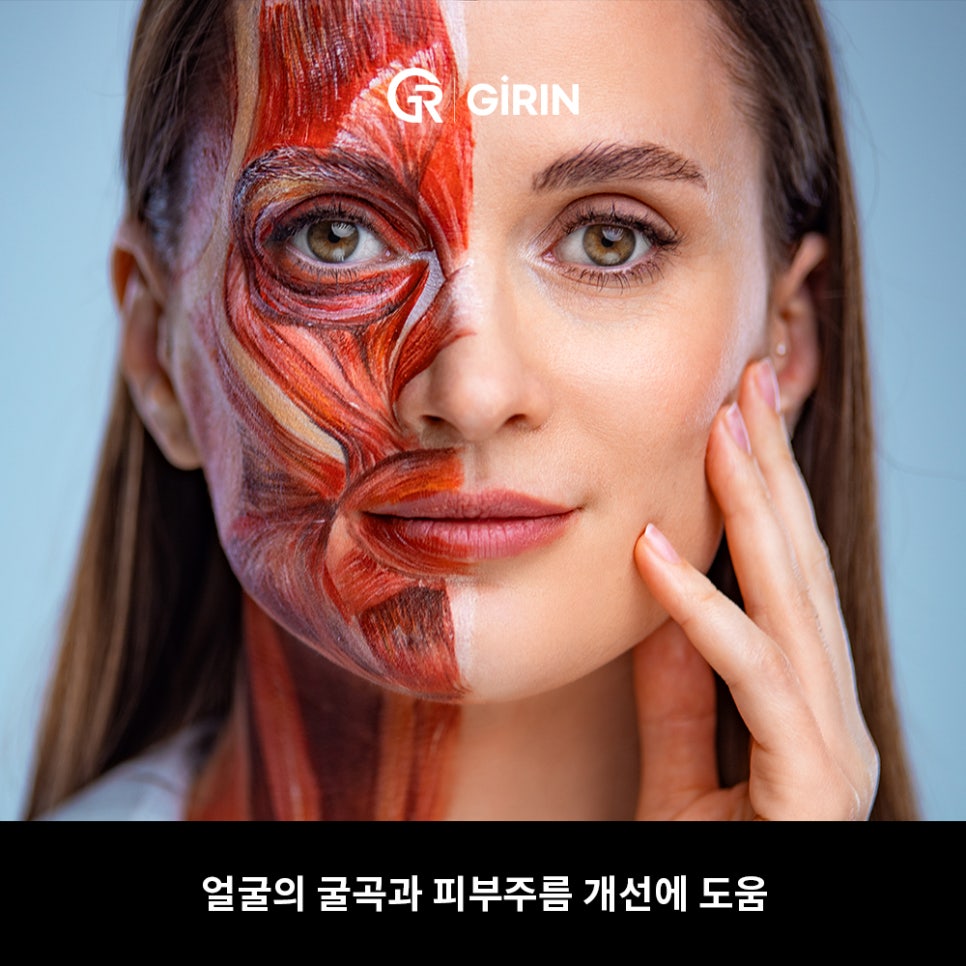
Facelift that helps improve face shape and wrinkles
Questions about surgery
Q. How do I know if I need a full facelift?
A. It is generally suitable for adults with moderate or greater facial sagging, sagging cheeks, and sagging along the jawline and neck. If skin elasticity is very low, the surgical plan is also adjusted.
Q. I’m curious about the recovery period.
A. Although it varies by person, there is usually swelling and bruising during the first 1 to 2 weeks, and recovery proceeds quickly after the stitches are removed. The final line is expected to take more than 3 months, and it may vary depending on personal lifestyle habits.
Q. How long does a facelift last?
A. It does not stop the aging process permanently, but there are reports that it often lasts for 10 to 15 years or more.
Q. What differences help increase satisfaction with the surgery?
A. You should choose the appropriate technique based on an accurate diagnosis. If you have previously undergone excessive thread lifting, you must share that information with the doctor in advance. Some treatment histories may affect future surgical results.
Q. From what age should a facelift be considered?
A. This depends on the degree of aging and can be judged by skin condition.
Q. Won’t it look too tight?
A. The purpose of a facelift is not to pull, but to reposition, and naturalness is considered the most important factor.
Q. Does one surgery last a lifetime?
A. It is not permanent, but it is described as having the effect of significantly slowing the aging process.

Rather than the facelift cost, it is necessary to look at before-and-after cases.
When it comes to facelift surgery, the incision location and suturing method are directly related to post-surgery scars, so rather than focusing on the cost, please carefully review the before-and-after photos and post-surgery care before making your decision.