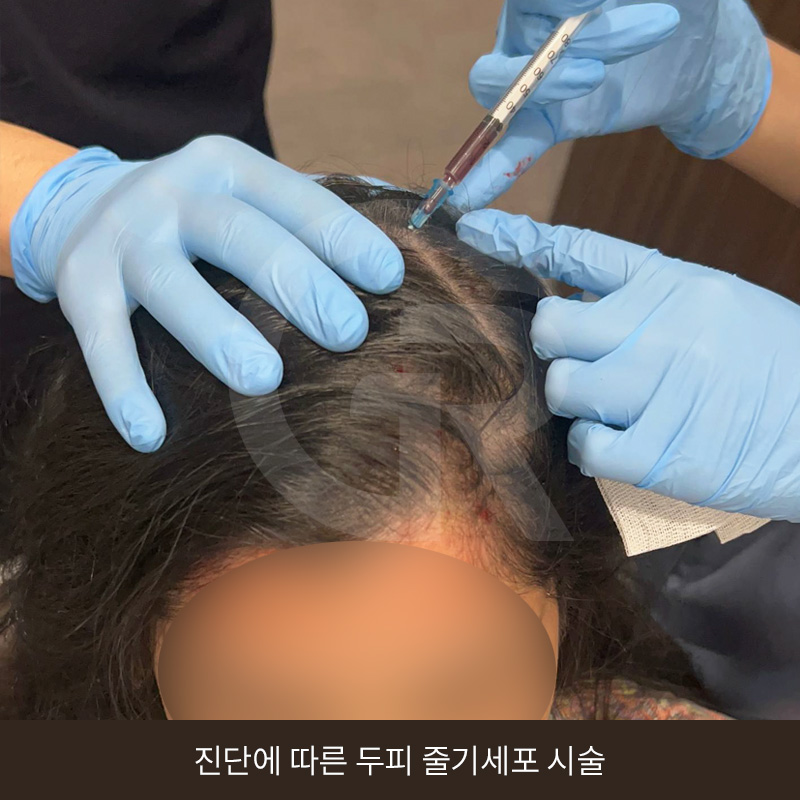
A woman with thinning hair not only at the center part but across the entire scalp is receiving a scalp stem cell procedure
Conventional "hair loss injections" have mostly been limited to methods that use MTS to help scalp exosomes or ampoules absorb, or PRP procedures. With more advanced stem cell extraction devices, people who are experiencing hair loss, want to prevent hair loss, or need post-hair-transplant care may also receive stem cell procedures. In this post, we will introduce, through real cases, which situations are suitable for scalp stem cell programs, why prices differ, and cases in which stem cell treatment is not recommended.
Moments When You Decide to Treat Hair Loss
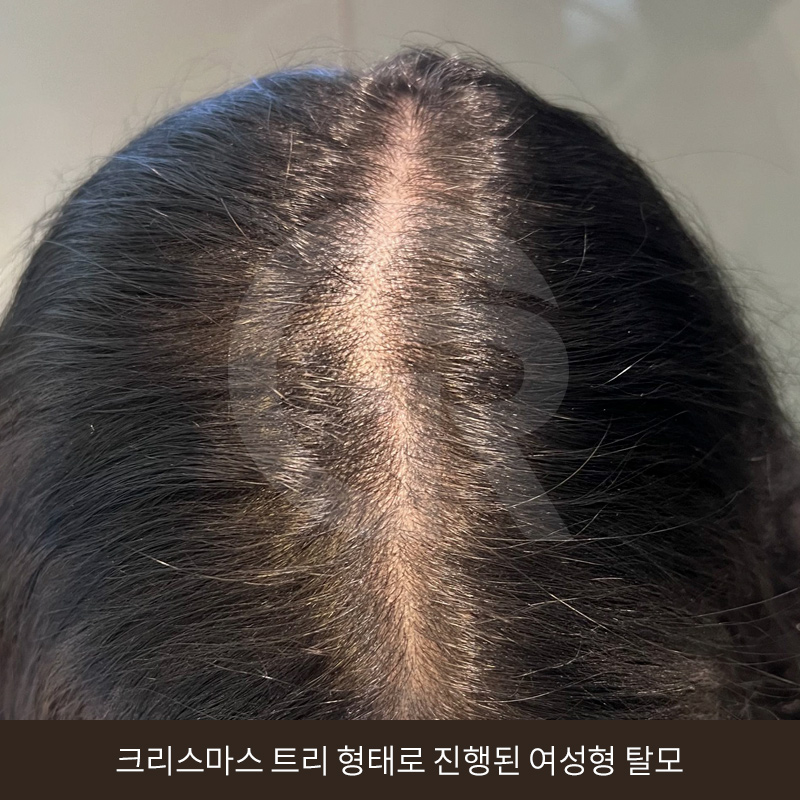
Female part-line hair loss spreading in a tree-like pattern before the procedure
There may be genetic factors, but in modern society there are also many external factors that can stress the body and scalp, so more people are experiencing hair loss. △Feeling that the hairline has moved back compared with before △The part line is getting wider △After washing your hair, the drain is full of hair △Scalp inflammation keeps recurring △Alopecia areata and other signs of a sudden decrease in hair volume or weaker hair are often what lead people to consider hair loss treatment for a fundamental change.
Why Stem Cell Treatment Is Different from Ordinary Cosmetics
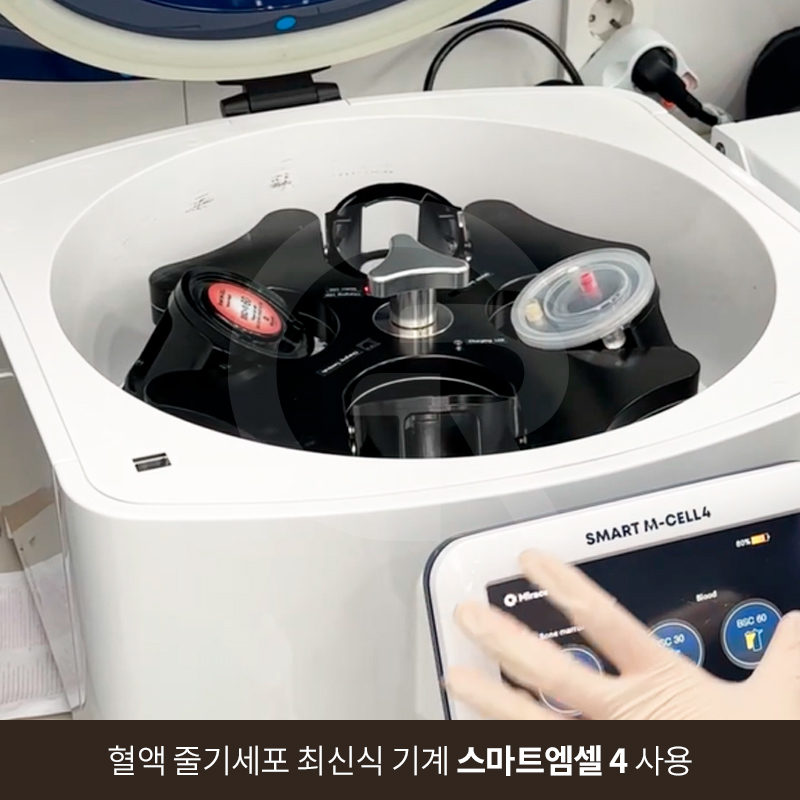
Centrifugation using the Miracell Smart MCell 4, adjusted by weight
Hair loss cosmetics, shampoos, ampoules, and similar products are sold in many forms on the market. They may help improve a scalp that feels hot and has lost elasticity, but stem cells take a different approach. Hair ultimately receives nutrients through blood vessels, so the blood flow environment around the hair roots must be improved. As hair loss progresses, blood vessels become disrupted, blood flow weakens, and nutrients reaching the hair roots decrease, leading to reduced hair volume and thickness. Hair roots are located in the deeper layers of the skin, not on the surface. Directly injecting stem cells into the scalp helps reconnect pathways that had been interrupted and supports fundamental regeneration.
How It Differs from Skin Boosters
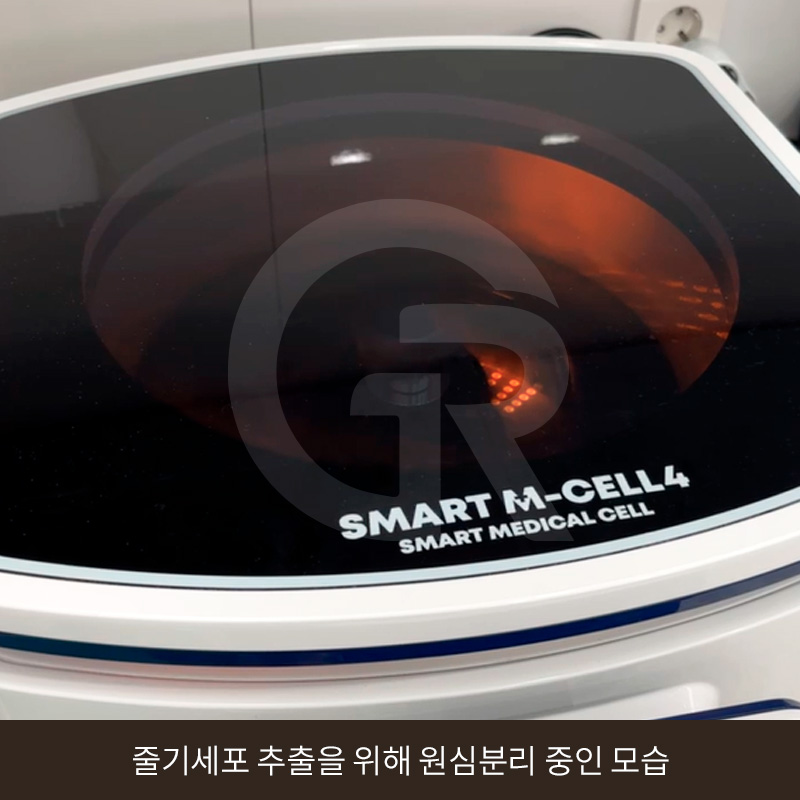
Highly concentrated stem cells are separated according to the set time based on the volume
Unlike skin boosters, stem cell treatment is done through "autologous collection." Blood, fat, and other materials from the body are collected and then purified before being injected back into the body. In particular, the blood stem cell scalp treatment introduced today uses active ingredients extracted from the patient’s own blood, and the process is as follows: venous blood collection > injecting the collected blood into a genuine kit > centrifugation using the Miracell Smart MCell 4 system > separation of blood layers > extraction of only highly concentrated active ingredients > injection into the scalp.
Smart MCell has been certified for a cell survival rate of up to 99%, and it is a stem cell system capable of extracting more than five key regenerative cell groups at the same time, including growth factors, white blood cells, and SDF-1α. Because it is based on 100% autologous blood without chemical ingredients, inflammatory reactions can be considered relatively lower than with cosmetics or general skin boosters.
If This Applies to You, Stem Cells May Be Needed First
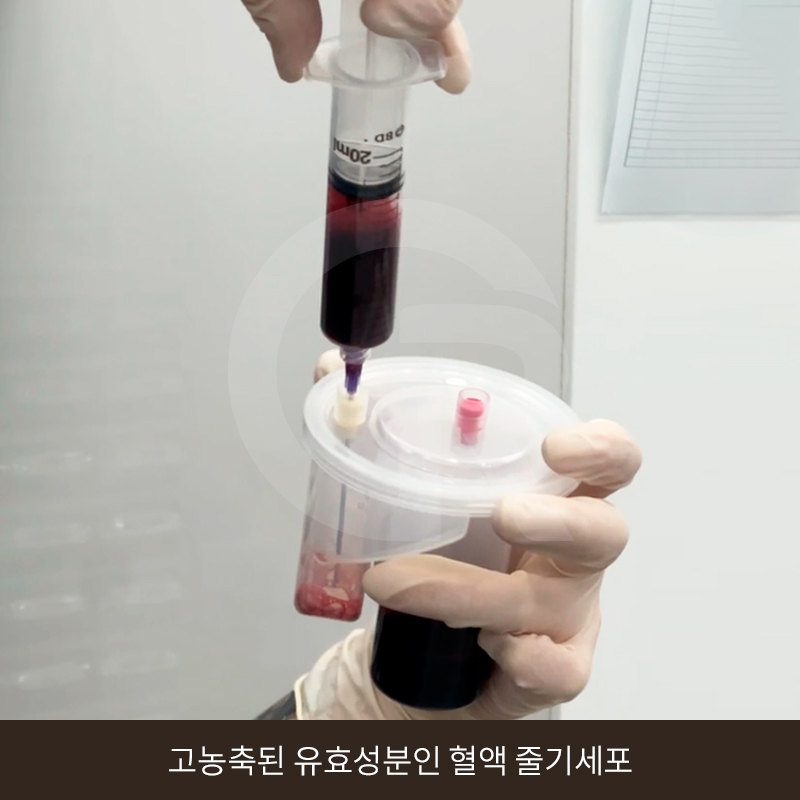
Separated stem cells; only plasma is collected, and residue is not used
Hair loss management has stages. But if the following signs begin to appear, it is a signal that the scalp environment has weakened. Scalp stem cell treatment is a therapy that improves blood flow, based on the principle that better circulation helps the hair roots become healthier. Even if hair loss is already progressing, it can also be used after hair transplant surgery as care.
-
When the hair has noticeably become thinner
-
When the distance in the front hairline or part line gradually widens
-
When the scalp becomes sensitive and inflammation recurs
-
When you are surprised by how much hair falls out after washing it
At this stage, treatment is needed to create an environment where the hair roots can hold out again, rather than simply supplying nutrients. That is because repeated fatigue of the scalp from sensitivity, inflammation, dryness, oiliness, and other issues can worsen scalp condition, which in turn can lead to a decrease in hair density.
In These Cases, It Is Not Possible
-
If there is a history of blood cancer, the procedure is difficult even if the cancer has been cured
-
If the patient is currently undergoing dialysis, blood stem cell treatment is not recommended.
-
If taking anticoagulants such as aspirin, or steroid medications or anti-inflammatory drugs, the procedure is possible only after at least 1 to 2 weeks.
-
During menstruation or when feeling unwell, hair loss treatment, skin treatment, and intravenous injections using stem cells are not recommended (because stem cells are unlikely to be extracted)
Female Hair Loss: Why It Is Easy to Miss the "Last" Chance
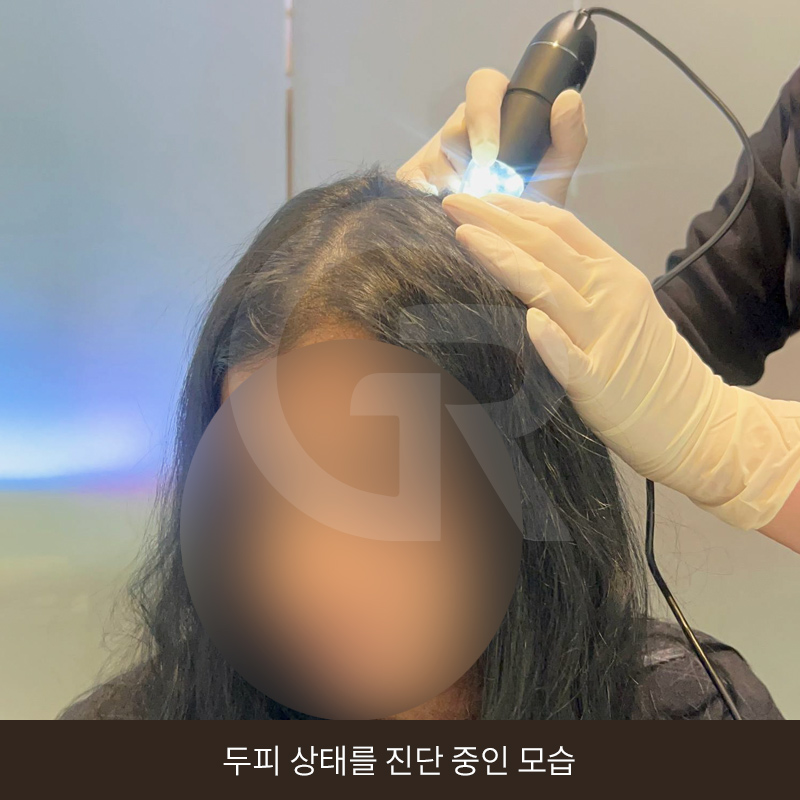
Diagnosing the area where hair loss is progressing beyond the part line
Female hair loss does not progress rapidly. Instead, the hair gradually becomes thinner and overall density slowly decreases. For that reason, most women let it pass, thinking, "My hair volume has decreased a bit lately," "Maybe it’s because I lost weight," or "Maybe I’m just not feeling well." But even during this period, the blood flow inside the scalp is often already weakening, the environment supporting the hair roots is breaking down, and changes such as shorter and thinner hair are already underway. Because the progression is slow and does not look serious, missing the right time to start care is the biggest characteristic of female hair loss.
Why Scalp Stem Cell Prices for Hair Loss Relief Differ
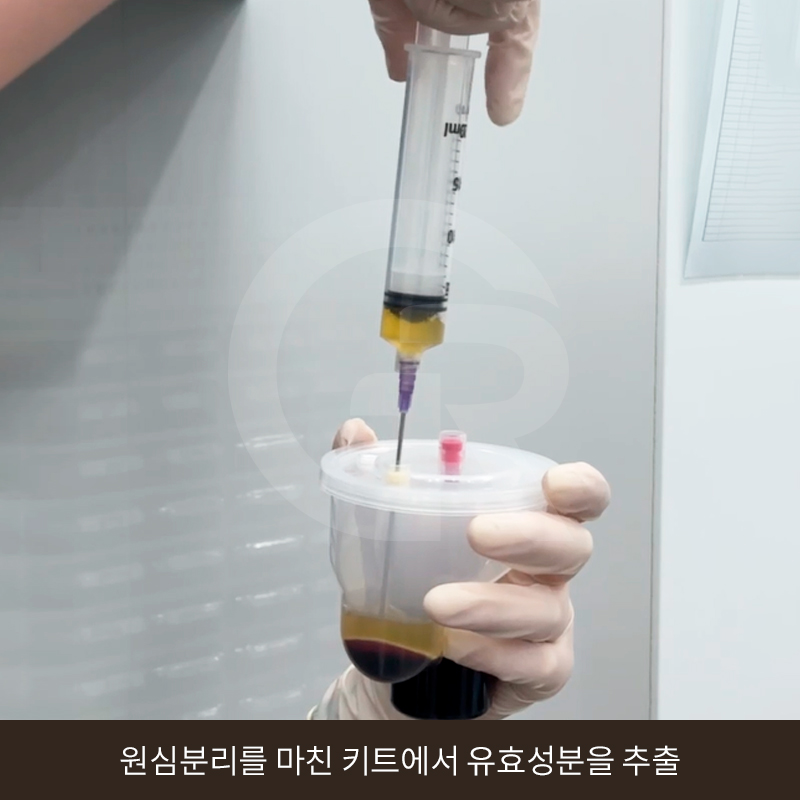
Specialized team separating plasma and stem cells
First, the price can vary depending on the amount of blood drawn. For blood-based procedures, kits may use 60 cc or 120 cc, and fat stem cell procedures are priced higher.
Second, the price can vary depending on the procedure contents based on the severity of hair loss. This is because individualized 1:1 procedures are performed according to each person’s hair loss diagnosis, including blood stem cell scalp injections, PPP regenerative care, scalp ampoule care, scalp Botox care, and LED regenerative care.
Finally, the price can vary depending on whether the device used for stem cell extraction is the latest model. Confusion with PRP and blood stem cells can also come from here: older models and systems had difficulty extracting stem cells, but the latest Miracell Smart MCell 4 can extract stem cells with a high concentration, so the price may differ depending on which device is used and the environment in which it is managed.
Why This Scalp Stem Cell Treatment Plan Was Designed
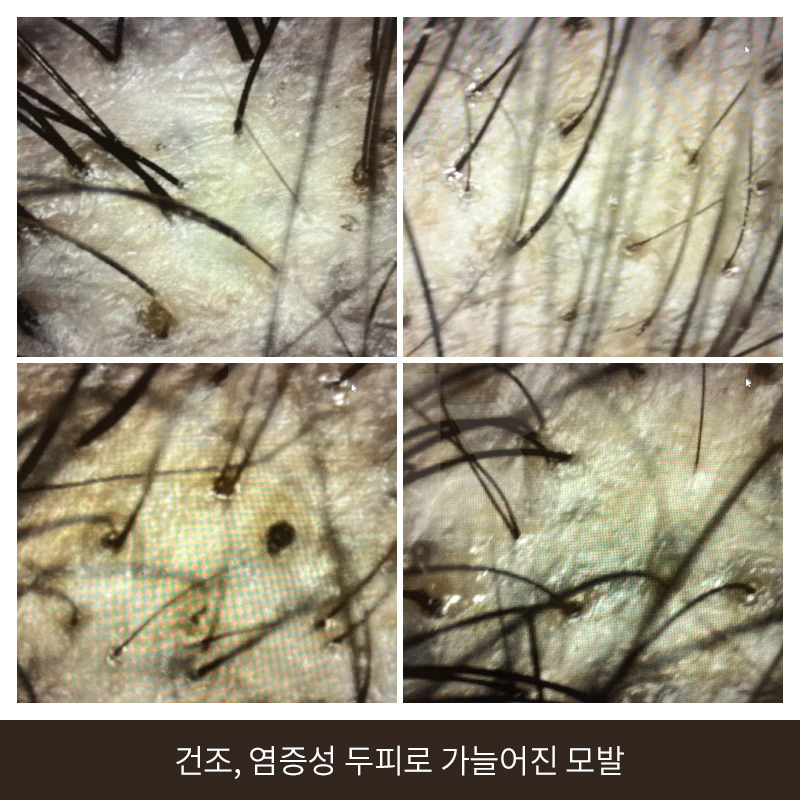
The patient’s actual scalp condition shows a dry, inflamed, contracted scalp and thinning hair.
The scalp does not worsen due to a single cause. It is because decreased blood flow, inflammation, muscle tension, blocked nutrient supply, and reduced recovery ability are all intertwined. Therefore, treatments that combine each of these roles can help address ongoing hair loss and prevent it from worsening further.
- Scalp stem cells: A treatment focused on improving a collapsed environment
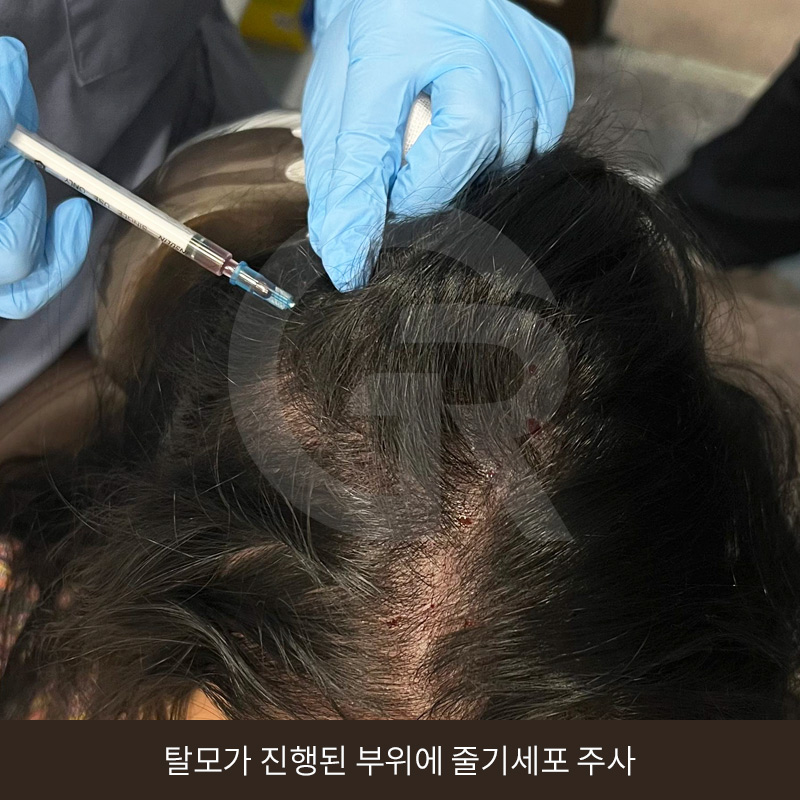
A dedicated stem cell team performing procedures based on consultation and diagnosis
This is a real patient who received an autologous blood stem cell scalp injection. When regenerative signals are delivered directly to a scalp with weakened blood flow, disrupted vascular flow reconnects and the nutrient supply pathway to the hair roots is restored. The main purpose is to provide an environment in which the scalp can recover.
- Scalp Botox: Tight scalp muscles interfere with blood flow
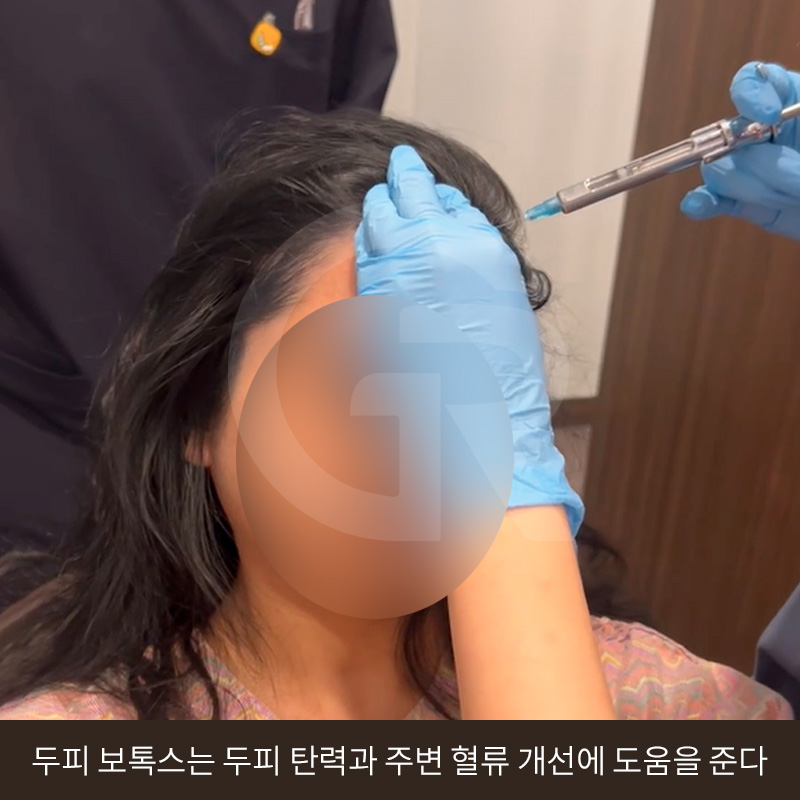
A patient receiving hair loss treatment
A contracted scalp worsens blood flow. Scalp Botox relaxes overly tense scalp muscles and relieves pressure that interferes with circulation. It also plays a supportive role in helping the effects of stem cell procedures last longer. For this reason, combining scalp Botox with stem cells may create synergy compared with stem cells alone.
- Customized scalp ampoules: Care based on scalp condition
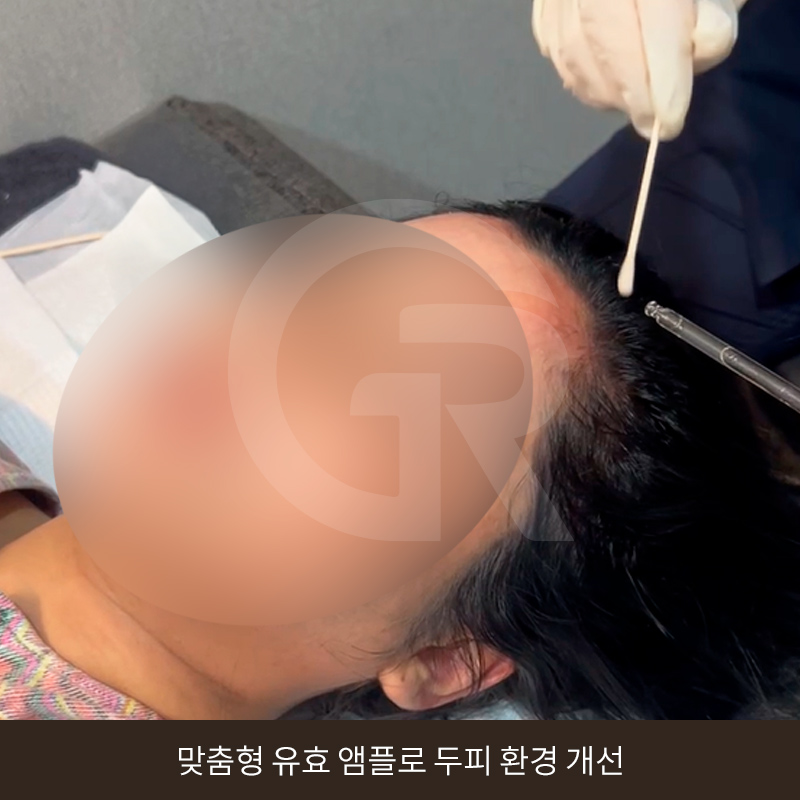
Using suitable ampoules for each scalp to help soothe the scalp environment
Some people are concerned about seborrheic or inflammatory scalp conditions, while others have excess oil. Some worry about dry, thinning hair, while others lose hair because of a sensitive scalp. In addition, depending on various symptoms, using customized ampoules for the scalp condition can help create an environment in which stem cells strengthen the hair roots and ampoules help maintain that environment.
- LED regenerative light: A finishing care step for inflammation and recovery
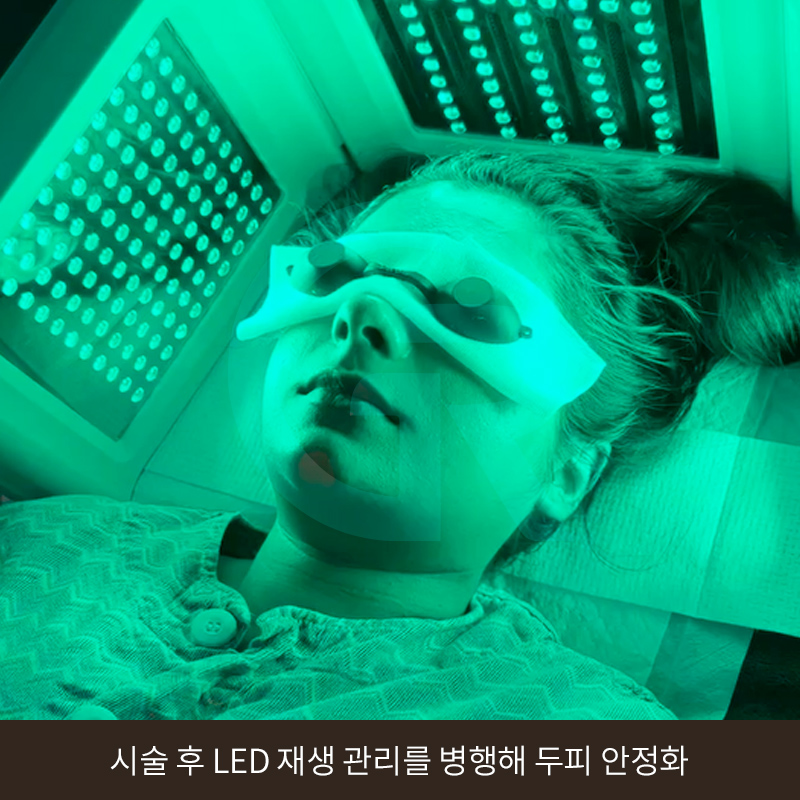
Hair loss can also appear in people in their 20s and 30s depending on family history, hormonal imbalance, and nutritional status.
It helps soothe a scalp that has become sensitive from the procedure and improves recovery speed after the procedure. This thorough sequence and care method can make a difference in results, density, and durability.
- Plasma: Use it to the very end (skin, modeling pack, etc.)
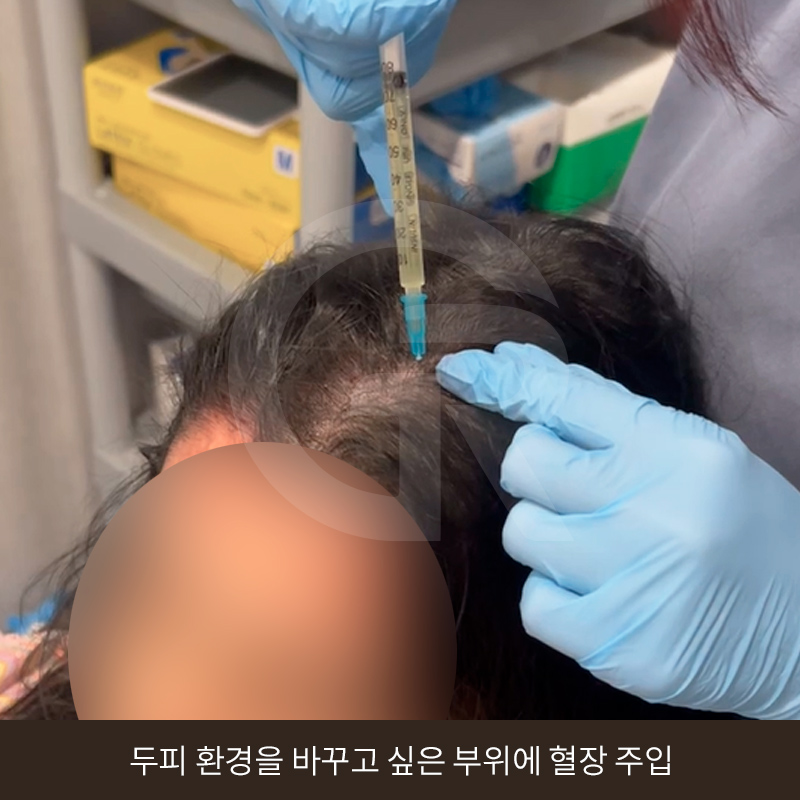
The plasma is not discarded and is injected into both the skin and scalp.
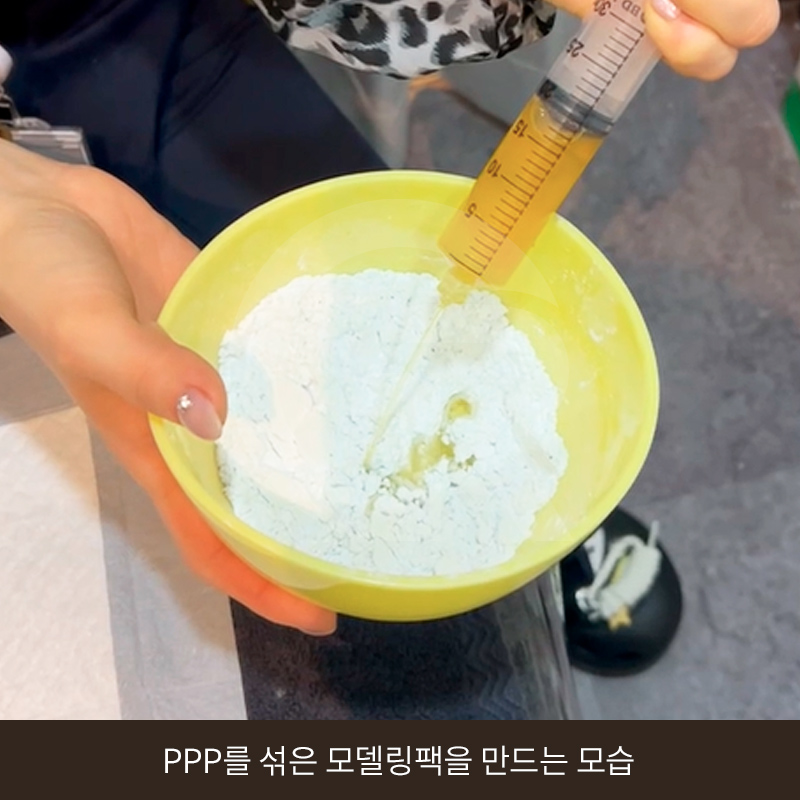
Making a modeling pack by mixing plasma
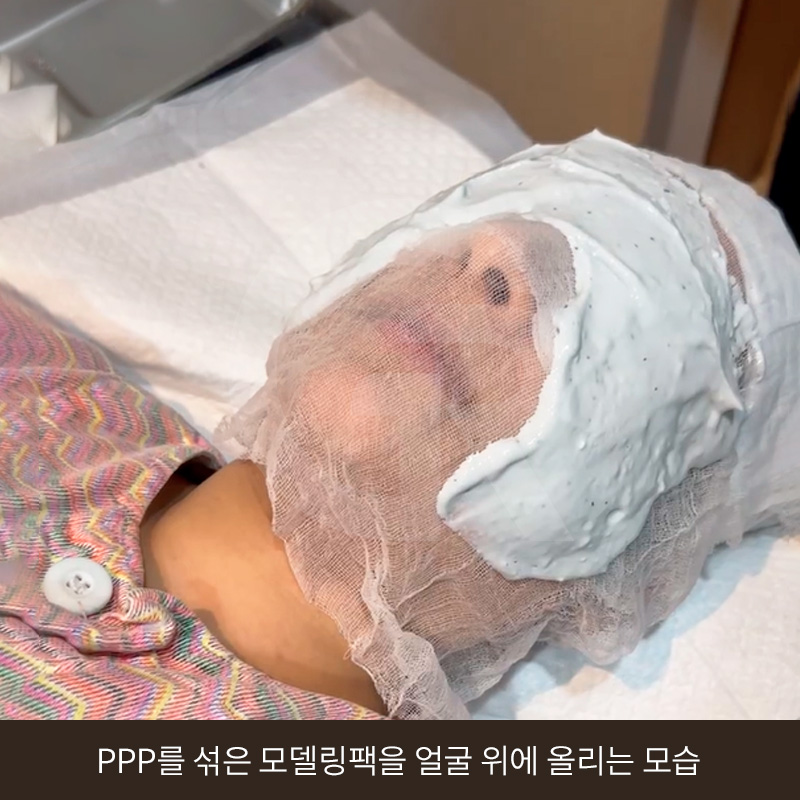
A patient who has finished scalp stem cell treatment
Because the causes, progression speed, and scalp condition of hair loss differ from person to person, treatment based on an accurate diagnosis is essential. Even after receiving scalp stem cell treatment, the results may vary depending on how suitable the lifestyle is and the direction of care. Therefore, before deciding whether to proceed with the procedure, it is necessary to consult a specialist and fully confirm the diagnosis of your scalp condition and the possibility of care. Simply checking your current condition once can also help you organize the direction of future care.