Hello,
I’m Lee Juri, the chief director of Seoul Vardy Dental Clinic.
Today’s post is for patients who went through implant surgery with great determination and were disappointed when it failed,
and it is meant to give you hope that it is not the end.
Feeling really upset about implant placement failure?
You may have felt something like this..
“Everyone else seems to have done well... why did I fail?”
“Was there a problem with my bone?”
“I’m scared to do it again, and I’m afraid it will fail again.”
If the implant you worked so hard to place becomes loose
or the pain continues, the shock and disappointment can be beyond words.
Today, I’ll explain one by one the things many people are curious about,
whether reoperation is possible,
causes of implant failure,
symptoms of failed osseointegration, and more.
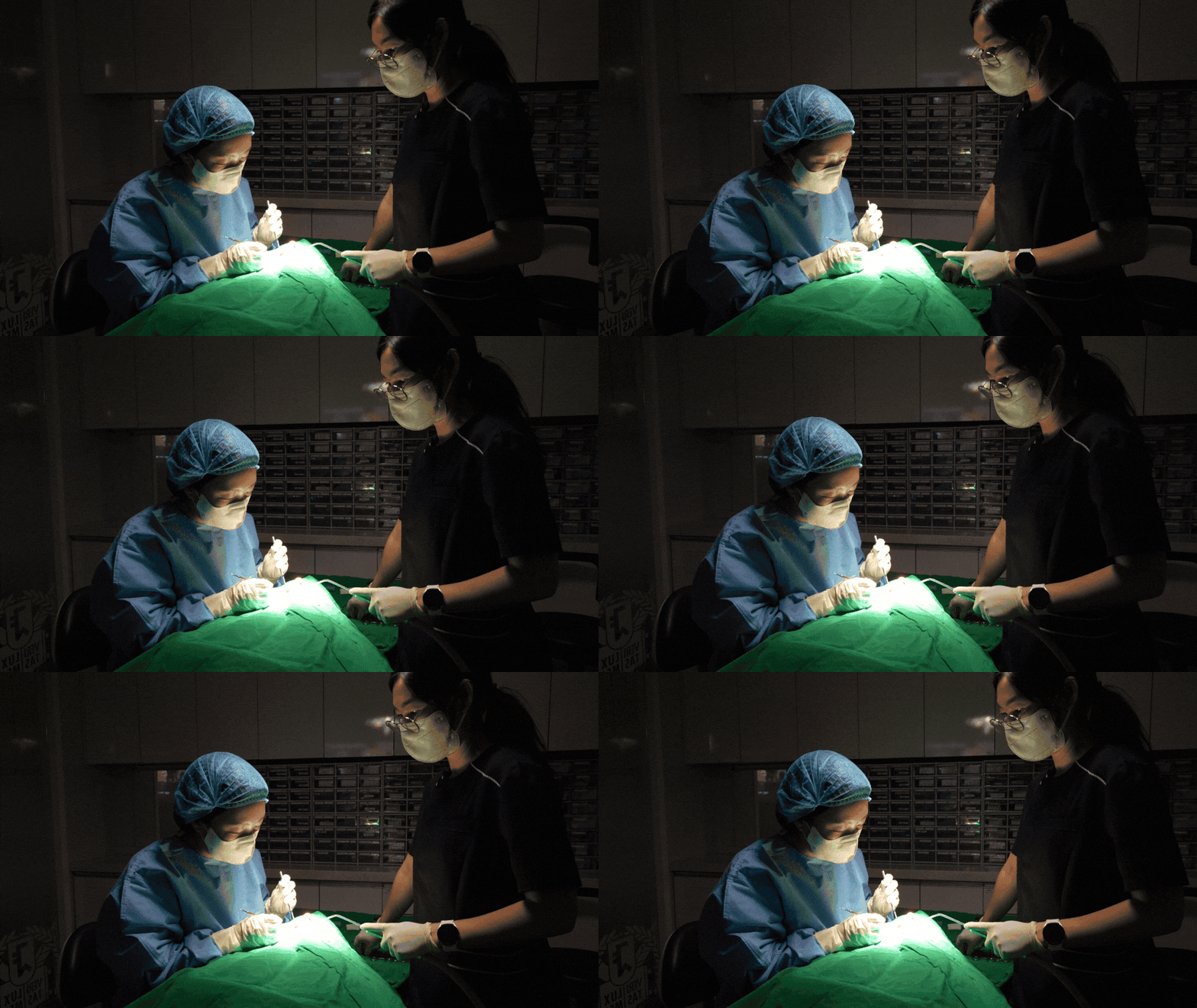
Why did the implant surgery fail..?
Implants are known to have a success rate of over 90%.
These days, there are also many tools for analysis, such as CT and navigation systems.
But... in rare cases, the surgery does fail.
It is usually determined within one month after surgery,
but in some cases it is discovered several months later.
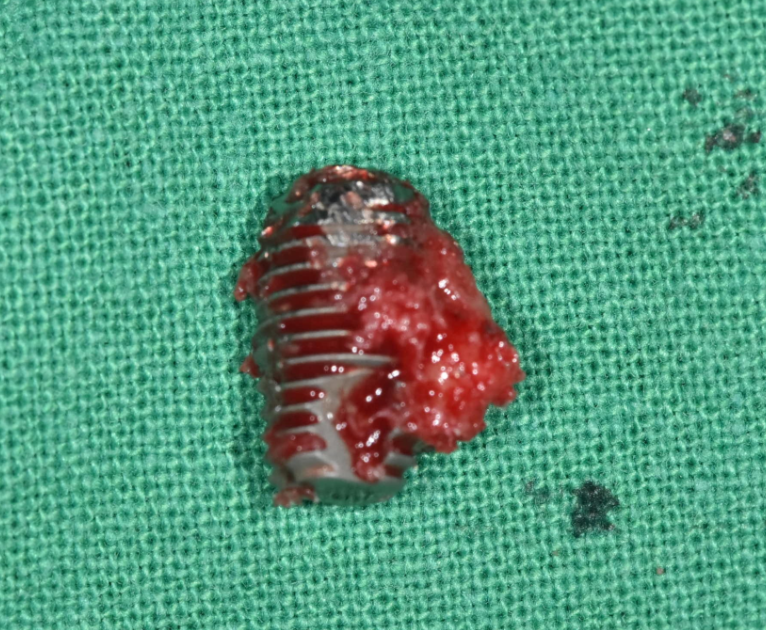
240816
The symptoms of implant placement failure are as follows!
Because implants are placed in bone,
a process of firmly bonding with the bone is necessary.
However, if this process does not happen properly,
the following symptoms may occur.
- The surgical site continues to hurt even after time has passed
- The implant becomes loose or feels strange in some way
- Swelling or inflammation keeps recurring
In such cases, the placed implant may need to be removed.
There is not just one cause of failure;
several factors usually act together.
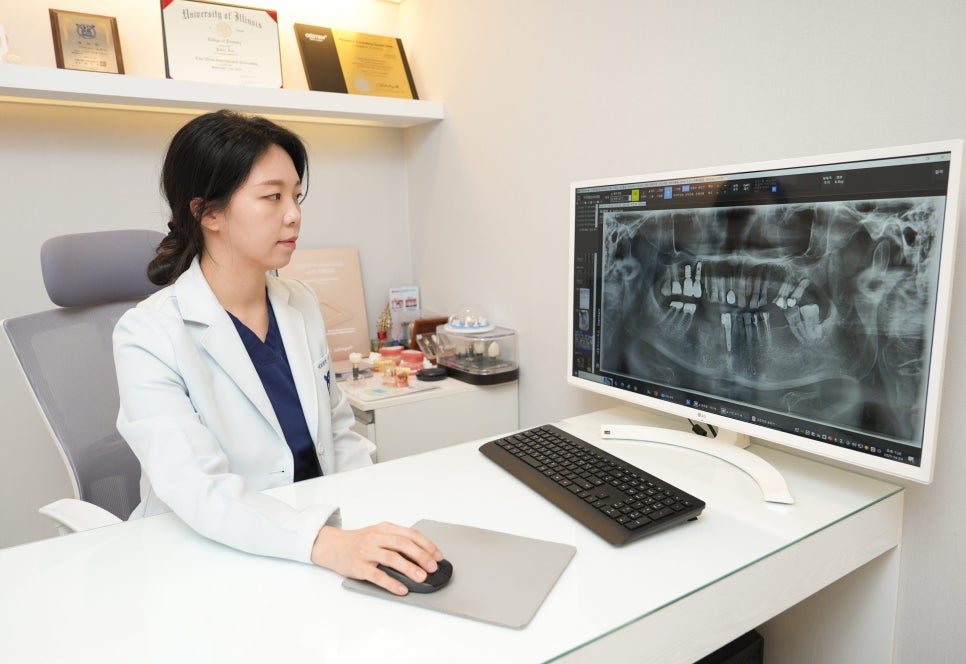
- Insufficient jawbone condition
If the gum bone is weak, it is difficult to secure the implant.
- Smoking and drinking
Smoking interferes with blood flow in the gums
and is a representative cause of failure to achieve bonding.
You should not smoke for one week after surgery, but that is not easy..
When taking medical histories from patients whose implants have failed,
we often find that many of them smoke.
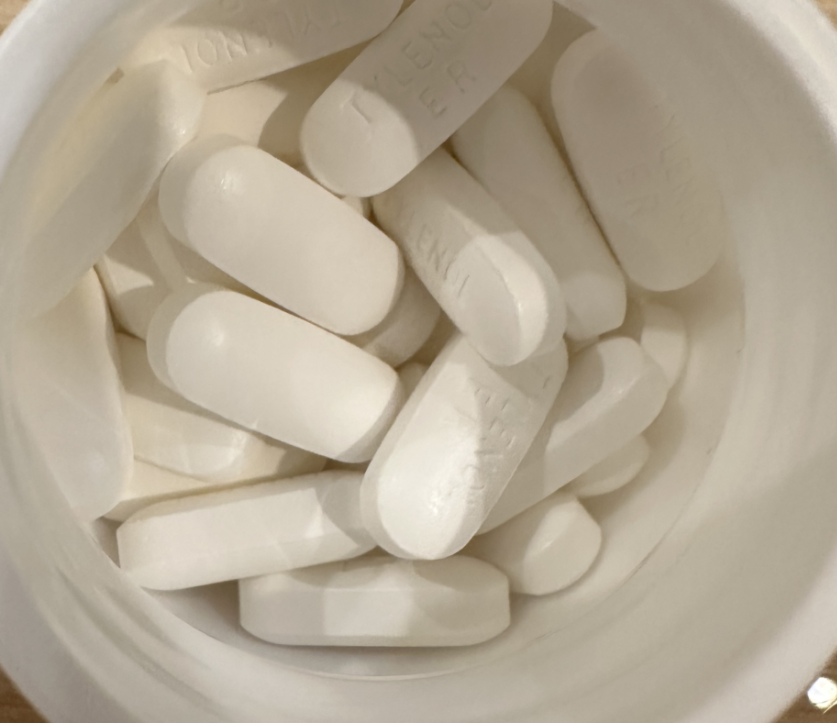
- Systemic disease
If you have underlying conditions such as diabetes or osteoporosis,
recovery may be slower or the risk of failure may increase.
In particular, if you do not inform us about certain osteoporosis medications,
bone necrosis may occur and the treatment may fail.
Many people think dental treatment has nothing to do with osteoporosis medication,
but there are medications that need to be stopped.
Whatever the cause, if failure occurs,
we should not repeat the same result again, right~?
Fortunately, implants can be placed again.
If the problematic implant is removed and the inflammation is also curetted,
and the deficient bone is filled through bone grafting,
re-implantation is possible.
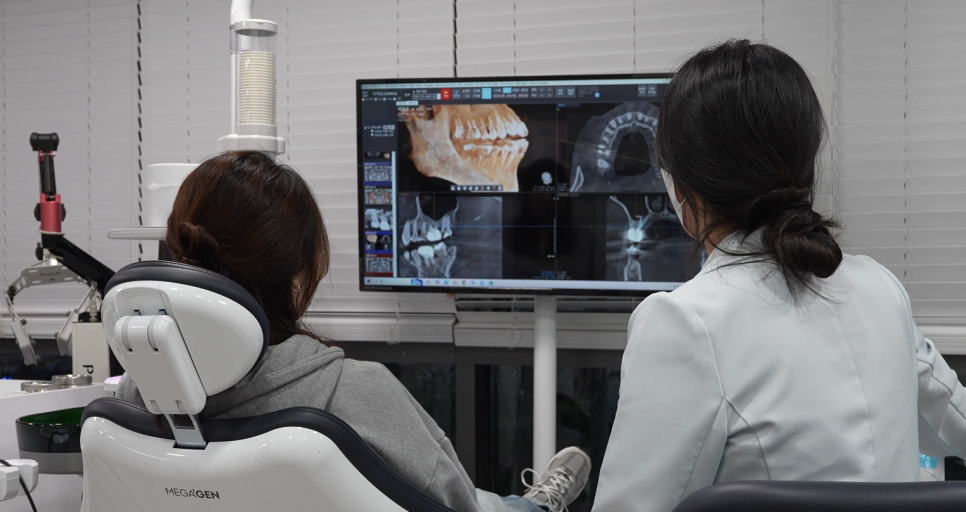
At this point, what matters is not simply placing the implant again,
but removing the cause of the failure.
Communication with the medical staff is essential, right?
Lastly, I would like to say this.
Implant failure can happen to anyone.
I completely understand feelings of disappointment and frustration.
But implant placement failure may be a small event on the way to a stronger implant.
Rather than failing soon after the prosthesis is completed,
experiencing failure early in the process
is a way to use it more durably in the long term.
Please don’t be too upset,
and let’s work together with the medical team to find
how to succeed the next time.
This has been Lee Juri, chief director.
#ImplantPlacementFailure