Hello,
I’m Dr. Lee Ju-ri, CEO of Seoul Bardi Dental Clinic.
I had never had a nosebleed in my entire life,
but I had one after implant surgery.
That’s right.
Even people who have never had a nosebleed in their lives
may experience one after implant surgery,
epecially after sinus surgery.
For those experiencing it for the first time, it’s common to think, “Did something go wrong with the surgery?” and call the clinic in surprise.
Today, I’ll explain why nosebleeds can occur after sinus surgery
and what precautions to take.
I hope this article helps reassure you!
<Table of Contents>
| What Is Sinus Lift Surgery? |
|---|
| 2. Why Do Nosebleeds Occur After Sinus Surgery? |
| 3. Precautions to Prevent Nosebleeds |
What Is Sinus Lift Surgery?
In fact, before surgery,
we explain everything in detail and proceed,
but when a nosebleed actually happens,
many patients are surprised.
 240509
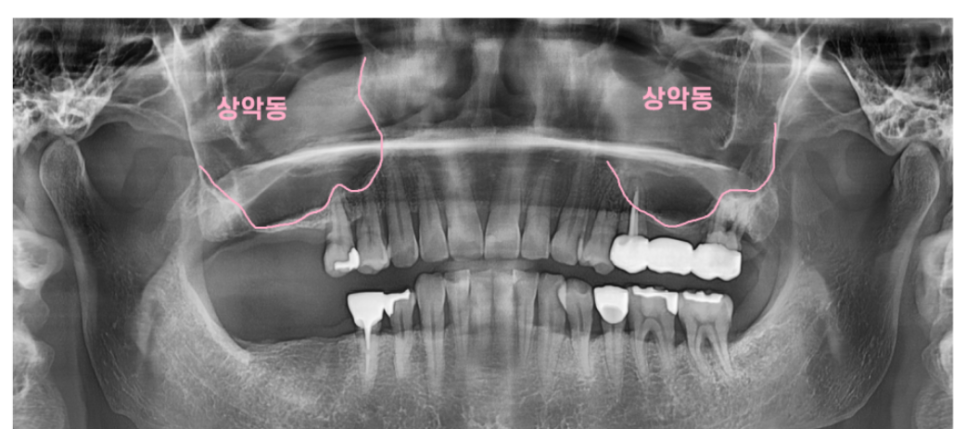
First, the sinus lift procedure mentioned during upper jaw implant surgery
can be thought of as bone grafting in the upper jaw.
It is called a sinus lift because it involves not only grafting bone
but also lifting the sinus at the same time.
If the inferior alveolar nerve must be protected during lower molar implant surgery,
then during upper jaw surgery, the sinus must be protected.
That is also connected to why nosebleeds can occur.
 221203
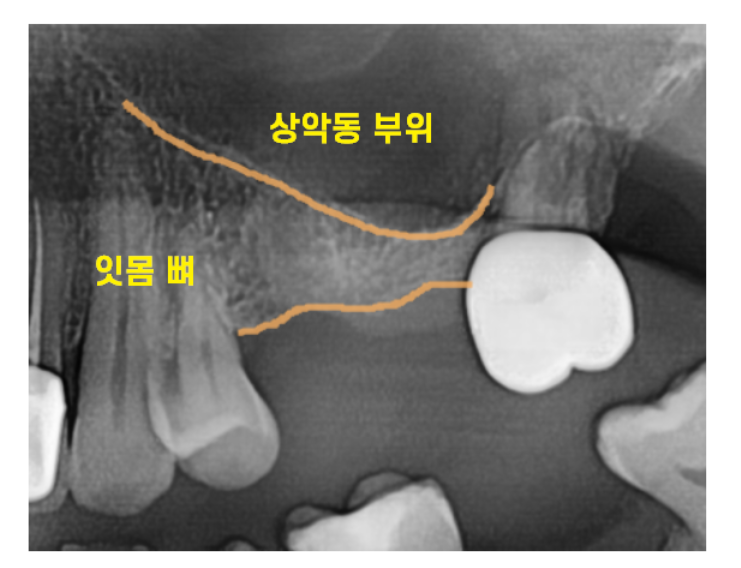
The issue is that this area
is thinly connected to the mucous membrane inside the nose.
The sinus membrane is extremely thin—
about the same as the thin transparent membrane you find when eating a boiled egg.
Because of this, the sinus membrane may be perforated during surgery,
which is why this is one of the high-difficulty procedures
that requires intense concentration during the operation.
Why Do Nosebleeds Occur After Sinus Surgery?
First, during the process of lifting the sinus bone
to place the implant,
the mucosa may be slightly damaged.
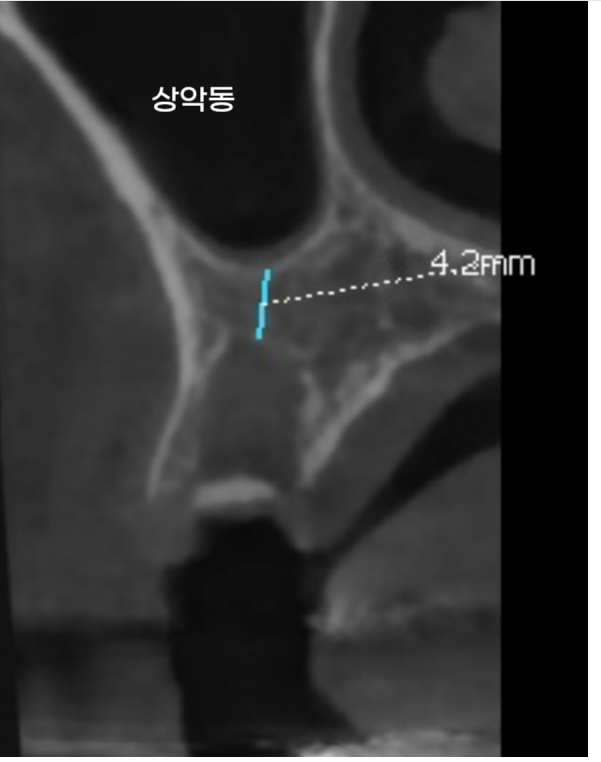 250711 Cases where sinus lift surgery is needed due to insufficient bone height
Because this area connects to the inside of the nose,
even a small amount of bleeding within the bone can seep into the nose.
If you have ever done a nasal rinse,
you probably know that even though disinfectant solution is injected through the nose,
it comes out through the mouth.
Even if they seem like different areas,
they are connected internally.
Do you understand a little better why nosebleeds happen???
Next...
nosebleeds can occur due to a ruptured blood vessel.
A small blood vessel may rupture during surgery,
or if post-operative precautions are not followed,
pressure inside the sinus may increase, causing bleeding.
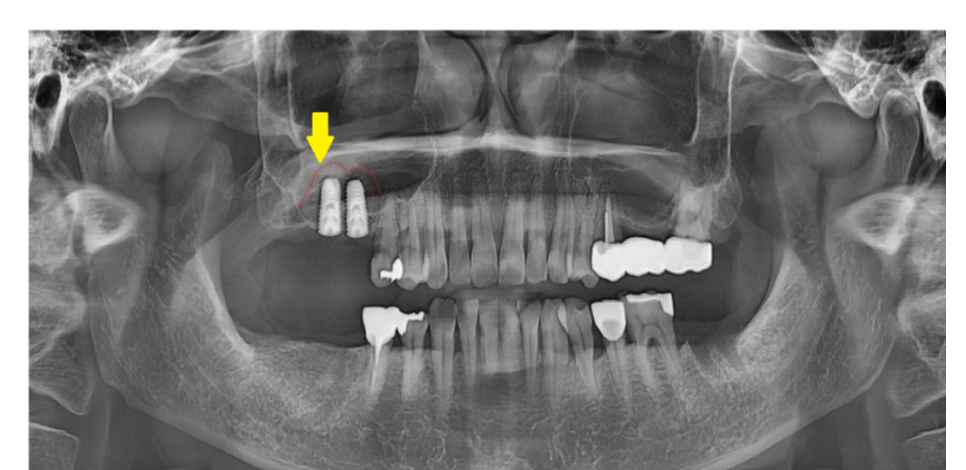 240521 Elevated sinus
Precautions After Sinus Surgery (Please Read!)
If you do not follow the precautions we explained to you,
a nosebleed may occur.
In addition to the basic post-surgery precautions,
these are the things you should follow after sinus lift surgery.
For basic precautions after implant surgery,
please refer to the post below.
First of all,
blowing your nose forcefully.
If you blow too hard, the pressure inside the nose increases,
raising the risk of bleeding.
It may also cause the sinus membrane to perforate.
 Sangil-dong Station Dental Clinic
If...
you get a nosebleed after surgery..?
Gently...
you should wipe it with your hand.
Blowing your nose is prohibited.
When you sneeze, you should do so with your mouth open.
Also, bending your head downward is forbidden.
While cleaning the floor
or washing your hair,
if you bend your head down,
the pressure inside the nose increases,
which can cause a nosebleed after sinus surgery.
Conversely, sleeping with your head elevated
helps prevent swelling and bleeding!!!
Even people who have never had a nosebleed in their lives
may experience one after sinus surgery during implant treatment.
The symptoms above are temporary and improve over time, but...
In some cases, medication may be needed,
and follow-up care may be required,
so you should contact the dental clinic.
The important thing is not to panic if you get a nosebleed.
Staying calm is important,
but the best thing is to ask a professional, right?
02-481-4278
If you have any questions,
please feel free to contact us anytime!
We will always do our best for your healthy and safe recovery.
Thank you.
Sangil-dong Station Dental Clinic: How to Handle a Nosebleed After Sinus Surgery!
#Sangil-dongStationDentalClinic #SinusSurgery #NosebleedAfterSinusSurgery