Hello,
I am Lee Juri, head doctor at Seoul Bardi Dental Clinic.
Orthodontic treatment
works by applying force to the tooth roots to move the teeth.
However, many people worry about tooth movement.
After starting orthodontic treatment, one month, two months...
Even though the appliance has clearly been attached, it can feel like the teeth have not moved at all.
You may have felt anxious, wondering, “Am I the only one?”
The way teeth move varies from person to person.
Some people see a big change in just three months,
while others may not seem to have much change even after six months.
Why does that difference happen?
Today, I will explain why tooth movement speed differs
from three perspectives.
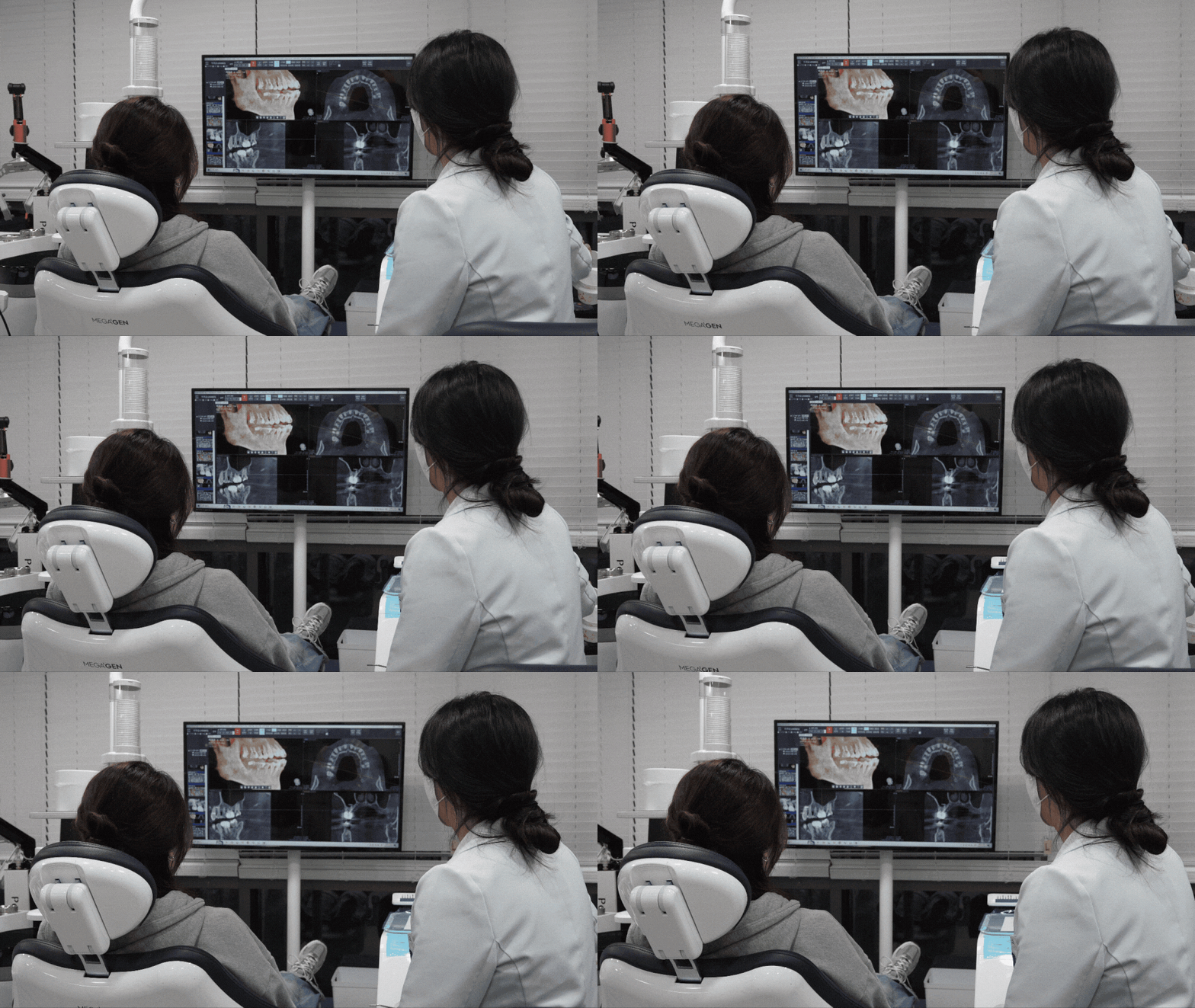
<Table of Contents>
| What is the principle of tooth movement? |
|---|
| 2. Three common reasons why tooth movement is slow |
What is the principle of tooth movement??
Isn’t it fascinating?
How crooked teeth can move.
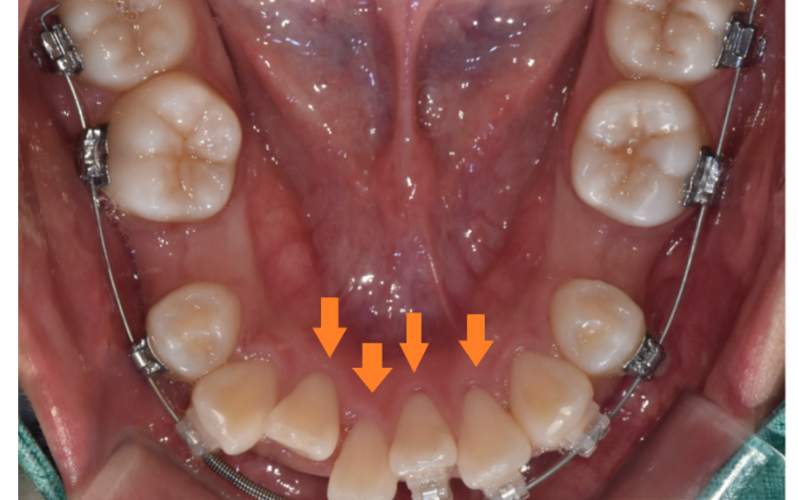
250509
This is how tooth movement works.
When a certain amount of force is applied to a tooth,
bone cells dissolve and rebuild bone,
which moves the tooth.
For this reason, patients usually visit the clinic once every 4–6 weeks.
Because this is a biological treatment that uses cellular activity,
orthodontic treatment inevitably takes some time.
That also means that during the growth period, when cellular activity is high,
the treatment period can be shortened.
Three common reasons why tooth movement is slow
First, age
It is a sad reality, but
being middle-aged does not mean orthodontic treatment is impossible.
However, compared with adolescence, when cellular activity is high,
adults whose growth has finished often need a somewhat longer treatment period.
There is a reason many people get orthodontic treatment while they are students.
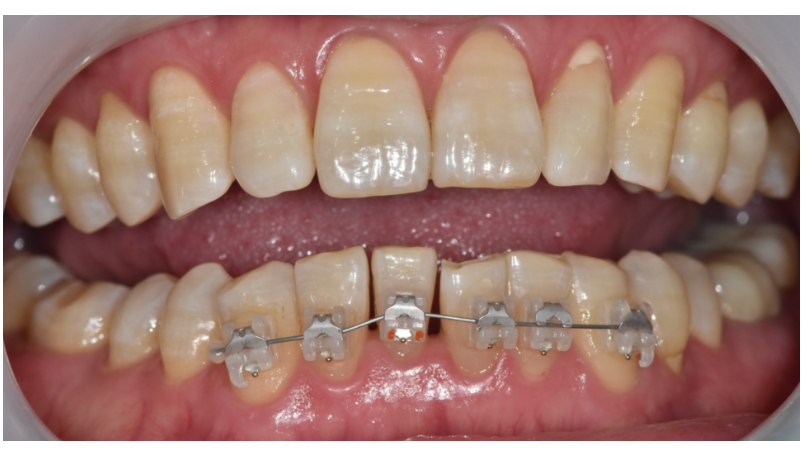
250328 Orthodontic treatment for a person in their 60s
The younger you are, the more active bone metabolism is,
so tooth movement is faster.
The remodeling is also more noticeable.
But as you get older,
the bones become harder,
the recovery speed slows down,
and the orthodontic response may also become slower.
That is why treatment periods are often longer in adulthood.
Thanks to advances in technology,
treatment has improved a lot compared with the early days of orthodontics,
but
age difference is still a factor that cannot be ignored.
Second, the type of appliance
https://blog.naver.com/implant_master/223928000192
Not long ago, I explained self-ligating brackets.
Self-ligating brackets
have less friction, so tooth movement tends to be faster.
The old method of tying wire around metal brackets to apply force
can lose more force and therefore be slower.
Also, clear aligners are popular these days, right?
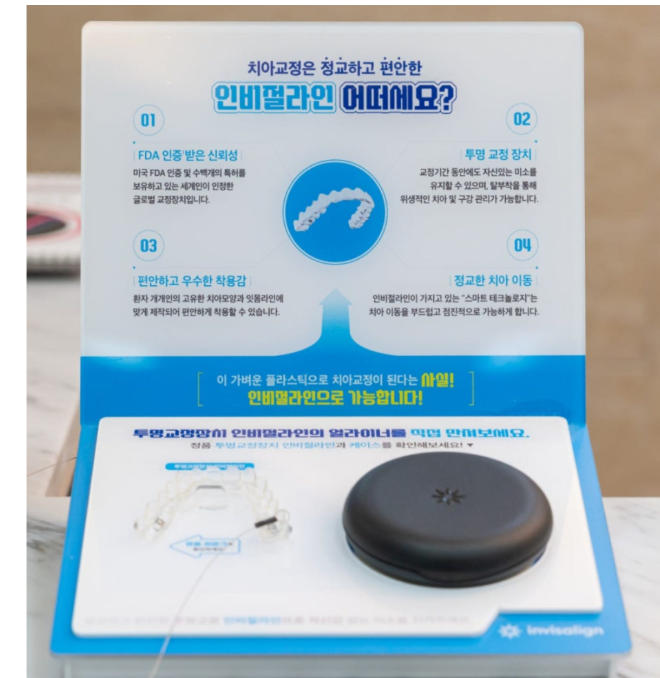
Clear aligners are aesthetic
and have the advantage of being removable,
but
if they are not worn for more than 20 hours a day,
the teeth will not move.
If the teeth do not move,
you cannot move on to the next set of appliances,
so the treatment period can end up stagnating indefinitely.
The patient’s commitment
determines the speed of tooth movement.
- Hypo Face
Weak facial muscles
This may be unfamiliar to you.
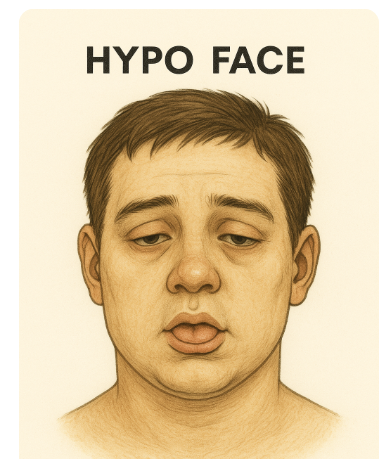
This is a term commonly used in dental clinics.
It refers to a face shape in which the muscles around the mouth, chewing muscles, and facial expression muscles are weak.
For these patients,
the pressure applied to the teeth itself is weak,
and the support from the oral muscles is also low,
so the response to orthodontic force may be slower.
To explain simply,
it means those muscles are weak because they are not used as much.
In particular, if someone has few facial expressions,
speaks very little,
or has a lifestyle habit of weak chewing force,
it can affect the speed of tooth movement.
I have explained these three causes.
In addition to these...
other factors that affect tooth movement speed include...
Alveolar bone density.
In the case of men with hard bones,
the teeth are tightly attached to the bone, so movement is slower.
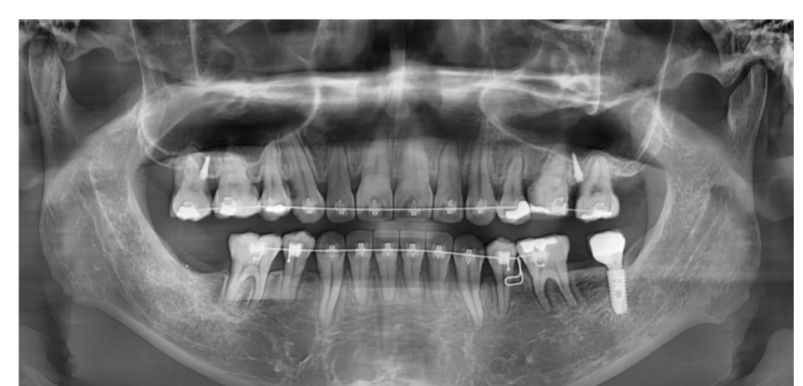
250116 The length of the tooth root also affects movement speed.
Also, if the tooth roots are short,
there is a high risk of root resorption during orthodontic treatment.
Because of this, the orthodontic force must be kept weak
or the speed must be slowed down so that treatment can proceed safely.
There are so many things that affect tooth movement speed.
The important point is...
safety rather than speed.
Don't worry just because tooth movement is slow.
Teeth move at different speeds for each person.
Just as children all start walking at different times,
parents watch each child’s growth at their own pace.
Likewise, at the Godeok-dong orthodontic clinic,
the speed of tooth movement is adjusted accordingly.
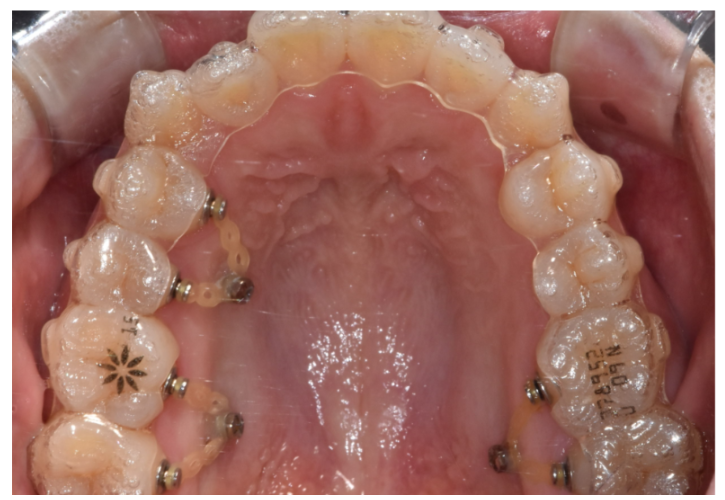
230617 Auxiliary devices such as rubber bands and mini-screws
If necessary, we respond with additional examinations
or by attaching auxiliary devices.
If you are worried because the movement seems slow,
please consult the doctor in charge of your orthodontic treatment!
It is best to identify the cause accurately
and proceed with efficient orthodontic treatment.
Treatment that matches the patient’s pace is best.
Thank you!
Godeok-dong Orthodontics: Why Is Tooth Movement So Slow?
#GodeokdongOrthodontics #ToothMovementSpeed