Can I take a plane after a tooth extraction? Dental knowledge patients should know before traveling
Hello,
I’m Dr. Lee Juri, the chief director of Seoul Bardi Dental Clinic.
This year’s summer has been especially hot.
It seems many people are taking short breaks to get away from the heat.
I ended up writing this post after receiving the same question from three people in a row today.
It’s about whether you can or cannot take a plane after wisdom tooth extraction or implant surgery.
I’ll explain in detail why flying after an extraction can be concerning, and when it is safe.
<Table of Contents>
| Reasons you should not take a plane after a tooth extraction |
|---|
| 2. When is a good time for surgery? |
Reasons you should not take a plane after a tooth extraction
Actually, this does not only apply to extractions.
It also applies to common precautions for people who have had implant surgery or any procedure that causes bleeding.
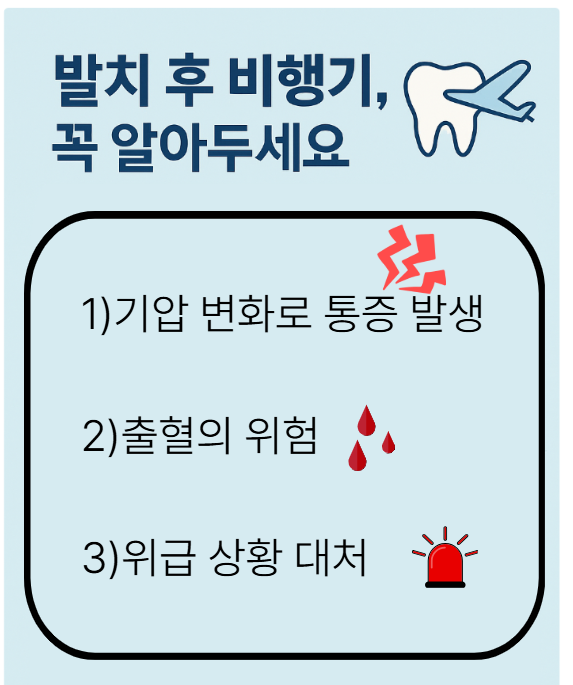
The first reason is pressure changes.
You’ve probably experienced your ears feeling blocked on a plane, right?
That is caused by changes in air pressure.
As you move from the ground into the sky,
there is a difference in pressure.
In particular, the upper molar area is close to the maxillary sinus beside the nose, so it is sensitive to pressure changes.
When you press down on a balloon filled with air,
it sinks inward and the air inside moves.
Due to changes in air pressure, pain at the extraction site can worsen,
and the wound area may throb.
The second risk is bleeding.
Right after a tooth extraction, even if bleeding has stopped,
the wound is still present and unstable.
It takes 1–2 weeks for the gums to heal completely.
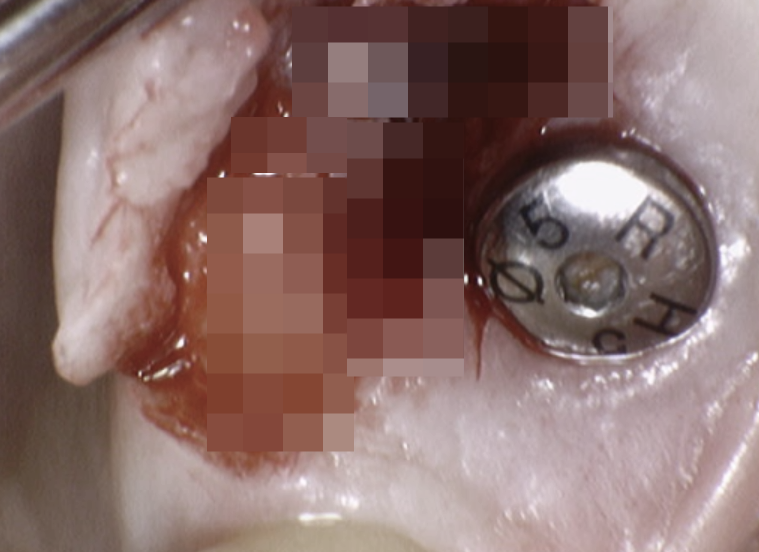 250515 Gums in a separated state
The inside of an airplane is dry,
and blood circulation is not smooth.
That is why your legs swell during long flights, right?
Bleeding that had stopped may start again.
Also, stitches can tear.
It is not that flying itself causes the stitches to tear,
but bleeding and swelling of the gum area can lead to the sutured area opening.
Third, it is difficult to deal with emergencies.
If you are in Korea, such as on Jeju Island, it is at least somewhat manageable,
but especially overseas, visiting a dental clinic may be difficult.
Even after getting off the plane,
if bleeding or pain occurs,
it can ruin an enjoyable trip,
so it is better to travel after healing safely.
- When is a good time for surgery?
When is it safe?
It is safest after a tooth extraction or implant surgery,
and after the stitches are removed.
If possible, after 5–7 days.
I do not recommend going straight to the airport after a tooth extraction.

If you absolutely have to take a plane,
after at least 3 days would be better.
After consulting with the clinic,
postponing treatment that may cause bleeding is also an option.
It is important to balance your schedule and treatment, such as having the extraction done after you return from your trip!
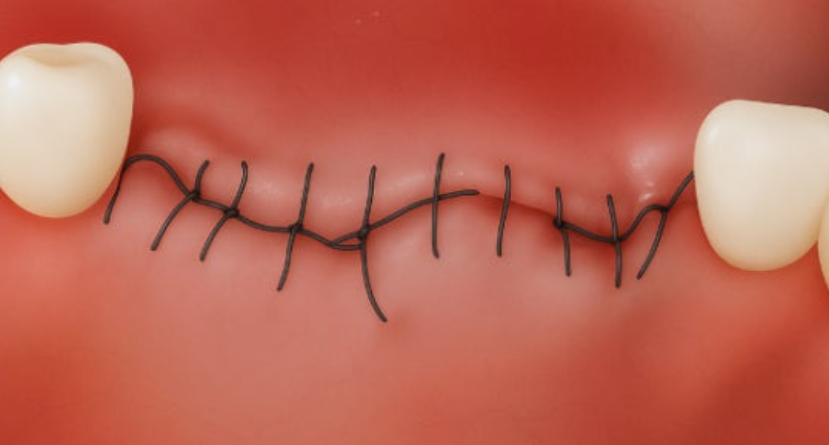 Sutures are necessary for the gums to heal properly.
I hope you receive treatment comfortably,
and travel safely.
If you rush to board without enough recovery time,
pain, bleeding, and swelling can become severe enough to make travel or even a business trip difficult.
If you already have travel or vacation plans,
it is best to adjust the timing of the extraction in advance.
Anything done in a hurry can cause trouble.
If you rush, unnecessary problems can arise.
If you have any additional questions, please leave them in the "comments."
I want to help patients balance their schedules and treatment. ^^
Thank you.
Can I take a plane after a tooth extraction? Dental knowledge patients should know before traveling
#toothextractionandflight