Hello,
I’m Lee Ju-ri, the chief director of Seoul Bardi Dental Clinic.
There have been several times when I mentioned that if a molar is extracted and left untreated for a long time,
the surrounding teeth may tilt.
This situation is more common than you might think.
When teeth are left untreated for a long period of time,
there may not be enough space to place an implant.
If there is not enough space, treatment with implants alone becomes difficult.
Bridge treatment is also an option for restoring teeth, but without damaging your own teeth,
I’ll introduce a way to restore teeth to their original state.
Today’s post is about implant treatment after orthodontic treatment.
<Table of Contents>
| Orthodontic and implant combined treatment is done in these cases. |
|---|
| 2. What are the advantages and disadvantages of combined treatment? |
Combined orthodontic and implant treatment used when there is not enough space for an implant
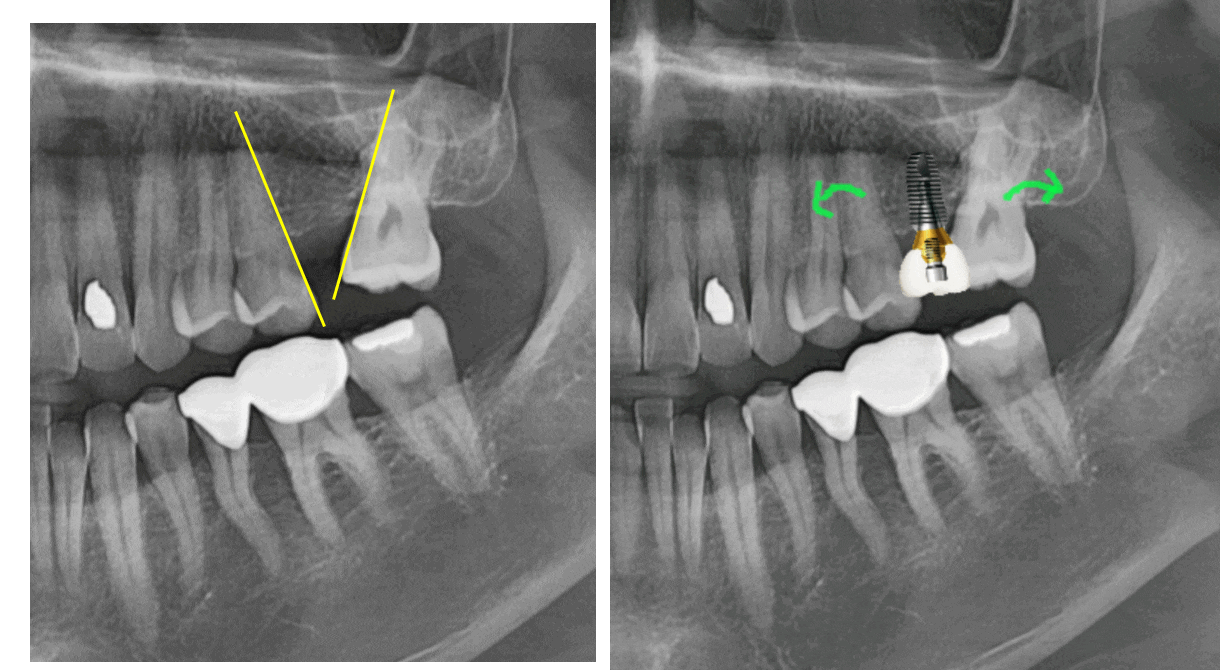
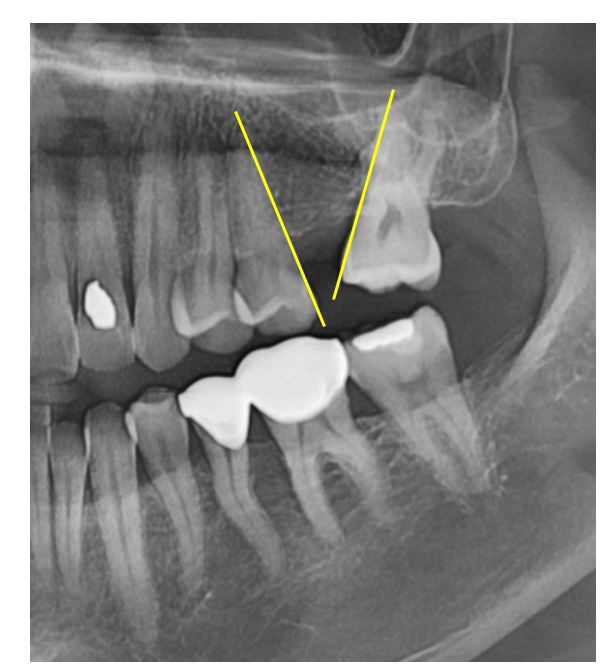
A tooth was lost,
and the teeth on both sides moved,
leaving insufficient space.
 250805
At another clinic, they were told that the space was too narrow for an implant,
and that they should just keep using it as it is.
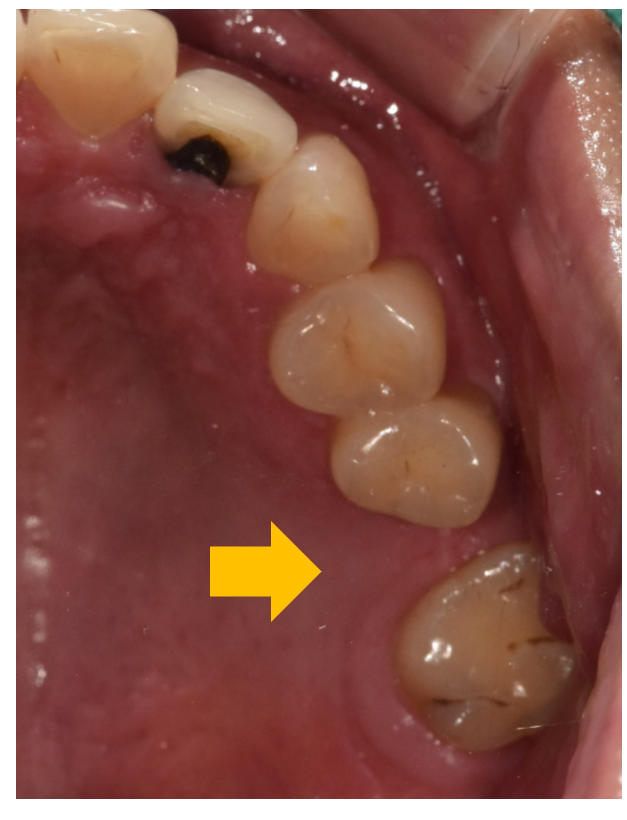 250805
In fact, there is almost no space.
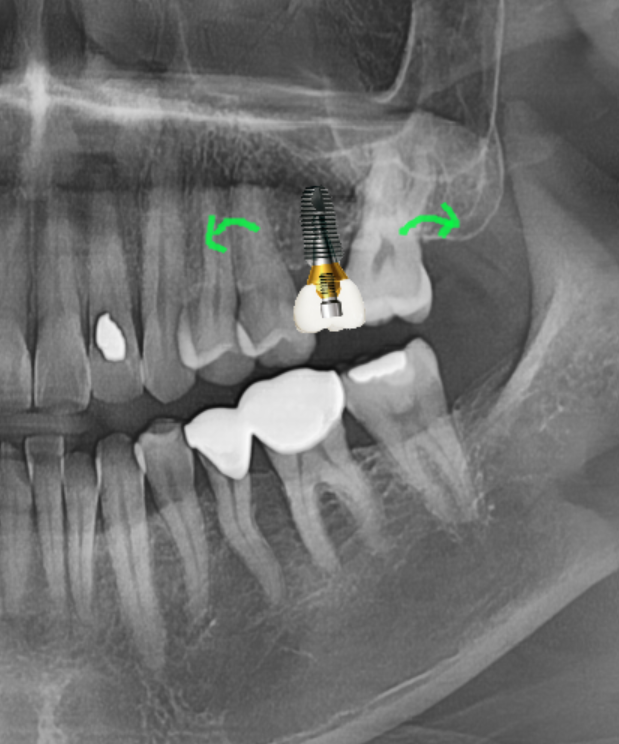
A way to restore the missing tooth while making use of your own teeth is orthodontic treatment.
Using orthodontic force,
we straighten the tilted tooth to secure space,
and then place an implant in the secured space.
This is a partial orthodontic treatment performed as preparation for an implant.
 250805 Predicted result
This is one of the good points of implants after orthodontic treatment for tilted teeth.
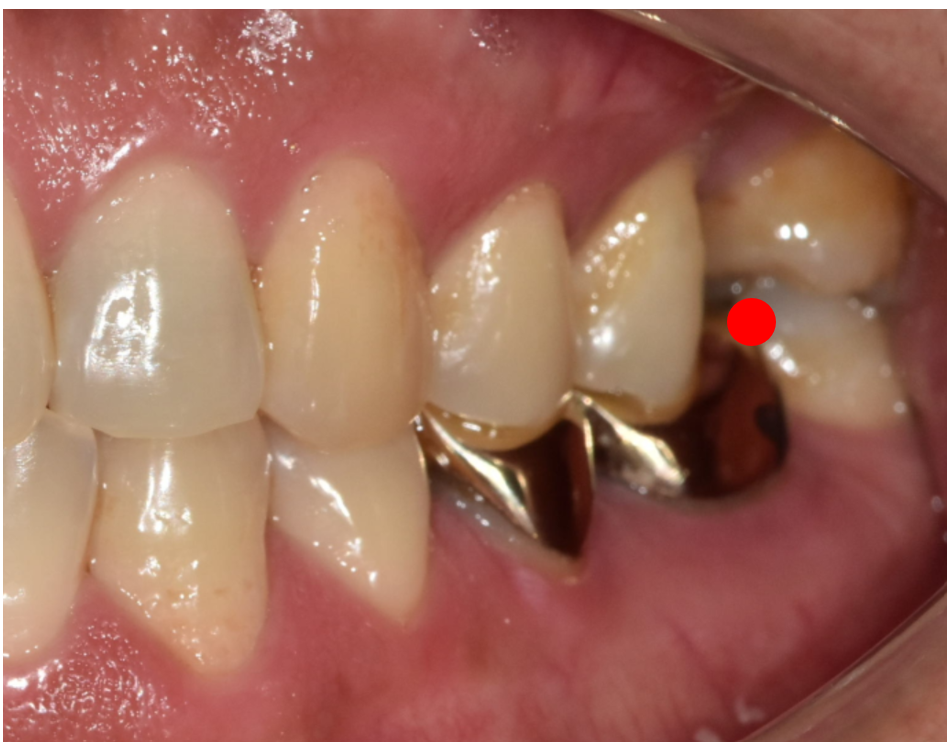 250805 Area where the bite does not come together
Even though a tooth was lost,
because other areas were still able to handle eating,
this patient may not have felt much discomfort.
Living as-is is one option, but
because it can shorten the lifespan of the surrounding teeth,
moving the adjacent teeth and placing an implant in the missing area is the best approach.
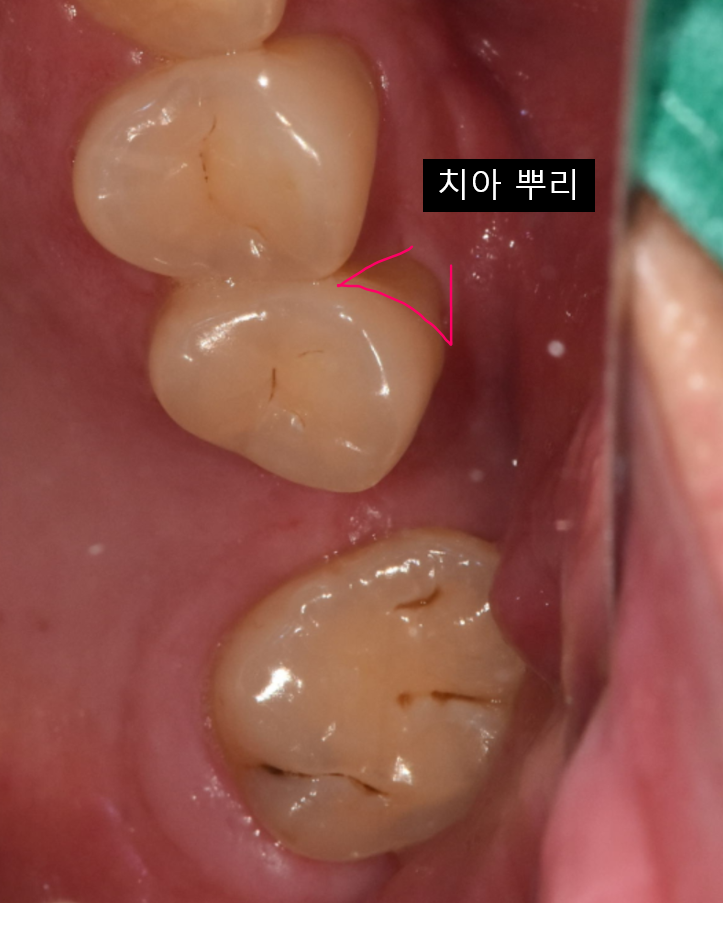 250805
As the tooth tilts, the root becomes exposed.
The gums also recede,
and the jawbone is resorbed,
which can also cause tooth sensitivity.
As time passes, the problem gets worse.
This can lead to early extraction.
If only one implant is needed now,
in the future, even the tilted teeth may need to be extracted
and treated together.
As a result,
neither your own teeth nor implants can be used easily, and implant treatment becomes more complicated.
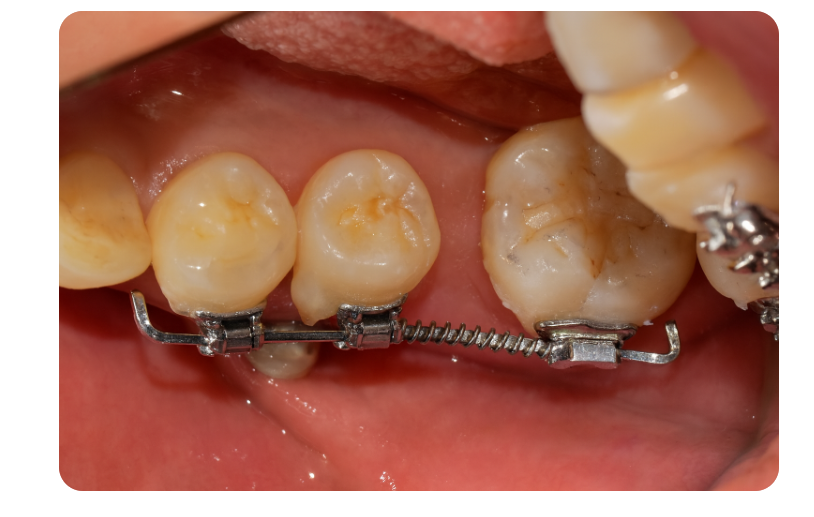 A view of securing space through orthodontics
Without extracting the tilted tooth,
there is a major advantage in restoring and preserving the natural tooth by straightening it again with orthodontics.
The implant is placed in the correct position.
(There is no need to force it into a smaller size.)
Once treatment is complete, the bite becomes stable,
and there is also the advantage of maintaining gum and tooth health for longer.
But I should mention the disadvantages too, right?
Treatment takes longer.
The process of straightening teeth with orthodontics
takes longer than implant treatment alone.
Because orthodontics and implants are performed together,
the initial cost burden can also increase.
The choice you make now can change the next 10 or 20 years.
Because orthodontics and implants involve two treatments, the treatment takes time and costs money, but...
short-term burden,
long-term savings.
That’s how I would put it.
In the long term, it reduces the risk of retreatment
and is the most reasonable way to preserve your own teeth.
Thank you!
 Implants After Orthodontic Treatment for Tilted Teeth Are Good in Cases Like This!
#ImplantsAfterOrthodonticTreatmentForTiltedTeeth