Hello,
I’m Dr. Ju-ri Lee, head doctor at Seoul Vard Dental Clinic.
The part that patients worry about most after finishing orthodontic treatment
is probably the possibility of going back to how things were before.
There is a malocclusion for which post-treatment maintenance is much more important
than the treatment itself.
That is open bite.
If habit correction is not done,
relapse is likely to happen.
Let’s talk about open bite, which is closely related
to tongue habits.
<Table of Contents>
| Relationship Between Open Bite and Tongue Thrusting |
|---|
| 2. Ways to Prevent Relapse |
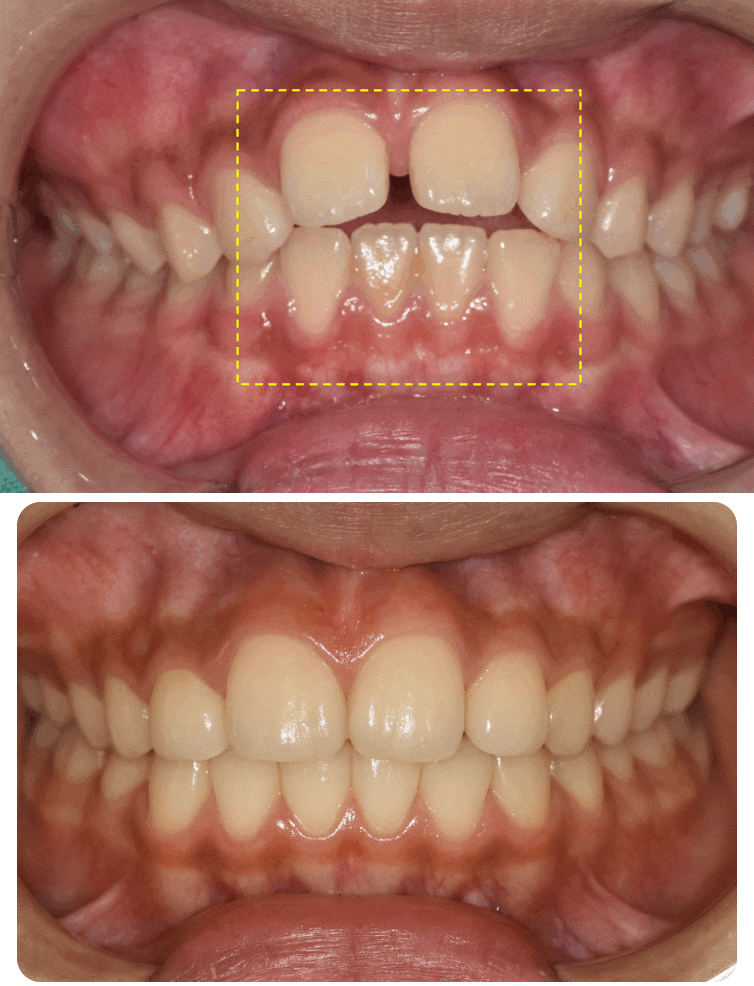
What is open bite?
In the past, I wrote a post
about open bite.
 250416
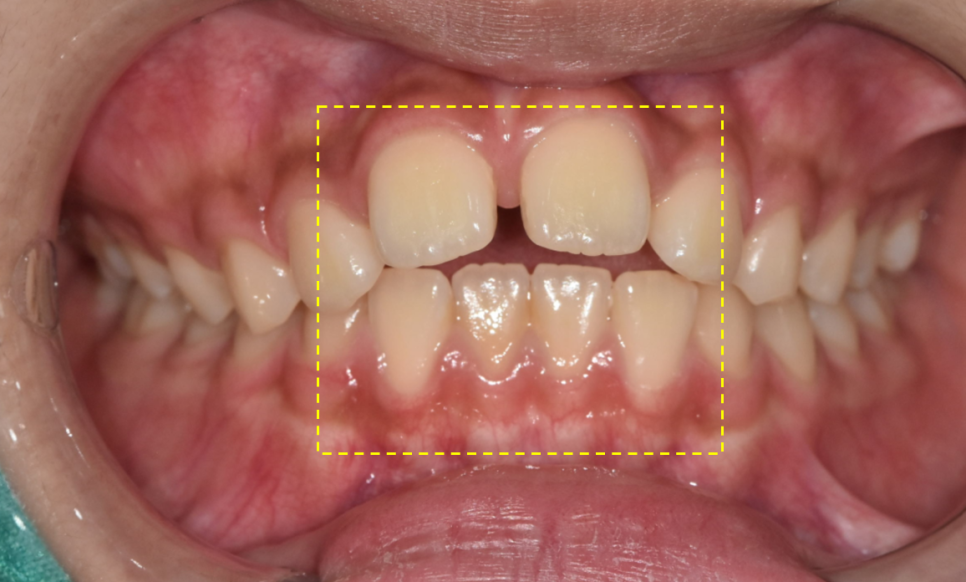
It refers to a condition in which the upper and lower front teeth do not meet and remain open.
It is difficult to bite through food with the front teeth,
and it also causes aesthetic dissatisfaction,
so many people visit for consultations.
Open bite is not only a problem of tooth alignment,
but often involves the position of the tongue and functional habits as well.
 250416
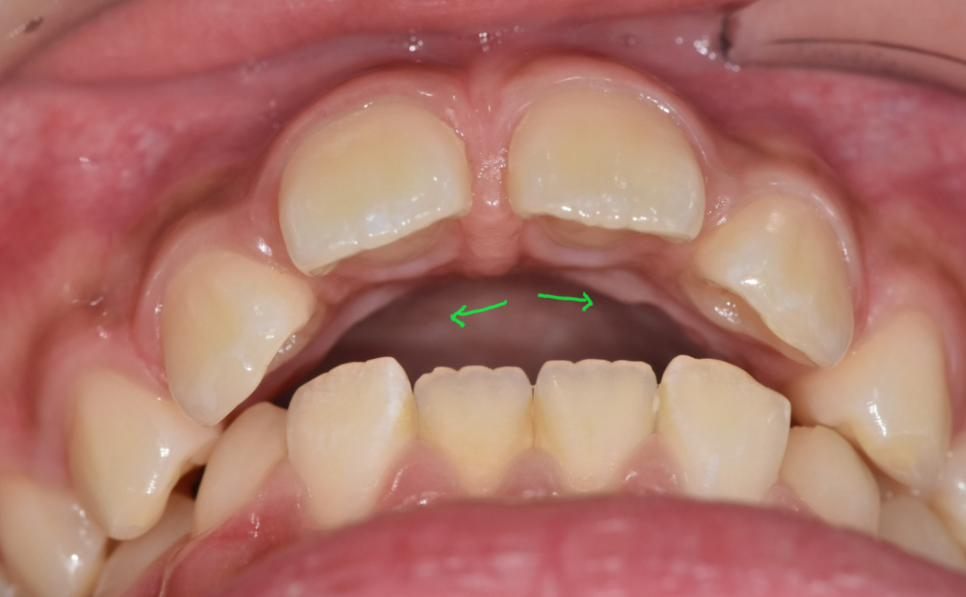
Tongue thrusting that exerts continuous pressure
You may wonder, what does the tongue have to do with tooth alignment?
People swallow thousands of times a day.
But if the tongue comes between the front teeth every time you swallow,
then the front teeth that were brought together through orthodontic treatment will inevitably open again.
If the tongue is not in the correct position
and there is a wrong tongue-thrusting habit,
relapse becomes very easy even after orthodontic treatment ends.
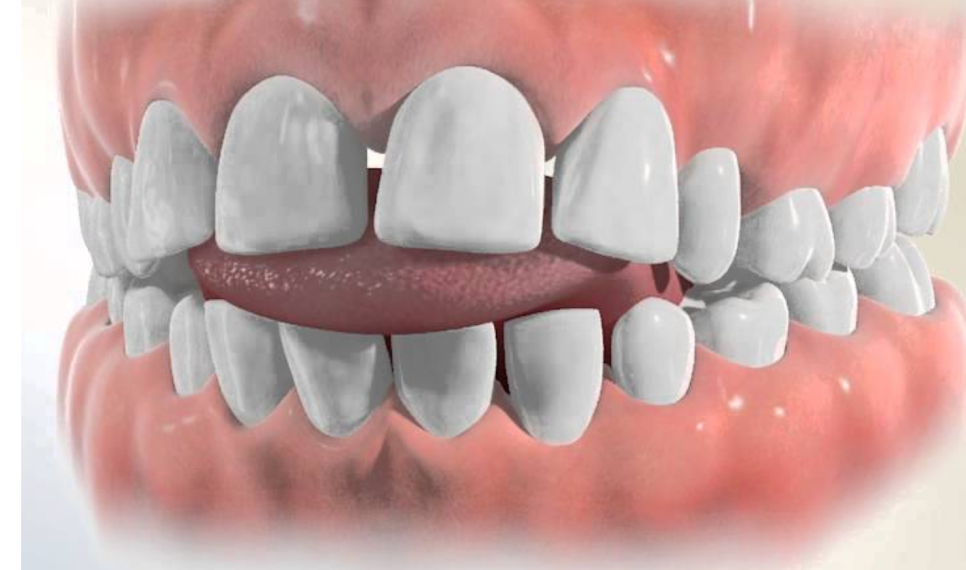 Why front teeth open again
Even after carefully aligning the teeth,
if a bad habit is repeated every day
and the tongue keeps pushing the front teeth,
the teeth will open again.
The tongue’s force is stronger than you might think.
In other words, the key cause of open bite relapse is tongue habits.
To prevent relapse, both tongue position and function must be corrected as well.
How to prevent open bite relapse
During orthodontic treatment, various appliances are used.
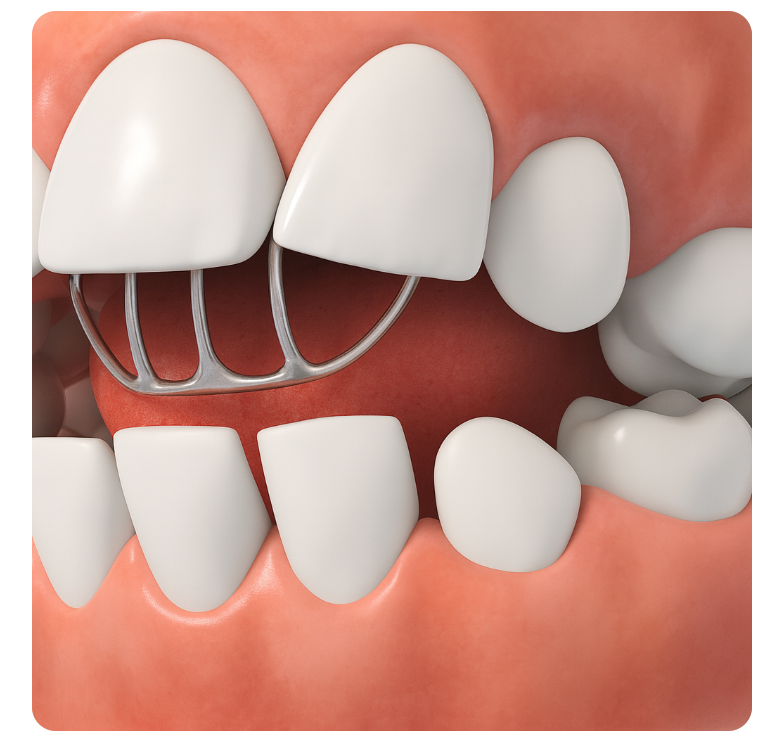 An appliance that prevents the tongue from moving forward
A representative example is an appliance called a lingual spur,
which blocks the tongue from moving forward.
However, after treatment ends, the appliance is removed,
and if the tongue habit remains the same, the bite can open again.
That is why, for open bite patients, maintenance is a bigger challenge than treatment.
At this stage, orthodontic training is necessary.
It involves training the tongue to rest in the correct position.
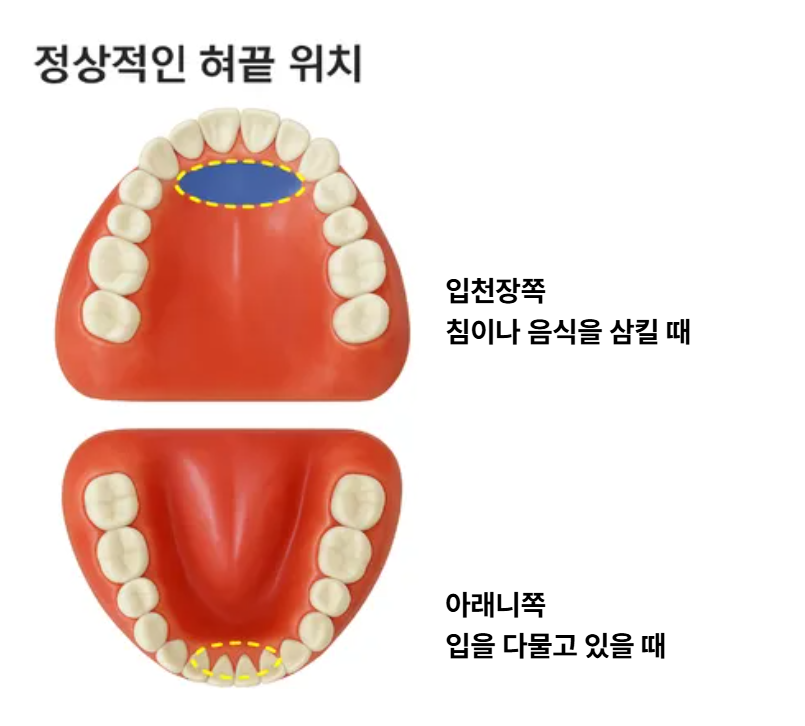
Repeatedly practicing swallowing with the tip of the tongue placed behind the upper front teeth
Bad habits must be corrected.
The retainer worn after orthodontic treatment
is also chosen to have a tongue-blocking function.
Above all, because people tend to return to a comfortable state again and again,
regular checkups are needed to retrain the patient and make sure
bad habits have not returned.
Open bite relapse is not something that can be solved by braces alone
Even after treatment, habit correction and
maintenance are absolutely necessary.
From now on, the wisest approach is to know the management methods accurately and prepare in advance.
I hope today’s post was helpful as well.
If you have any additional concerns about open bite,
please leave a comment.
Thank you!
 Because maintaining open bite is harder than treating relapse, correcting tongue habits is key.
#OpenBiteRelapse #OpenBiteOrthodontics #OpenBiteTreatment #OpenBiteTongue