Hello!
I am the director of Seoul Vardi Dental Clinic.
▼ Check the Dental Clinic Location ▼
| This post was written directly by Seoul Vardi Dental Clinic for the purpose of providing medical information, in compliance with Article 56, Paragraph 1 of the Medical Service Act. The information provided is intended for reference only. Please visit a medical institution and receive guidance from a medical professional for symptom assessment and accurate management methods. All procedures/surgeries performed at the dental clinic may involve risks depending on the individual, such as inflammation, bleeding, and swelling. Please make your decision after having a sufficient consultation with a medical professional. The treatment cases shown in this post were photographed with the consent of patients who completed treatment at our clinic, and the before-and-after photos were taken under the same conditions. |
| Directions |
"If you want orthodontic treatment,
you need to have four healthy teeth extracted."
Four perfectly healthy teeth—
and not just one, but four.
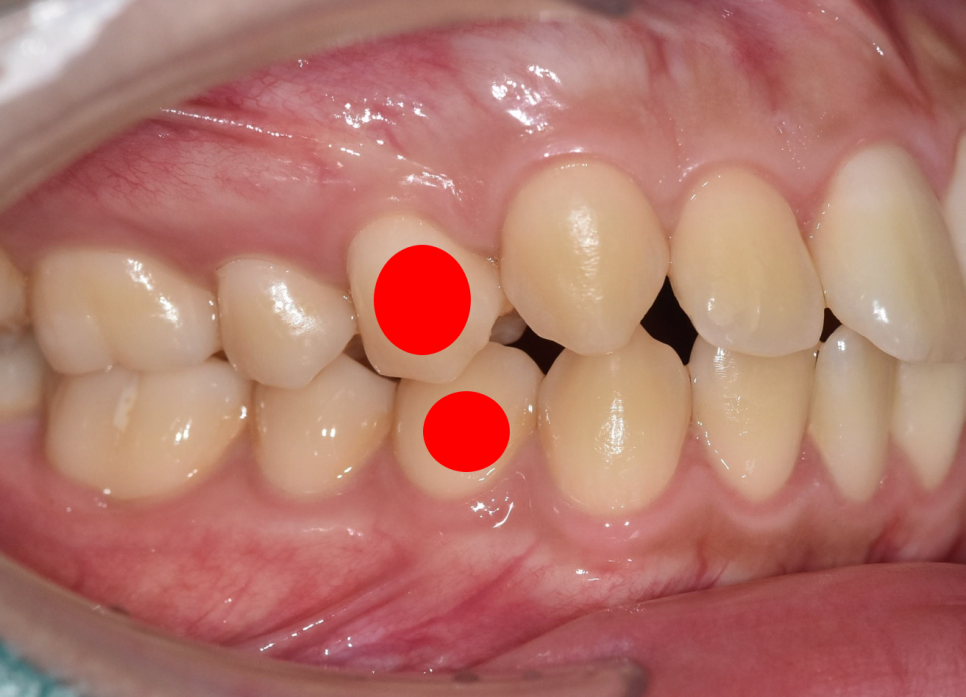
When you hear something like this,
you may become so afraid
that you put off orthodontic treatment,
or even the thought of it altogether.
Honestly,
there are certainly cases
where extraction is essential
for orthodontic treatment.
However, there are also cases
that can be resolved
without extraction.
Today,
I will explain
why teeth are extracted
when undergoing orthodontic treatment
and how the decision
whether to extract is made.
The order is as follows.
| 1. Why teeth are extracted during orthodontic treatment 2. Cases where extraction is essential vs. cases possible without extraction 3. If extraction is necessary, which teeth are extracted? |
| Chapter 1. Why Are Teeth Extracted During Orthodontic Treatment? |
You need to understand this first
to understand the rest.
Orthodontic treatment
is treatment that "moves"
teeth into alignment.
For that to happen,
there must be space for the teeth to move into.
But if the jaw (dental arch) is narrow
or there is not enough space
for the teeth,
there is nowhere to move them.
That is when teeth are extracted
to create space.
Therefore, the first question should not be,
"Do I absolutely have to have teeth extracted?"
but rather,
"Is there enough space?"
You need to look at it
in this order
for the answer to become clear.
| Chapter 2. Cases Where Extraction Is Necessary |
Honestly,
there are cases where extraction is the right answer.
If you insist on treating these cases
without extraction,
you may not achieve a satisfactory result.
Typical examples include:
When the teeth are so severely irregular
that a significant amount of space is needed.
When the protrusion is severe
(the front teeth extend significantly forward)
and the front teeth need to be moved substantially backward.
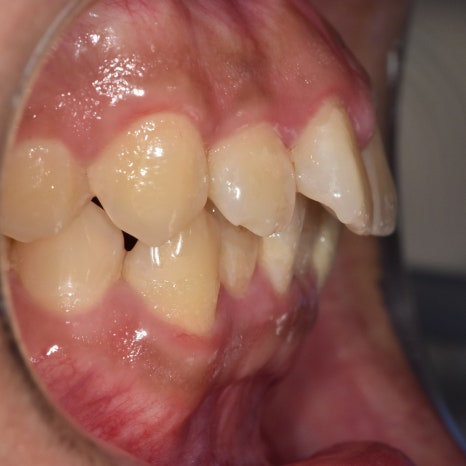
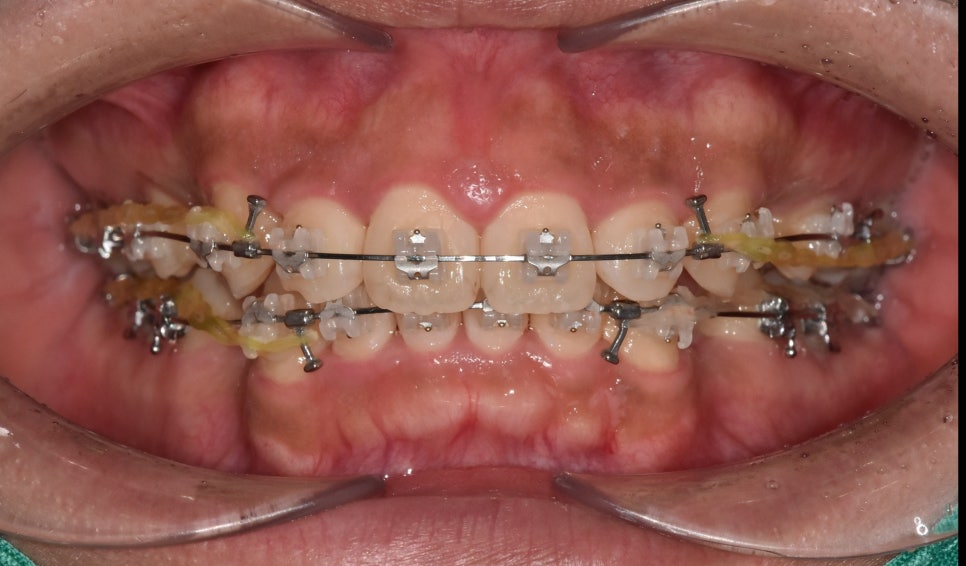
When there is severe crowding from crooked teeth,
or when protrusion and crooked teeth occur together.
Especially when protrusion is severe,
if sufficient space cannot be secured,
the front teeth cannot be moved backward.
If extraction is forcibly avoided
in a case like this,
the teeth may become upright,
but the protruding appearance of the mouth
will remain unchanged.
| Chapter 2. Cases Possible Without Extraction |
Conversely, these days,
there are many more cases
that can be treated successfully
without extraction.
Cases that would have been extracted
without question in the past
can sometimes be completed satisfactorily
without extraction.
These include:
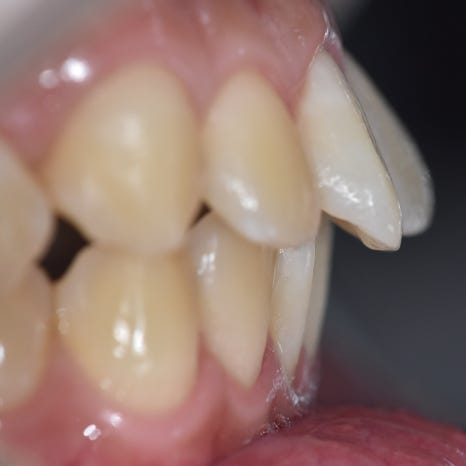
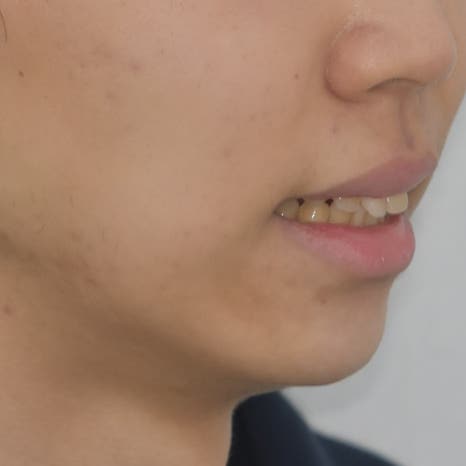
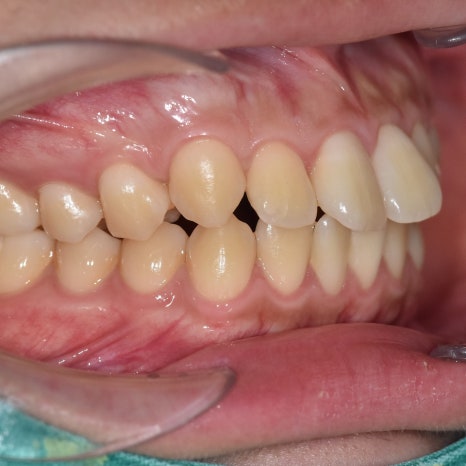
When there is remaining space behind the jawbone
for the molars to be moved backward.
When the distance the teeth need to move is short.
When the protrusion is caused not by the bone,
but by the angle of the teeth.
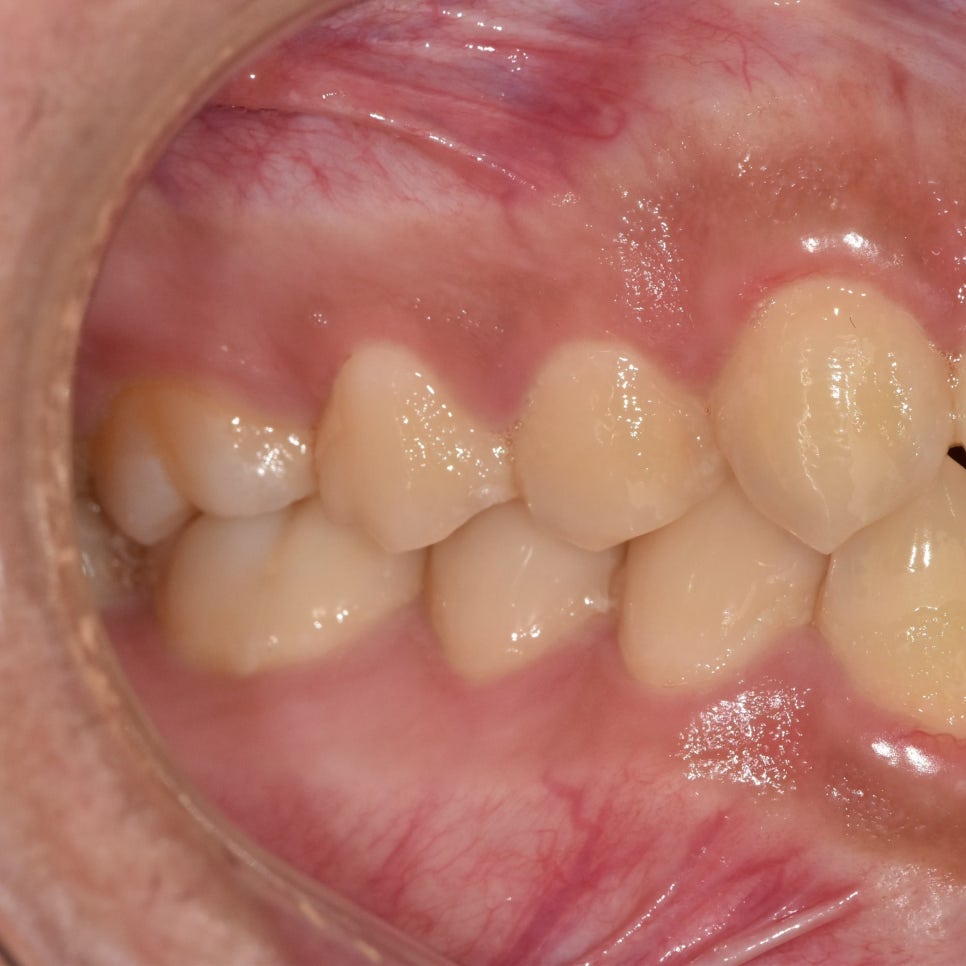
Even when there is not enough space,
there are cases where treatment can proceed
without extracting teeth.
For example, space can be created
by moving the molars backward
or by gently reducing the sides of the teeth
(interproximal reduction).
Protrusion does not automatically mean extraction—
that is an outdated assumption.
The decision is made
through an accurate diagnosis.
| Chapter 3. If Extraction Is Necessary, Which Teeth Are Extracted? |
Even if it is determined
that extraction is necessary,
it does not mean that just any tooth is removed.
Usually, premolars are extracted.
These teeth play a relatively minor role
in chewing function,
so extracting them for orthodontic treatment
generally does not cause major problems
with chewing force or appearance.
So rather than being vaguely frightened
by the phrase "extracting healthy teeth,"
it is important to clearly understand
which teeth will be extracted and why.
If the reason is explained clearly,
that extraction is based on a rationale.
Let me summarize.
| Signs That Extraction May Be Necessary When the teeth are severely irregular and a large amount of space is needed When protrusion is severe and the front teeth need to be moved significantly backward Severe crowding from crooked teeth / protrusion accompanied by crooked teeth When the dental arch is narrow and there is no room to move the teeth |
"You must have extractions no matter what"
and
"You should never have extractions"
are both potentially risky positions.
You do not have to choose our clinic in particular.
However, please remember one thing.
Orthodontic treatment is 80% diagnosis.
Once a tooth has been extracted,
it cannot be put back.
If anything is unclear during the consultation process,
you can visit several other clinics
and then make your decision.