Hello!
I am the director of Seoul Bardi Dental Clinic.
▼ Check the clinic location ▼
| This post was written directly by Seoul Bardi Dental Clinic for the purpose of providing medical information, in compliance with Article 56, Paragraph 1 of the Medical Service Act. We recommend using the information provided for reference only. For an assessment of your symptoms and accurate care instructions, please visit a medical institution and consult a medical professional. All procedures and surgeries performed at a dental clinic may involve individual risks, such as inflammation, bleeding, and swelling. Please make your decision after having a thorough consultation with a medical professional. The treatment cases shown in this post were photographed with the consent of patients who completed treatment at our clinic, and the before-and-after photos were taken under identical conditions. |
Have you ever covered your smile
while taking a selfie?
When you have an important event coming up,
such as a wedding or a meeting with your future in-laws,
you tend to pay particular attention to the color of your teeth.
When that happens,
what do we do first?
We search online, right?
Whitening strips that appear on Instagram,
whitening toothpaste from Olive Young,
and even LED kits—
They say you can do it at home for around 30,000 won,
so you may wonder whether you really need to visit a dental clinic.
To give you the conclusion first,
at-home DIY whitening can also be effective.
However, the concentration,
effectiveness,
and duration of results
vary from product to product.
I will compare them one by one today.
| Chapter 1. Why Do Teeth Turn Yellow? |
To understand whitening,
we first need to know why teeth look yellow.
Teeth are made up of several layers.
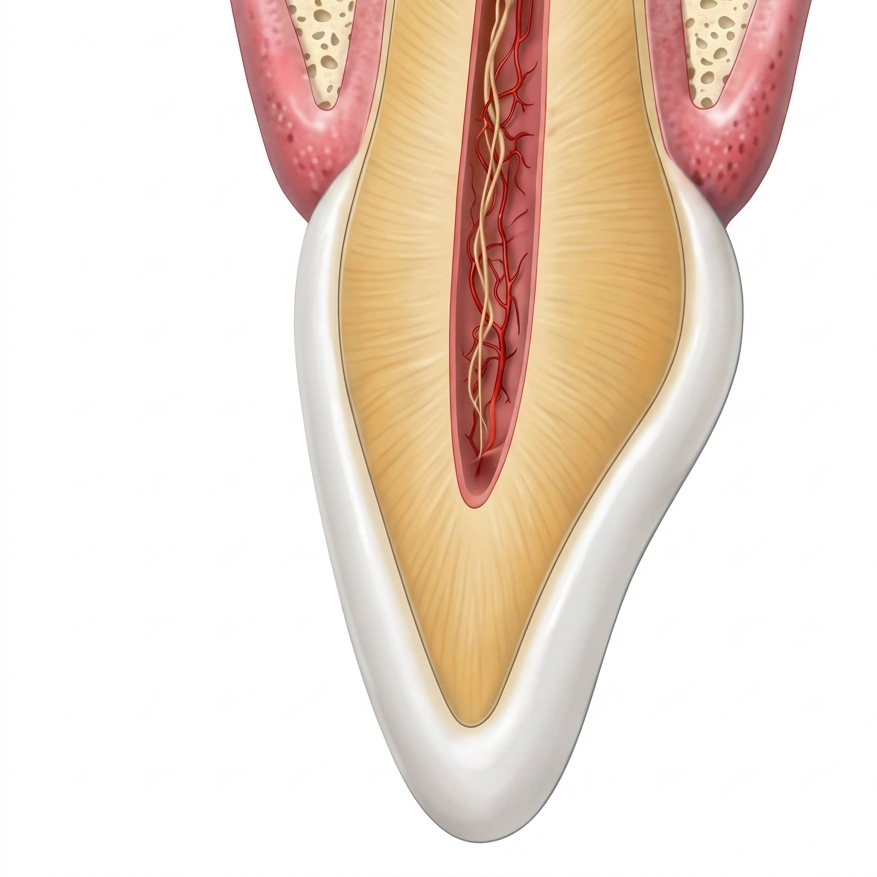
The outermost layer is enamel.
Inside it is dentin, which has a yellowish color.
Cementum and the periodontal ligament also each have their own functions.
The key point here is that enamel is translucent.
The tooth color we see is actually influenced significantly by the color of the dentin showing through from beneath the enamel.
This is why people are born with different tooth colors,
and why teeth tend to become more yellow with age.
As we age,
enamel gradually wears down and becomes thinner,
while dentin becomes thicker.
As a result,
more of its yellowish color shows through.
Acquired staining is added to this as well.
Pigments from coffee, wine, and similar substances
accumulate on the tooth surface and in microscopic gaps,
making the color darker.
In summary,
there are two causes of yellow teeth:
the natural color of the dentin inside,
and staining accumulated on the outside.
The answer depends on which of these is the main cause.
You may need whitening,
or scaling and stain removal alone
may be sufficient.
| Chapter 2. How Does Whitening Make Teeth Lighter? |
The key ingredient is hydrogen peroxide.
When hydrogen peroxide comes into contact with the teeth,
it passes through the enamel and penetrates into the dentin.
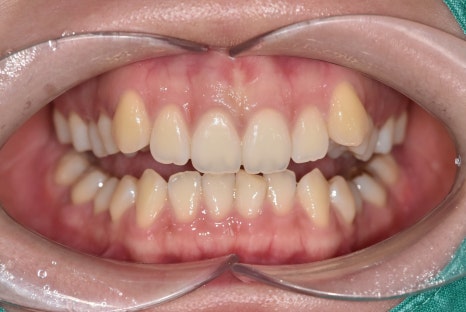
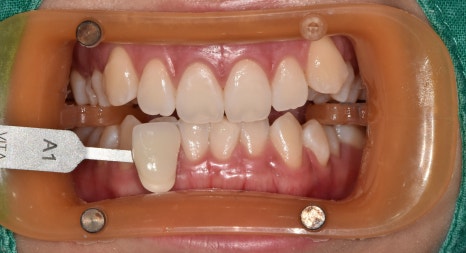
It breaks down deeply colored staining molecules into oxygen,
allowing light to reflect more brightly.
Rather than simply wiping away surface stains,
it acts on pigments inside the teeth as well.
This is the crucial difference from brushing or scaling.
That is why the whitening effect ultimately depends on the concentration of hydrogen peroxide.
The higher the concentration,
the faster and more noticeably the teeth become lighter,
but the likelihood of temporary sensitivity and gum irritation also increases.
This difference in concentration
is the key distinction between DIY whitening and professional whitening at a dental clinic.
From here, I will compare them based on concentration.
| Chapter 3. Popular DIY Whitening Products These Days |
Satisfaction is generally highest for strips, followed by LED products, pens, and toothpaste,
but they actually have something in common.
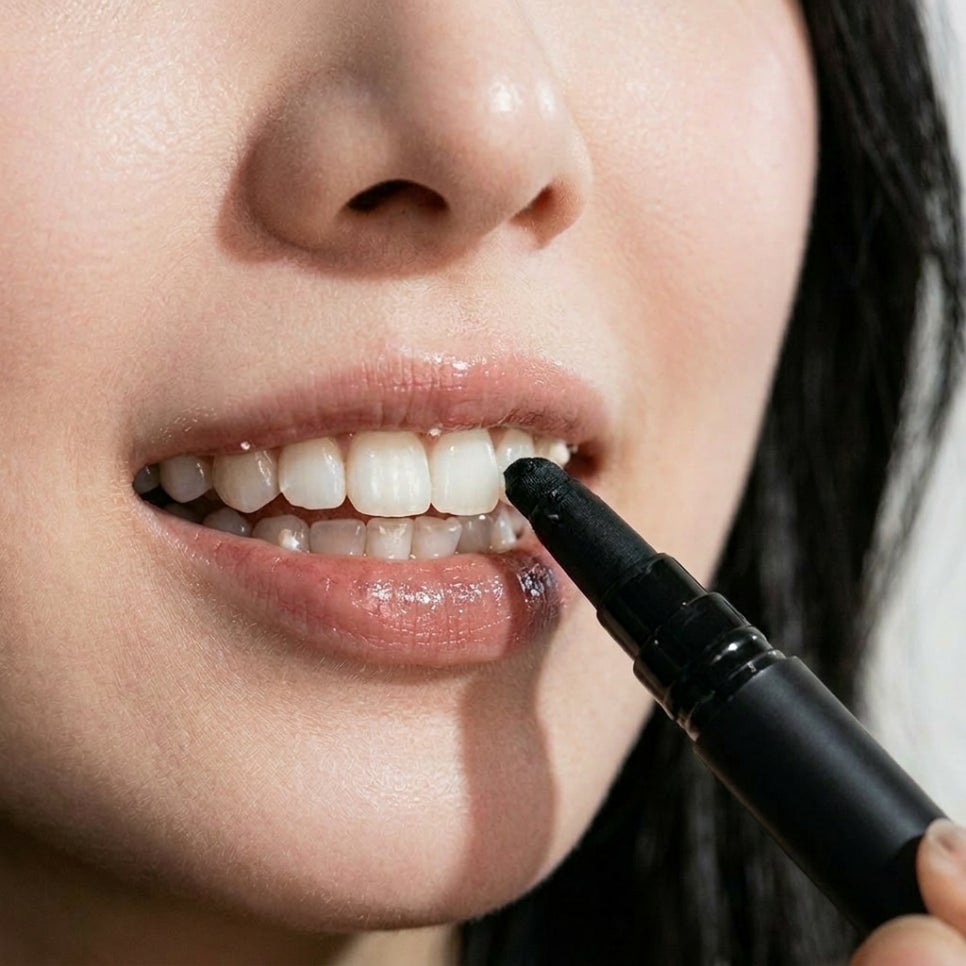
Because they contain 6% hydrogen peroxide or less,
they generally lighten the teeth by only one or two shades,
and the results last around two to three months.
Even then,
you need to use them consistently for at least two weeks
before you begin to see a noticeable change.
One-day whitening at a dental clinic
uses a different concentration from the start.
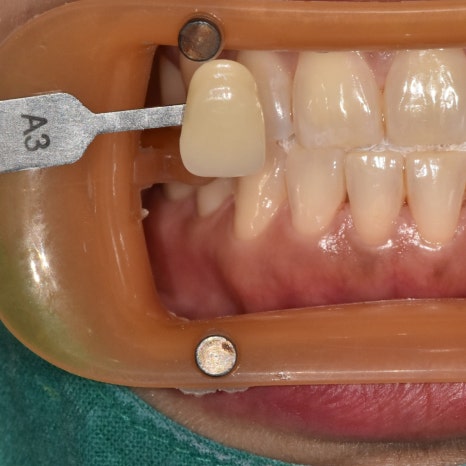
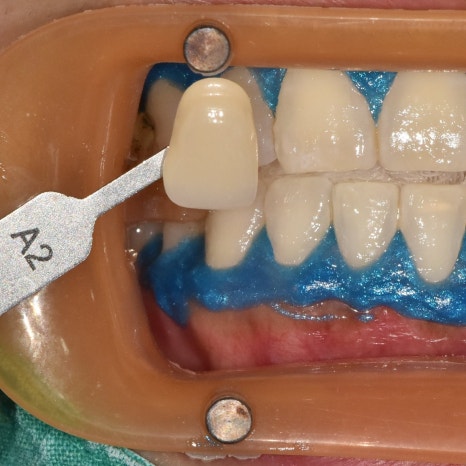
A high concentration of 10–15%
is applied while protecting the gums,
so the teeth can become several shades lighter in a single session,
and the results can also last longer.
That is why one-day whitening is useful
for people with an approaching deadline,
such as an interview or wedding.
However, because it uses a high concentration,
your teeth may become temporarily sensitive.
Therefore, if you have cavities or gum inflammation,
it is better to receive treatment for those conditions first.
If you have restorations on your front teeth,
those areas will not change color,
so you should be aware of this in advance.
Dental Whitening VS. DIY Whitening
(Hydrogen Peroxide Concentration)
Professional whitening at a dental clinic: 10–15%
Commercial DIY products: 6% or less
Let us summarize.
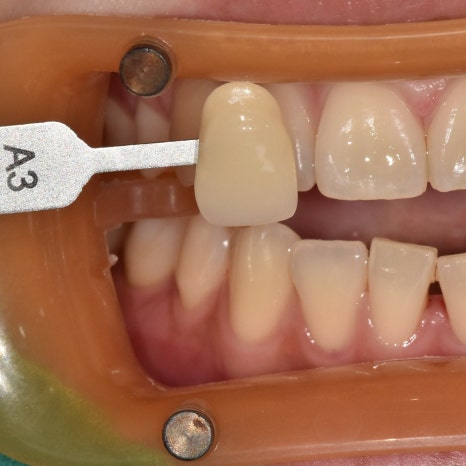
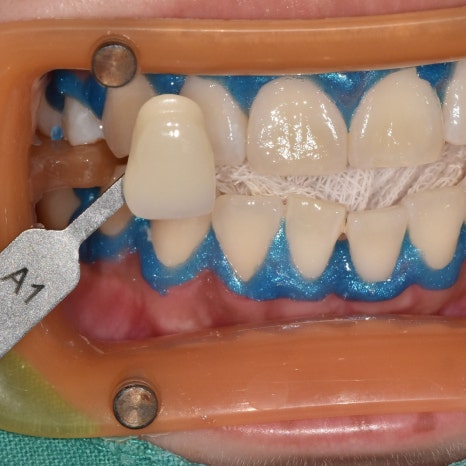
Dental whitening is a high-concentration procedure
that works quickly and lasts longer,
but requires management of tooth sensitivity.
DIY products are less burdensome,
but their effects are more gradual.
Ultimately, the most important question is:
“What is right for my situation?”
The biggest difference is that your cavities and gum condition are checked first,
and the whitening is performed accordingly.
It does not have to be at our clinic.
However, before purchasing a DIY product,
having a dental checkup and using it only when your teeth and gums are healthy
is the best way to save money and time.
If you have any questions,
please feel free to contact us.