Hello!
I am the director of Seoul Bardi Dental Clinic.
▼ Check the dental clinic location ▼
| This post was written directly by Seoul Bardi Dental Clinic for the purpose of providing medical information, in compliance with Article 56, Paragraph 1 of the Medical Service Act regarding medical advertising. We recommend using the information provided for reference only. Please visit a medical institution and consult a medical professional for an assessment of your symptoms and accurate management methods. All procedures and surgeries performed at a dental clinic may involve risks depending on the individual, such as inflammation, bleeding, and swelling. Please make your decision after having a thorough consultation with a medical professional. All images were created using AI to aid understanding. |
| Directions |
Many people who notice that their gums are not in good condition
first look for gum medicine at a pharmacy.
They take medicines such as IgaTan and Insadol,
thinking, “This will make me better, right?”
It is genuinely encouraging that you are taking an interest in your gums,
even if somewhat late.

However, there is a dangerous point here.
When you take gum medicine
and your symptoms subside somewhat,
you may believe that you are completely better.
But during that time, your jawbone may still be continuing to deteriorate.
Today, I will explain what role gum medicine actually plays,
why gum disease cannot be cured with medicine alone,
and what the real solution is,
along with the supporting evidence.
| Chapter 1. ① Gum medicine is not a “treatment” |
Let us start with the most important fact.
Gum medicines such as IgaTan and Insadol
are not medicines that treat gum disease.
In 2016, after a reevaluation,
the Ministry of Food and Drug Safety changed the stated efficacy of these medicines
from “treatment of periodontal disease”
to “adjunctive treatment after periodontal treatment
and adjunctive treatment for mild to moderate periodontitis.”
In simple terms,
their status was adjusted to medicines used as an adjunct
after receiving dental treatment.
(Ministry of Food and Drug Safety drug reevaluation, 2016)
In fact, in France, the country where Insadol’s ingredients were originally developed,
they are sold not as a pharmaceutical product
but as a health functional food,
and their effects were recognized only when used alongside dental treatment.
(Reports related to the drug reevaluation)
Therefore, it is more accurate to understand gum medicine
as being closer to an “adjunctive nutritional supplement”
than a “treatment medicine.”
| Chapter 2. ② Taking only gum medicine while leaving the cause unchanged will not cure the problem |
Why can’t medicine alone solve the problem?
The answer becomes clear when you understand the cause of gum disease.
The main cause of gum disease is tartar.
Tartar is not simply a foreign substance;
it is a hardened mass formed when bacteria clump together.
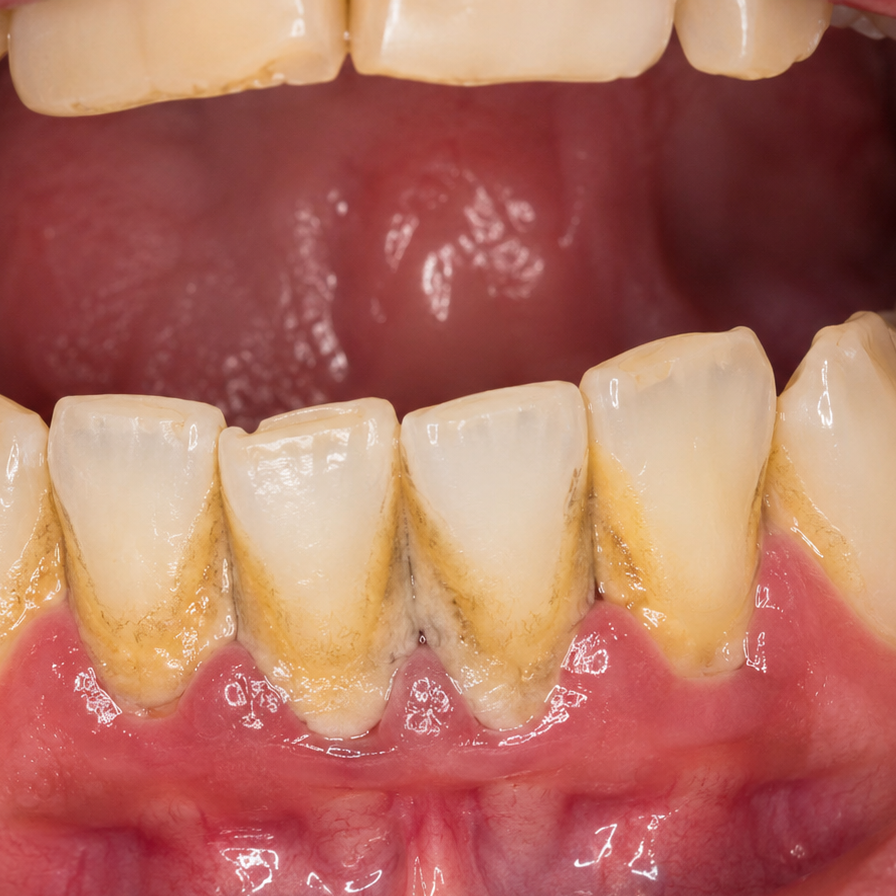
This mass of bacteria releases toxins,
causing inflammation in the gums,
and over time, it can even destroy the jawbone.
The problem is that tartar cannot be removed
by brushing alone.
It has hardened like a stone in a flower bed.
When the tartar that caused the problem remains
and you only take gum medicine,
your symptoms may subside temporarily,
but the inflammation continues.
No matter how good a nutritional supplement you take,
the bacteria continue to irritate your gums.
That is why the fundamental treatment is not medicine,
but scaling, which physically removes tartar.
In practice, most cases of periodontitis are alleviated
through scaling and root planing,
while medication, such as antimicrobial agents,
is only an adjunctive measure added to this treatment.
(ADA clinical practice guidelines, 2015)
| Chapter 3. ③ The feeling that “I got better after taking gum medicine” is the most dangerous part |
Here, I would like to point out the psychological trap.
In some cases, taking gum medicine
can temporarily reduce pain or swelling.
Then you may think, “The medicine is working, so I don’t need to go to the dentist,”
and continue putting off treatment.
But a reduction in pain
is completely different from the disease being cured.
Because the tartar and bacteria that caused the problem remain,
the jawbone can quietly continue to deteriorate
even while you are not experiencing pain on the surface.
And once bone has been lost,
it does not come back.
The tissue and bone damage caused by
severe periodontitis is generally irreversible
and does not regenerate to its original state.
(Frontiers in Dental Medicine, 2023)
In other words, the feeling that “I got better after taking gum medicine”
may actually delay your visit to the dentist,
making it the most dangerous sign because it can allow irreversible damage to worsen.
| Chapter 4. ④ So what is the real way to protect your gums? |
The direction is clear.
First, scaling.
Tartar that has already formed must be removed using ultrasonic vibrations.
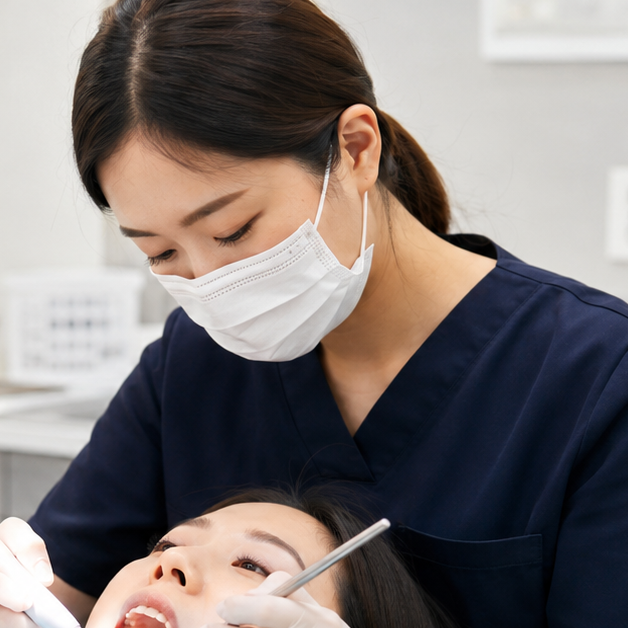
Usually, within one to two weeks after scaling,
swollen gums settle down
and inflammation decreases.
That is because the mass of toxins causing the problem has been removed.
Even receiving scaling at least once every six months
can help prevent tartar from accumulating
and progressing to gum disease.
< Misconceptions about scaling ↓↓>
Second, quit smoking.
Smoking is incompatible with gum health
and is a major factor that worsens periodontitis.
Third, make flossing and using interdental brushes a habit.
Brushing alone does not
clean perfectly between the teeth.
The spaces that a toothbrush cannot reach
must be managed with dental floss or interdental brushes
to reduce tartar formation.
After managing the underlying causes in this way,
it is fine to add gum medicines such as
IgaTan and Insadol as an “adjunct.”
The order is what matters.
Treatment comes first, and gum medicine comes afterward.

Today, I explained the true role of gum medicine.
Gum medicines such as IgaTan and Insadol are medicines that the Ministry of Food and Drug Safety has designated not as “treatments,”
but as “adjunctive treatments,”
making them closer to nutritional supplements.
Tartar, the cause of gum disease, cannot be removed with medicine
but only through scaling,
and while you rely only on gum medicine,
your jawbone may deteriorate irreversibly.
The real solutions are scaling, quitting smoking, and flossing—
perhaps obvious, but reliable methods.
If you are currently putting off a dental visit
while taking only gum medicine,
I recommend having scaling done once
for about the cost of a bottle of nutritional supplements.
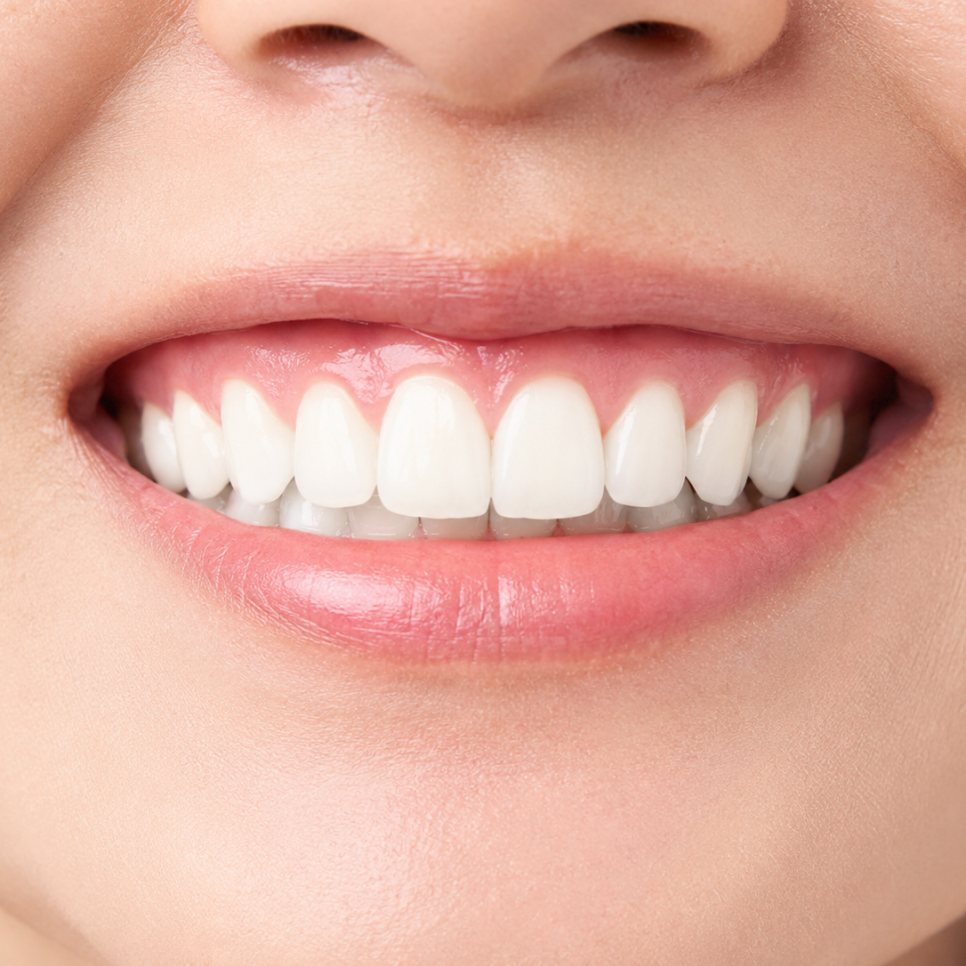
That is a much more reliable investment in protecting your gums.
Even if the pain has decreased,
the cause must be checked directly to be identified.
If you have any questions,
please feel free to contact us at any time.
We will honestly guide you toward methods
that are more reliable than gum medicine.
Thank you for reading this lengthy post today.
[References]
Ministry of Food and Drug Safety drug reevaluation (2016) — The efficacy of 92 products, including Insadol and IgaTan, was changed from “treatment of periodontal disease” to “adjunctive treatment after periodontal treatment.”
Journal of the American Dental Association (ADA clinical practice guidelines, 2015) — The fundamental treatment for chronic periodontitis is scaling and root planing; medication is an adjunctive therapy.
Frontiers in Dental Medicine (2023) — Tissue and bone damage caused by severe and chronic periodontitis is generally irreversible.