안녕하세요!
I am the director of Seoul Bardi Dental Clinic.
▼ Check the Dental Clinic Location ▼
| This post was written directly by Seoul Bardi Dental Clinic for the purpose of providing medical information, in compliance with Article 56, Paragraph 1 of the Medical Service Act. The information provided is for reference only. For an assessment of your symptoms and accurate guidance on how to manage them, please visit a medical institution and consult with a medical professional. All procedures and surgeries performed at dental clinics may involve risks depending on the individual, such as inflammation, bleeding, and swelling. Please make your decision after having a sufficient consultation with a medical professional in advance. All images were created using AI to help improve understanding. |
스케일링을 받고 나서 검색창에
Have you ever typed “side effects of scaling” into a search engine after getting your teeth cleaned?
If your teeth feel sensitive, the spaces between them look wider, or they bleed, you may start to worry and think, “Was it a mistake to get this done?”
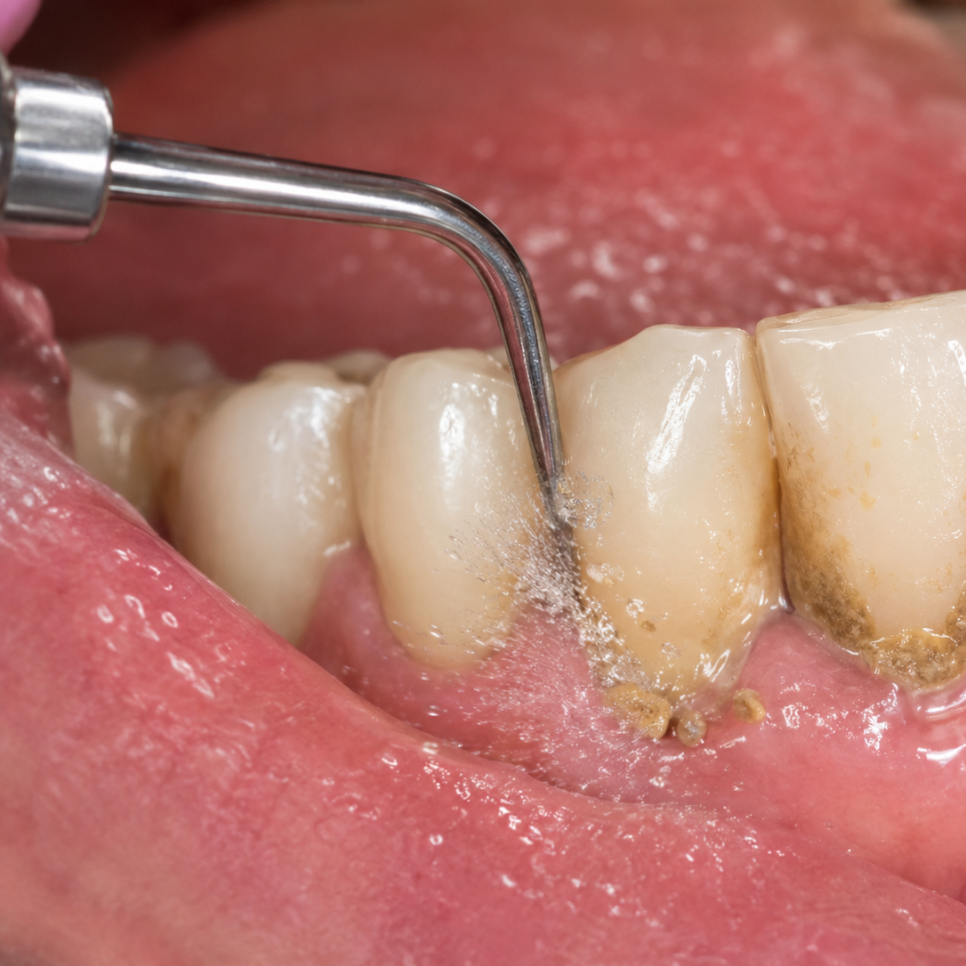
First, you can rest assured.
Those symptoms are usually not side effects. In most cases, they are part of the recovery process as your gums return to a healthier state.
Today, I will explain one by one why the common symptoms that appear after scaling are normal, and also summarize when you should return to the dental clinic despite these symptoms.
| Chapter 1. Why Do These Symptoms Occur? |
Before looking at each symptom, let’s first understand the bigger picture.
Scaling is a procedure that removes tartar accumulated on the teeth and gums.
However, tartar had been covering the tooth surfaces for a long time and filling the spaces around swollen gums, acting like a “cover.”
When it is removed, the condition that had been hidden is revealed for the first time.
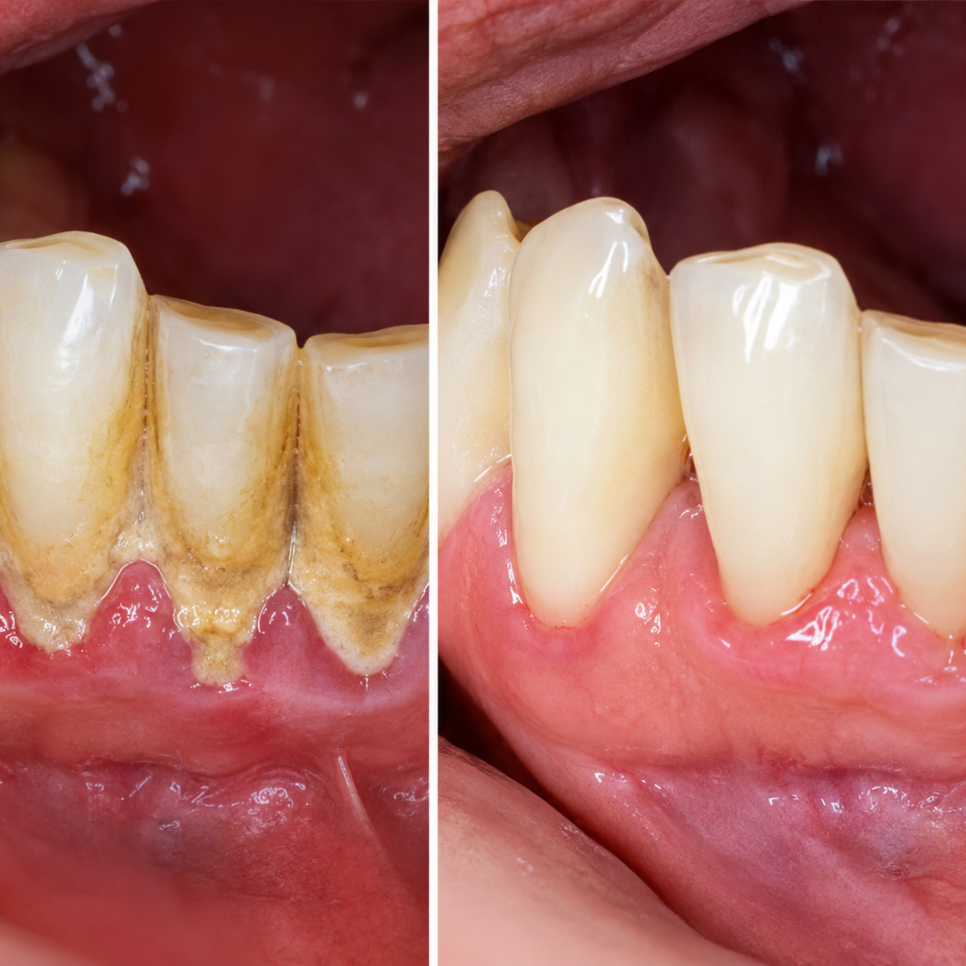
The sensitivity and spaces between the teeth that you feel after scaling usually come from this.
It is not a newly developed problem. It simply means that the condition that was already there has become visible.
Once you understand this, it will be easier to see why the symptoms below are normal.
| Chapter 2. “My Teeth Feel Sensitive...” |
This is the symptom people worry about most.
Sensitivity does not occur because the teeth have been damaged. Rather, the tooth surfaces that had been covered by tartar are exposed to the outside for the first time, making them temporarily more sensitive.
<My teeth feel sensitive, and I’m scared ↓↓>
It is like feeling a brief chill when you pull off a blanket in winter.
Your body has not been harmed; your sensation has simply returned.
That is why tooth sensitivity is usually temporary and settles down within a few days.
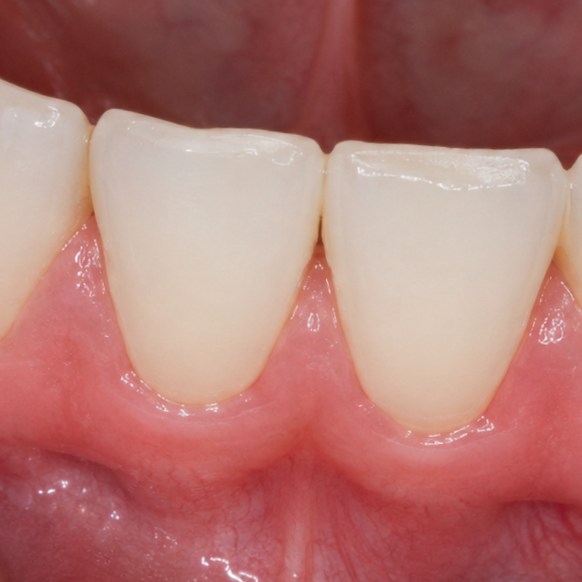
If the sensitivity bothers you, using toothpaste formulated to relieve tooth sensitivity may help.
| Chapter 3. “The Spaces Between My Teeth Look Wide and Empty” |
This is also normal.
Before scaling, the gums were swollen because of the tartar and were filling the spaces.
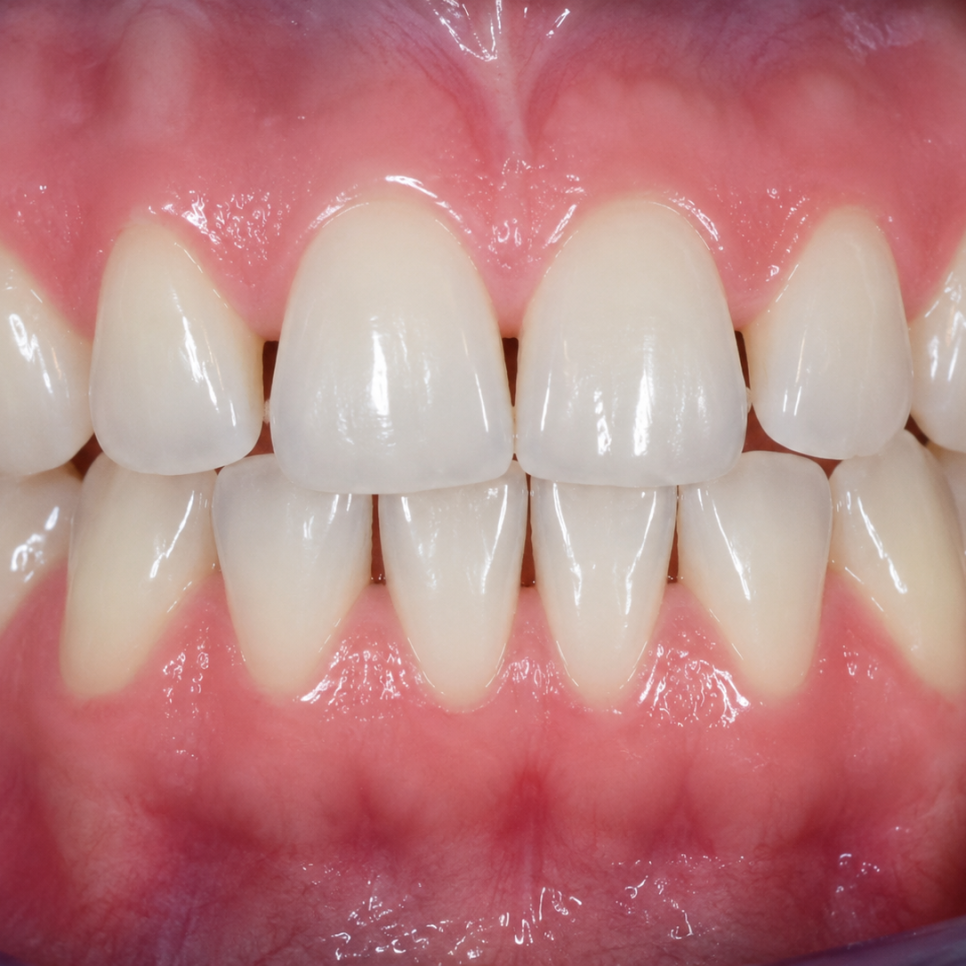
Once the tartar is removed, the gums become healthier and the swelling goes down. As a result, the areas where the tartar had been become visible, making the spaces look empty.
Although it may look unfamiliar, this means that the swollen gums have returned to their proper position.
In fact, the state in which the spaces were packed with tartar was not normal.
This is why you should not think that your teeth looked better when tartar was present.
| Chapter 4. “I’m Bleeding” |
Bleeding occurs when the surrounding tissues are irritated as tartar firmly attached to the gums is removed.
This is also usually temporary and generally stops within one to two days.
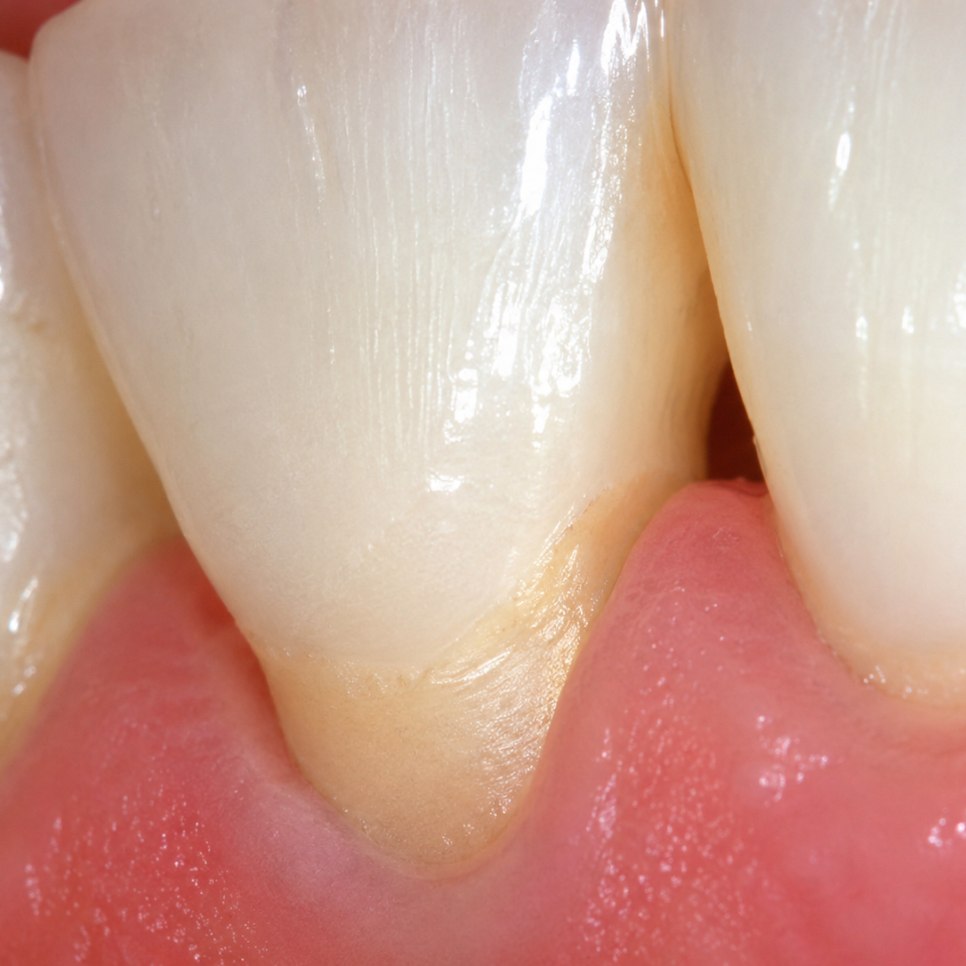
For reference, heavy bleeding during scaling can also be a sign that there was inflammation in the gums.
Healthy gums do not swell or bleed easily.
There is one situation in which you should return to the dental clinic.
If bleeding or pain continues for more than three days, it may not be a simple part of the recovery process and could indicate another problem, such as gum inflammation. It would be advisable to have your condition checked again.
| Chapter 5. “Won’t My Teeth Be Filed Down?” |
This is the final misconception.
A scaler uses fine ultrasonic vibrations to break up and remove tartar only.
It does not grind down the teeth themselves.
Even when you watch a scaling video, there is no scene of the teeth being ground with a drill; you only see the tartar being removed.
If a tooth broke during the procedure, it was not caused by scaling. Rather, there was likely already a crack or cavity hidden in that area.
Today, we looked at why the symptoms that appear after scaling are not side effects.
To summarize, sensitivity, spaces between the teeth, and bleeding are normal parts of the recovery process that occur when the condition previously hidden by tartar is revealed, and they usually settle down within a few days.
Ultrasonic scaling removes only tartar and does not damage the teeth. However, if bleeding or pain continues for more than three days, you should have it checked again.
If you postpone scaling because these symptoms frighten you, tartar may continue to build up and progress into gum disease.
For those aged 19 or older, national health insurance covers scaling once a year. (As of 2026, the out-of-pocket cost at a local dental clinic is approximately KRW 18,600.) Coverage renews every January 1, and if you do not use it, it expires.
If you have not received scaling yet this year, I recommend arranging it before your coverage expires.
If you are concerned about these symptoms or it has been a long time since your last scaling, please feel free to contact us at any time.
Thank you for reading this lengthy post.
[Reference]
National Health Insurance Service — National health insurance coverage for scaling once a year for those aged 19 or older (renews every January 1 and expires if unused)