| This post was written directly by Seoul Bardi Dental Clinic for the purpose of providing medical information, in compliance with Article 56(1) of the Medical Service Act concerning medical advertising. We recommend using the information provided for reference only. Please visit a medical institution and consult with a medical professional for an assessment of your symptoms and accurate guidance on appropriate care. All procedures and surgeries performed at a dental clinic may involve individual risks, such as inflammation, bleeding, and swelling. Please make your decision after having a sufficient consultation with a medical professional in advance. To help with understanding, all images were created using AI. |
"Can I get braces on just my front teeth?"
"Will clear aligners work?"
"I want to do it without having any teeth extracted."
These are the three questions
we hear most often during consultations.
Hello!
I am the director of Seoul Bardi Dental Clinic.
It is difficult to answer these three questions immediately
with simply “yes” or “no.”
Today, I will explain in detail
why that is and what is actually done during diagnosis.
| Chapter 1. Can treatment be done on just the front teeth? |
This question is asking
whether the problem is limited to the front teeth, correct?
<Can protruding teeth be corrected without surgery? ↓↓>
Even if the front teeth appear crowded,
if the molar bite is also misaligned,
moving only the front teeth will not create a stable result.
You cannot tell just by looking from the outside
whether the bite is normal.
“Will clear aligners work?”
is a question about the degree of crowding.
For mild crowding treated without extractions,
there are reports that the treatment period
does not differ significantly.
However, when the crowding is severe
or extractions are necessary,
there is insufficient evidence itself.
Therefore, the answer can only be determined
after first measuring how many millimeters of crowding there are.
“Can it be done without extractions?”
is a question about how much space is lacking.
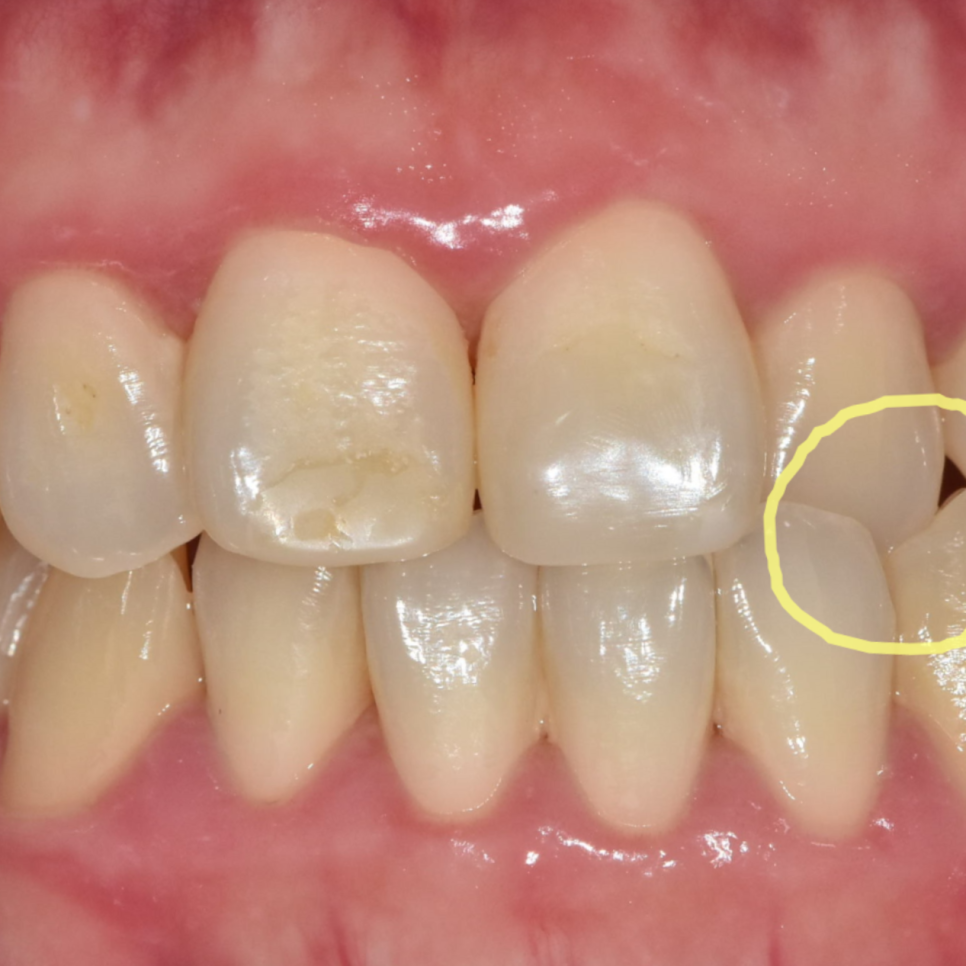
To straighten all the teeth,
you need to calculate numerically
how much space is needed and how much space is currently available.
If the amount of space lacking is substantial,
treatment is approached through extractions;
if it is small, other methods are considered based on the diagnosis.
The answers to all three questions
are not predetermined.
Accurate measurements are necessary.
▼ Check the dental clinic location ▼
| Chapter 2. What can be obtained through an orthodontic diagnosis |
There are three major steps.
First, we examine the condition of the mouth.
We check for cavities,
the condition of the gums,
and whether existing restorations are in good condition.
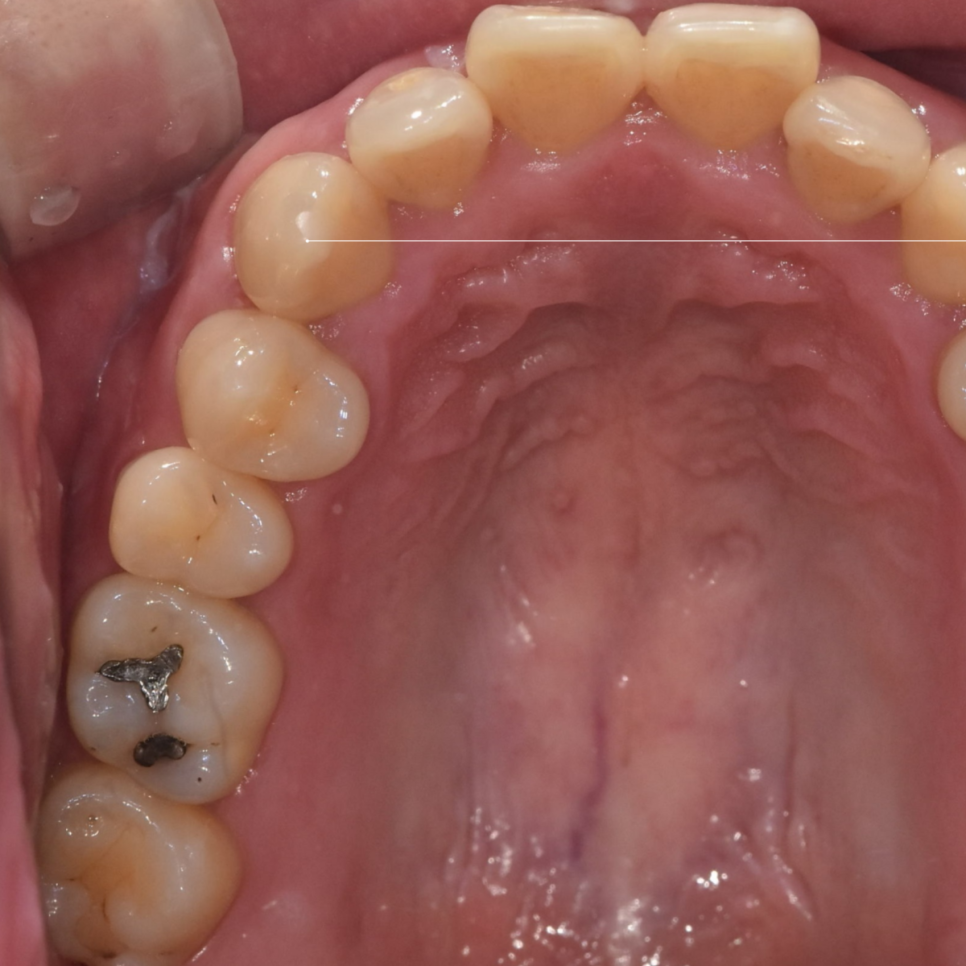
Orthodontic treatment can take as little as six months
or more than two years.
Before starting treatment that may last for that long,
any necessary treatment should be addressed first.
Once the orthodontic appliances are attached,
some areas become more difficult to access.
Next, we collect diagnostic records.
Using a lateral radiograph,
we measure the positions of the upper and lower jaws,
and use a panoramic radiograph to examine
the jawbone supporting the teeth and the overall condition of the teeth.
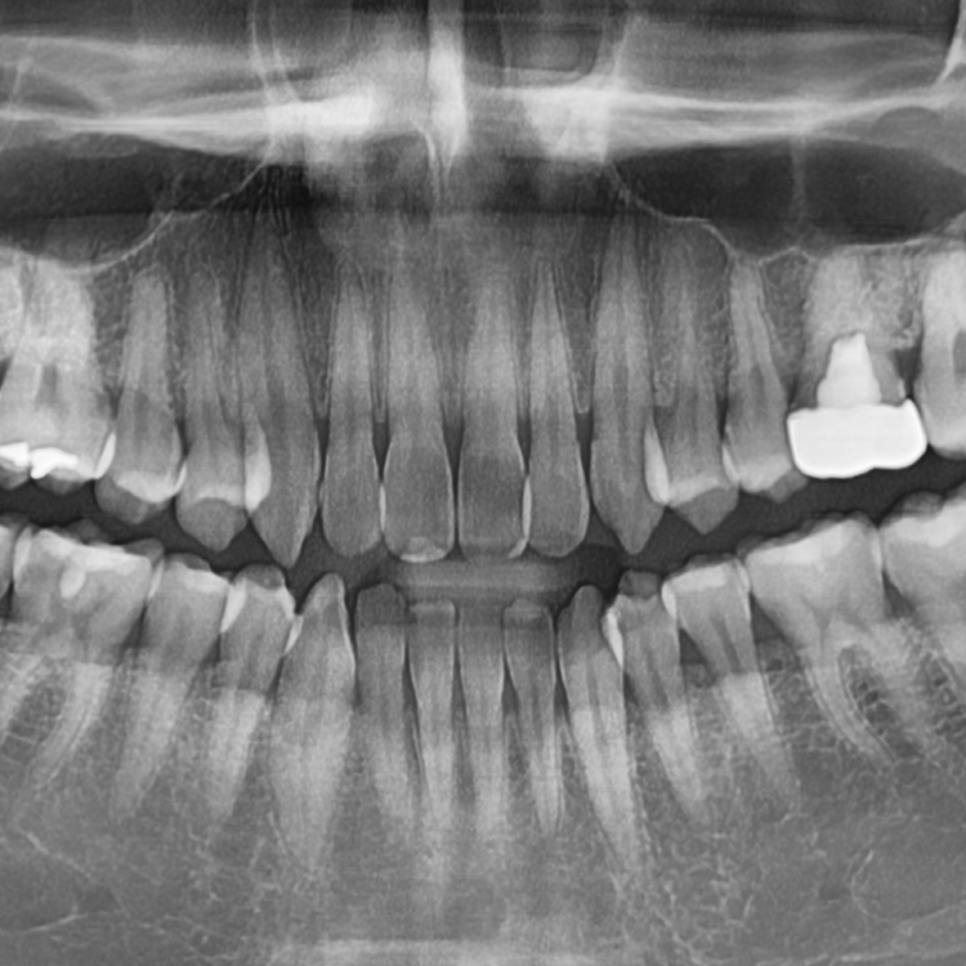
We take facial and intraoral photographs,
and take impressions or perform an intraoral scanning process.
The final step is analysis.
Using the collected records, we perform calculations
and decide whether extractions are needed,
how long treatment will take,
and which type of appliance to use.
This step takes the most time.
| Chapter 3. What the diagnosis determines |
Ultimately, the diagnosis provides three answers:
whether or not extractions are needed,
how long treatment will take,
and which method will be used.
Once these three things are decided,
the direction of treatment is established.
And it is difficult to change this direction midway through treatment.
If you begin treatment without extractions
and find six months later that there is not enough space,
even if extractions are performed at that point,
the teeth that have already been moved
will need to be reorganized.
That will add an equivalent amount of time to the treatment.


This is why the initial calculations are important.
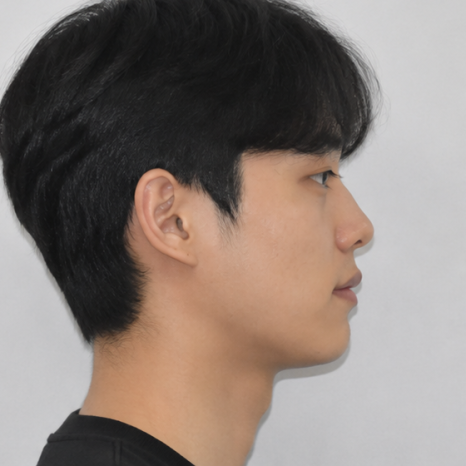

This includes an oral examination,
radiographic and photographic imaging,
creating models or performing an intraoral scan,
as well as analysis and treatment planning.
Today, we discussed orthodontic diagnosis.
Whether treatment is possible on just the front teeth,
whether clear aligners will work,
and whether treatment can be done without extractions.
These questions cannot be answered by looking alone.
The teeth must be assessed as a whole and a treatment plan must be made
before the answers can be determined.
You may think that an answer will be immediately apparent
just by looking,
but because we understand the importance of diagnosis,
we invest considerable time in establishing an accurate direction for treatment.
Diagnosis is an important process
that determines the direction of care.
If you have any questions about orthodontic treatment,
please feel free to contact us.
Thank you for reading this lengthy post.

| Directions |