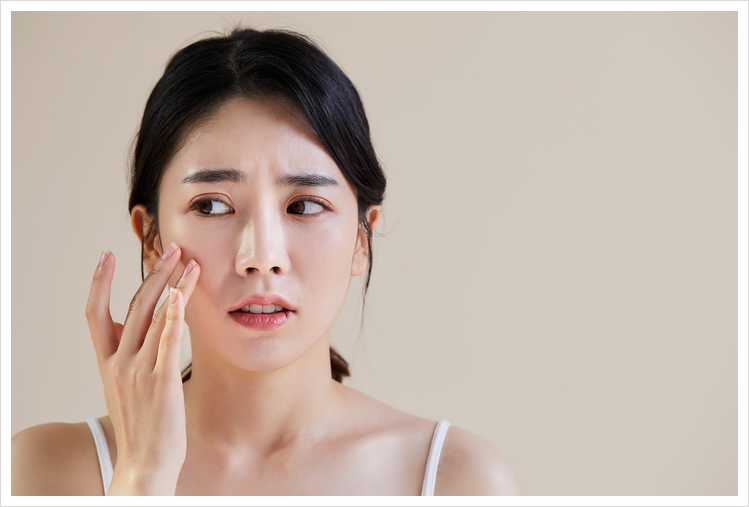
Immediately After Cleansing: A Sign to Watch for If Your Skin Feels Tight
There are times when your skin feels unusually tight and looks dry and rough when you look in the mirror after cleansing.
These symptoms are easy to dismiss as simple dryness, but they are actually closely related to the condition of your skin barrier and your cleansing habits.
Today, we will look at the causes of dry, rough skin after cleansing and discuss ways to help alleviate it.
Table of Contents
-
Causes of Dry Skin After Cleansing
-
The Relationship Between the Skin Barrier and Moisture Loss
-
Cleansing Habits That Help Reduce Roughness
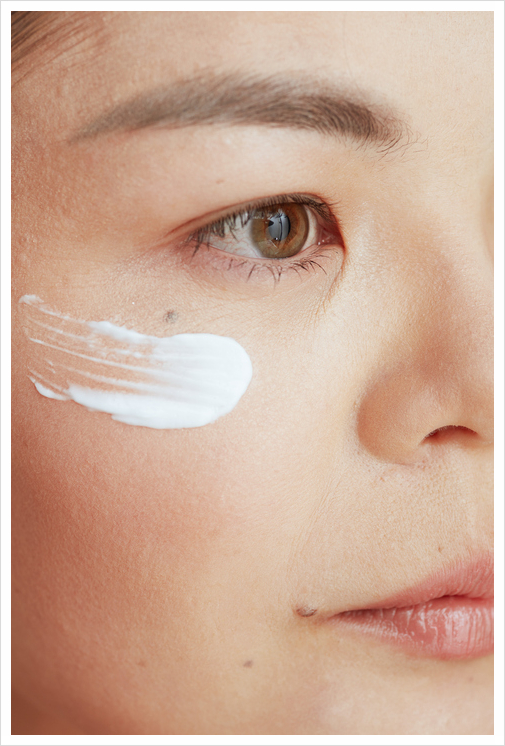
Causes of Dry Skin After Cleansing
Cleansing Power and Skin Irritation
If a cleanser is excessively strong, it can wash away moisture from the skin's surface along with sebum, making tightness worse. In particular, using products with a high surfactant content every day can thin the stratum corneum and make the skin more prone to reacting to external irritants. For this reason, many people also experience redness or stinging immediately after cleansing.
The Effects of Water Temperature and Cleansing Time
Cleansing with hot water may feel refreshing, but in reality, it can melt the skin's lipid barrier and promote moisture evaporation. Conversely, the habit of rubbing the skin for too long during cleansing can also leave irritation caused by friction. Therefore, both temperature and cleansing time can affect the condition of the skin.
The Relationship Between the Skin Barrier and Moisture Loss
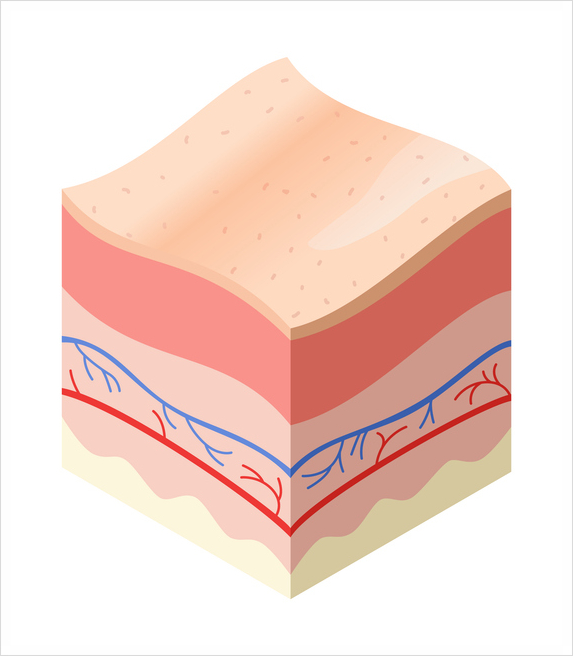
The Role of the Stratum Corneum
The stratum corneum, located on the outermost layer of the skin, acts as a barrier that prevents moisture from escaping. However, when this barrier is damaged, moisture evaporation increases, making tightness and roughness after cleansing more noticeable. Ultimately, the dryness visible on the surface often stems from the underlying cause of damage to the stratum corneum.
Seasonal and Indoor Environmental Factors
Dry seasons and indoor environments with strong heating or air conditioning can also accelerate moisture loss from the skin. In spaces with low humidity, moisture can quickly evaporate even after moisturizing following cleansing, so managing indoor humidity as well can be helpful.
Cleansing Habits That Help Reduce Roughness
Choosing Lukewarm Water and a Gentle Cleanser
Cleansing with lukewarm water close to body temperature can remove impurities without excessively stripping away the skin's protective lipid film. In addition, using a mildly acidic cleanser can help maintain the skin's natural pH balance. Rather than choosing a product based solely on cleansing power, it is important to make a habit of considering its ingredients and potential for irritation as well.
When to Moisturize After Cleansing
It is important to apply moisturizer as soon as possible, before the moisture remaining on the skin after cleansing evaporates. The longer you wait, the faster moisture loss occurs, so simply minimizing the gap between cleansing and moisturizing can noticeably reduce roughness.
Conclusion
The roughness felt after cleansing is not simply due to the weather; it can be considered the result of cleansing habits and the condition of the skin barrier acting together. Therefore, it is important to check the ingredients of your cleanser and the water temperature, and to establish a routine that continues from cleansing to moisturizing immediately afterward. By observing your skin's usual reactions and adjusting your habits, you can help maintain a more comfortable skin condition.