Why does your face look different every morning?
There are mornings when your face looks noticeably puffier than it did the night before when you look in the mirror.
Even if you did not eat particularly much or go to bed late, it can be unsettling when your eyelids look thicker and the contours of your cheeks appear less defined.
In most cases, this kind of morning puffiness results from a temporary issue with fluid circulation, and taking a closer look at your lifestyle habits can often provide clues about the cause.
Today, we will take a step-by-step look at why facial puffiness occurs and ways to help alleviate it.
Why does facial puffiness occur?
Sleeping position and fluid movement
While we sleep, our bodies are affected by gravity to a much lesser extent, so fluid that accumulated around the legs during the day moves toward the upper body, including the face. In particular, if you have a habit of sleeping on your stomach or with your face pressed into the pillow, the local flow of blood and lymph fluid may become stagnant, making the puffiness more noticeable. Conversely, sleeping with your head slightly elevated can help fluid flow downward naturally, which often makes morning puffiness less pronounced.
The balance between salt and fluid intake
You may have noticed that your face feels puffier the day after eating a salty or highly seasoned dinner. This is because sodium increases the body's osmotic pressure, causing water to be retained between cells and tissues. On the other hand, consuming too little water can also cause swelling, as the body responds by trying to conserve water. Ultimately, salty food and insufficient water intake can lead to the same result—facial puffiness—through different pathways.
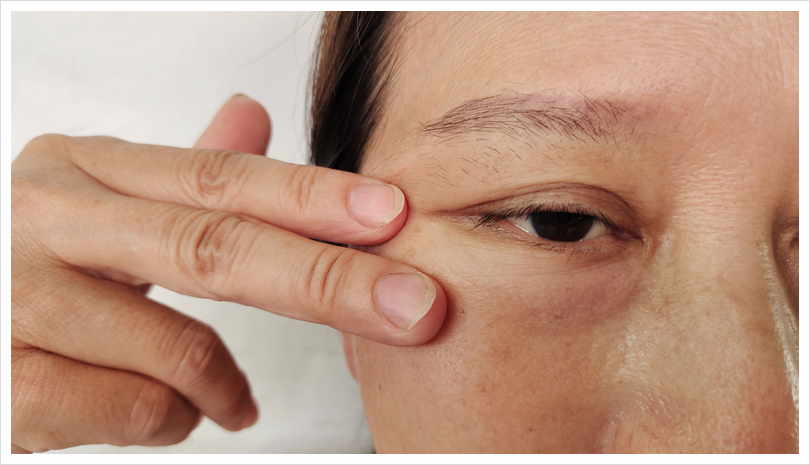
Everyday ways to reduce puffiness
A morning routine that supports circulation
Drinking a glass of lukewarm water immediately after waking up and gently rubbing your neck and face as if massaging them can help promote the flow of stagnant lymph fluid and reduce puffiness more quickly. In addition, washing your face with cold water or briefly placing a cold towel on your face can cause the blood vessels to constrict, sometimes speeding up the reduction of puffiness. These routines can be done in a short amount of time, so they are relatively easy to fit into a busy morning.
Reviewing lifestyle habits that may cause puffiness
The causes of puffiness vary from person to person, but the following habits are commonly known to play a role.
•Late-night salty snacks
•Fluid imbalance caused by drinking alcohol
•Bending your head down while looking at a smartphone for long periods
Looking back on these habits one by one may help you find clues about where your puffiness comes from, and once you understand the cause, it becomes easier to respond. However, if the puffiness persists for a long time or is accompanied by other symptoms, it may be necessary to identify the exact cause.
Changes brought about by consistent observation
Morning puffiness is usually a temporary phenomenon that naturally subsides within a day or two, but if it happens every day, it can be helpful to review your sleeping position, eating habits, and fluid intake patterns together. As small changes in your habits accumulate, you may notice a difference in your overall morning condition. We hope you enjoy refreshing mornings by putting the methods introduced today into practice one at a time.