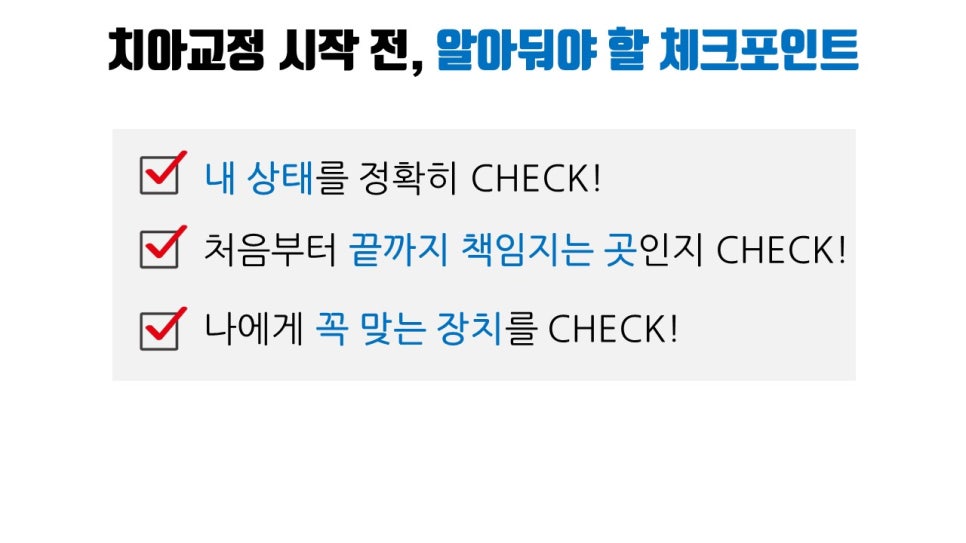
Checkpoints to Know Before Starting Orthodontic Treatment
What is the biggest reason people choose orthodontic treatment? Many people start it to align irregular or protruding teeth so they can look better and feel more confident. Of course, orthodontic treatment can provide these aesthetic benefits. However, since orthodontic treatment is not an easy procedure that moves misaligned teeth to normalize the bite, it is better to learn accurate information before starting.
What should you look at first before starting orthodontic treatment? It is your own dental condition. You need to know exactly what problems your teeth have in order to receive treatment suited to them. In fact, many people postpone treatment even though they need orthodontic care because they do not feel much discomfort, or because they think they can do it later. In such cases, there may seem to be no problem at the moment, but as time passes it can negatively affect the teeth and make the problem worse, so caution is needed.
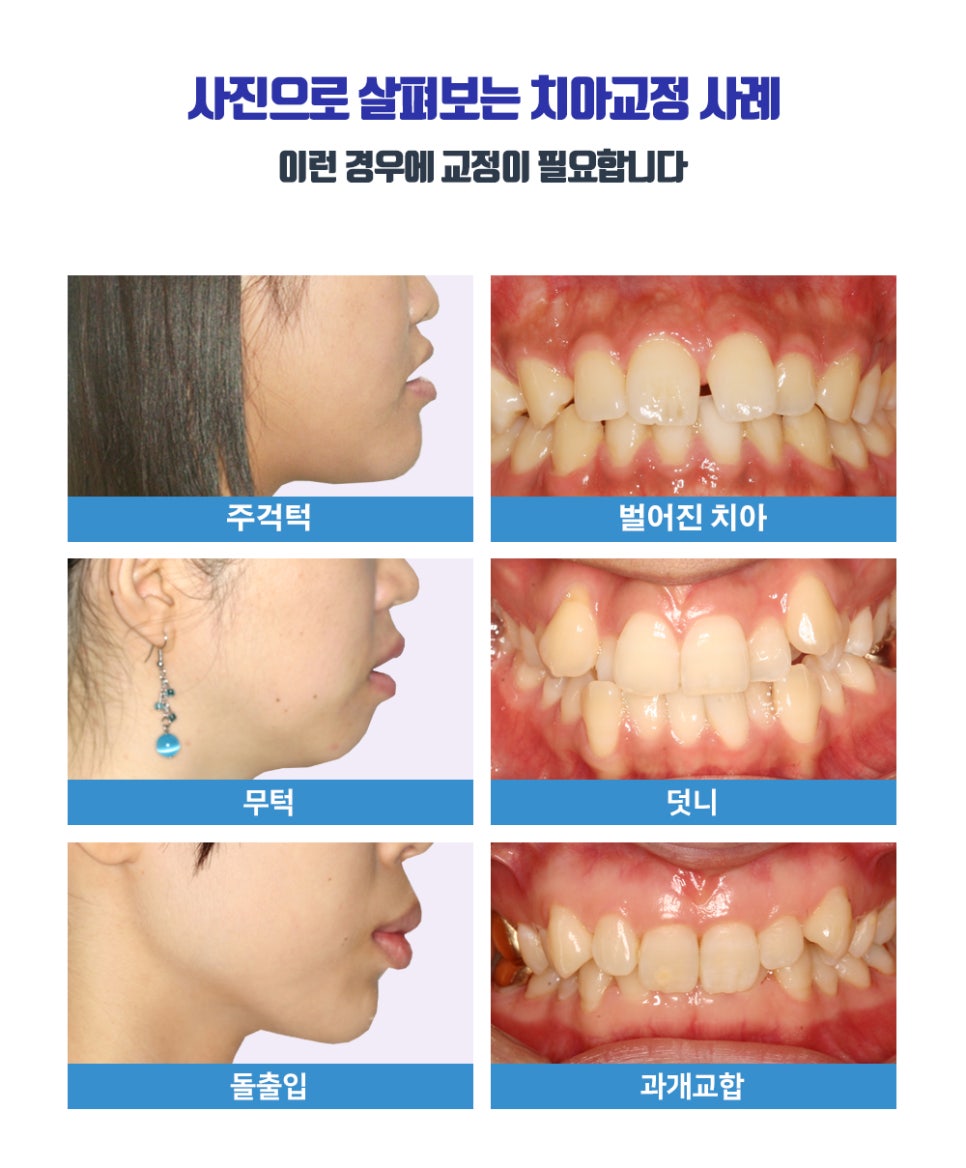
Many people considering orthodontic treatment are experiencing discomfort due to protrusion, underbite, receding chin, gaps between teeth, crowded teeth, deep bite, open bite, and so on, as shown in the image above. Orthodontic treatment plays a role in aligning teeth in these conditions.
So why should you get orthodontic treatment? Is it simply to make a problematic bite look straight and beautiful? Not entirely. First, let us use crowded teeth as an example.
Crowded teeth, if left untreated, can cause cavities and periodontal disease.
Crowded teeth occur when there is not enough space in the jawbone for the teeth to align evenly, in other words, when the jaw is narrow and the teeth have difficulty erupting properly. In particular, the canine area is often lacking space, because canines erupt later than other teeth. As a result, there is not enough room for them to come in, so they emerge above the gums and become crowded teeth.
Now, why should crowded teeth be corrected? If crowded teeth are left untreated, it becomes difficult to brush properly between the crowded tooth and the teeth it overlaps, creating an environment where cavities are more likely to develop. Food debris trapped between teeth is less likely to be cleaned away in time, making tartar more likely to form and creating conditions in which gum disease can also occur. Eventually, problems worsen gradually, such as the gums receding repeatedly due to tartar.
That is why orthodontic treatment is needed to move them back into place.
Deep bite, a cause of temporomandibular joint damage and tooth wear.
Let us now take a closer look at deep bite. In simple terms, deep bite refers to a condition in which the upper teeth cover the lower teeth by 2 to 3 mm or more. In other words, the upper teeth excessively cover the lower teeth. In such a case, the bite is obviously not aligned properly, and chewing, which is one of the teeth’s main functions, becomes difficult, placing strain on the temporomandibular joint. In addition, the mouth may appear protruded.
That is not all. The face can look shorter and resemble a square jaw, and the lower front teeth may keep touching the gums of the upper front teeth, which can cause gum disease. In addition, the inner surface of the upper front teeth may collide with the lower front teeth, causing the teeth to loosen and become protruding, or causing gaps to form between the teeth. During this process, the inner part of the upper front teeth may also wear down.
As such, deep bite is not merely an aesthetic issue; because it can lead to bite problems, chewing difficulties, and even tooth wear, orthodontic treatment is essential.
If you have decided on orthodontic treatment, choosing where to begin is the first thing you should do. Because orthodontic treatment requires moving teeth, it takes a considerable amount of time, unlike general dental treatment that ends after one or two visits. Since the treatment period is long, it is important to quickly detect and resolve any problems that may arise during treatment. Even after treatment is finished, ongoing follow-up care is necessary to maintain aligned teeth for a long time.
For satisfactory orthodontic treatment, it is advisable to carefully check whether the clinic can handle these various variables and whether it can properly manage everything from the start of treatment through follow-up care after treatment ends.
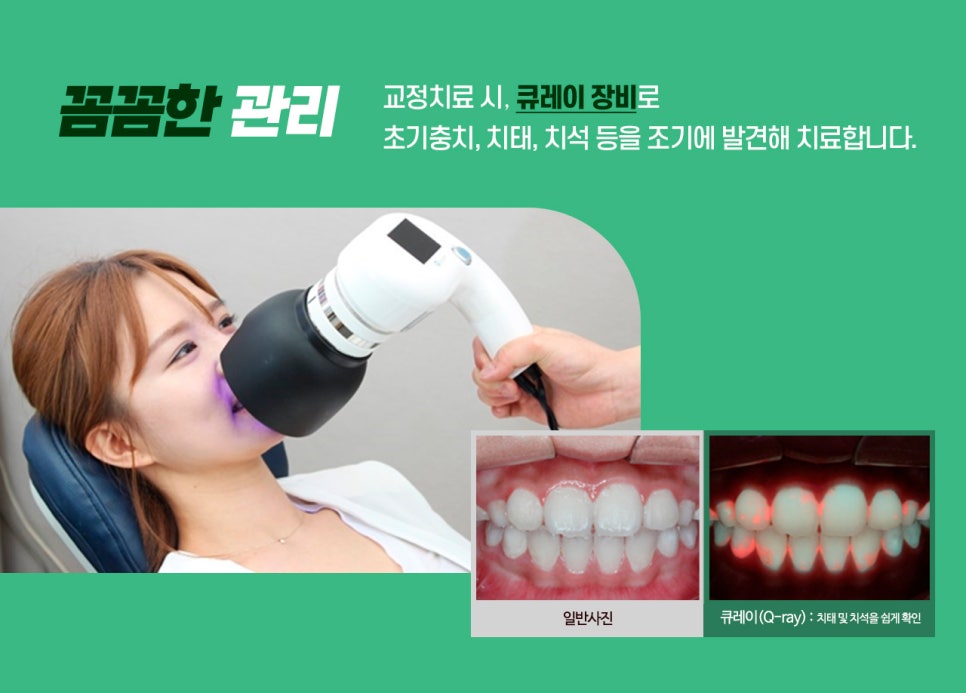
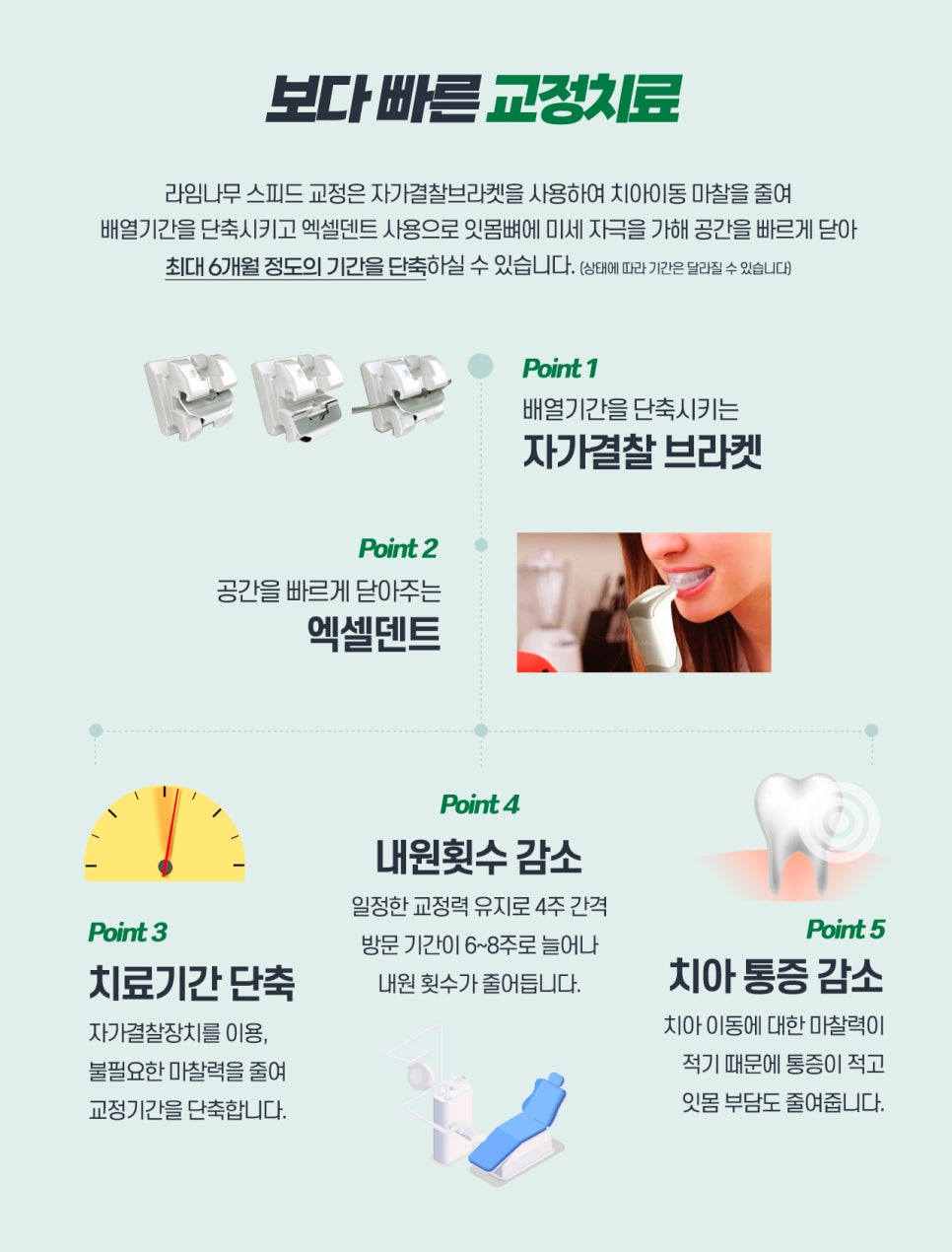
There are quite a few types of orthodontic appliances. When choosing an appliance, the patient’s condition and needs are both considered to begin with the most suitable one. If we pick the appliances most commonly used in general, ceramic brackets and Clippy-C brackets are two examples.
Ceramic brackets and Clippy-C brackets are similar in that they share the same ceramic material and offer excellent aesthetics. However, they differ in the way the wire is connected to the appliance. Ceramic brackets use elastic bands or thin wire to connect the appliance and the archwire, whereas Clippy-C brackets use a snap-type self-ligating mechanism.
With this method, friction between the teeth and the appliance is reduced, allowing orthodontic force to be delivered more effectively to the teeth, which can shorten the treatment period. It also has the advantage of causing less pain during orthodontic treatment compared with conventional braces.
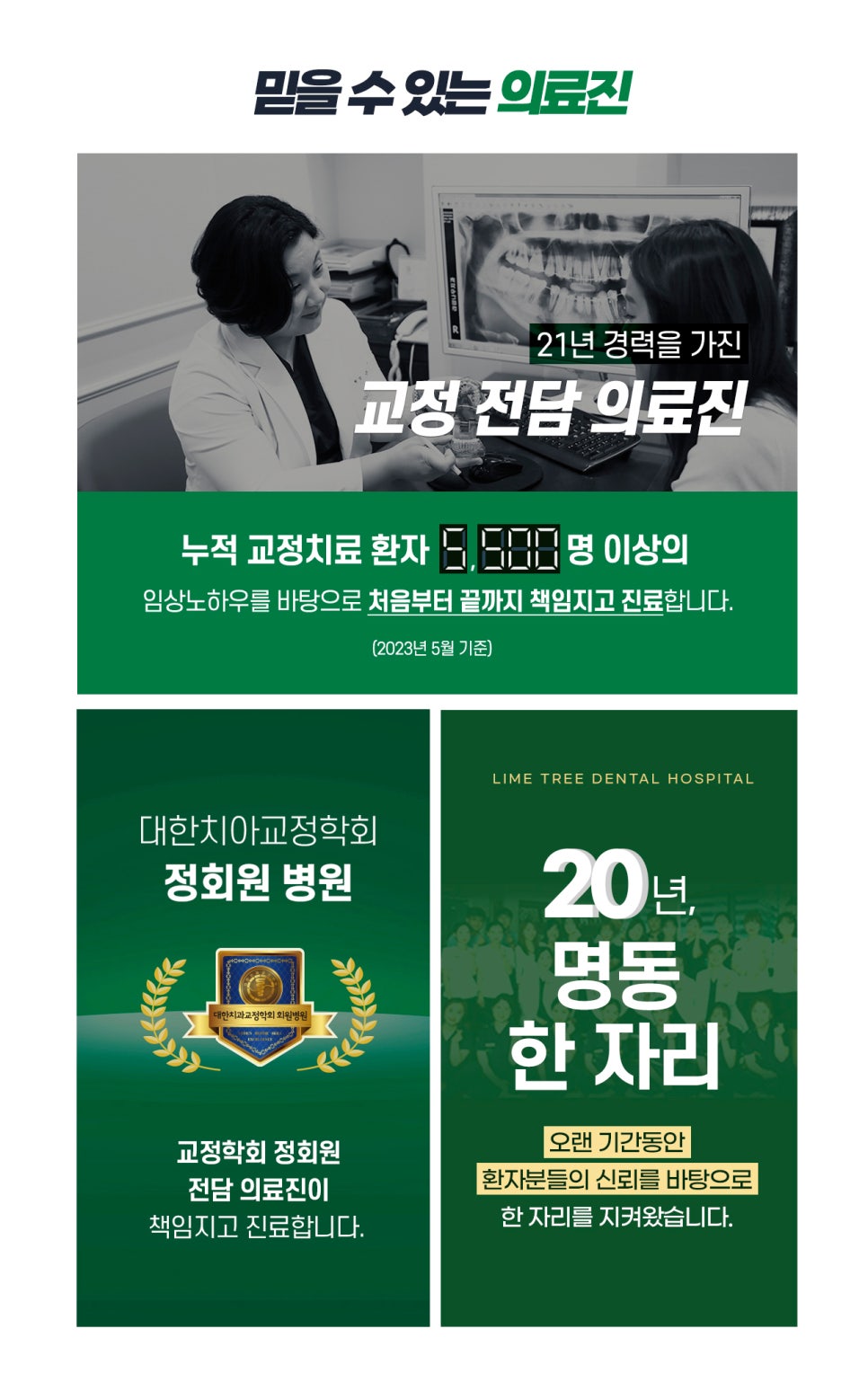
Lime Tree Dental Hospital is a member hospital of the Korean Association of Orthodontists, and orthodontic treatment is carried out directly by clinicians who are full members of the association. With 21 years of experience gained from treating many patients over a long period, the hospital strives to achieve better results. In addition, throughout the lengthy treatment period, the same clinicians remain responsible for the patient from diagnosis through follow-up care, without any changes in the medical staff.