Hello, everyone.
This is Dia Dental Clinic, taking care of your oral health at Magok Station!
Did you remember our last post?
We took a careful look at what periodontal disease is.
Do you remember the messages, “Gum disease is not just simple swelling or bleeding,”
and “It stays quiet at first, but becomes a headache when it suddenly breaks out later”?
If you haven’t read it yet, I recommend taking a look.
A healthy gum life starts with understanding the basics!
Last time, we organized what periodontal disease is. Today, let’s go one step further.
Why does periodontal disease happen in the first place?
And why do your gums keep becoming sensitive even though you brush well?
In today’s post, we’ll give you the answer to exactly that question!
We’ll break down the main causes that lead to gum disease one by one.
By the time you finish reading, you’ll also have a standard for checking your own oral health.
So, shall we take a closer look together with Dia Dental Clinic?
Why does periodontal disease happen?
- Malocclusion with crooked tooth alignment
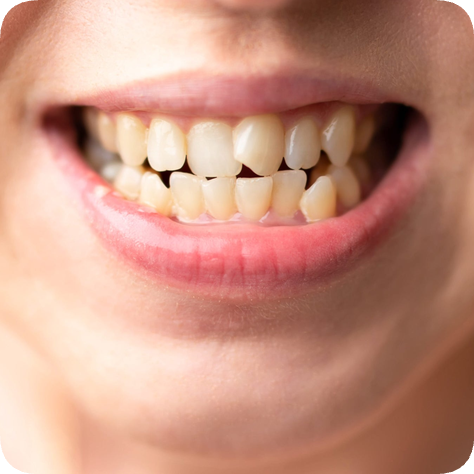
Mokgok Station Dental Clinic_Malocclusion
Have you ever looked in the mirror and thought,
“Wait, why are these teeth overlapping like this?”
When teeth are not aligned well, brushing becomes difficult,
and as a result, food debris + bacteria = plaque builds up heavily in hard-to-reach areas.
Over time, this plaque hardens like a rock into what is called tartar.
Eventually, inflammation develops in the gums, and if left untreated, a frightening scenario begins in which even the bone is destroyed.
It’s not just a matter of “not looking pretty,” but a structural problem that threatens your health!
- Hormonal changes due to pregnancy or menopause

Mokgok Station Dental Clinic_Pregnancy
For women, this is a time of hormonal change that is experienced at least once in life.
Representative examples are pregnancy, the periods before and after childbirth, and menopause.
During these periods, hormone levels such as estrogen and progesterone change rapidly,
making the whole body more sensitive, and the gums are no exception.
Hormonal changes expand the blood vessels in the gums and make immune responses more sensitive,
so plaque or tartar that had been quiet can suddenly cause the gums to swell
and trigger inflammatory reactions such as bleeding.
Especially during pregnancy, many people think, “I’m worried about getting treatment, so I’ll just let it go.”
In reality, it is much safer to have regular checkups and scaling beforehand to stabilize your gum condition.
Menopause is the same—don’t overlook even small symptoms; check and manage them early.
- Genetic influence

Mokgok Station Dental Clinic_Genetic Influence
“My dad had weak gums too, so he struggled with them since he was young... ”
If you’ve ever heard a story like this at home, pay attention!^^
It means you may have a constitution genetically prone to weaker gums.
But even if it’s genetic, it’s not your “destiny.”
Regular checkups, scaling, and gum care can prevent it sufficiently.
In other words, more important than your inborn constitution is a consistent care habit.
- Smoking, it’s about time to stop!

Mokgok Station Dental Clinic_Smoking
You already know smoking is bad for your body.
But did you know it’s also extremely harmful to your gums?
Nicotine in cigarettes constricts blood vessels, interfering with the supply of oxygen and nutrients to the gums,
and weakens the activity of immune cells, making gum inflammation worse.
In fact, smokers are more than four times more likely to develop periodontal disease than non-smokers.
Of course, if quitting right away is difficult, at least do your regular dental checkups and gum care properly!
Shouldn’t you at least build a defense line so it doesn’t get worse than it is now?
- Uncontrolled diabetes
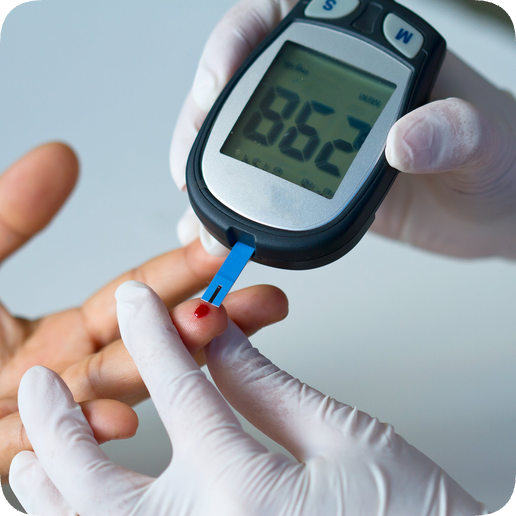
Mokgok Station Dental Clinic_Diabetes
This is a truly important topic.
When you have diabetes, immunity drops, and even small injuries to the gums can easily spread into inflammation.
Even if symptoms such as bleeding and swelling appear, they don’t heal well.
In addition, studies have shown that diabetes patients are three times more likely to develop periodontal disease than the general population.
If you have diabetes, gum care is not a “choice” but a “necessity.”
Please be sure to have your condition checked regularly at the dental clinic.
Let’s summarize the causes of periodontal disease again.
- Malocclusion
- Hard-to-reach areas while brushing lead to plaque and tartar buildup, which in turn leads to inflammation
- Genetics
- Even if there is a constitutional influence, prevention depends on “habits”
- Pregnancy, menopause
- Gum inflammation increases due to hormonal changes
- Smoking
- Blocking blood flow to the gums + lowered immunity means the disease progresses differently
- Diabetes
- Weakened immunity + persistent inflammation raises the risk of periodontal disease by 3 times
If, while reading today’s post, there was anything that made you think, “Huh...? That applies to me too?”
that may be a very important signal from your gums.
While you say, “I’ll just skip it today and go next time~,” your gums can quietly,
but certainly, collapse.
We would like to emphasize once again how important early diagnosis and prevention are.

Mokgok Station Dental Clinic_Dia Dental Clinic
Dia Dental Clinic at Magok Station is ready to firmly protect your oral health
with regular checkups and scaling, as well as personalized gum care that carefully examines your gum condition.
Next time, we’ll take a closer look at the symptoms that appear when periodontal disease progresses.
Thank you for reading to the end today.
Don’t just pass by the signals your gums are sending—start with a dental checkup today!
[ This post was written under the Medical Service Act for the purpose of providing correct information about dental surgeries and procedures. Since infection and side effects may occur after surgery, you should decide on surgery (procedure) only after thorough consultation with a skilled medical professional. ]
[ Magok-dong Dia Dental Clinic Periodontal Disease Series ]
-
What is periodontal disease?
-
Causes of periodontal disease
-
Self-diagnosis of periodontal disease
-
Diagnostic tests for periodontal disease
-
Treatment of periodontal disease
-
Management after periodontal disease treatment
-
Prevention of periodontal disease