Hello.
We are Dia Dental Clinic at Magok Station, a dental clinic that truly cares about gum health.
When you’re standing in front of something delicious and thinking, ‘Just one more bite... one more...,’
then suddenly you’re full, your face feels puffy the next day, and your stomach feels heavy...
That feeling of your body whispering, ‘Let’s practice some restraint now,’ is something everyone knows, right?
Just as your body sends warning signs after overeating, your gums also send signals before problems get serious.
If you notice bleeding, swelling, bad breath, or even a small amount of pus somewhere,
this already means a red flag has gone up for gum health.
So last time, on the Dia Dental Clinic blog, we introduced treatment methods for periodontal disease.
If you haven’t seen it yet, please check the link below first.
And today, following that treatment, we’d like to cover the truly important topic:
post-treatment care for periodontal disease.
Treatment is important, of course, but the results can vary depending on how you care for yourself during recovery.
The moment you think, “Ah, I guess I’m all better now,” problems can start again!
Today, we’ll go over 8 precautions you should never miss after periodontal disease treatment—just as important as the treatment itself—and share smart tips for gum care one by one.
Shall we get started?
8 precautions after periodontal disease treatment you’ll regret missing
- Be sure to delay eating until the anesthesia wears off.

Magok Station Dental Clinic_ Start with soft foods
Most periodontal treatments are performed with local anesthesia.
If you eat while the anesthesia has not fully worn off,
there is a risk of biting your tongue or chewing your cheek.
So fasting for 2–3 hours after anesthesia is the rule!
Once sensation returns, start with soft, warm foods.
And be sure to chew slowly on the side opposite the treated area.
- Brush and floss more carefully from now on.
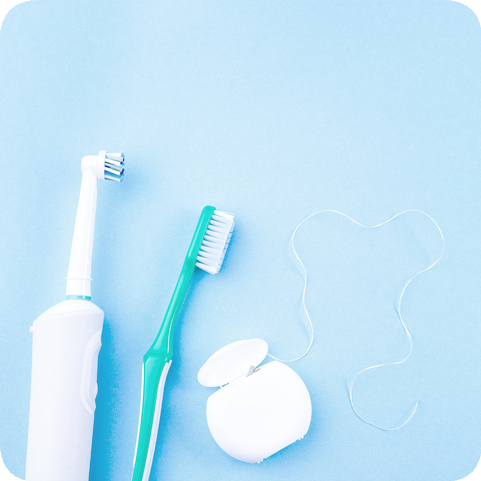
Magok Station Dental Clinic_ Thorough oral hygiene management
Just because you’ve received treatment doesn’t mean you should put down your toothbrush; the bacteria will cheer and gather right back.
Use a soft toothbrush gently so as not to irritate the gums.
Please also use floss and interdental brushes.
If you were prescribed an oral antiseptic, using it twice a day, 30 minutes after brushing, is even more effective.
- Reduce swelling and pain quickly with cold compresses.
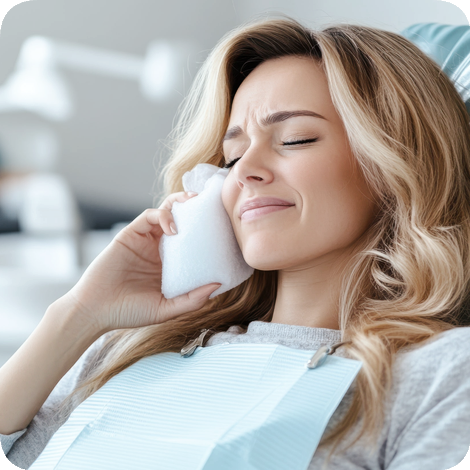
Magok Station Dental Clinic_ Cold compress
After root planing or gum surgery, cold compresses are not optional—they’re essential.
Ice packs slightly constrict blood vessels, reducing swelling and bleeding, and also help relieve pain.
But! To prevent frostbite, do 10 minutes of cold compress + 10 minutes of rest.
- Don’t overdo it—rest well and give yourself time to recover.

Magok Station Dental Clinic_ Sufficient rest
After surgery or treatment, our bodies switch into “recovery mode.”
At this time, the most important thing is enough rest.
Pause strenuous exercise for now, and take care of your immune system with balanced meals and adequate hydration.
Your gums and your mind will recover together.
- To help your gums recover, quit smoking and drinking now.

Magok Station Dental Clinic_ No smoking, no drinking
Your gums are recovering after treatment, but if you interfere with a puff of cigarette smoke or a drink of alcohol...
those hardworking gums will be upset.
Smoking and drinking interfere with blood flow and slow recovery.
They also increase the risk of infection at the treated area, so why not use this opportunity to quit smoking and drinking?
- Take your medication to the end—don’t leave any behind.

Magok Station Dental Clinic_ Taking prescription medication
“Nothing hurts anymore... so I guess I don’t need to take the medicine?”
Even if your symptoms improve, you must take your prescribed medication all the way to the end.
In particular, if antibiotics are stopped midway, their effectiveness decreases and bacterial resistance can develop.
If the pain is severe, you may manage it with over-the-counter fever reducers and pain relievers such as Tylenol or ibuprofen.
- Do not touch the treated area, even if you’re curious.
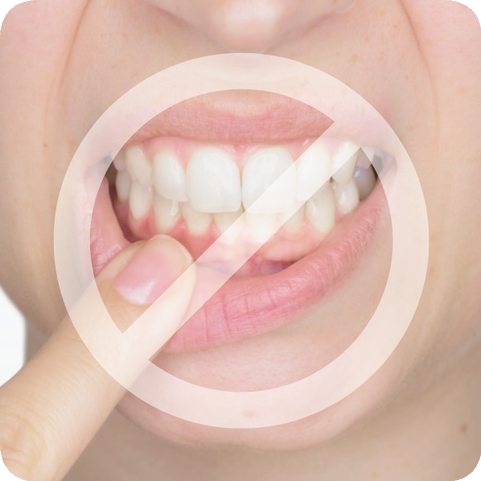
Magok Station Dental Clinic_ No stimulation of the treated area
Your gums may feel sensitive, or your teeth may feel slightly loose.
But this is part of the recovery process.
If you touch it with your tongue or press on it with your hand because you’re wondering, “Has it attached well?”
recovery may slow down, or the gums may be damaged again.
It’s best to leave it alone as quietly and gently as possible, without stimulation.
- Be sure to keep your regular checkup appointments.
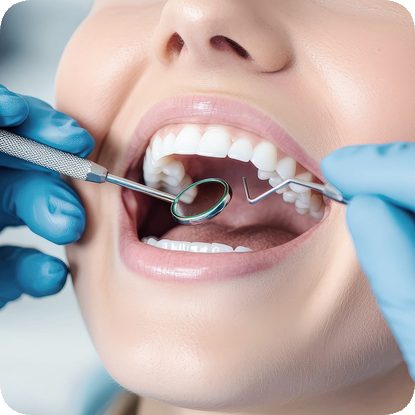
Magok Station Dental Clinic_ Regular checkups
Periodontal disease can sometimes be cured all at once, but in most cases, ongoing care is important.
Be sure to keep your scheduled checkup dates, and if you feel even a small discomfort, don’t delay—visit the clinic again.
Dia Dental Clinic at Magok Station is ready to protect your gums to the very end!
[We’ve summarized the precautions after periodontal disease treatment.
-
Start eating after the anesthesia wears off
-
Thorough hygiene care such as brushing and flossing
-
Cold compresses for 2–3 days after treatment
-
충분한 rest and nutritional intake
-
Promote recovery by quitting smoking and drinking
-
Take prescribed medication to the end
-
Never touch the treated area
-
Finish care with regular checkups
“Dia Dental Clinic handles the treatment, and you complete the care!”
Even if you just manage your care well after periodontal disease treatment, the chance of inflammation returning becomes much lower.
Rather than the complacency of “It’ll probably be fine,” the wise choice of “Since I’ve already been treated, let’s take care of it properly!”
will protect your healthy smile for much longer.
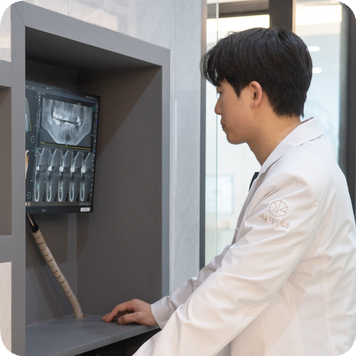
Magok Station Dental Clinic_ Dia Dental Clinic
Dia Dental Clinic continues to support your gum health today as well.
Next time, we’ll share tips to help prevent gum disease from developing in the first place.
It won’t take long. ^^ We’ll be back tomorrow!!
[ This post was written in accordance with the Medical Service Act for the purpose of providing correct information about dental surgeries and procedures. Because infection and side effects may occur after surgery, you should decide on surgery (or procedures) only after 충분한 consultation with skilled medical staff. ]
[ Magok-dong Dia Dental Clinic Periodontal Disease Series ]
-
What is periodontal disease?
-
Causes of periodontal disease
-
Self-diagnosis of periodontal disease
-
Diagnostic tests for periodontal disease
-
Treatment for periodontal disease
-
Care after periodontal disease treatment
-
Prevention of periodontal disease