Hello.
We are Dia Dental Clinic, taking care of healthy smiles at Magok Station.
For a while, a tooth that had felt fine suddenly starts throbbing,
and if you feel an uncomfortable sensation every time you open your mouth, most people think, “Ah, maybe it’s a cavity?”
But the cause of that pain may be that very tooth that emerges late from the deepest part of the mouth: the wisdom tooth.
Just hearing the name sounds somewhat romantic, and maybe even like a first love...
But in reality, it hurts a lot more and lasts much longer than a first love.
In fact, when people see it, most start by saying, “This needs to be removed.”
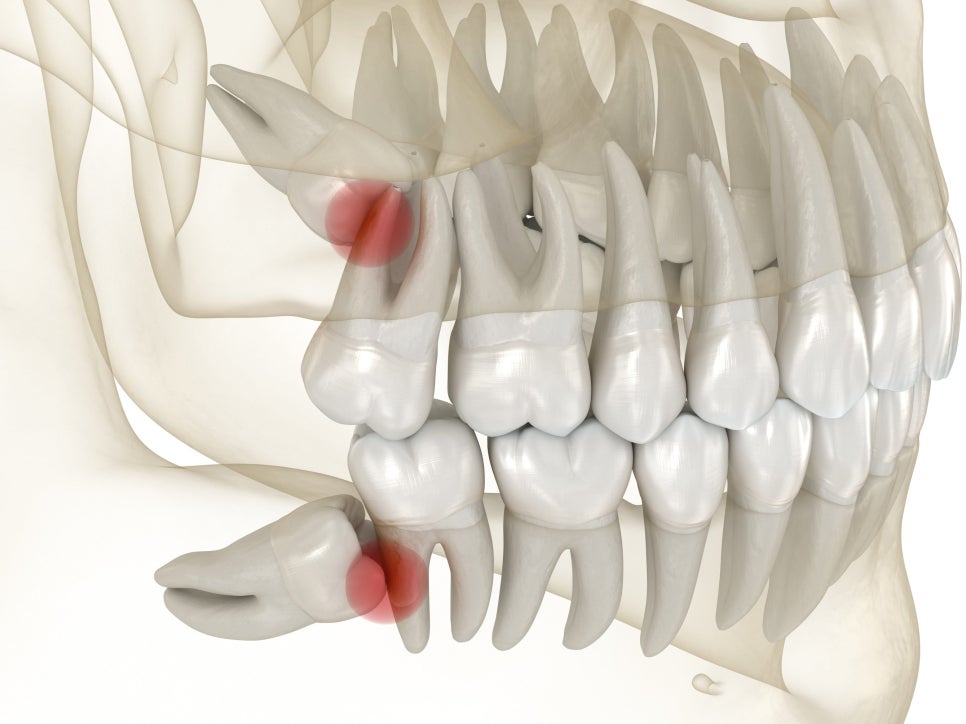
Magok-dong Dental Clinic_Wisdom Tooth
Why does the word “wisdom” get attached to it?
It is said that the name comes from the fact that it erupts during the late teens to early twenties, when emotions are most sensitive.
After hearing that, it somehow makes sense, doesn’t it?^^
This tooth has such a story behind it... its name is wisdom tooth...
There is more to say than simply calling it “a tooth that needs to be extracted.”
So from today, Dia Dental Clinic will begin to go through the wisdom tooth series one by one.
The first topic is: “When, where, and why does this tooth emerge?”
We’ll talk about the identity of the wisdom tooth.
Let’s take a look at that story together now.
Where are wisdom teeth located?
Wisdom tooth location
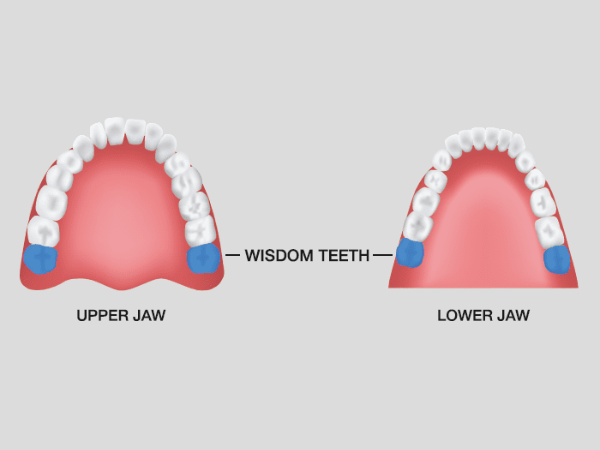
Magok-dong Dental Clinic_Wisdom tooth location
Wisdom teeth sit in the quietest, deepest part of the mouth.
From their location alone, they seem to say, “I’ll just stay quietly in the back~,”
but when it’s time to emerge, they make a very dramatic entrance.
More precisely, at the very end of the molars,
two in the upper jaw and two in the lower jaw,
there are usually a total of four wisdom teeth.
But not everyone has all four.
It varies from person to person.
Some people have only one or two, and some people don’t have any wisdom teeth at all.
In fact, it is known that about 7% of the population never develops wisdom teeth.
This is not just a simple individual difference; as humans evolved,
the jawbone gradually became smaller and there was no longer enough room for wisdom teeth.
That is why they are sometimes nicknamed “teeth that are disappearing through evolution.”
When do they erupt?
Wisdom tooth eruption timing
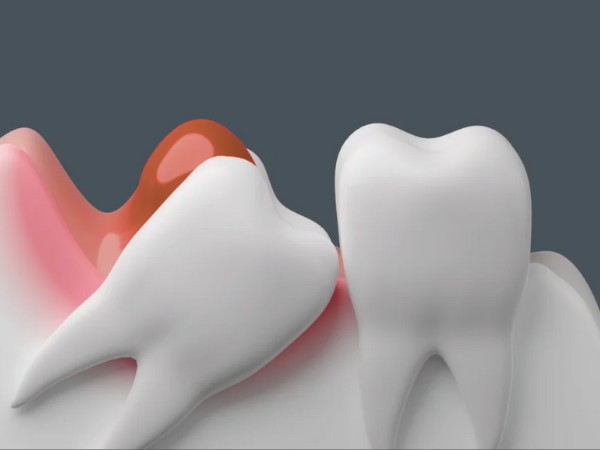
Magok-dong Dental Clinic_Wisdom tooth eruption
On average, they begin to erupt between the ages of 17 and 25.
That is why, in English, they are called a 'wisdom tooth,' and in medical terms, the third molar.
They are also called the tooth that erupts around the time wisdom begins to develop.
But because the other teeth have already filled the available space,
and the wisdom teeth erupt late, they often fail to settle properly and come in sideways,
or remain impacted in the gums and cause inflammation.
How are wisdom teeth different from other teeth?
Differences from other teeth
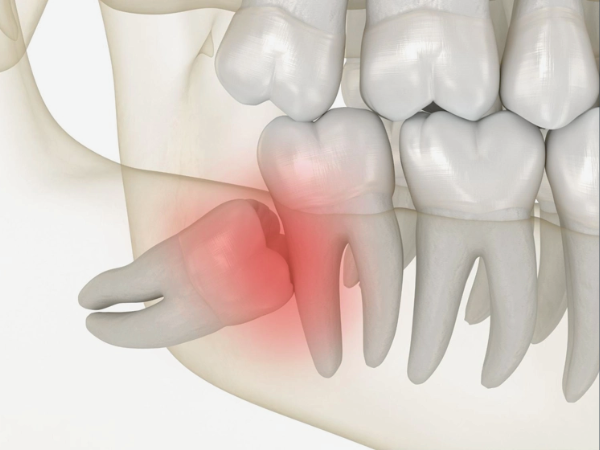
Magok-dong Dental Clinic_Third molar lying at an angle
On the surface, a wisdom tooth can just look like another molar.
But if you look closely, wisdom teeth are surprisingly unique.
In reality, they do not play a major role in chewing food.
In most cases, there is not enough space, so they either erupt overlapping with other teeth
or remain partially covered, making their practical role minimal.
Their root shapes and directions also vary widely.
Some roots are curved or split into multiple branches, which can make extraction difficult.
And because they are located so far back, toothbrushes often cannot reach them properly.
As a result, they become an environment where cavities and gum inflammation can easily occur.
At this point, many people wonder.
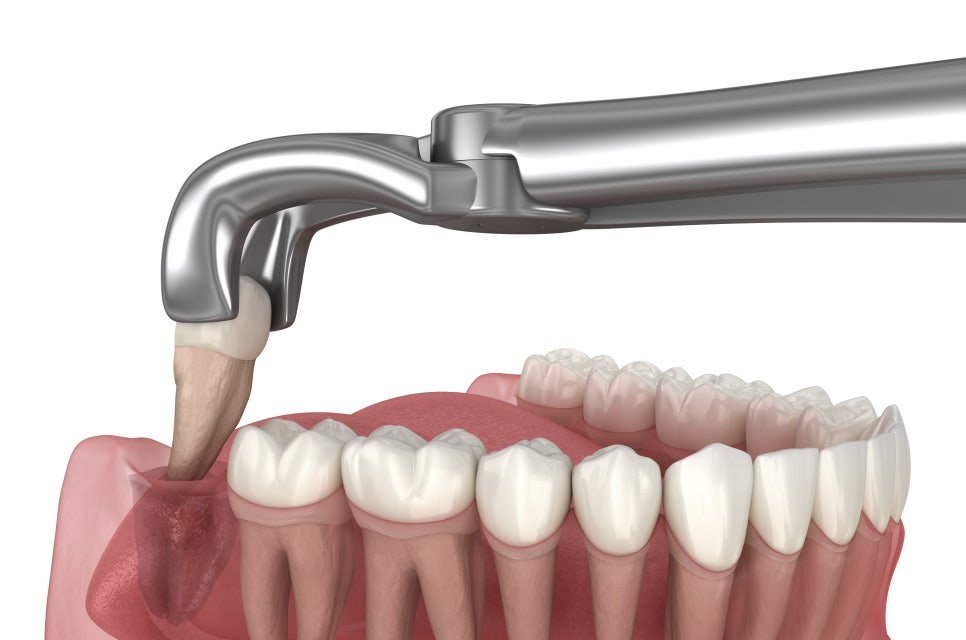
Magok-dong Dental Clinic_Wisdom tooth extraction
“Do they absolutely need to be removed?”
To answer from the conclusion first, it depends on the person.
If there is enough space, it has erupted straight, and it functions without cavities or inflammation,
there are cases where it does not need to be removed.
However, because they are highly likely to become the source of problems,
the standard practice in dentistry is to take an X-ray in advance and decide whether treatment or preventive extraction is needed.
Today, we took a step-by-step look at the identity of wisdom teeth.
Pain that first seemed like a simple “cavity?” may in fact be a wisdom tooth,
and it is also a tooth with a much more complex story than it appears.

Magok-dong Dental Clinic_Dia Dental Clinic
In the next installment, we will explain in more detail whether there are cases in which wisdom teeth absolutely need to be extracted,
along with the reasons and background.
If, while reading this, you thought, “The area behind my molars has been a little uncomfortable lately...,”
please stop by Dia Dental Clinic, even if just for a quick check.
The smartest approach is to diagnose wisdom teeth quickly and respond appropriately when necessary.
[ This post was written in accordance with the Medical Service Act for the purpose of providing accurate information about dental surgery and procedures. Infection and side effects may occur after surgery, so the procedure should be decided after thorough consultation with a skilled medical professional. ]
[Magok Station Dia Dental Clinic Wisdom Tooth Series]
-
Wisdom tooth location and eruption timing
-
Problems that occur when wisdom teeth are left untreated
-
Types of wisdom teeth
-
Wisdom tooth extraction process
-
Care after wisdom tooth extraction
-
Pain after wisdom tooth extraction
-
Dry socket after wisdom tooth extraction
-
Bleeding control after wisdom tooth extraction
-
Eating after wisdom tooth extraction
-
Cost of wisdom tooth extraction