Hello.
This is Dia Dental Clinic, where we help protect healthy smiles near Magok Station.
Last time, we covered where wisdom teeth come from and when they usually erupt.
If you haven’t seen Part 1 yet, we recommend checking it first through the link below.
So now, let’s get to the main point.
One of the biggest questions about wisdom teeth is whether they need to be removed.
A wisdom tooth may not hurt right now, and at first glance it may look fine.
We understand why you might hesitate, worried that touching it could make things worse.
But wisdom teeth are not just “teeth that haven’t fully come in.”
If left alone, they can become a hidden major troublemaker that creates all kinds of problems.
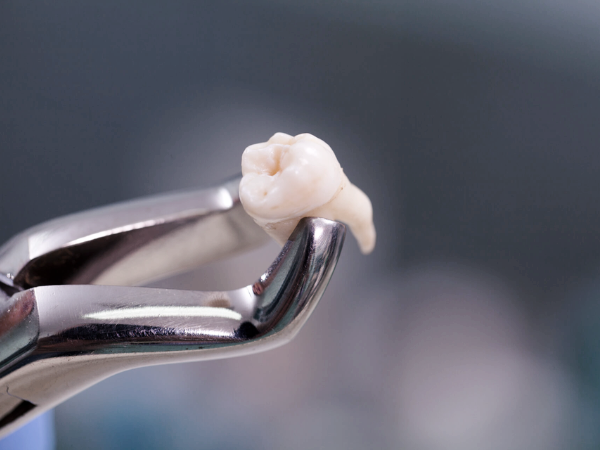
Mok-dong Dental Clinic_ Wisdom tooth extraction
So today, here’s the next part!
We’ll take a close look at whether wisdom teeth really need to be removed, and what problems can happen if they are left alone.
Problems caused by leaving wisdom teeth untreated
- The most common problems: cavities and gum inflammation
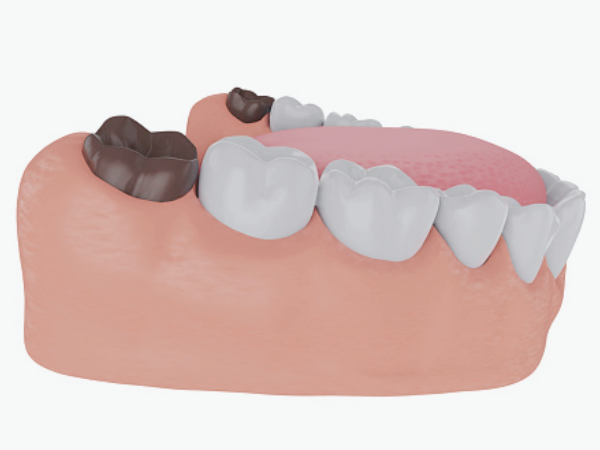
Mok-dong Dental Clinic_ Wisdom tooth cavity
Wisdom teeth emerge in the deepest part of the mouth,
that is, at the very back of the molars.
The problem is… that space is too narrow.
With the other teeth already occupying all their places,
wisdom teeth that try to push through usually come in at an angle or crooked.
Some even show only a small part above the gums.
As a result, they are hard to reach with a toothbrush, bacteria build up easily,
and the environment becomes ideal for cavities and gum inflammation.
If pain, swelling, bad breath, or even pus-filled inflammation occurs,
then it is no longer something a single painkiller can solve.
- Wisdom teeth are also difficult to treat.
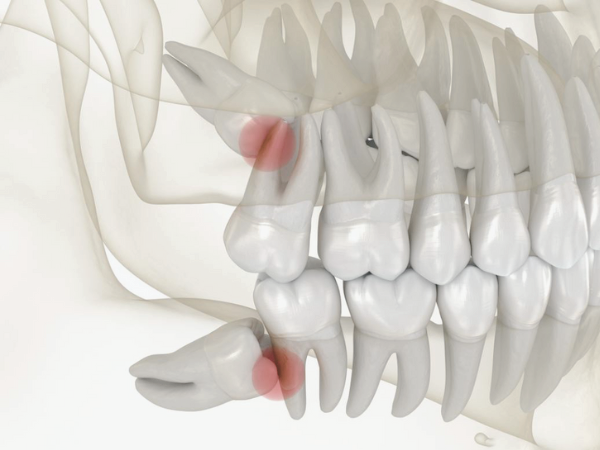
Mok-dong Dental Clinic_ Located at the very back of the mouth
Because the position of wisdom teeth is so deep and awkward,
even if a cavity develops, they are structurally difficult to finish treating the same way as other teeth.
Dental instruments have difficulty reaching them,
and the roots may not be clearly visible on X-rays,
so in many cases extraction is a more realistic option than treatment.
On top of that, wisdom teeth come in all shapes.
Some have curved roots, while others have roots split into two or more parts,
making them much more difficult than a typical extraction.
- They can even damage the neighboring teeth?!
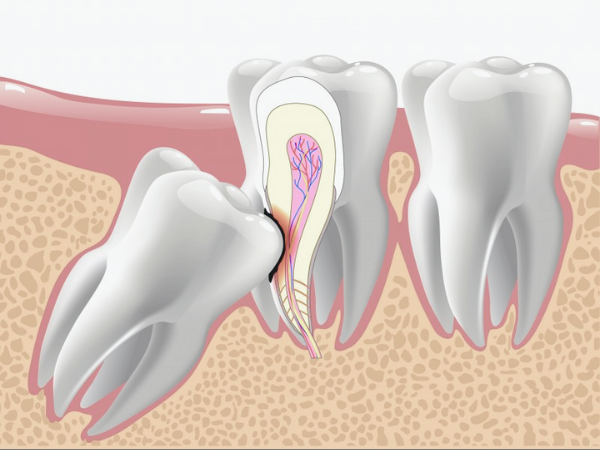
Mok-dong Dental Clinic_ Damage to surrounding teeth
The wisdom tooth itself is not the only problem.
It often affects the tooth right next to it, that is, the second molar.
A wisdom tooth that grows in at an angle may push against the adjacent tooth,
or food may get trapped in the gap, causing a chain reaction of cavities.
In addition, if the wisdom tooth directly presses on the root of the neighboring tooth,
even a healthy tooth can be damaged, eventually leading to a situation where it also has to be extracted.
The same goes for gum inflammation.
If inflammation around the wisdom tooth spreads, overall oral health gets worse,
and in severe cases it can even cause jaw pain or malocclusion.
- If left untreated, a cyst can also form.
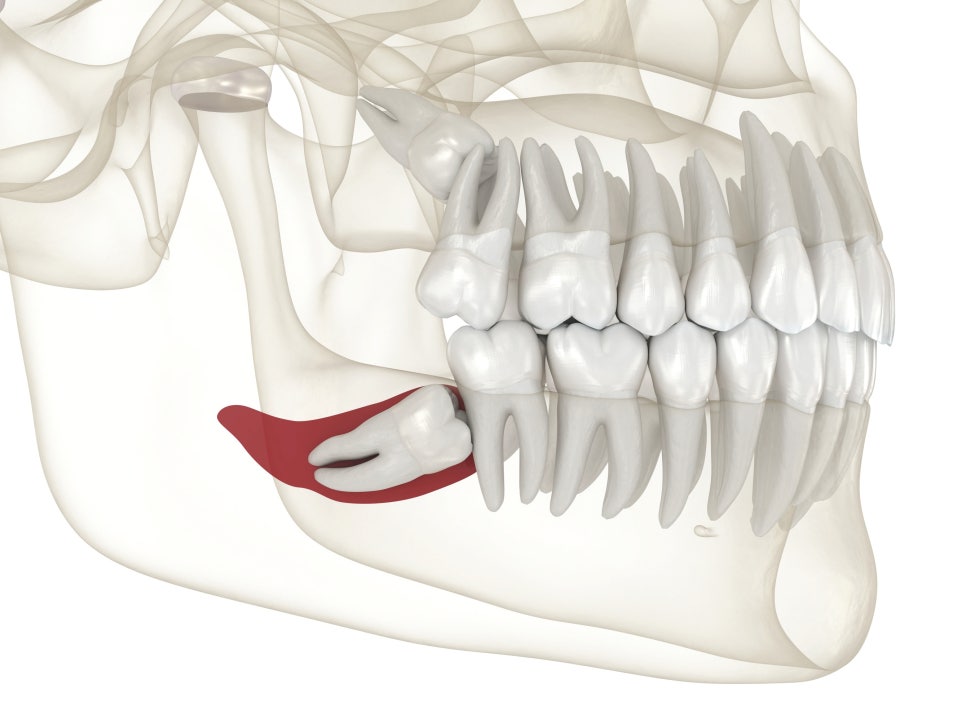
Mok-dong Dental Clinic_ Dentigerous cyst
This is especially true for impacted wisdom teeth.
Just because they are not visible does not mean you can relax.
That is because fluid-filled cysts can form around wisdom teeth trapped inside the gums.
These cysts gradually grow larger over time, weaken the jawbone,
and can develop into dangerous lesions that may even affect the nerves.
In severe cases, there may even be a risk of jawbone fracture, and this can lead to a complex surgical procedure under general anesthesia
where the wisdom tooth and cyst must be removed at the same time.
Even without symptoms, don’t let your guard down! Regular checkups are the answer

Mok-dong Dental Clinic_ Dia Dental Clinic regular checkup
Some of you may be thinking, “I’m fine,” or “It doesn’t hurt at all.”
But the thing is…
wisdom teeth are very quiet until problems develop.
By the time symptoms appear, inflammation or damage has often already progressed.
So even if you have no symptoms, we recommend getting an X-ray checkup at a dental clinic once every 1 to 2 years
to check the position, direction, and condition of your wisdom teeth.
In particular, lower wisdom teeth often grow close to the nerves,
so the timing and method of treatment can make a big difference in the outcome.
Today, we talked about the question, “Do wisdom teeth really need to be removed?”
focusing on the problems that can happen if they are left alone.
The conclusion is clear.
Wisdom teeth, if left alone, will cause problems as they are left alone,
and if neglected, they will create problems as they are neglected.
Even if you don’t have pain right now,
wisdom teeth are much better managed in advance.
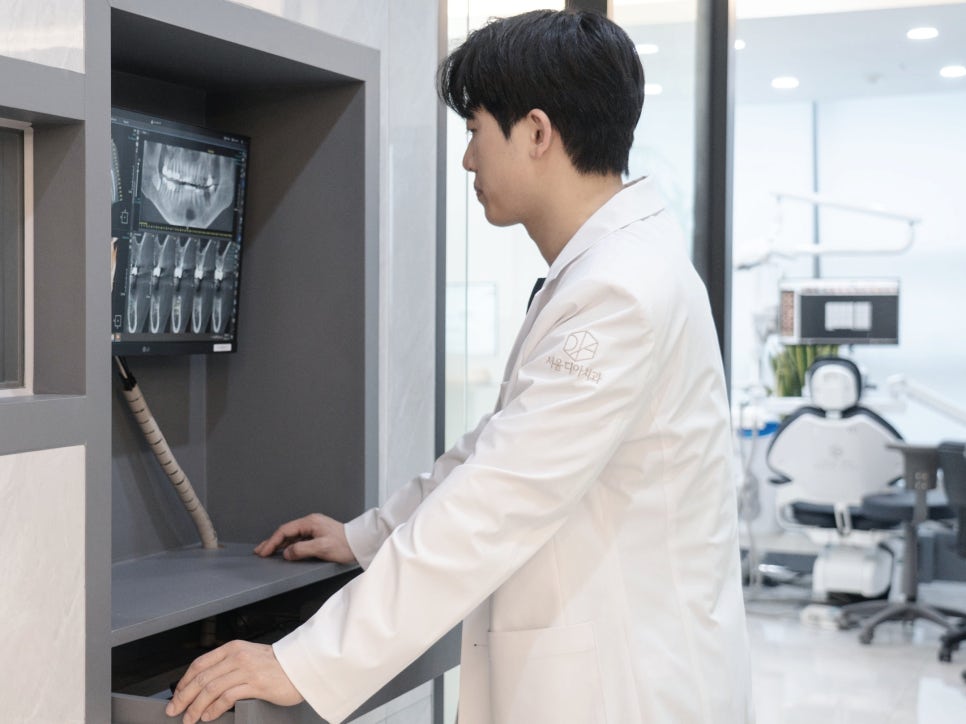
Mok-dong Dental Clinic_ Accurate diagnosis
At Dia Dental Clinic, we use X-rays to accurately check the position and condition of wisdom teeth,
and if necessary, we help with safe and quick extraction.
If the back of your molars feels oddly uncomfortable,
or brushing has become more difficult than before, now may be the right time to get it checked.
In the next installment, we’ll organize the different types of wisdom teeth,
including impacted, horizontal, and partially impacted wisdom teeth, as well as the treatment methods for each.
It won’t take long. We’ll be back tomorrow.
[ This post was written in accordance with the Medical Service Act for the purpose of providing accurate information about dental surgery and procedures. After surgery, infection and side effects may occur, so you should decide on surgery (procedure) after sufficient consultation with a skilled medical professional. ]
[Dia Dental Clinic Wisdom Tooth Series in Mok-dong]
-
Wisdom tooth location and eruption timing
-
Problems caused by leaving wisdom teeth untreated
-
Types of wisdom teeth
-
Wisdom tooth extraction process
-
Care after wisdom tooth extraction
-
Pain after wisdom tooth extraction
-
Dry socket after wisdom tooth extraction
-
Bleeding control after wisdom tooth extraction
-
Eating after wisdom tooth extraction
-
Wisdom tooth extraction cost