Hello.
We are Dia Dental Clinic, dedicated to protecting healthy smiles at Magok Station.
In the previous series, we took a close look at what wisdom teeth are,
where and when they appear, and what types there are.
If you haven’t seen those yet, we recommend checking the link below first.
Today is the next story!
We’d like to talk about the wisdom tooth extraction process.
A wisdom tooth may look like a small tooth from the outside,
but inside, it can have a complex structure and be positioned in a variety of ways, so the extraction process also needs to be approached in detail.
Now, let us explain the actual wisdom tooth extraction process at Dia Dental Clinic in an easy, 부담 없이, but accurate way!
How does the wisdom tooth extraction process proceed?
Step 1. Accurate diagnosis with X-ray and 3D CT
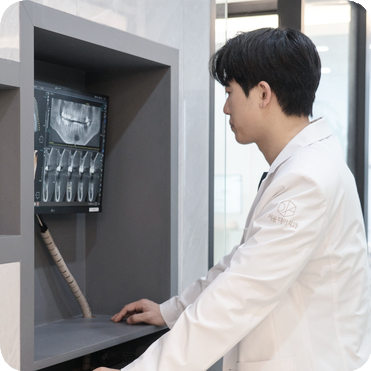
Maggok-dong dental clinic_diagnosis after examination
In most cases, wisdom teeth are hidden inside the gums,
or they are lying at a very ambiguous angle.
So we can’t just open the mouth and say, “We’ll take it out~.”
First, we start with tests for diagnosis.
A simple X-ray is used to check the wisdom tooth’s position, root shape, and distance from the nerves.
Then, a 3D CT scan is taken to check proximity to the nerve canal, the direction of impaction, and the condition of the jawbone.
Only after these tests are completed can a clear plan be established for whether it should be removed and when it is safest to do so.
Step 2. Safe anesthesia without pain

Maggok Station Dental Clinic_painless anesthesia device
Just hearing about wisdom tooth extraction makes you suddenly nervous?
Don’t worry.
Anesthesia techniques these days are truly excellent.
At Dia Dental Clinic, we minimize pain through local anesthesia in the mouth using a painless anesthesia device,
and to reduce anxiety, we help ease tension in a comfortable atmosphere.
Step 3. Minimal gum incision
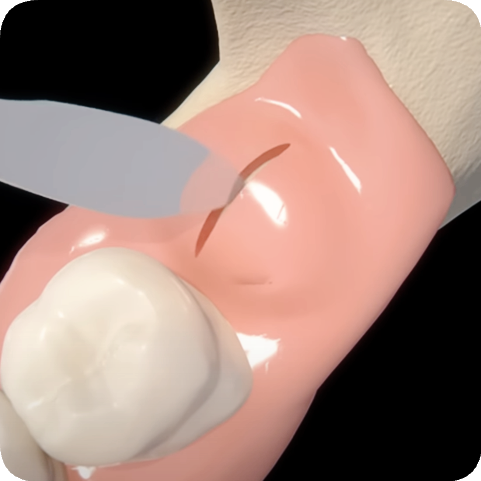
Maggok Station Dental Clinic_gum incision
In the case of impacted wisdom teeth,
because they are not exposed above the gums, we have to locate the tooth first.
So we begin by making only the minimum incision needed to secure visibility.
This process is carried out accurately and quickly based on precise imaging data.
Step 4. Removal of jawbone
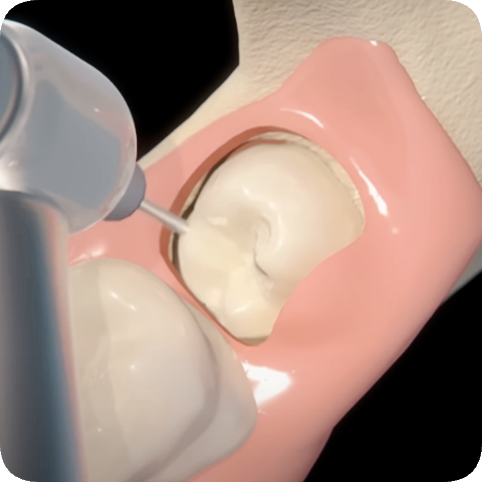
Maggok Station Dental Clinic_removal of jawbone
Beneath the incised gum, hard bone is waiting.
And beyond that bone, the wisdom tooth is positioned.
So a small amount of bone in that area is removed to create space for the tooth to come out.
This is called bone removal, and it is done safely and only as much as needed.
Step 5. Separation of the wisdom tooth
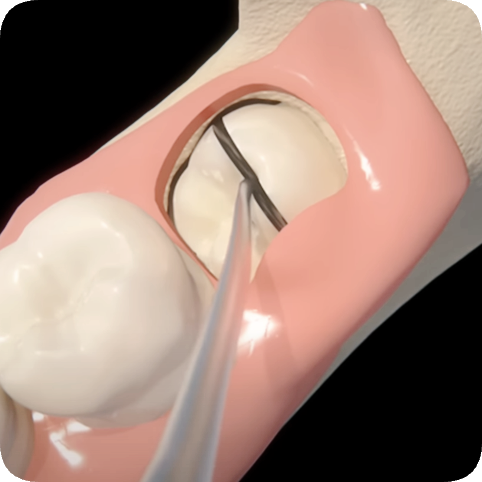
Maggok Station Dental Clinic_wisdom tooth separation
Most wisdom teeth have curved roots or
are split into two or more parts, making them difficult to remove as they are.
So they are appropriately divided and separated.
Breaking them into smaller pieces can reduce damage to surrounding tissue, which means less bleeding and faster recovery.
Step 6. Remove the separated wisdom tooth
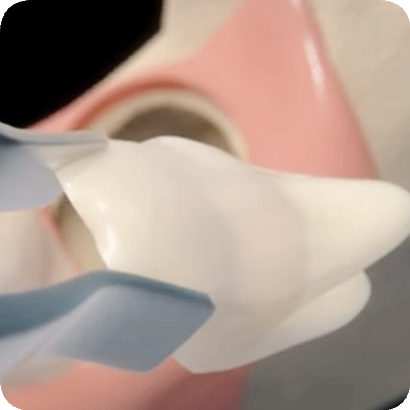
Maggok Station Dental Clinic_wisdom tooth removal
Now each piece is removed from the mouth one by one.
Even at this stage, force is not applied excessively; instead, the direction and angle are adjusted so it can come out naturally.
This is why an experienced medical team performs the extraction.
“Because the important thing is not to remove it forcefully, but to remove it with less injury.”
Step 7. Cleaning & disinfection
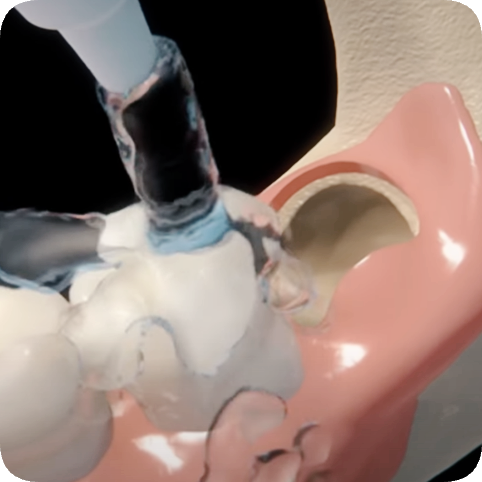
Maggok Station Dental Clinic_cleaning the extraction site
If any fragments or inflamed tissue remain, problems can start all over again.
So the extraction site is carefully examined to remove any remaining debris, and the process is completed with thorough disinfection.
Step 8. Gum suturing
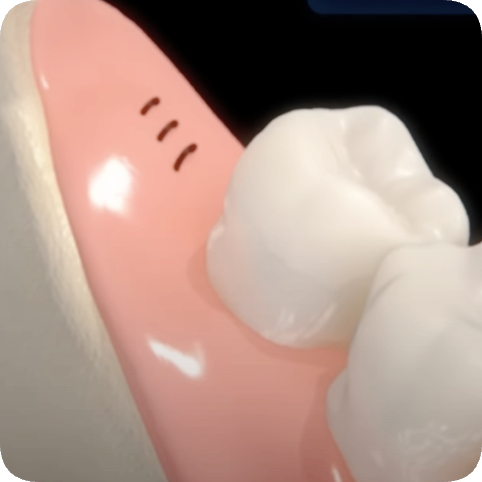
Maggok Station Dental Clinic_gum suturing
The incised area is carefully stitched.
This step helps the gum tissue heal properly.
When the stitches are removed a few days after extraction, the farewell to the wisdom tooth is officially complete.
Summary of the wisdom tooth extraction process!
Examination → anesthesia → incision → bone removal → separation → removal → disinfection → suturing
Even wisdom teeth hidden inside the gums can be safely and quickly extracted
The key to the entire process is accurate diagnosis + experienced medical staff + thorough hygiene management
There is a common misconception that wisdom teeth should be removed only when they hurt.
In reality, it is much better to remove them before pain develops.
If extraction is done before pain and inflammation occur, recovery is much faster,
and complex problems such as nerve damage, fracture, and cysts can also be prevented.

Maggok Station Dental Clinic_wisdom tooth extraction
At Dia Dental Clinic,
accurate imaging equipment, painless anesthesia options, and experienced medical staff work together
to make wisdom tooth extraction as comfortable and safe as possible.
We hope this post was helpful for those who have felt uncertain about the wisdom tooth extraction process.
In the next Part 5, we’ll carefully cover “post-extraction precautions”!
Now, the question is no longer, “Should I have it removed?” but rather, “How should I have it removed?”
Dia Dental Clinic will be with you.
[ This post was written in accordance with the Medical Service Act for the purpose of providing correct information about dental surgery and procedures. Since infection and side effects may occur after surgery, you should decide on surgery (procedure) only after consulting sufficiently with a skilled medical professional. ]
[Magok Station Dia Dental Clinic Wisdom Tooth Series]
-
Wisdom tooth position and when it appears
-
Problems caused by leaving wisdom teeth untreated
-
Types of wisdom teeth
-
Wisdom tooth extraction process
-
Care after wisdom tooth extraction
-
Pain after wisdom tooth extraction
-
Dry socket after wisdom tooth extraction
-
Bleeding control after wisdom tooth extraction
-
Meals after wisdom tooth extraction
-
Wisdom tooth extraction cost