Hello!
This is Seoul Dia Dental Clinic at Magok Station, your oral health manager.
This is already the fourth installment of the scaling series.
Before we begin this part, have you checked the previous post
[Scaling Costs & Health Insurance Coverage Criteria]?
If not, please go back and review it first!
We’ve neatly summarized practical tips, from when insurance applies to benefits for children!
Now that you’ve finished reviewing, let’s get into the main topic.
But there are still many people who hesitate to get scaling.
Why is that?
“I heard it wears down teeth…”
“It makes your teeth more sensitive afterward…”
“They say it creates gaps between your teeth…”
These are unfounded misconceptions,
and as a result, many people end up delaying the important removal of tartar.
No, no~ no!! That’s not okay.
Scaling is not just simple ‘cleaning.’
It is a good form of care and treatment that helps prevent gum disease and save teeth.
So we prepared this.
Magok Station Dia Dental Clinic explains it properly!
Let’s put the myths about scaling to rest once and for all today.
Shall we take a look together?
A Clear Look at Myths and Truths About Scaling
Myth 1. If you get scaling often, doesn’t it wear down your teeth?
Answer: It does not wear down your teeth. Rest assured!
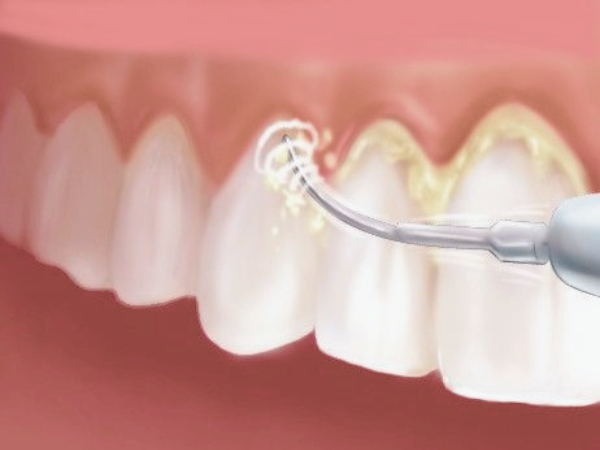
Magok-dong dental clinic_Selective tartar removal only
Scaling tools are devices that remove tartar using ultrasonic vibration.
They absolutely do not grind down or shave off teeth.
In fact, it is a process that cleans the tooth surface and clears it of bacteria.
What the tool touches is not the tooth, but the hard, hardened tartar.
Therefore, getting scaling often does not cause teeth to wear down or become weak.
In short, it is not a procedure that wears down teeth, but a preventive treatment that protects them.
Myth 2. My teeth feel sensitive after scaling—does that mean the tooth has been damaged?
Answer: The reason for the sensitivity is that the hidden root has been exposed.

Magok-dong dental clinic_Sensitive teeth
Tartar can sometimes hide in the gap between the gums and the teeth.
When the tartar is removed, the part of the tooth root that had been covered
may be exposed for a while, causing a sensitive feeling.
But don’t worry!
This is only temporary, and in most cases it improves within a few days.
As the gums recover from inflammation,
they naturally stabilize, and the sensitivity often gradually disappears.
In fact, this process can be a sign that “my gums are recovering healthily.”
Myth 3. After scaling, the spaces between my teeth have widened!
Answer: The teeth did not spread apart; the tartar was removed.
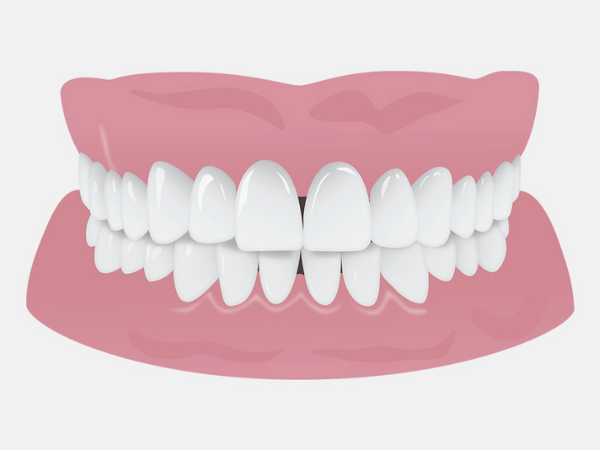
Magok-dong dental clinic_Gap between teeth
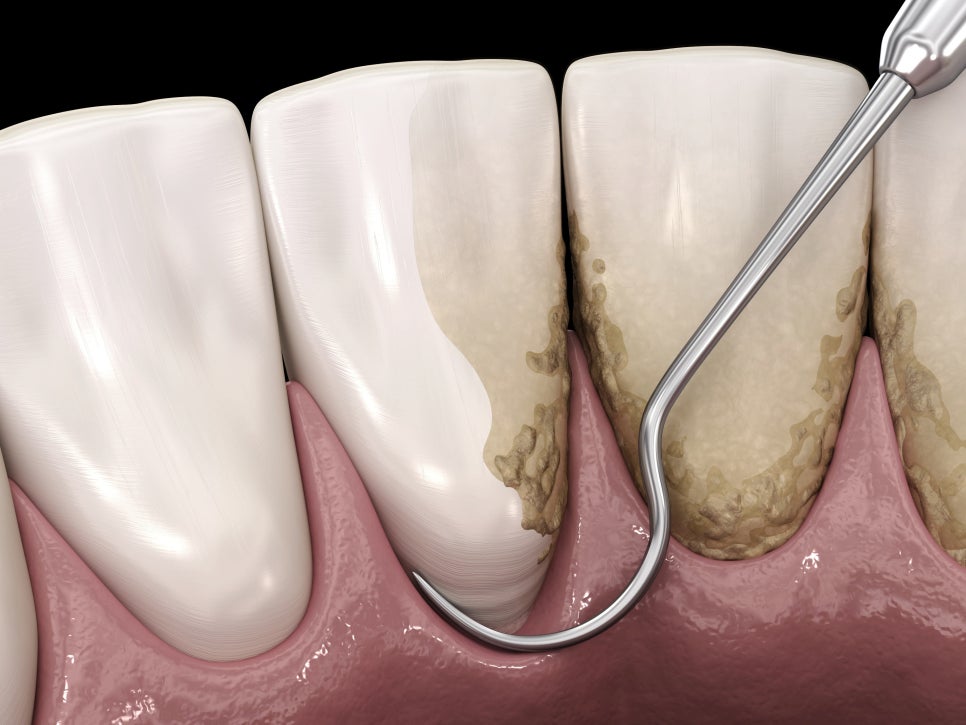
Tartar can build up thicker than you might think.
Especially when it accumulates in the gaps between teeth, it can look like the spaces have been filled in.
But in fact, bacteria had taken up that space.
When the tartar is removed, you may think, “Huh? It looks like the space got wider?”
but in reality, it simply reveals the original appearance of your teeth.
In other words, the teeth did not move apart; the space that had been occupied by buildup and bacteria has been cleared.
Myth 4. Is scaling a whitening treatment?
Answer: Similar, but different.
Magok-dong dental clinic_Brightened tooth color after tartar removal
Scaling is effective at removing stains (from coffee, cigarettes, wine, etc.),
but it is not a whitening treatment that changes the natural color of the teeth themselves.
That said, people often say their teeth look brighter after scaling
and that their appearance feels fresher because the stains are gone.
The reason is that the staining substances attached to the tooth surface
are removed through scaling, revealing the original color.
So scaling is not whitening, but stain removal!
In the end, it is true that it can greatly help create a neat-looking appearance.^^
Myth 5. If you brush well, isn’t it unnecessary to get scaling?
Answer: It is a treatment that clears what brushing cannot.
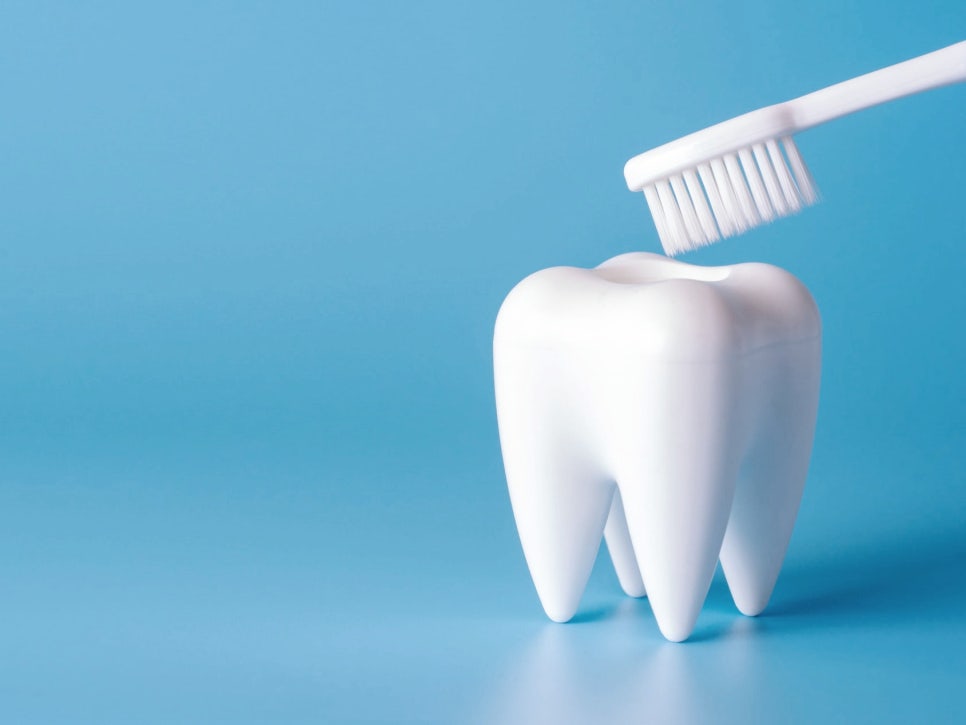
Magok-dong dental clinic_Toothbrushing
Toothbrushing and flossing can remove plaque to some extent,
but over time it hardens into tartar.
Once tartar hardens, no amount of brushing at home will remove it.
It can only be removed with scaling equipment.
Take a look at the myths and truths about scaling at a glance with this summary table!
| Myth | Truth |
|---|
| If you get it often, it wears down your teeth | Only tartar is removed; the teeth are protected |
| Sensitivity means the tooth has been damaged | It is a temporary exposure phenomenon and recovers within a few days |
| The spaces between teeth have widened | The tartar has been removed; it returns to the original state |
| Scaling is a whitening treatment | It removes stains, but it is not a whitening procedure |
| If you brush well, you don’t need it | Tartar cannot be removed by brushing; regular care is needed |
Most myths about scaling come from a lack of accurate information.
Rather than “someone said so~,” explanations from a trusted professional are more important, right?
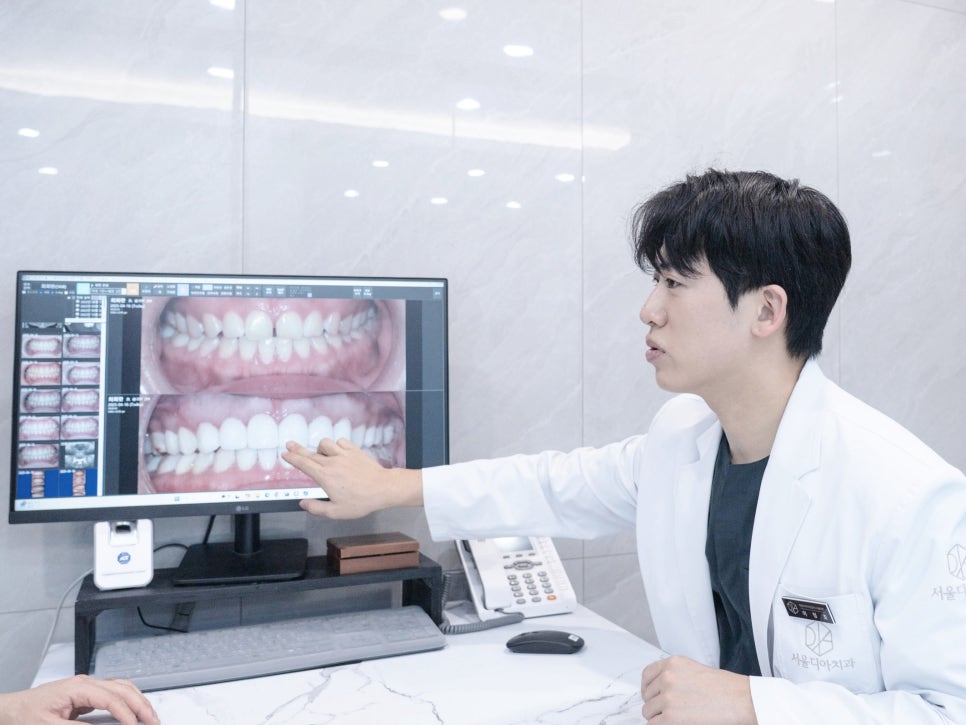
Magok-dong dental clinic_Dia Dental Clinic consultation
Seoul Dia Dental Clinic at Magok Station
kindly and comfortably guides you through the entire process, from pre-procedure consultation, during-procedure guidance, to post-procedure care.
There are many people who, once they visit, say, “Oh~ that’s not a big deal! I was worried for nothing!”
So come to Dia Dental Clinic for scaling without worry and without misconceptions.^^
Next time, the final story in the scaling series!
Dia Dental Clinic will neatly summarize the last set of useful tips on precautions after scaling.
Please look forward to the next post!
[ This post was written in accordance with the Medical Service Act for the purpose of providing correct information about dental surgery and procedures. Infection and side effects may occur after surgery, so the procedure should be decided only after sufficient consultation with experienced medical staff. ]
[ Magok Station Dia Dental Clinic Scaling Series ]
-
The Necessity and Effects of Scaling
-
Scaling Frequency
-
Scaling Costs and Health Insurance Coverage Criteria
-
Myths and Truths About Scaling
-
Precautions After Scaling