Hello!
Your reliable partner in protecting dental health in Magok, Seoul,
this is Seoul Dia Dental Clinic.
Last time, we explained in an easy and clear way the eight causes of why pain can occur after crown treatment, from tooth reduction to bite problems.
If you missed it, feel free to review it below.
Now, today’s topic!
This is one of the most common questions in the clinic:
“Doctor, once I get a crown, does it last forever?”
We understand that feeling so well.
We at Seoul Dia Dental Clinic also sincerely hope you can use it well for a very long time.
Of course, if well maintained, many people use crowns for 10 years or more with no problem.
But for some people, it falls out in less than 3 years, and they ask, “Huh? Why did it come off?”
Crowns are strong, but they are not eternal,
and their lifespan changes completely depending on how you use and care for them!
A crown is like a sturdy helmet that protects the tooth,
but it is not permanent.
So why does this happen?
Seoul Dia Dental Clinic will clearly explain the 4 reasons a crown can be damaged or fall out,
and what to do when that happens!
Why can crown prosthetics be damaged or come off?
- “Secondary decay” that forms in the margin gap of the prosthesis
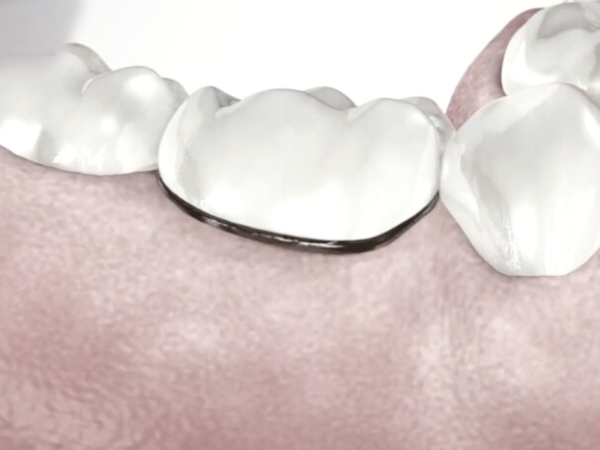
Maggok Station Dental Clinic_Secondary Decay
The tiny gap between the crown and the tooth, invisible to the eye.
This small gap is the perfect place for bacteria to hide.
Food debris and bacteria slip in here, and if secondary decay develops, the tooth begins to decay and corrode from the inside,
which can eventually cause the crown to lift up or come off completely.
The older the prosthesis, the more its marginal fit can weaken, so please remember that regular checkups are important!
- Excessive force: “Hard foods or teeth-grinding habits”
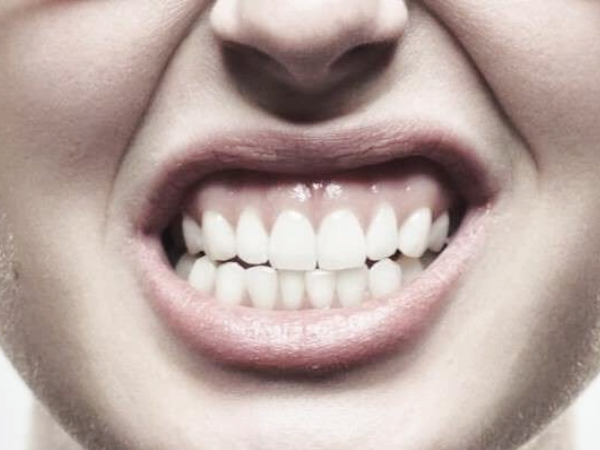
Maggok Station Dental Clinic_Teeth Grinding
Squid, jerky, nuts...
Your mouth may be happy, but the crown is tense.
If you often eat hard or chewy foods,
or have a habit of clenching your teeth at night,
the prosthesis can crack or break.
In particular, teeth grinding and clenching, which happen unconsciously,
quietly wear a crown down.
If you think, “I don’t think I do that...”,
check once for jaw pain or whether your jaw feels stiff in the morning!
- Bite imbalance - when the force is concentrated on one side
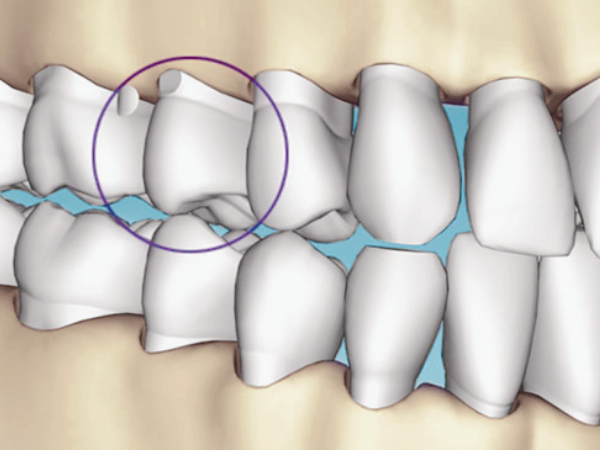
Maggok Station Dental Clinic_Bite Imbalance
A crown that seemed fine at first
can gradually develop cracks and loosen over time?
In most cases, this is caused by an imbalance in the bite (chewing height).
If the upper and lower teeth do not contact evenly,
and only a specific tooth keeps taking the full pressure,
the prosthesis slowly accumulates stress and eventually falls out.
When chewing, if you feel like “something is strangely catching on one side?”,
then it is best to visit right away and get the bite adjusted!
- Minor errors during the fabrication or procedure process
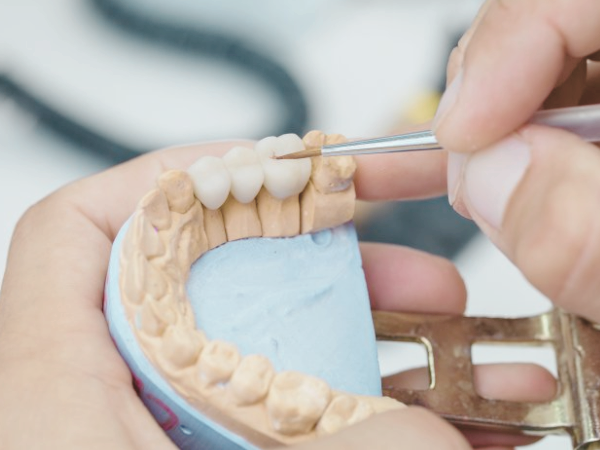
Maggok Station Dental Clinic_Prosthesis Fabrication
A crown must be made precisely, like a tailored suit.
But what if the impression was not taken precisely enough,
or the tooth reduction was insufficient, or saliva entered during the bonding process,
or the bonding area was too small? If these small errors pile up one by one?
The adhesion and fit of the prosthesis weaken,
and over time this can lead to damage or detachment.
If a crown prosthesis has come off,
does it always have to be made again?
- When rebonding is possible
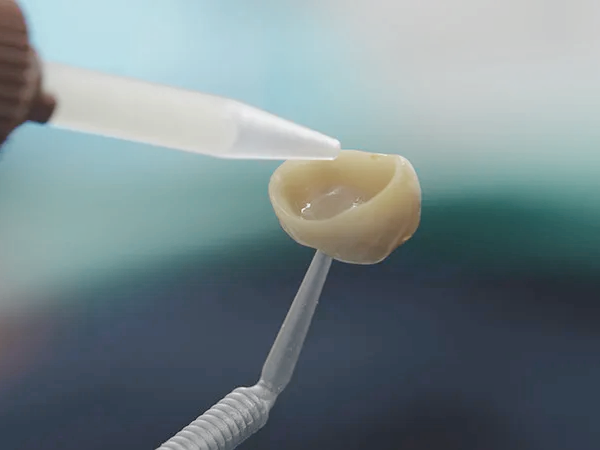
Maggok Station Dental Clinic_Prosthesis Rebonding
If a crown comes off, there is no need to make a new one right away!
If the prosthesis itself is intact and the tooth underneath is healthy,
the existing crown can be cleaned up and bonded again.
However, if too much time passes, the tooth may shift slightly
or the prosthesis may become deformed,
so the key is to visit as soon as it comes off.
- When remanufacture is necessary
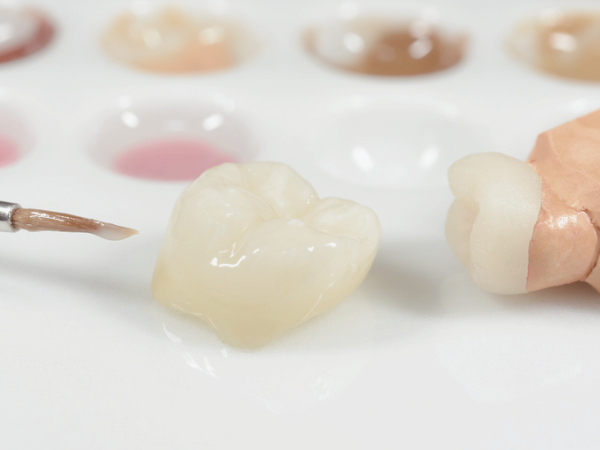
Maggok Station Dental Clinic_New Prosthesis
But if the crown is cracked or broken,
or if decay or a foreign material has formed inside,
the existing prosthesis cannot be reused.
The same applies when the internal tooth has corroded or is damaged to the point that bonding is difficult,
or when the bite has shifted and cannot be adjusted.
In such cases, after an accurate diagnosis of the tooth condition,
reinforcement treatment or root canal treatment is performed if necessary,
and then a new crown is fabricated and placed.
Here is a summary of today’s content.
Main causes of crown prosthesis damage and detachment
-
Secondary decay formed at the prosthetic margin
-
Excessive pressure from hard foods, teeth grinding, and similar habits
-
Bite imbalance between the upper and lower teeth
-
Bonding errors or fabrication errors
Treatment methods when damage or detachment occurs
- Rebonding possible
- When both the prosthesis and the internal tooth are healthy
- If you visit quickly, the existing prosthesis can be reused
- Remanufacture necessary
- When the prosthesis is broken, decay recurs, or the bite is poor
- Treatment is carried out again with a new prosthesis
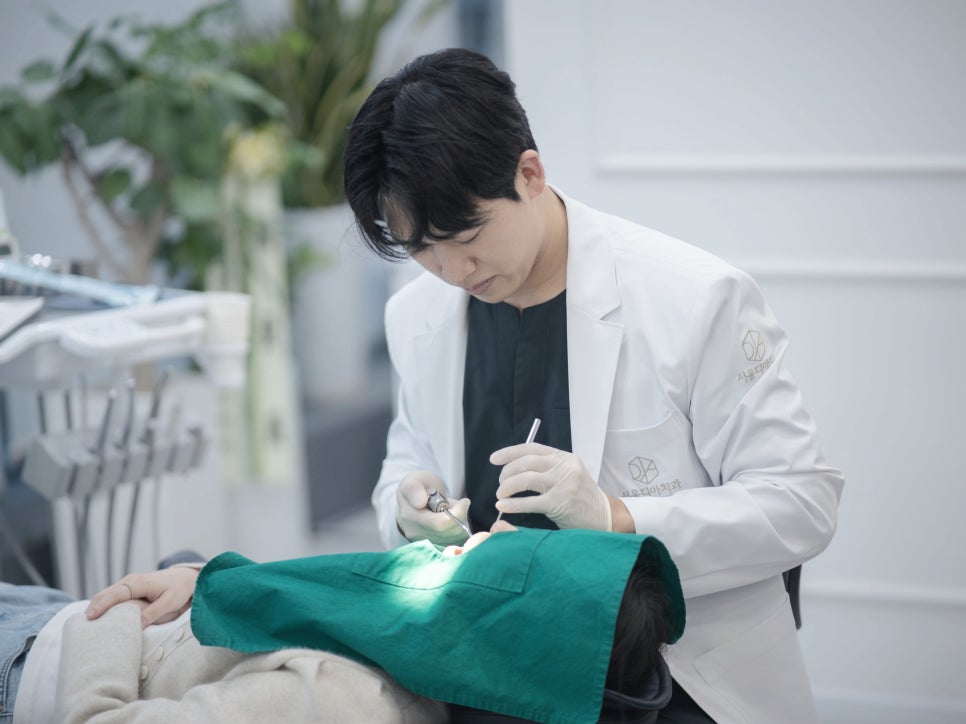
Maggok Station Dental Clinic_Crown Treatment
At Seoul Dia Dental Clinic, from precise analysis before treatment
to material selection, bite adjustment, and completion of the prosthesis,
we proceed with no margin for error.
A crown is not simply finished by “putting it on.”
It lasts longer only when care, response, and maintenance after treatment are managed together.
Next time,
“How should crowns be cared for to make them last longer?”
We’ll share helpful everyday care tips and how to use them as if they were your own teeth!
From accurate diagnosis and precise treatment to careful guidance after treatment,
Seoul Dia Dental Clinic always supports your healthy smile with consistency.
[ This post was written in accordance with the Medical Service Act for the purpose of providing correct information about dental surgery and procedures. Infection and side effects may occur after surgery, so you should decide on surgery (procedure) after consultation with skilled medical staff. ]
[ Magok-dong Dia Dental Clinic Crown Prosthetics Series ]
-
Indications for crown prosthetics
-
Crown prosthetic materials and cost
-
Crown prosthetic treatment process
-
Pain after crown treatment
-
Detachment of crown prosthetics
-
Precautions after crown prosthetic treatment