Hello.
We are Seoul Dia Dental Clinic at Magok Station,
a clinic that helps protect your dental health.
Many of you were curious last time about why crown restorations can suddenly come loose or break, right?
If you haven’t checked it yet, please be sure to review it through the link below.
This time, we’ll continue that story,
and go over the key points of maintenance after crown restoration treatment,
one by one.
We sincerely thank you for joining us all the way to the final episode
of Dia Dental Clinic’s crown treatment series,
and please think of this post as a complete collection of tips for a “long-term relationship” with your restoration.
As with all treatments, crown treatment does not end simply by placing an artificial tooth.
To use an analogy, even if you buy sturdy shoes,
if you walk through mud every day, their lifespan will inevitably be shortened, right?
The same goes for restorations.
No matter how well they are made, if maintenance is lacking, an early breakup (!) can happen.
So from now on, we’ll walk you through the essential care methods needed to use a crown restoration comfortably, for a long time, and without regrets.
5 Precautions After Crown Restoration Treatment
- Maintain oral hygiene more thoroughly around the restoration
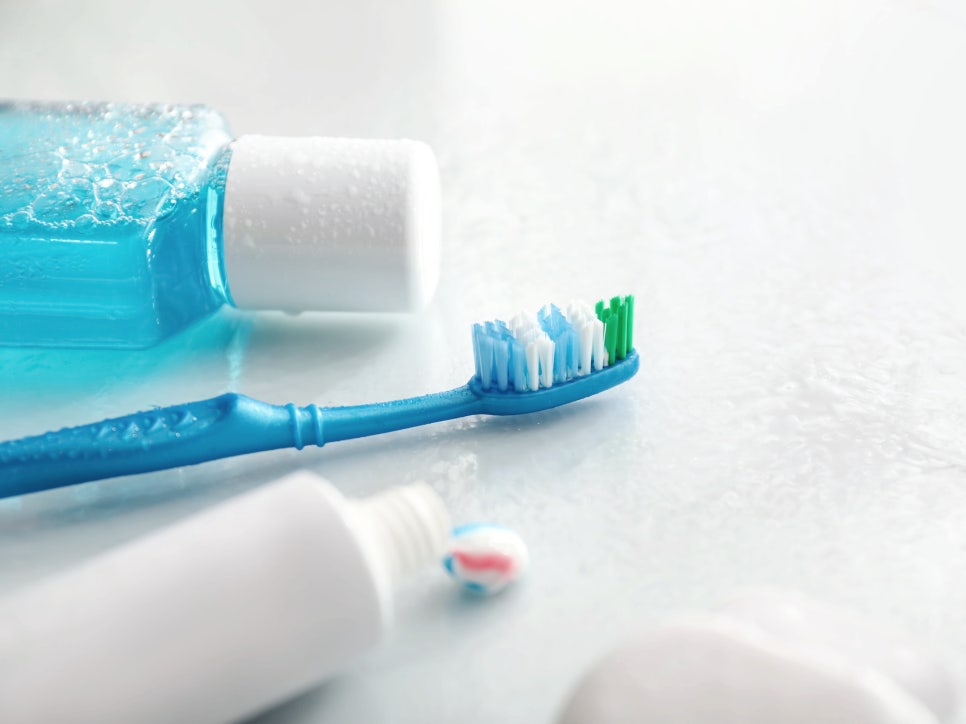
Magok Station Dental Clinic_Oral hygiene management
Food debris tends to get trapped especially easily around the area where the restoration is placed.
In addition, there are gaps that bacteria would like.
So brushing alone may not be enough.
It is much more effective to use helper tools such as dental floss, interdental brushes, and oral irrigators.
And what’s important is regular scaling!
Even if you can’t see it, tartar firmly stuck between restorations is difficult to remove on your own.
That is why you should visit the dental clinic at least once every 6 months
to receive regular checkups and scaling together.
- It’s best to avoid hard or sticky foods
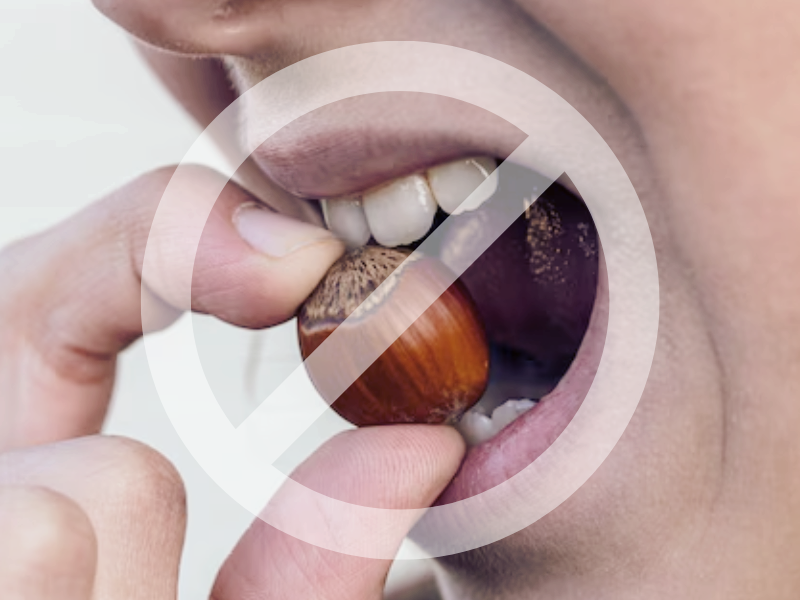
Magok Station Dental Clinic_Hard food restrictions
What is a crown?
It is a restoration that is placed over the tooth like a “crown.”
But just as a crown can fall off if shaken too hard,
a restoration can also be damaged when excessive force is applied.
In particular, tough, sticky, or hard foods such as dried squid, nuts, taffy, gum, and jelly
can weaken the bonding area and cause the restoration to come loose.
That is why you need to be especially careful during the first 24 hours after treatment.
If you want your restoration to last a long time, even in your everyday eating habits,
please keep a little distance from these foods.
- Teeth grinding and clenching? They are the enemy of restorations
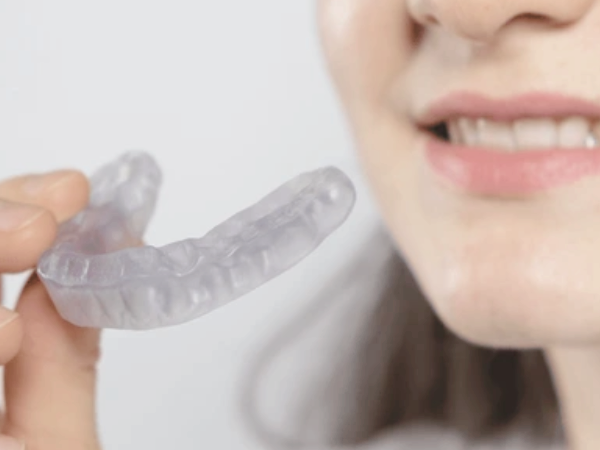
Magok Station Dental Clinic_Bruxism prevention splint
The habit of grinding your teeth every night,
or clenching your teeth tightly when stressed,
these unconscious habits are a real source of stress for restorations.
When they are exposed to excessive force every day, the bonding weakens and their lifespan inevitably shortens.
If you have these habits, it may be a good idea to consider a custom-made “splint” or
“treatment to relieve jaw muscle tension.”
And please never use your teeth to open bottle caps or tear plastic packaging!
- Alcohol and smoking? A combination that is incompatible with crown restorations
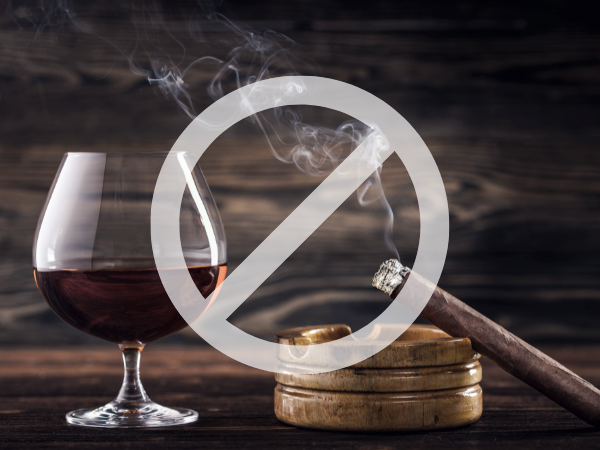
Magok Station Dental Clinic_Quit smoking and drinking
The tar and nicotine in cigarettes
not only stain teeth yellow,
but also wear down gum health and the bonding strength of restorations.
Smoking also reduces saliva secretion in the mouth,
creating an environment where bacteria can thrive,
and this eventually becomes a cause of restoration failure.
Alcohol also irritates the gums and, by lowering immunity,
becomes good nourishment (!) for bacteria.
If you want your restoration to last a long time, alcohol and cigarettes!
Start naturally distancing yourself from these two.
- Regular checkups are not optional; they are essential
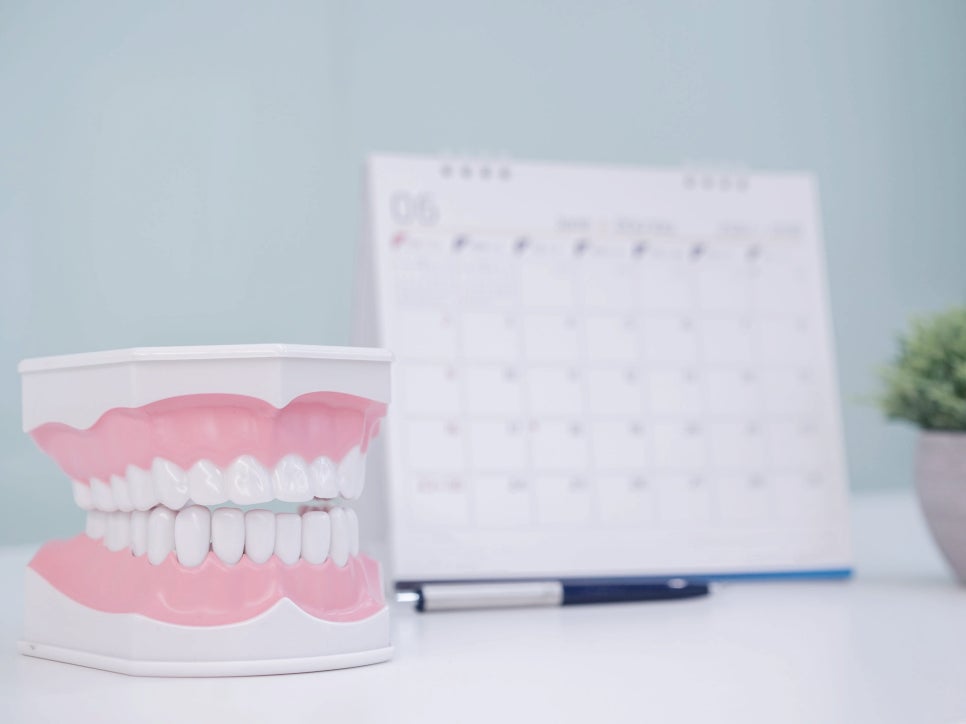
Magok Station Dental Clinic_Regular checkups
Crown restorations are made precisely to fit perfectly inside the mouth.
But as time passes...
the gums may recede slightly,
or tiny gaps may form due to changes in the oral environment.
If bacteria invade through those gaps, the outside may look fine,
but secondary cavities may be growing underneath.
That is why regular checkups are really~ important.
If you check the condition once every 6 months,
even small problems can be found early and major trouble can be prevented.
Let’s summarize today’s key points once more!
5-item maintenance checklist after crown restoration treatment
-
Keep things clean with brushing + auxiliary tools + regular scaling
-
Avoid chewy, sticky, and hard foods
-
Improve teeth grinding and clenching habits early, or use a splint
-
Smoking and drinking are the fastest route to parting ways with your teeth
-
Regular checkups every 6 months are a must!
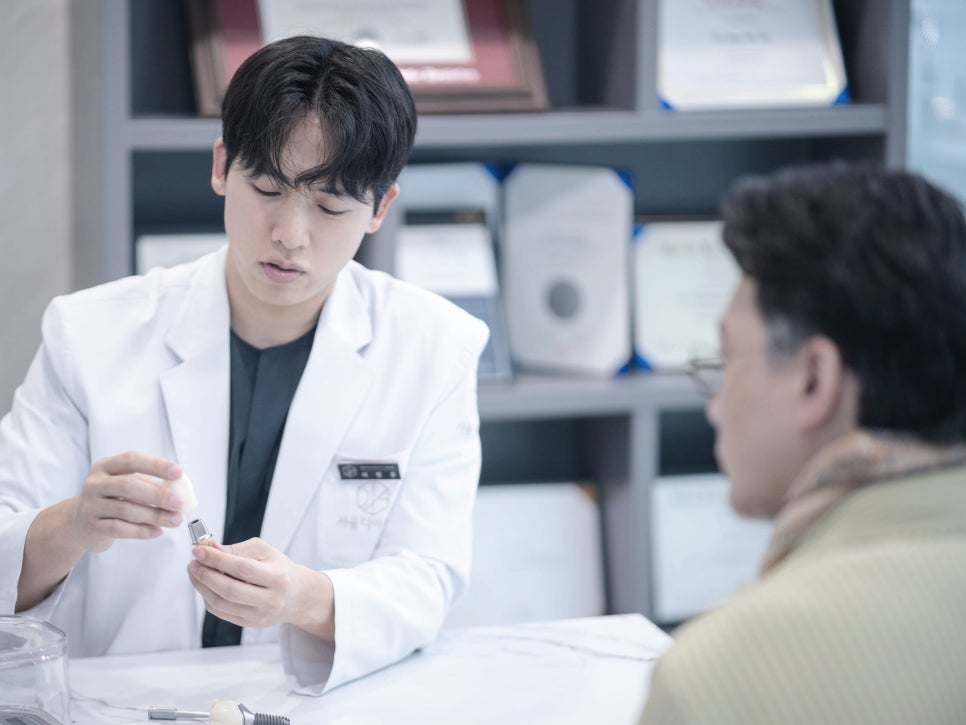
Magok Station Dental Clinic_Dia Dental Clinic consultation
Treatment is only the “beginning.”
The moment when that treatment is truly complete is when maintenance begins.
Dia Dental Clinic supports every step not only during the treatment process,
but also after treatment,
to help protect our patients’ healthy teeth.
This crown restoration series ends here,
but your healthy oral life is only truly beginning now.
We’ll come back next time with more good information.
This was Seoul Dia Dental Clinic.
[ This post was written in accordance with the Medical Service Act for the purpose of providing correct information about dental surgery and procedures. Infection and side effects may occur after surgery, so you should decide on surgery (procedure) only after sufficient consultation with a skilled medical professional. ]
[ Magok-dong Dia Dental Clinic Crown Restoration Series ]
-
Crown restoration indications
-
Crown restoration materials and costs
-
Crown restoration treatment process
-
Pain after crown treatment
-
Crown restoration failure
-
Precautions after crown restoration treatment