Hello.
We’ll leave out stories that only make you worry for no reason,
and instead share only the information you need right now
in a comfortable way at Seoul Dia Dental Clinic in Magok-dong.
It’s already the end of 2025.
At times like this, everyone probably says something like this at least once.
“Ah, I’ll go to the hospital after the year ends.”
“I'm a little busy right now... I'll look into it after the new year.”
But strangely enough,
there’s one thing that always seems to increase toward the end of the year.
Sudden tooth problems that start causing discomfort.
Among them,
there’s something I hear very often during consultations.
“I just left my wisdom tooth alone.”
“It didn’t hurt, but suddenly it swelled up.”
But wisdom teeth.
If they don’t hurt, does that mean they’re fine?
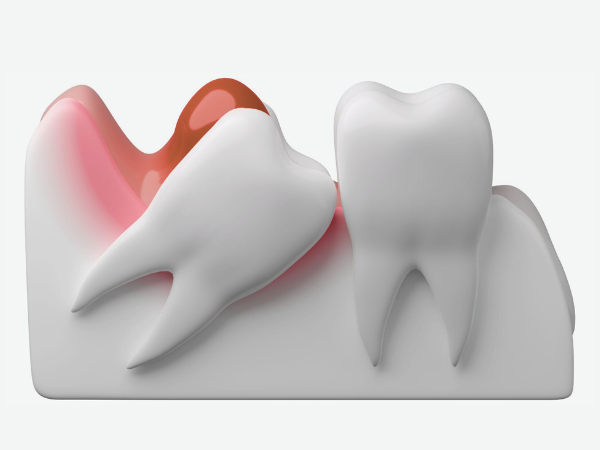
Maggok-dong Dental Clinic_Wisdom tooth inflammation
So today, I want to organize the topic of wisdom tooth inflammation,
which many people experience
but don’t fully understand.
In fact, wisdom tooth inflammation is called
“pericoronitis” in dentistry.
The term may sound difficult, but the meaning is simple.
Inflammation around the crown of the tooth.
In other words, it refers to inflammation of the gum around a wisdom tooth.
That is the medical term for it.
Now then, today we’re talking about the troublemaker, wisdom teeth!!
Let’s focus on why wisdom tooth inflammation happens so often.
Please pay attention for a moment.^^
Why wisdom teeth become a problem
It’s not as complicated as you might think
I won’t explain it in a difficult way.
Just keep these three things in mind.
-
It’s located too far back inside the mouth
-
It often doesn’t erupt completely
-
Structurally, it’s difficult to clean and manage
When these three factors overlap,
there’s nothing strange about it hurting,
and even if it doesn’t hurt, problems can still occur.
- Wisdom teeth are located at the very back of the mouth
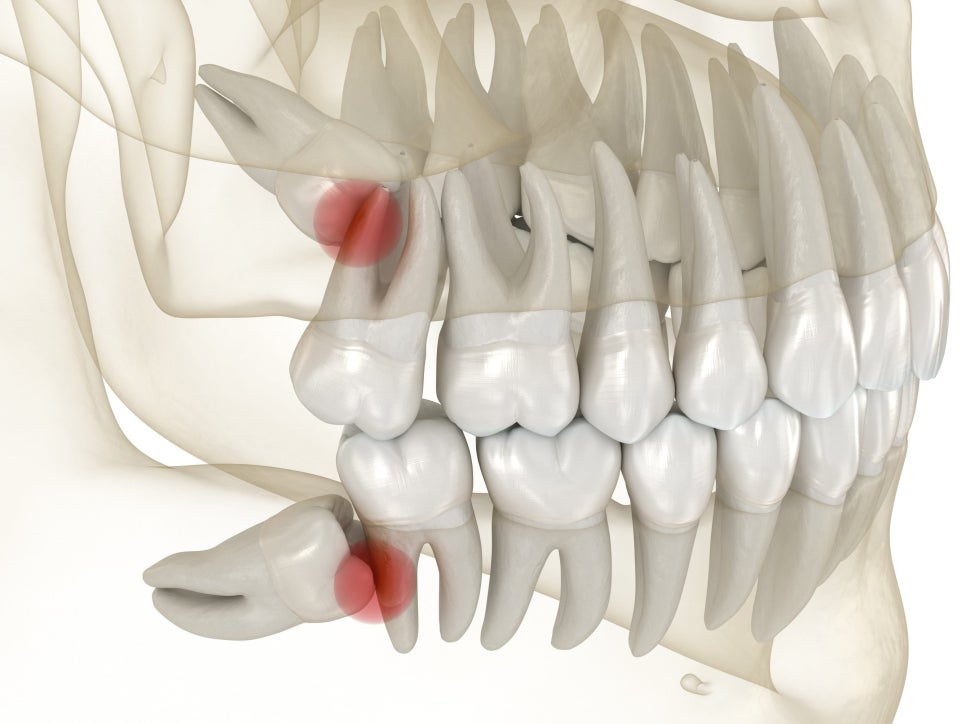
Maggok-dong Dental Clinic_Wisdom tooth located at the very back of the mouth
Wisdom teeth are
right at the very back, the deepest spot in the mouth,
just barely visible when you open wide.
That’s why situations like this happen often.
A toothbrush doesn’t reach well,
there’s always some lingering discomfort even after rinsing,
and food debris tends to stay behind.
Think about it this way.
What if you had to clean the very innermost part of the sink drain at home perfectly every single day?
At first, you’d pay attention,
but at some point you’d probably think,
“I rinsed it with water once, so it should be fine.”
Wisdom teeth feel exactly like that.
It’s not that you aren’t taking care of them,
but rather that the position itself makes care difficult.
- Wisdom teeth are often only “half-erupted”
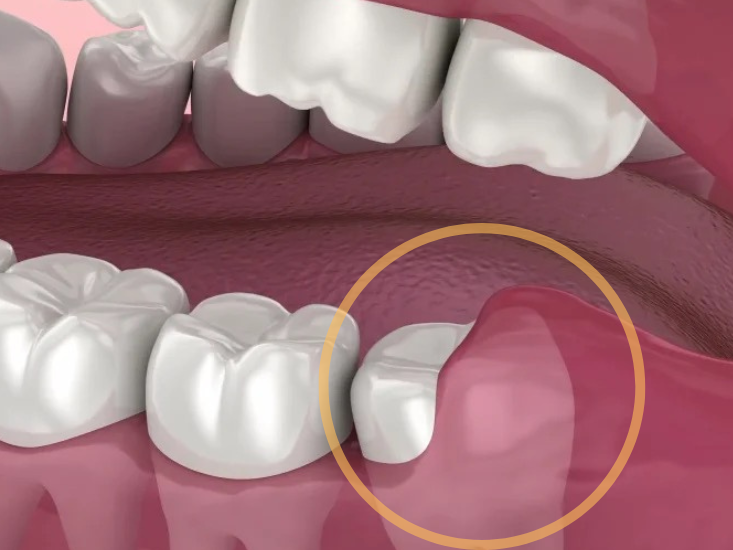
Maggok-dong Dental Clinic_Impacted wisdom tooth
This part is the most important.
It’s also the point we explain most often during consultations.
Compared to cases where a wisdom tooth has fully erupted,
it is more common for it to remain partially covered by the gum.
When that happens, what occurs is this:
There is a gap between the wisdom tooth and the gum,
and food gets into that gap,
but it doesn’t come out easily.
Simply put,
food keeps getting trapped while you chew,
but it’s a spot that’s difficult for a toothbrush or water to reach all the way.
From the outside,
even if it looks like,
“Nothing seems wrong on the surface?”
there can still be gradually increasing discomfort inside.
- “Leaving it alone” can unexpectedly make the problem worse
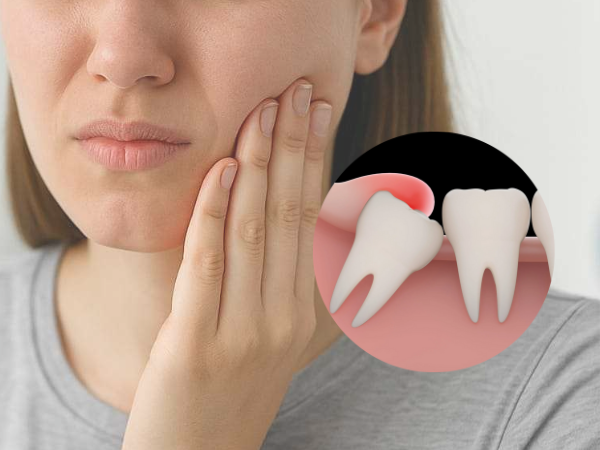
Maggok-dong Dental Clinic_Worsened pericoronitis
I hear this very often too.
“I’m planning to have it removed when it hurts.”
“It’s fine right now.”
But wisdom tooth inflammation (pericoronitis)
is not a case where people are always pain-free until it suddenly appears.
In many cases, by the time it hurts, it has already progressed to some degree.
It’s easier to understand if you think of it like this:
water is leaking inside a wall,
but the outer wall looks fine.
From the outside, there seems to be no problem,
but one day all of a sudden,
the wallpaper starts to ripple, there’s a smell, and damage becomes visible.
Wisdom teeth are similar.
Problems build up little by little inside,
and then at some point they can swell,
chewing can become uncomfortable,
and even opening the mouth can become difficult.
Today’s discussion, in summary
Wisdom tooth inflammation,
that is, pericoronitis,
is not a problem that happens only because of poor care.
Because wisdom teeth are often in an awkward position
and often do not fully erupt,
it is a condition that can develop even if you leave it alone.
Just because it doesn’t hurt
doesn’t mean it’s completely fine,
and one of the characteristics of inflammation around wisdom teeth
is that it can suddenly become uncomfortable.
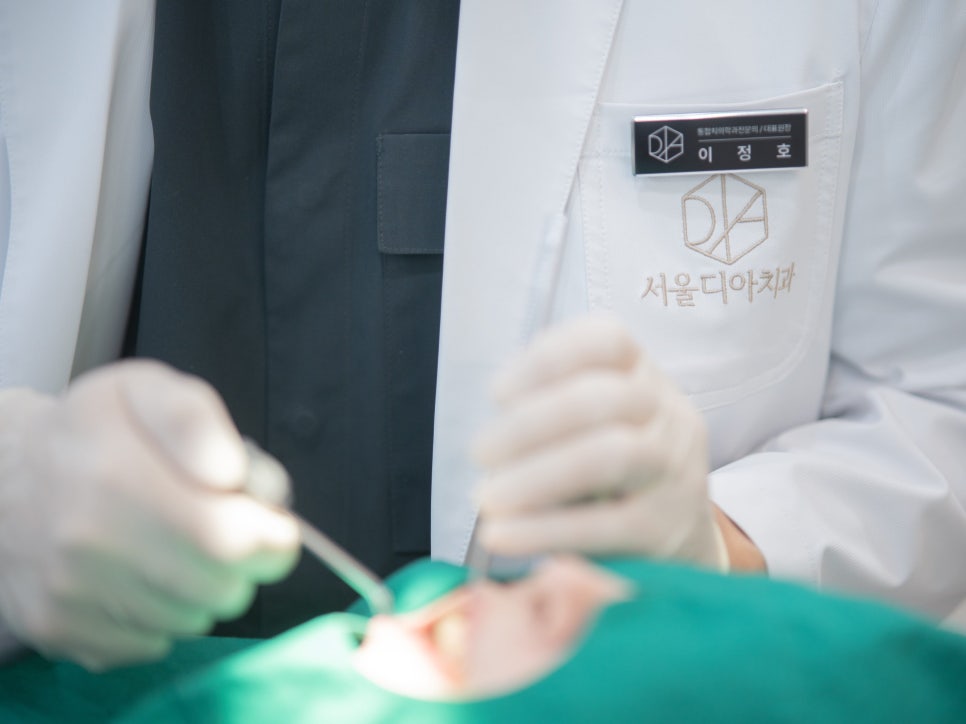
Seoul Dia Dental Clinic in Magok-dong
So at Seoul Dia Dental Clinic in Magok-dong,
just checking the condition in advance once
can be quite helpful.
Today,
we talked only about the cause of wisdom tooth inflammation, that is, why pericoronitis can happen.
In the next post,
I’ll explain in a more practical way
what signs appear in this condition,
and at what point it may be a good idea to get it checked once.
Have a comfortable day today as well.^^
[ This post has been written for the purpose of providing accurate information about dental surgery and procedures in accordance with the Medical Service Act. Since infection and side effects may occur after surgery, the procedure should be decided after sufficient consultation with a skilled medical professional. ]
[Magok-dong Seoul Dia Dental Clinic Wisdom Tooth Inflammation Series]
-
Causes of wisdom tooth inflammation
-
Symptoms of wisdom tooth inflammation and how to respond
-
Why wisdom tooth inflammation keeps recurring