Hello.
Leaving out scary talk,
this is Magok-dong Seoul Dia Dental Clinic,
a place where we talk comfortably about only what you need right now.
The degree to which people feel pain really does vary.
Some people smile and say, “This is fine,”
while others feel their whole body tingle and stiffen up from even a small stimulus.
In dental care, that difference becomes even greater.
“Will it hurt...?”
“The last time was too hard...”
Just one memory like that
can make it hard to even take a step toward the door.
So today,
this is not a story meant to scare you.
I’ll explain, in an easy way,
the features of the types of local anesthesia actually used to reduce pain in dentistry.
Types of Dental Local Anesthesia and Their Features
- Topical anesthesia
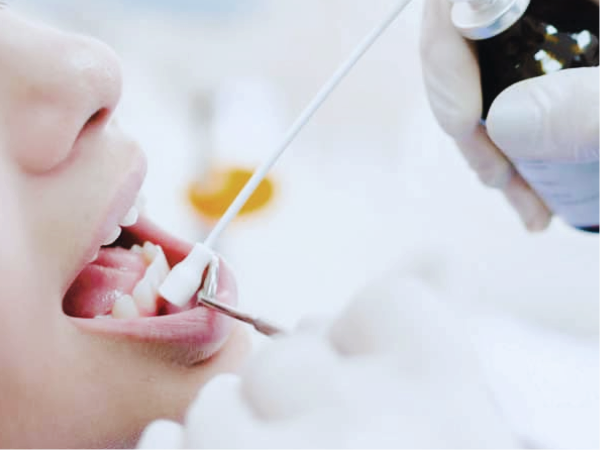
Magok-dong Dental Clinic_Topical anesthesia
Topical anesthesia is applied lightly to the gums or mucous membrane
in the form of a gel or spray,
dulling the surface sensation first.
It is often used to reduce the sting before an injection,
during scaling,
or when extracting baby teeth in children.
However, it does not last long.
It is not an anesthesia that can carry a major procedure on its own;
it is literally a "preparatory step."
Think of it like warming up~^^
- Infiltration anesthesia
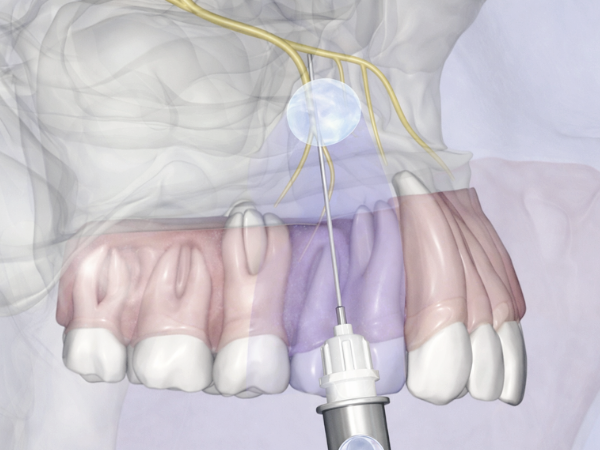
Magok-dong Dental Clinic_Infiltration anesthesia
This is probably the most familiar type of anesthesia.
It is a method in which anesthetic is injected directly into the gums around the tooth being treated.
It works quickly,
and precisely targets only the needed area.
It tends to work relatively well in the upper jaw,
but because the bone in the lower jaw is denser,
it may sometimes feel like it is not working as well.
In those cases, another anesthesia method is considered together.
- Nerve block anesthesia
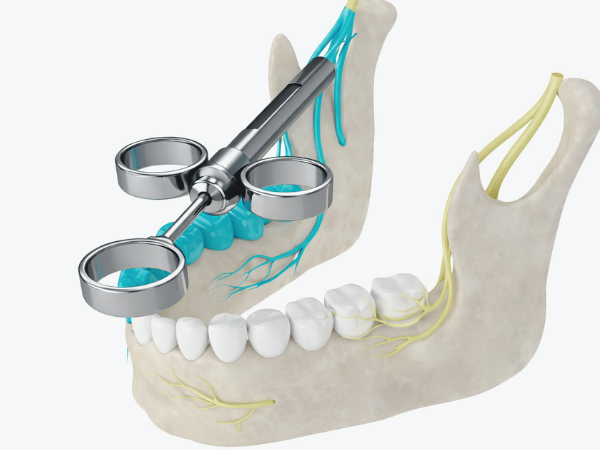
Magok-dong Dental Clinic_Nerve block anesthesia
Rather than blocking just one tooth,
this method blocks the nerve itself that supplies that tooth.
Because it lasts longer,
there is less worry about the anesthesia wearing off during treatment.
It is mainly used for wisdom tooth extraction,
simultaneous treatment of multiple teeth,
and gum surgery.
- Intraligamentary anesthesia
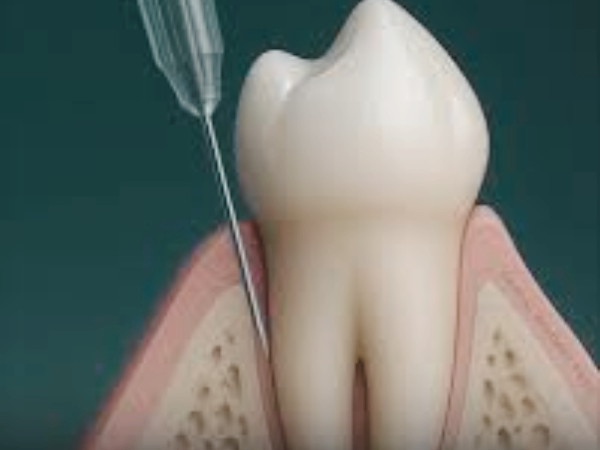
Magok-dong Dental Clinic_Intraligamentary anesthesia
When regular anesthesia is not enough,
a small amount of anesthetic is injected into the periodontal ligament,
the very thin space surrounding the tooth.
This method works quickly.
However, pressure control is extremely important.
That is why the clinician’s sense of touch matters a great deal.
It is not commonly used for cavities or gum treatment,
and is selected only when truly necessary.
- Intrapulpal anesthesia
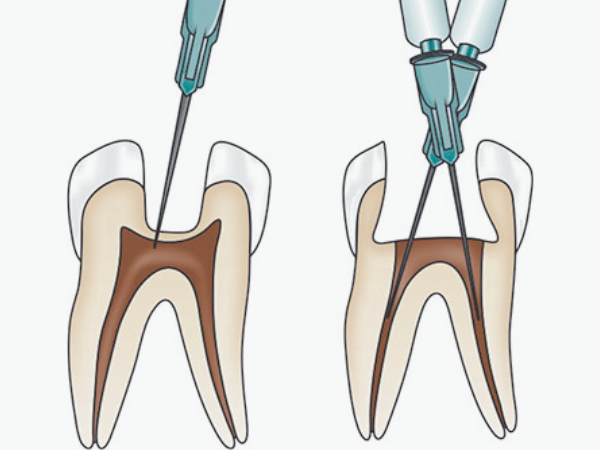
Magok-dong Dental Clinic_Intrapulpal anesthesia
When part of the nerve is exposed,
and pain continues even with other anesthesia.
Anesthetic is injected directly into the pulp.
It works immediately,
but there is a sensation at that moment.
So it is chosen only as a last resort.
At Seoul Dia Dental Clinic,
we use a painless anesthesia device.
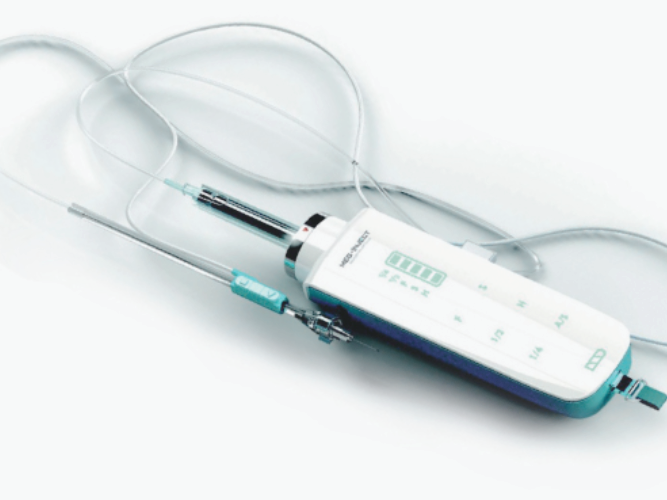
Magok-dong Dental Clinic_Painless anesthesia device
But here’s the thing,
many people think the most painful moment of dental anesthesia is
"when the needle goes in."
In fact, the real pain often comes
right after that.
It is caused by the "pressure" that occurs when the anesthetic
enters the tissue quickly.
When a large amount of anesthetic enters suddenly,
the tissue is startled first.
That pressure is what leads to the
"sting!" that we feel.
That is why Seoul Dia Dental Clinic uses a painless anesthesia device
when administering anesthesia.
This device
lets a computer control the
speed, pressure,
and temperature
of the anesthetic as it is delivered.
Simply put:
"slowly, gently, warmly."
Because it does not push the anesthetic in all at once,
the tissue is less likely to be startled.
In other words, speed, pressure, and temperature.
The key function of the painless anesthesia device
is managing all three at the same time.

Magok Dental Clinic_Dental phobia.
It is especially helpful for people like this.
-
People who get nervous just by seeing a needle
-
People with sensitive gums
-
Children and teenagers
-
People who still remember having a difficult experience at the dentist
At Magok-dong Seoul Dia Dental Clinic,
we focus on reducing pain-related stress
from before treatment begins.
We explain things thoroughly.
We keep watching facial expressions and reactions during anesthesia.
We do not rush. Really.^^
For those who are afraid of anesthesia,
you may also want to read about the painless anesthesia device
through the link below ↓↓↓↓↓↓↓↓↓
Let’s summarize
Dental local anesthesia
is not about always using the strongest option.
Depending on the type of treatment, the scope, and the time needed,
the method is chosen as appropriate.
And the most important thing is this.
How,
how slowly,
and in what way it is delivered.
Magok-dong Seoul Dia Dental Clinic
In the next post,
we’ll go over questions like
"Will it suddenly hurt when I get home?"
"When can I eat?"
and similar concerns.
That’s it for today’s post.
Thank you for reading.^^
[ This post was written in accordance with the Medical Service Act for the purpose of providing accurate information about dental surgery and procedures. Since infection and side effects may occur after surgery, you should make a decision about surgery (or procedure) after sufficient consultation with a skilled medical professional. ]
[ Magok-dong Seoul Dia Dental Clinic Local Anesthesia Series ]
-
Features of Different Types of Dental Local Anesthesia
-
The Time It Takes for Local Anesthesia to Wear Off and Precautions