Hello.
To keep you from worrying unnecessarily,
we are Magok Dental, Seoul Dia Dental Clinic, sharing only the information you need right now.
In Part 1,
before implant surgery,
we explained why preparation comes before the date,
and what the essential conditions are
that you must check.
If you haven’t read it yet,
starting with Part 1 first
will make today’s content much easier to follow.
(Recommended for review. Really.)
Today, we’ll start with a question
that comes up very often in consultations:
“Do I have to worry because I have high blood pressure…”
“I also have diabetes…”
“Does that mean I can’t get implants?”
To begin with the conclusion,
there are far more cases where the criteria for caution are different
than cases where treatment cannot be done.
So today, we’ll calmly go over only the [key points that must be checked before implants, by systemic disease].
Pre-Implant Surgery
Systemic Disease Checkpoints
- High blood pressure
– Control matters more than the number

Magok Dental _ High Blood Pressure
Having high blood pressure does not mean
you cannot get implants.
What matters is
whether your blood pressure is well controlled
and whether you are taking your medication consistently.
If the numbers are stable,
most procedures can be carried out without issue.
In fact, stopping medication on your own
is often more dangerous.
- Diabetes
– Blood sugar levels affect recovery

Magok Dental_ Diabet
Diabetes
is directly related to
recovery after implants.
If blood sugar is stable,
implants are certainly possible.
On the other hand, when it is not controlled,
inflammation or delayed healing may occur.
That is why we first check your recent blood sugar status
and whether you are taking medication.
It is not, “You can’t do it because you have diabetes,”
but rather, “When is the right time, based on your current condition?”
- Liver disease
– We look at both hemostasis and medication response
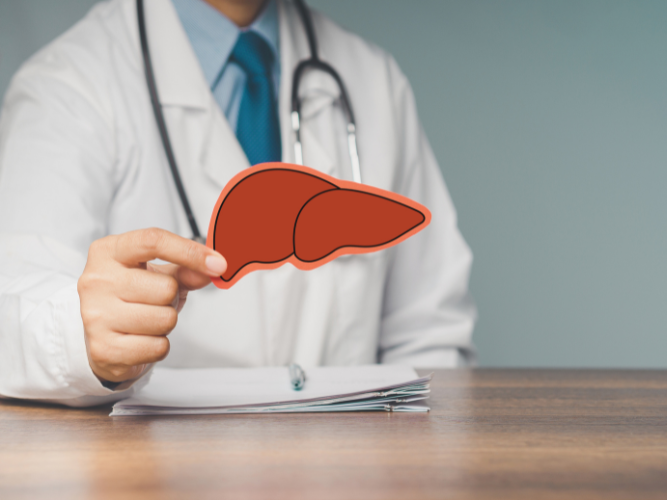
Magok Dental_ Liver Disease
If liver function is reduced,
bleeding may last longer
or medication response may differ.
So, in cases of liver disease,
we check your current liver values,
the medications you are taking,
and your recent treatment history together.
If the condition is stable, implant treatment itself is
not impossible.
- Osteoporosis
– The key is “bone condition + medication”
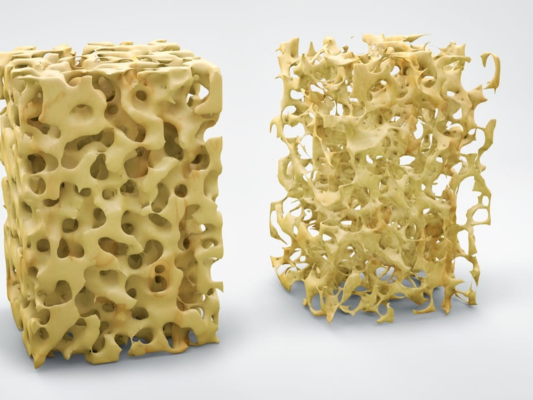
Magok Dental_Osteoporosis
Osteoporosis
is a problem affecting the bones as a whole.
The jawbone is no exception.
And among the medications used to treat osteoporosis,
some ingredients affect bone resorption.
(대표적으로 bisphosphonates, denosumab, etc.)
Scaling or simple treatments are
usually not a problem,
but in treatments that directly affect the jawbone,
such as extractions or implants,
the medication ingredients and duration of use must be checked carefully.
The important question is not
“Should we stop the medication?”
but rather
“When, and in what order, should treatment be done?”
- Heart disease
– Includes a history of stent placement or bypass surgery

Magok Dental_ Heart Disease
People with heart disease
often take medication
that helps prevent blood from clotting easily.
In such cases, we proceed by managing bleeding
and adjusting the scope of treatment.
In most cases, implants are possible
even while continuing medication.
- Cerebrovascular disease
– History of stroke or cerebral hemorrhage
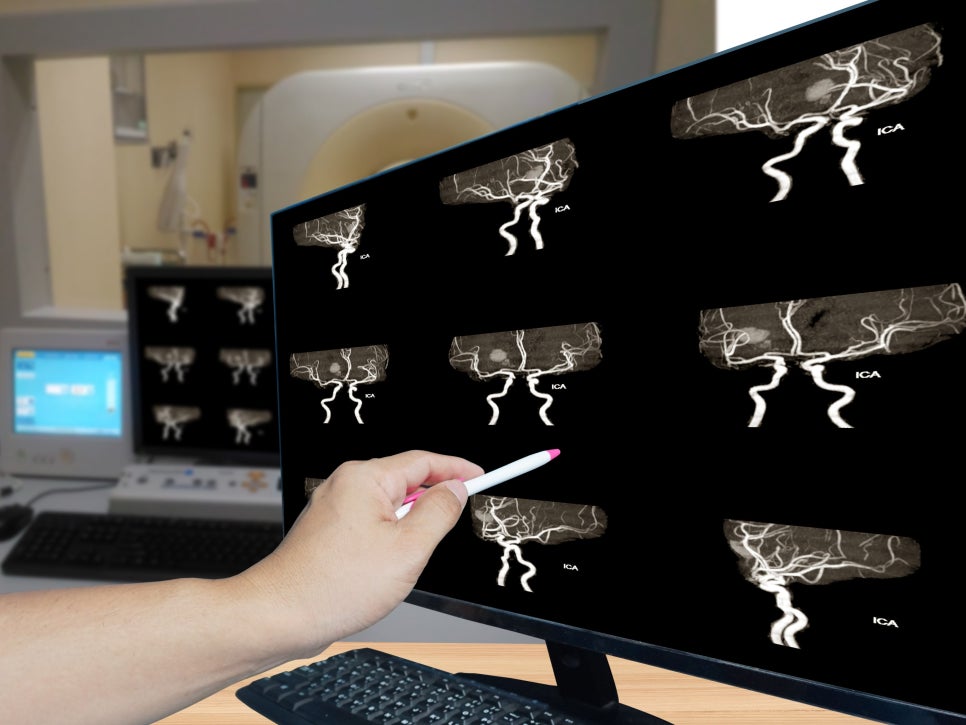
Magok Dental_ Cerebrovascular Disease
Even if there is a past medical history,
if the current condition is stable,
implants are not impossible.
However, treatment time is often divided
or adjusted so that multiple implants are not placed at once.
- Rheumatic and autoimmune diseases

Magok Dental_Autoimmune Disease Test
If you are taking immunosuppressants,
we plan infection control and recovery
with a little more caution.
Still, if the condition is stable,
there are many cases where treatment can proceed sufficiently.
- History of cancer treatment and radiation therapy

Magok Dental_Cancer Treatment
In particular, if there is a history of radiation therapy around the jaw,
it is directly related to healing of the jawbone.
In such cases, we check the timing of treatment and the condition of the bone
more carefully.
If I summarize today’s topic in one line,
having a systemic disease does not mean
that implants cannot be done.
Instead,
the most important things are
to know your current condition accurately,
share it honestly,
and adjust the treatment accordingly.
For implants,
more important than whether you have a disease or not
is what your body’s current condition is like.

Magok Seoul Dia Dental Clinic
At Magok Dental, Seoul Dia Dental Clinic,
we do not rush implant treatment.
We calmly look together first at whether it can be done now,
whether waiting a little longer would be better,
or whether more preparation is needed.
If you are considering implant treatment
due to a systemic disease,
or if you are wondering,
“Is it okay in this condition?”
please feel free to contact us.
You do not need to worry on your own.
Consultations are always open.
Thank you for reading.
This has been Magok Dental, Seoul Dia Dental Clinic.
[This post was written in accordance with the Medical Service Act for the purpose of providing accurate information about dental surgeries and procedures. Infection and side effects may occur after surgery, so you should decide on surgery (or procedure) after sufficient consultation with a skilled medical professional. ]
[Seoul Dia Dental Clinic Implant Surgery Precautions Series]
-
Implant Surgery Checklist
-
Key Precautions by Systemic Disease
-
Whether to Continue or Stop Medication Before Implants
-
What to Avoid the Day Before and the Day Of Implant Surgery