Hello.
A gum story you may wonder about even when nothing hurts,
This is Seoul Dia Dental Clinic in Magok, sharing it in a comfortable way.
In Part 2,
when scaling is not enough,
we looked at the treatment that cleans out tartar and inflammatory debris inside the gums.
We covered root planing and curettage.
If you have not seen it yet, you can take a quick look through the link below first.
Today’s story will be much easier to understand.^^
Now, let’s move on to the next stage.
“I already had root planing,
and curettage too…
so why does the gum inflammation keep coming back?”
At this point,
you may be thinking this to yourself.
“Ah… then what should I do now?”
"Do I need surgery?"
Yes.. that’s right.
At this stage, you may need to move on to gum surgery,
periodontal flap surgery.
So today, in Part 3 of the gum treatment series,
[The Stage That Requires Periodontal Flap Surgery and the Treatment Process],
we’ll explain it step by step in the Magok Seoul Dia Dental Clinic style.
When is periodontal flap surgery needed?
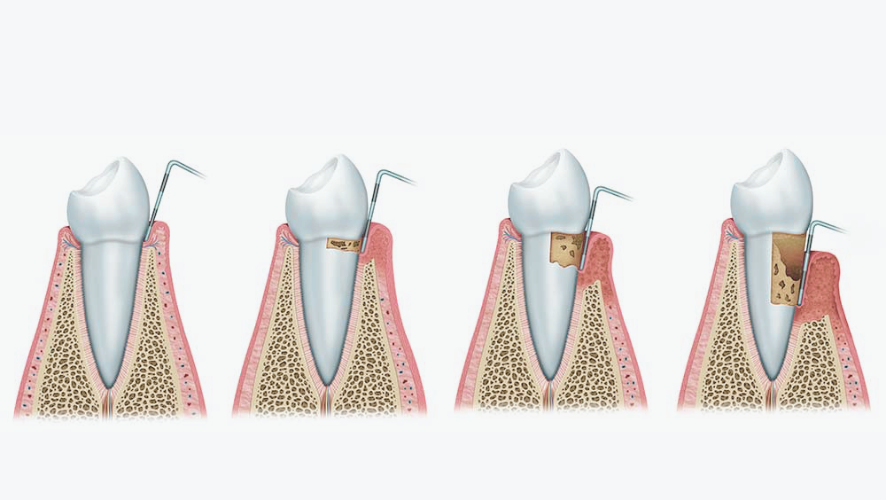
Magok Dental_Stages of periodontal disease progression
Gum treatment also
does not go “whoosh” all at once,
but progresses step by step.
So gum treatment is divided like this:
Stage 1. Gingivitis
Your gums bleed when brushing, and they swell.
At this stage, recovery is possible with scaling alone.
Stage 2. Early periodontitis
Inflammation has moved deeper into the gums.
You need root planing and curettage to clean the inside.
(Simply put, removing built-up debris inside the gums!)
Stage 3. Moderate to advanced periodontitis
What if the inflammation has gone deeper?
At this point, what is needed is periodontal flap surgery.
So,
periodontal flap surgery (Periodontal Flap Surgery)
is not a sudden, scary operation,
but the next-step treatment done when you think,
“Ah, surface cleaning alone is no longer enough.”
Literally,
it is a process of properly looking inside the gums,
thoroughly cleaning them,
and preventing them from collapsing again.
Why do you need gum surgery?
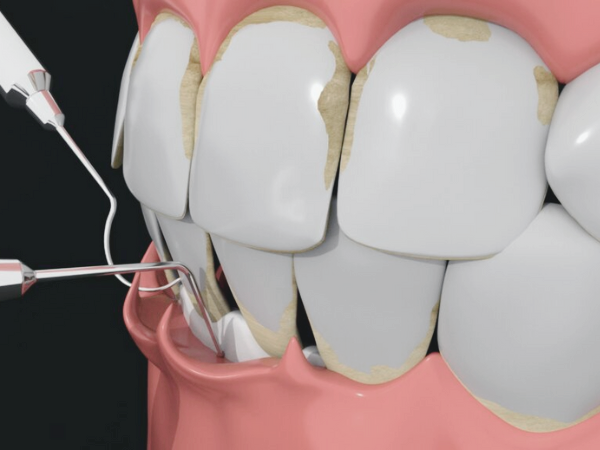
Magok Dental_Periodontal flap surgery
When gum inflammation goes down into the bone
no matter how much you scrape from the outside,
the deep cluster of bacteria inside cannot be reached.
Simply put,
it feels like cleaning only the floor
while leaving the mold under the floorboards untouched...
Even if the surface looks clean, inflammation is still growing inside.
So at this stage,
the gums are gently opened so the inside can be directly examined,
and the inflammation and tartar are removed.
This treatment is periodontal flap surgery.
How is periodontal flap surgery performed?
Periodontal flap surgery, the deep cleaning inside the gums,
is performed like this.
It is not as complicated as you might think.
Let’s go through it step by step.
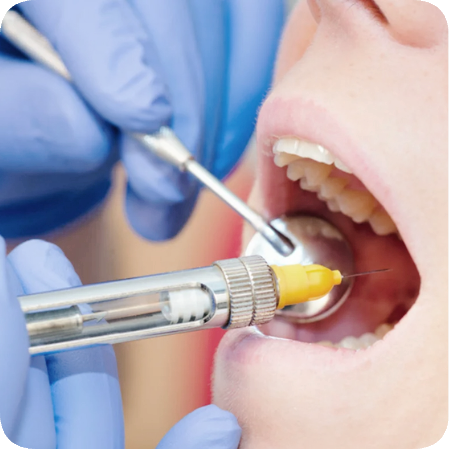
Magok Dental_Dental anesthesia
- Local anesthesia
→ You will feel almost no pain during the treatment.
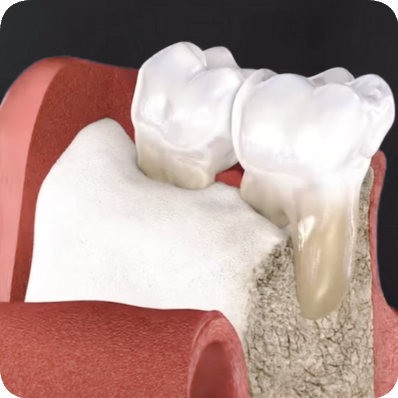
Magok Dental_Gently opening the gums to check the inside
- Gently open the gums and check the inside
The inflammation and tartar that could not be seen from the outside are directly examined.
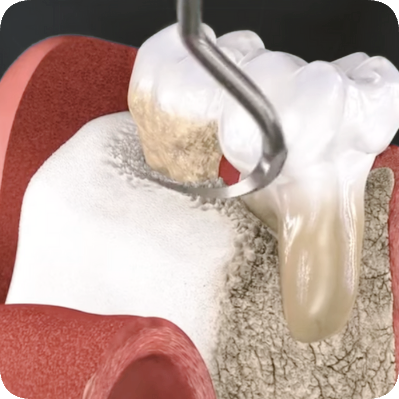
Magok Dental_Removing inflammation
- Thoroughly remove inflammation from the roots and inside the bone
The tartar and inflammation stuck deep inside are cleaned away thoroughly.
Bacteria and debris are washed away cleanly.
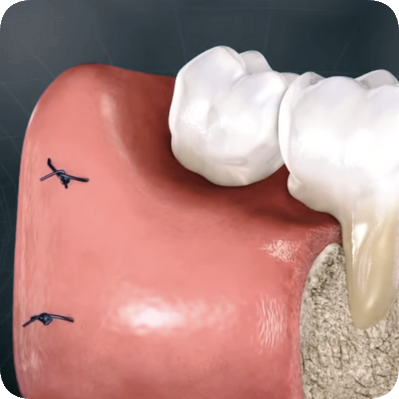
Magok Dental_Suturing the gums
- Suture the gums again
→ They are covered back into place to help recovery.
In short,
this is a treatment that directly looks with the eye
and removes the very “root” of the inflammation.
Will it hurt a lot after the surgery?

Magok Dental_Pain after surgery
After periodontal flap surgery,
most people experience slight swelling, a heavy feeling,
and mild pain.
In most cases, within 2 to 3 days,
people naturally return to their daily routines,
and pain relief is generally manageable with simple pain medication.
To summarize today’s story in one go:
- When scaling is not enough
→ root planing, curettage
- If inflammation still keeps recurring
→ periodontal flap surgery
Periodontal flap surgery
is not a sudden, scary operation,
but the final maintenance step to protect the teeth.
When cleaning the surface alone does not solve the problem,
it will not collapse again unless the inside is properly cleaned as well.
If your gums keep swelling, the bleeding does not stop,
or your teeth feel strangely loose,
that may not be a signal to be afraid,
but rather a notice saying,
“Let’s take a look together now.”^^
Seoul Dia Dental Clinic in Magok
Before you become even more anxious by searching on your own,
check your current stage comfortably at
Seoul Dia Dental Clinic in Magok.
And the next story,
how to revive the jawbone again
continues with [Guided Tissue Regeneration (GTR)].
“Can gum bone regenerate again?”
Yes, that story. I’ll cover it in the next part.^^
[ This post was written in accordance with the Medical Service Act for the purpose of providing correct information about dental surgery and procedures. Infection and side effects may occur after surgery, so the surgery (procedure) should be decided after sufficient consultation with skilled medical professionals. ]
[ Magok Seoul Dia Dental Clinic Gum Treatment Series]
-
Early Gingivitis Symptoms and Self-Diagnosis Method
-
Differences Between Root Planing and Curettage
-
The Stage That Requires Periodontal Flap Surgery and the Treatment Process
-
What Is Guided Tissue Regeneration (GTR)?
-
Pain Management and Meal Guide After Gum Treatment
-
Maintenance After Treatment and Regular Gum Checkup Intervals