Hello.
We are Seoul Dia Dental Clinic, here to explain more realistically whether your current dental condition is okay or whether treatment is needed.
After a meal, if you take a sip of water and run your tongue around your mouth, there are times when you feel something catch in one spot.
Many of you have probably experienced this.
Actually, more people than you might think have.
At that moment, most people think the same thing first.
"Something must be stuck."
"It’ll come out if I brush."
So you brush one more time.
That is completely normal.
It would actually be stranger not to.
But strangely, a few days later, it’s the same spot again.
That is when people start to feel a little complicated.
"Is this...
because I’m not taking good care of it..."
You end up brushing harder for no reason,
and suddenly start using dental floss more diligently too.
But there is one thing I really want to say here.
This is often less about poor care and more about a change in the environment.
That is why, from this point on,
concerns about managing the spaces between teeth often begin.
In the previous post,
we first covered whether dental floss is really necessary
and why care between teeth is important.
If you haven’t seen it yet, you may want to read that before this post.
I’m not assigning homework for no reason.
It really does make understanding faster.^^
Alright, then let’s continue today’s topic right away.
Today, we’ll realistically organize, based on Seoul Dia Dental Clinic’s standards,
when interdental brushes become necessary,
how they differ from floss,
and for whom they are more needed.
If I explain it unnecessarily difficultly, you’ll lose focus while reading~ I know exactly how that feels~ lol
I’ll bring only the truly necessary content.
Let’s start right now!
When do you need an interdental brush?
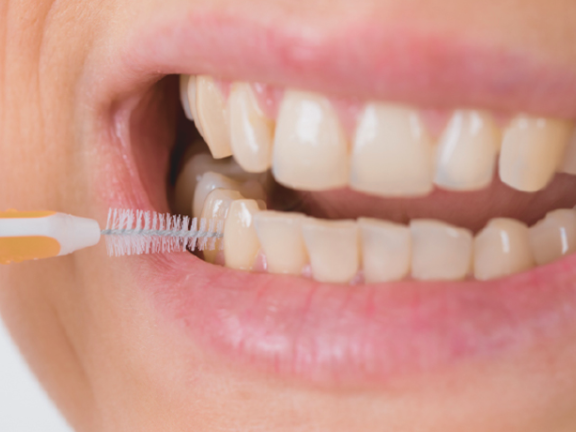
Magok-dong Dental Clinic_Interdental care tool: interdental brush
Originally, the spaces between teeth are
snugly touching each other.
They actually get along quite well.
So at first,
care can often be handled with just a toothbrush and floss.
But as time passes,
things gradually change.
The condition of the gums may change,
the structure may change after treatment,
and food may start getting stuck
more often than before.
Around this point, you start to notice.
"Oh... this feels a little different from before?"
At this time, there is no need to think,
"Am I just bad at brushing..."
It is often less about brushing and more about the fact that the environment has changed a bit.
At this stage,
just a toothbrush + floss may become a little insufficient.
So you need an oral care tool
that manages the spaces between teeth a bit more thoroughly.
That is exactly the interdental brush.
The easiest way to think of an interdental brush is as an oral care item that gives extra attention to the spaces between teeth.
How is it different from floss?
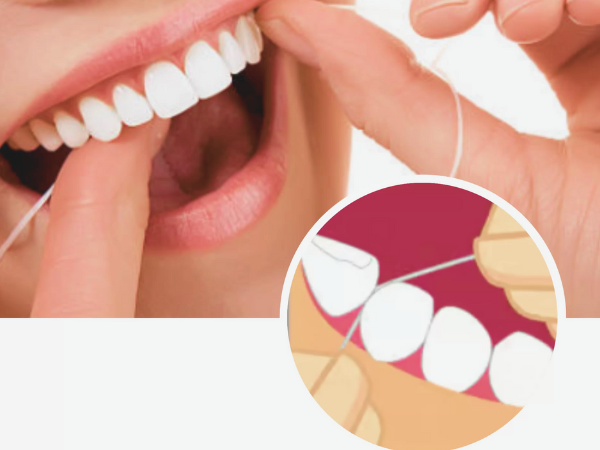
Samjeong-dong Dental Clinic_Care for the surfaces where teeth touch
To put it simply,
- Floss → care for the surfaces where teeth touch
- Interdental brush → care for the spaces between teeth
That’s the easiest way to think about it.
Floss feels like cleaning the sides of the teeth,
and an interdental brush is the idea of cleaning the open spaces between them.
Who needs it more?
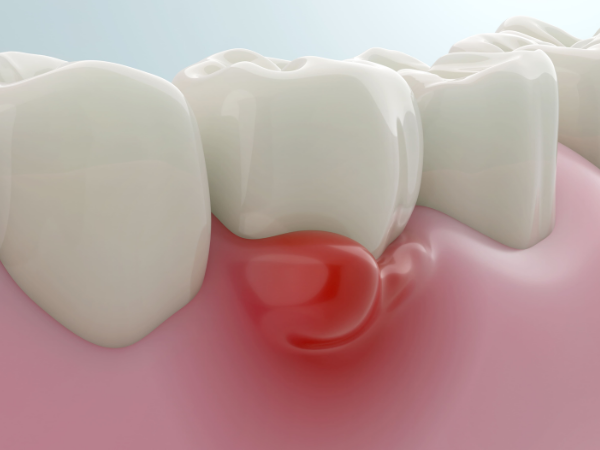
Magok-dong Dental Clinic_Cases where gum inflammation continues
Not using an interdental brush
does not mean that a problem will definitely occur.
However, it may help in cases like these.
At first, food getting stuck happens only occasionally.
But at some point,
when you start thinking,
"Why does this keep happening here?"
it may be time to check your care routine.
Interdental brush. Do you get the idea now?
Let’s summarize today’s content once more.
An interdental brush is a helpful care tool in cases such as:
- When care for the spaces between teeth is needed
- After gum treatment
- After implant treatment
- When food gets stuck repeatedly
Taking care of your teeth
may be much more important to do in a way that matches your current condition
rather than just doing it diligently.
There are actually many cases where people brush three times a day and use floss every day,
but are still managing their mouth in a way that does not fit their current condition.
So if you have ever thought,
"Am I taking care of my teeth properly?"
just once, that thought is probably not for no reason.
Often, it is a signal from your body.
Teeth... they tend to speak up surprisingly often.
You do not need to think of it too grandly.
- Lightly check your condition
- Review your current care direction only
Even just that much can make a big difference in care quality.

Magok-dong Dental Clinic Seoul Dia Dental Clinic
At the Magok-dong dental clinic,
we calmly and realistically explain things in the order of "understand your current condition first" rather than "treatment first."
(We do not push you into suddenly doing something.)
Next time,
let’s see whether an oral irrigator is really necessary
and what actually changes if you use one.
That’s all for today.
This has been Seoul Dia Dental Clinic.
[ This post was written in accordance with medical law for the purpose of providing accurate information about dental surgery and procedures. Since infection and side effects may occur after surgery, treatment should be decided after sufficient consultation with a skilled medical professional. ]
[ Magok-dong Seoul Dia Dental Clinic Oral Care Product Series ]
-
Why does oral care feel ineffective even when you do it diligently?
-
What is the correct way to brush your teeth?
-
Do you really need to use floss?
-
When do you need an interdental brush?
-
Do you really need to use an oral irrigator?
-
Do antiseptic gargles need to be used every day?
-
Do you really need to use a tongue cleaner?