Hello.
3 minutes on foot from Exit 3 of Magok Station,
This is Seoul Dia Dental Clinic, a place you can visit without 부담 없이 들르실 수 있는.
In the previous post,
I summarized [oral care methods for school-age children and adolescents]
based on realistic standards.
If you haven’t seen it yet,
you can read that first.
Once you do,
you’ll more easily understand,
“Ah, so the habits I built when I was young were important.”
After graduating from high school
and going to college or entering the workforce,
your daily rhythm changes completely.
It is a time when freedom and responsibility begin together.
These situations naturally follow.
Especially during this period,
“because I don’t have time”
or “because it doesn’t hurt”
makes it easy to keep putting off dental visits.
But the problem is,
teeth are changing quietly.
So we prepared this.
Today, for the fourth installment in our life-stage oral care series,
we’ll explain [oral care for early adulthood (20s–30s)]
in an easy-to-understand way.
Why do dental problems increase in your 20s and 30s?
On the surface, you look healthy.
You handle overtime, pull all-nighters,
and get through the day with coffee.
But the oral environment
starts to change little by little.
- Increased sugar & acidic beverages

Magok Station Dental Clinic_Soda
Coffee, lattes, energy drinks, carbonated drinks.
These beverages
make the mouth more acidic
and gradually weaken the minerals on the tooth surface.
In simple terms,
it is an environment where the tooth’s protective layer
slowly becomes weaker.
It may look fine on the outside,
but it’s like getting a little wet in the rain without an umbrella.
You can’t really tell… but you are getting wet.
- Increased stress & teeth grinding

Magok Station Dental Clinic_Stress
When stress builds up,
it’s not just your body that gets tired.
Your teeth are holding out too.
That’s because people unconsciously clench their teeth
or grind them while sleeping more often.
These may be signs that your teeth were working overtime all night.
The force from clenching your teeth
can sometimes be transmitted more strongly than when chewing.
In other words, teeth can also wear down when overloaded.
Just as our bodies suffer when we overwork them,
teeth… also wear down when overworked.
- Gum disease begins quietly
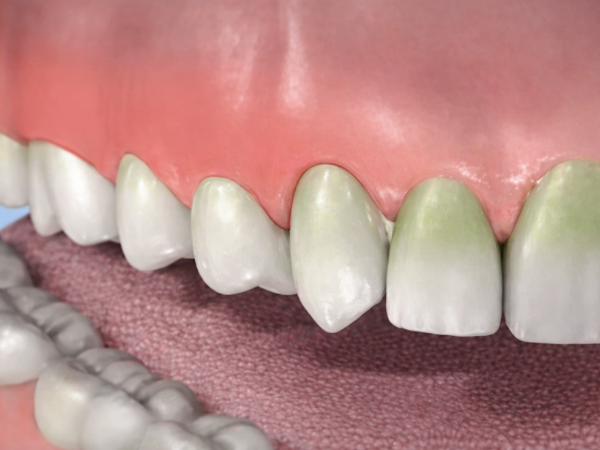
Magok Station Dental Clinic_Gum Inflammation
It’s easy to brush it off as “Maybe I’m just tired?”
But these may be early signs of gum inflammation.
Just because there is no pain
does not mean everything is fine.
What progresses quietly
is the defining feature of gum disease.
- Wisdom teeth are not a finished story yet
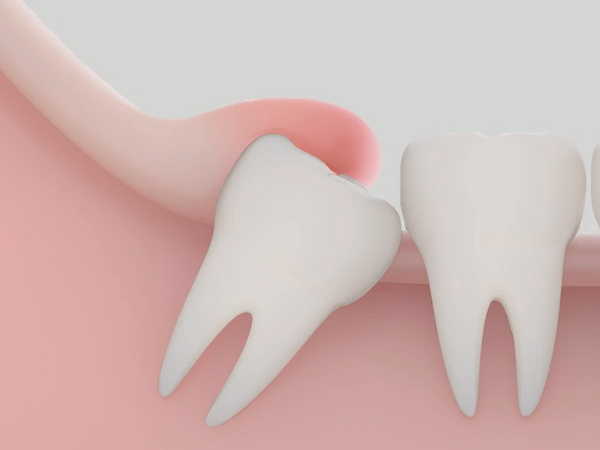
Magok Station Dental Clinic_Wisdom Tooth Inflammation
It swells, then gets better…
then swells again, then settles down…
A familiar pattern, right?
But it may not mean it has improved,
only that it has gone quiet for a while.
Food can get trapped, cleaning is difficult,
and it can affect the neighboring teeth and gums.
So if symptoms keep recurring
or the location is hard to manage,
tooth extraction may be the safer option.
- Tooth color changes are traces of lifestyle habits
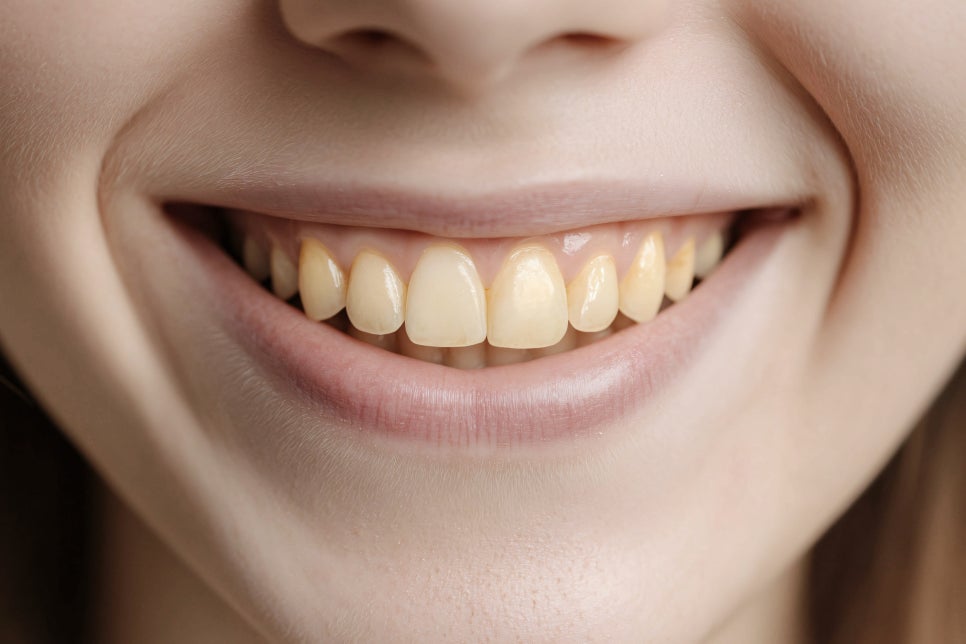
Magok Station Dental Clinic_Tooth Discoloration
Once you start working in society,
your teeth also start managing their image.
The teeth visible when you smile
are more noticeable than you might think.
One cup of coffee, then another.
Smoking habits.
Over time, the color changes little by little.
At some point, you may think,
“Didn’t they used to be this color?”
Tooth color changes are not just a cosmetic issue;
they are a record of your lifestyle habits.
Key oral care habits in your 20s–30s
Care at this stage?
You don’t need any special technique.
Lifestyle habits are the key.
- Brushing before bed = the most important
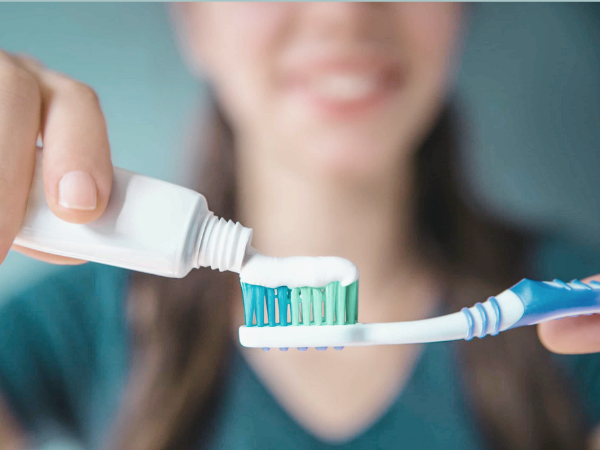
Magok Station Dental Clinic_Brushing
While you sleep, saliva decreases,
so the mouth dries out more easily and bacteria become more active.
That’s why brushing before bed
can be thought of as creating a protective layer
that protects your teeth while you sleep.
- Brushing + flossing = complete basic care
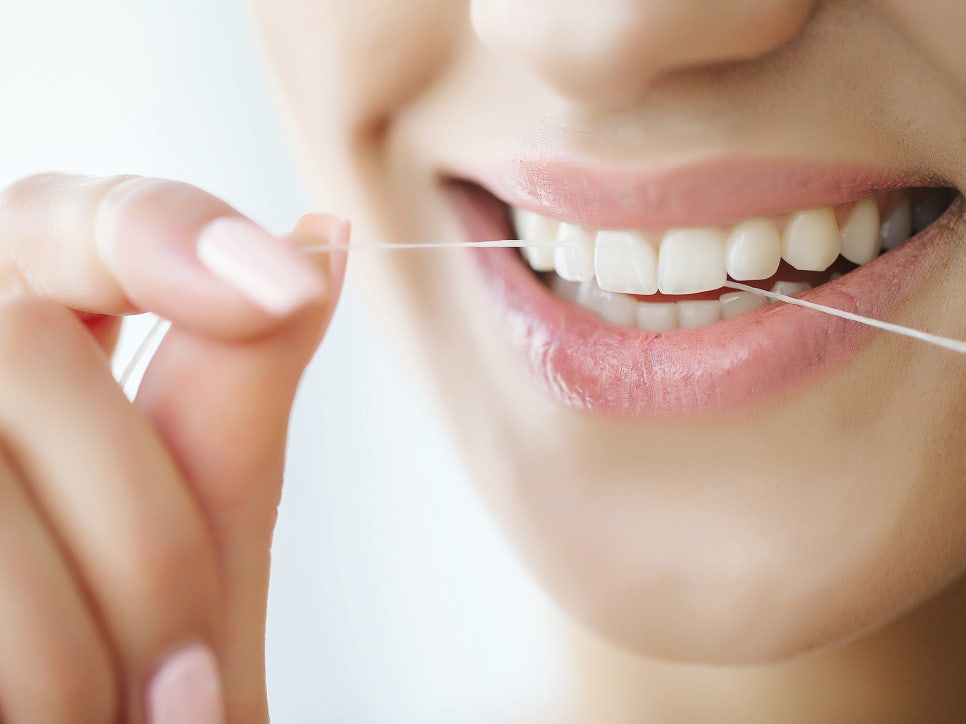
Magok Station Dental Clinic_Flossing
A toothbrush cleans visible surfaces,
and floss clears the hidden spaces between teeth.
You need to use both to keep everything truly clean.
- Take a sip of water after coffee or drinks

Magok Station Dental Clinic_Water
It helps move the mouth away from an acidic state
and washes away sugar left on the teeth.
It may seem minor, but it is a habit that makes a fairly
big difference in protecting your teeth.
- Get checked if you suspect teeth grinding
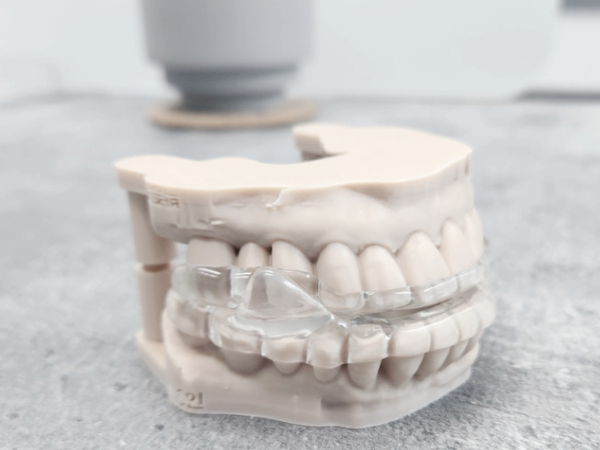
Magok Station Dental Clinic_Night Guard for Teeth Grinding
If you have tooth wear, jaw pain, or headaches,
a protective device (mouthpiece) may help.
- Regular checkups every 6 months to 1 year
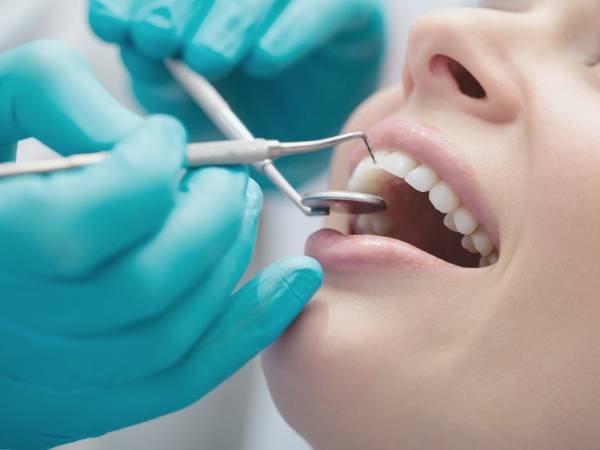
Magok Station Dental Clinic_Regular Oral Checkup
A dental clinic is not just a place to go when it hurts,
but a place to prevent problems before they start.
Regular checkups can reduce the chance
of needing major treatment later.
To summarize oral care for adults in their 20s and 30s:
- Coffee, carbonated drinks, and stress
→ causes of tooth weakening and wear
- Bleeding gums, bad breath
→ signs of early gum disease
- Wisdom tooth inflammation can recur easily
→ extraction may be needed if inflammation keeps returning
- Tooth color changes
→ traces of lifestyle habits
- Brushing at night + flossing
→ basic preventive care
- Regular checkups
→ a way to prevent major treatment
Seoul Dia Dental Clinic, Magok Station
“I’m still young, so I’ll probably be fine.”
That’s a thought many people have.
But teeth and gums
are influenced more by habits than by age.
If you take care of them now,
you can reduce treatment needs 10 years from now.
In the next post,
I’ll organize the changes in teeth and gums
that appear in the early middle-age period in the 30s and 40s,
based on realistic standards.
Care for your teeth and gums.
I hope you feel a little less anxious
and a little more comfortable.
Wishing you a healthy day today.
This has been Seoul Dia Dental Clinic.
[ This post has been written in accordance with medical law for the purpose of providing accurate information about dental surgeries and procedures. Infections and side effects may occur after surgery, so you should decide on surgery (procedure) only after thorough consultation with a skilled medical professional. ]
[ Seoul Dia Dental Clinic Life-Stage Oral Care Series]
-
Infants and toddlers (0–3 years)
-
Primary tooth stage children (4–7 years)
-
School-age children & adolescents (8–18 years)
-
Early adulthood (20s–30s)
-
Early middle age (30s–40s)
-
Middle age (50s–60s)
-
Older adults (70s and above)