Hello,
This is Seoul Dia Dental Clinic in Mageok-dong,
promising honest and careful care.
In the previous post,
we organized [oral care in early adulthood (20s–30s)]
based on realistic standards.
But by any chance...
is there anyone who hasn’t seen it yet?
Hmm... surely not... haha
If you haven’t, please go back and review it first using the link below.
If you read it,
it will be much easier to understand:
"Oh, so this is the stage when care is important."
All right, now let’s get to the main topic.
When you pass your 30s and enter your 40s,
your body starts sending signals.
Recovery from fatigue isn’t what it used to be,
and you end up checking your health screening numbers one more time for no reason.
(Why do the numbers feel so unfamiliar...? lol)
And your mouth doesn’t stay still either.
Quietly... very quietly, changes begin.
So today,
the fifth story in oral care by life stage!
[Key oral care points in early middle age (30s–40s)]
Seoul Dia Dental Clinic will take responsibility and ㅋ
explain it in an easy-to-understand, realistic way.
What kinds of problems occur in the mouth in your 30s and 40s?
This period is not when your teeth suddenly get worse.
It is the time when the results of your lifestyle habits
start to show.
Stress keeps building up,
and it’s not just one or two company dinners.
One drink, then another.
Coffee becomes the fuel that gets you through the day.
You’re busy, so brushing is rushed,
and flossing is... only in your mind. haha
When this kind of lifestyle repeats,
the oral environment quietly changes too.
- Gum disease begins to progress in earnest from this stage
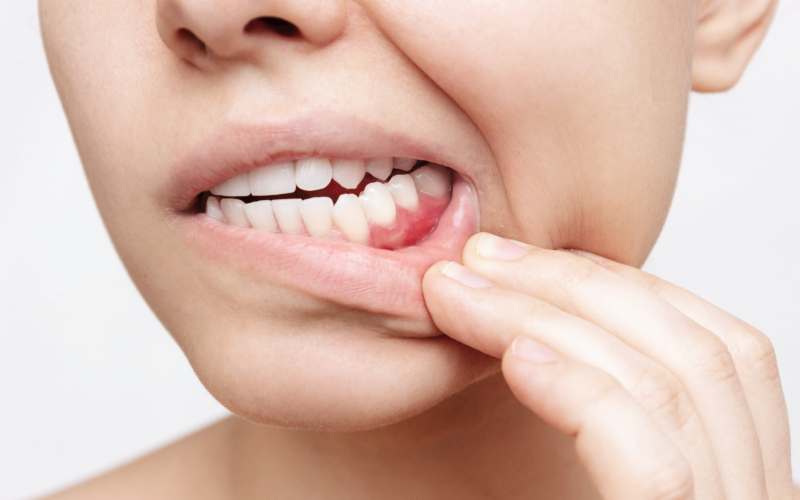
Mageok-dong Dental Clinic_gingival inflammation
As you get older, cavities decrease,
but gum problems quietly appear instead.
It’s not the teeth,
but the "foundation work" holding the teeth in place that starts to weaken.
Blood appears when you brush,
bad breath keeps bothering you,
your gums feel swollen or receded,
and the spaces between teeth may seem wider.
"Maybe I’m just tired..."
It’s easy to dismiss it that way.
But bleeding at this stage
is often a warning sign from the gums.
No pain does not mean everything is fine.
Gum disease progresses quietly,
but if left untreated, it becomes very noticeable.
- Tartar buildup & gum recession
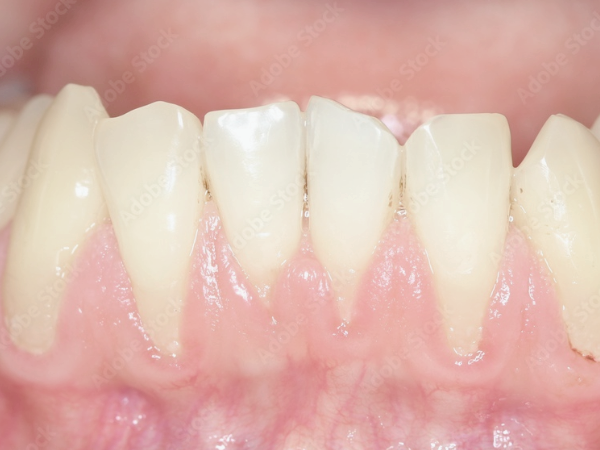
Mageok-dong Dental Clinic_gum recession
As time passes, tartar gradually hardens
and settles deeper under the gums.
Then the gums recede,
making the teeth look longer,
the gaps between teeth widen,
and food gets stuck more easily.
You can think of it like a door that used to fit perfectly
slowly starting to open.
At first, only a little air gets through,
but as the gap widens, dust and bugs(?) can get in too.
The same goes for the spaces between teeth.
The wider the gaps, the more room bacteria have to stay.
A quietly widened gap
can become the starting point of a problem.
- Increased tooth wear & cracks
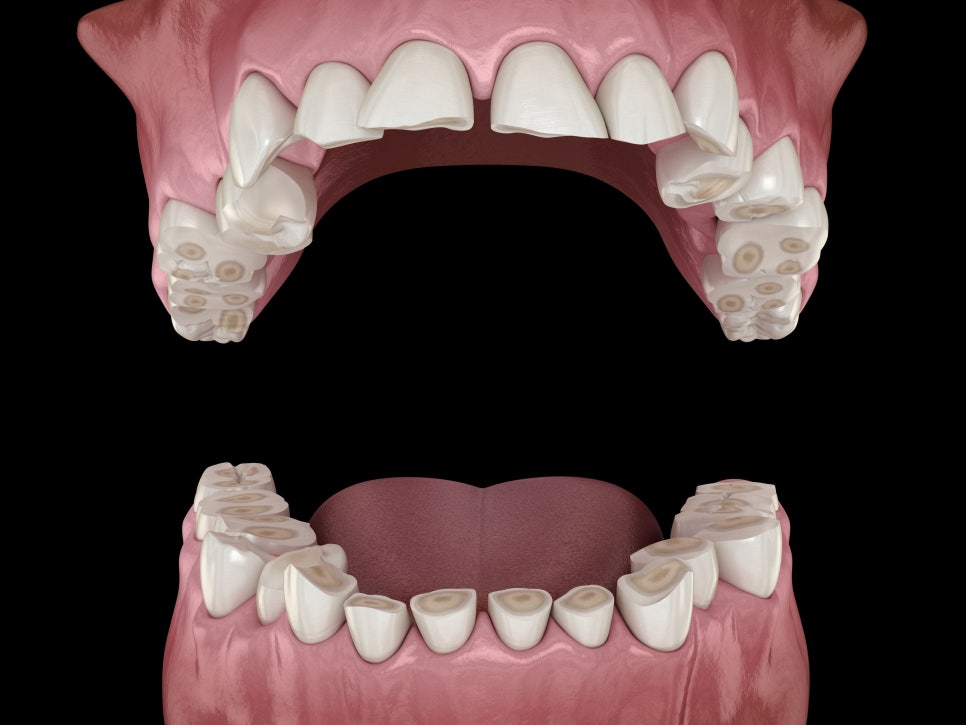
Mageok-dong Dental Clinic_tooth wear
When you reach your 30s and 40s,
you chew tough foods hard,
clench your teeth when stressed,
and even the areas treated in the past face the passage of time.
Then,
the chewing surfaces of the molars wear down,
microscopic cracks appear,
and one day you take a sip of cold water and think, “Huh? That’s sensitive?”
- The stage when problems can appear in previous treatment areas
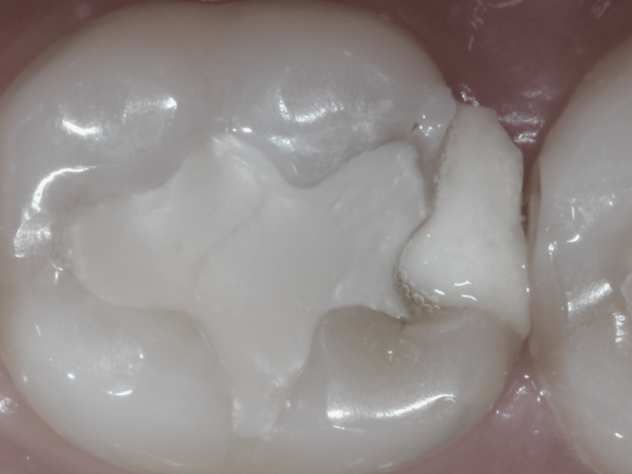
Mageok-dong Dental Clinic_resin fracture
Resin, inlay, crown.
After treatment is finished, it’s easy to think that’s the end.
But over time, these restorations also
reach the end of their lifespan little by little, like shoe soles wearing out.
At first, everything is fine.
Then, at some point,
food keeps getting stuck,
the margins weaken,
cavities develop again,
or the restoration comes off.
- Dry mouth & increased bad breath

Mageok-dong Dental Clinic_bad breath
Stress builds up,
sleep is lacking,
and after a company dinner and coming home...
your mouth gets tired too.
That’s because
saliva production decreases.
Saliva is not just water.
It’s like a "natural protective barrier" that washes away bacteria
and protects the mouth.
But when this protective barrier decreases,
bad breath increases, the mouth feels sticky,
and the risk of cavities and gum disease also rises.
Simply put,
when the inside of your mouth becomes dry like a desert,
bacteria actually find it easier to live.
Core oral care habits in your 30s–40s
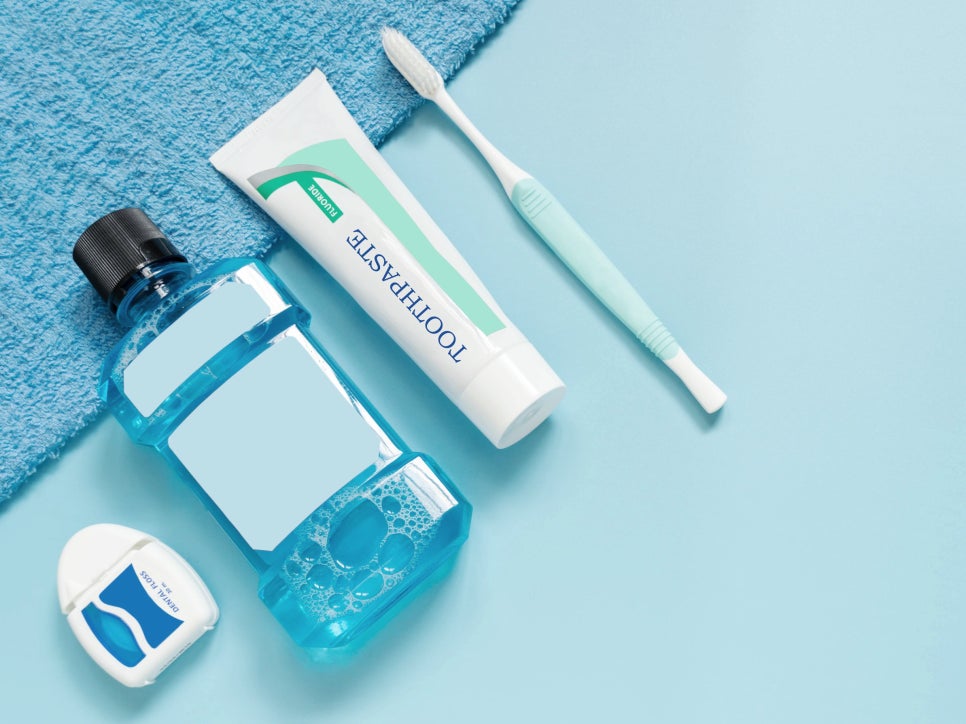
Mageok-dong Dental Clinic_ oral hygiene management
Care at this stage
doesn’t require any amazing technique.
In the end, what matters is how well you master the basics.
Just like a house looks messy if only the living room is spotless
while the corners are dirty,
your teeth also need more than just cleaning the visible surfaces.
If the toothbrush is for cleaning the main roads,
dental floss and interdental brushes are for tidying the side streets.
The spaces between teeth are where gum disease often begins.
And scaling.
Tartar does not stay like dust;
it hardens like stone.
That’s why it can’t be handled at home
and why professional equipment is needed.
If teeth grinding or clenching is suspected,
you may want to consider an appropriate protective device or treatment method
through professional consultation.
A sip of water after coffee or alcohol
lowers oral acidity and washes away sugar,
which is a small but highly effective habit.
And regular checkups.
The dental clinic is not a place you go after something breaks.
It’s a place where you check things before they break.
In the end, the answer is one thing:
consistent basic care matters more than any special secret.
So, up to this point,
we’ve looked closely at the oral changes and care points in your 30s and 40s.
Let’s wrap up by summarizing the key points.
-
A period when gum disease begins gradually
-
Managing tartar and gum recession is important
-
Tooth wear and microcracks may increase
-
Problems may recur in previously treated areas
-
Regular care is the key to reducing treatment
Seoul Dia Dental Clinic in Mageok-dong
"I’m probably still fine."
That’s the thought most people have at exactly this stage.
But teeth and gums are best cared for
not when they hurt,
but when changes begin.
If you take care of them now,
you can greatly reduce treatment burden 10 years from now.
If you check early, repairs stay small;
if you put it off, the work becomes much bigger... you know, right?
In the next post,
we’ll continue with practical management methods for
[oral changes that appear in middle and older middle age (50s–60s)].
I hope today’s story helps make oral care
a little less worrying
and a little more comfortable.
Have a healthy day today.
This has been Seoul Dia Dental Clinic.
[ This post was written in accordance with medical law for the purpose of providing correct information about dental surgery and procedures. Infection and side effects may occur after surgery, so the surgery (procedure) should be decided after sufficient consultation with a skilled medical professional. ]
[ Seoul Dia Dental Clinic Oral Care Series by Life Stage]
-
Infants and toddlers (0–3 years)
-
Preschool children with primary teeth (4–7 years)
-
School-age children & adolescents (8–18 years)
-
Early adulthood (20s–30s)
-
Early middle age (30s–40s)
-
Middle and older middle age (50s–60s)
-
Older adulthood (70s and above)