Hello.
We are Magok Seoul Dia Dental Clinic,
which protects your dental health up close.
So far, we’ve gone through resin, inlay, and onlay
one by one, step by step.
For those of you who have followed along so far,
you probably now have a rough sense of
which treatment is needed in which situation. haha
But here’s the thing.
When you actually face treatment, another concern comes up.
"How much does it cost?"
"How long can it last?"
"Which treatment is right for me?"
Today, Seoul Dia Dental Clinic will answer those questions.
First, a one-line summary of each treatment!
For those who are confused,
let’s quickly go over each one in a single line.
-
Resin → A method of directly filling and hardening the decayed area
-
Inlay → A method of placing a precisely made restoration into the tooth
-
Onlay → A method that covers the inlay area plus the cusps
-
Crown → A method of covering the entire tooth like a cap
Now, let’s get into the main point.
Cost comparison
Treatment cost varies depending on the material and extent.
The exact amount can differ by clinic and by condition,
so please use this only as a rough reference.
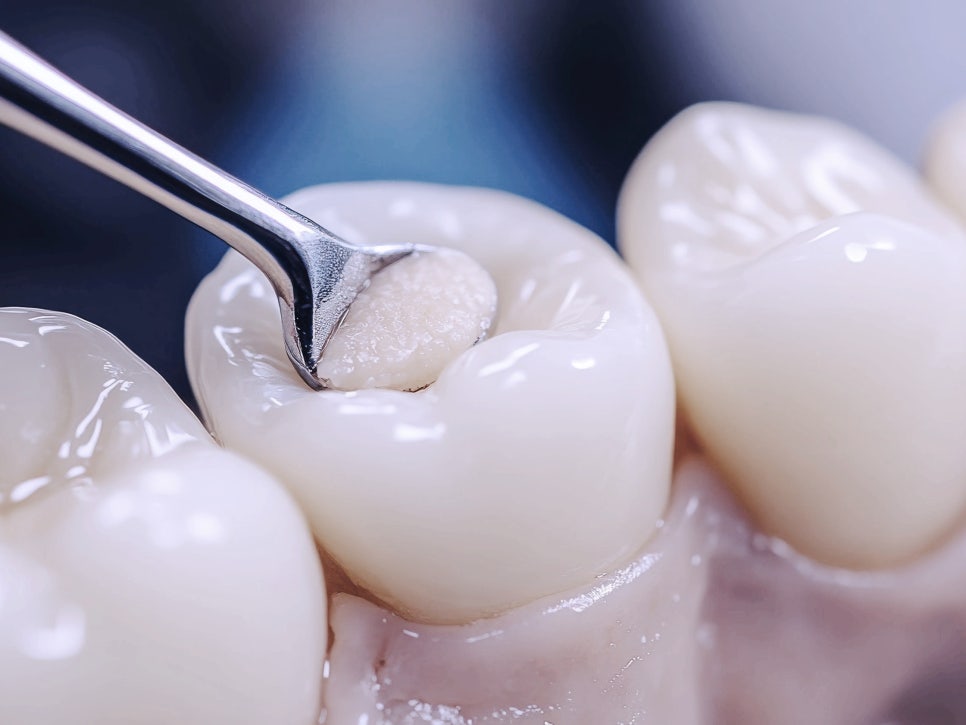
Magok Dental Clinic_Resin
[Resin]
In some cases, health insurance coverage may apply,
making it the least burdensome of the four treatments.
However, depending on the location and extent,
it may also be performed as non-covered treatment.
Based on non-covered treatment,
a typical resin filling is generally decided within
about KRW 70,000 to 150,000 depending on the area and size.
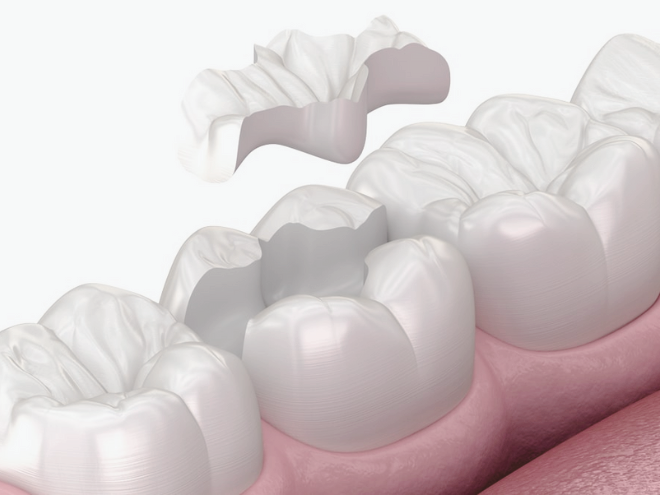
Magok Dental Clinic_Inlay
[Inlay]
The cost varies depending on the material.
Gold inlay, ceramic inlay, and resin inlay
have different price ranges.
Whether insurance applies also varies by case, so confirmation is needed.
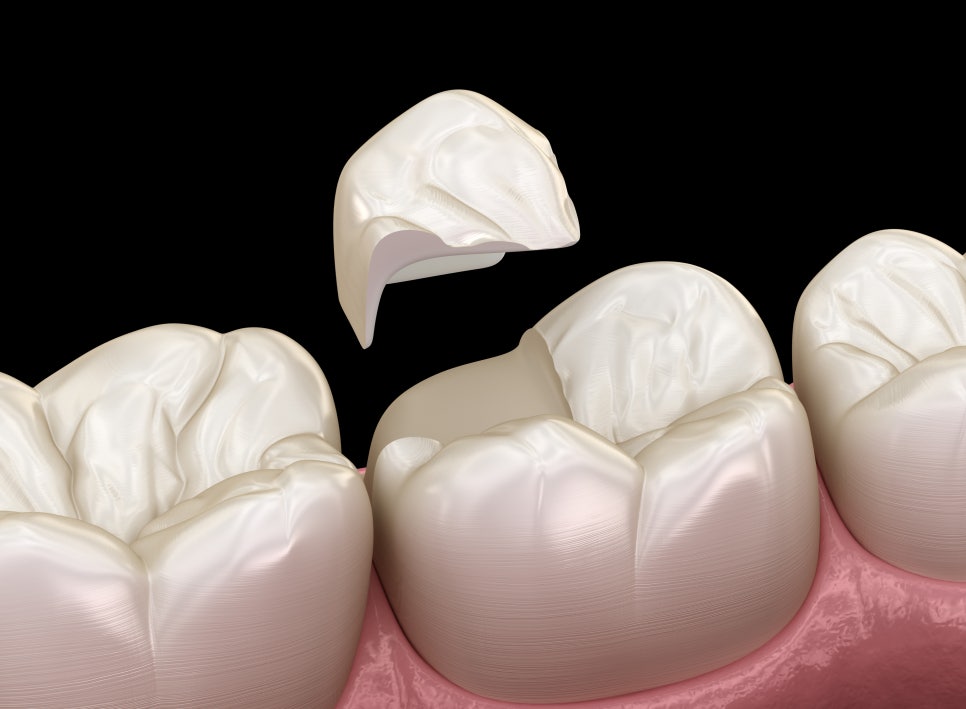
Magok Dental Clinic_Onlay
[Onlay]
Because the coverage area is wider than an inlay,
the cost is a little higher as well.
It is less expensive than a crown,
and more expensive than an inlay.
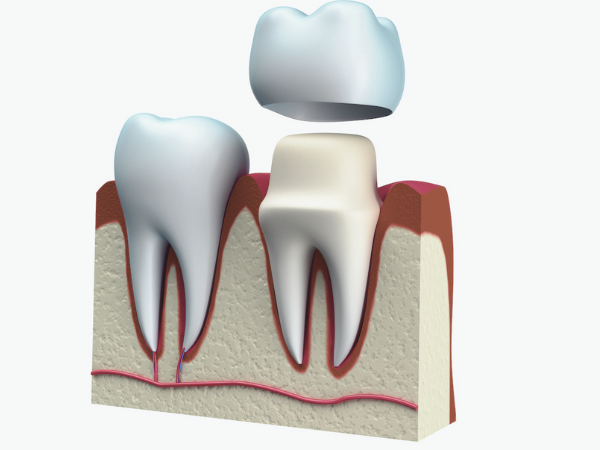
Magok Dental Clinic_Crown
[Crown]
Because it covers the widest treatment area of the four,
it is also the most expensive.
The price can vary quite a bit depending on the material (gold, zirconia, PFM, etc.).
Typically, PFM averages around KRW 350,000 to 400,000,
and zirconia averages in the KRW 500,000 range.
Lifespan comparison
Just as important as cost is lifespan.
Let’s organize how long each one can last using practical 기준.
[Resin]
Average 3 to 5 years.
Depending on the chewing force in the area and the condition of care,
it may wear down or come off sooner.
[Inlay]
Average 7 to 10 years or more.
Depending on the material and care conditions,
it is often used for even longer.
Because it is precisely made,
it is much more stable than resin.
[Onlay]
Similar to or longer than an inlay.
Because it protects the cusps as well,
it holds up well against chewing force.
[Crown]
Average 10 to 15 years or more.
It has the longest lifespan of the four treatments.
However, if secondary decay develops underneath,
its lifespan may become shorter.
So, which treatment is right for me?
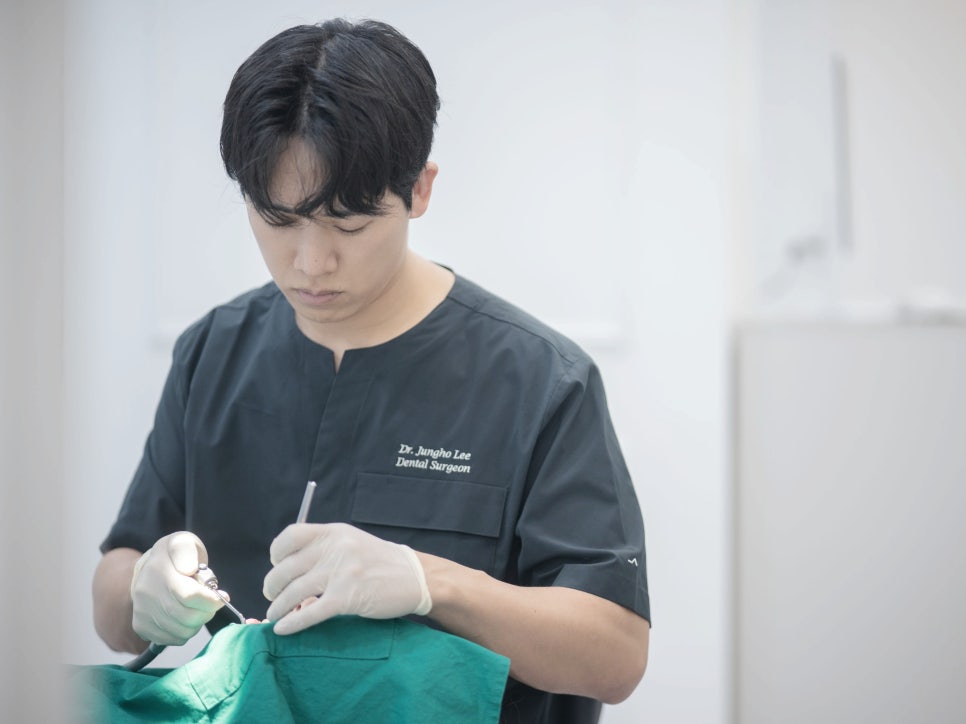
Magok Dental Clinic_Treatment
Cost and lifespan are both important, but ultimately there is one key point.
Getting the treatment that matches your current tooth condition.
In short, it’s simple.
-
If the cavity is small and in the early stage → Resin
-
If the cavity is wide or deep → Inlay
-
If it has spread to the cusps → Onlay
-
If the entire tooth is damaged → Crown
Choosing resin because it is cheaper,
only to have it come off quickly and need treatment again,
happens more often than you might think.
On the other hand, there are cases where people think they must get a crown,
when an onlay can preserve healthy tooth structure.
Once a tooth is removed, it cannot be restored.
That is why the initial choice matters.
Let’s briefly review today’s content.
Resin → Fast and affordable, but relatively short lifespan
Inlay → Precise and stable, moderate cost and lifespan
Onlay → Wider coverage than an inlay, favorable for preserving teeth
Crown → Widest coverage, highest level in both cost and lifespan
And the most important thing is—
knowing your exact tooth condition comes first.
Rather than worrying about it alone when it is uncertain,
it is much faster to have it checked once.
Magok Seoul Dia Dental Clinic is here to help with consultations
through Naver Talk Talk / reservations.
Feel free to check it out without 부담.^-^
[ This post was written in accordance with the Medical Service Act for the purpose of providing accurate information about dental surgeries and procedures. Infection and side effects may occur after surgery, so you should decide on surgery (procedure) after sufficient consultation with skilled medical staff. ]
[Magok Station Dia Dental Clinic Step-by-Step Cavity Series]
-
What happens if a cavity is left untreated? A complete guide to treatment stages from resin to crown
-
If it is an early cavity, is resin enough? Suitable cases and limitations
-
If resin is not enough, when is an inlay needed? Timing and selection criteria
-
Cavities for which even an inlay is not enough: In what cases is an onlay chosen?
-
Resin vs Inlay vs Onlay vs Crown: Costs and Lifespan at a Glance
-
Why cavities come back after treatment, and what to do to prevent recurrence