Hello.
Mokgok Seoul Dia Dental Clinic
puts care into every single tooth.
This is the final installment, Part 6,
of the cavity treatment series!
We’ve looked at every stage of cavity treatment,
from resin to crowns.
Thank you so much to everyone who followed along until the end.ㅎㅎ
But even after treatment goes well,
some people still say things like this.
"I definitely got it treated, so why is it decaying again?"
"Did I not take care of it properly?"
It’s frustrating.
You clearly got treatment and tried to be careful,
so if another problem comes up, it’s only natural to feel surprised.
Today, Seoul Dia Dental Clinic will explain the reason,
and practical ways to prevent recurrence,
one by one.
Why cavities come back
Cavity recurrence is not simply because of poor care.
You need to know the cause to prevent it properly.
1. A gap forms at the boundary of the treated area
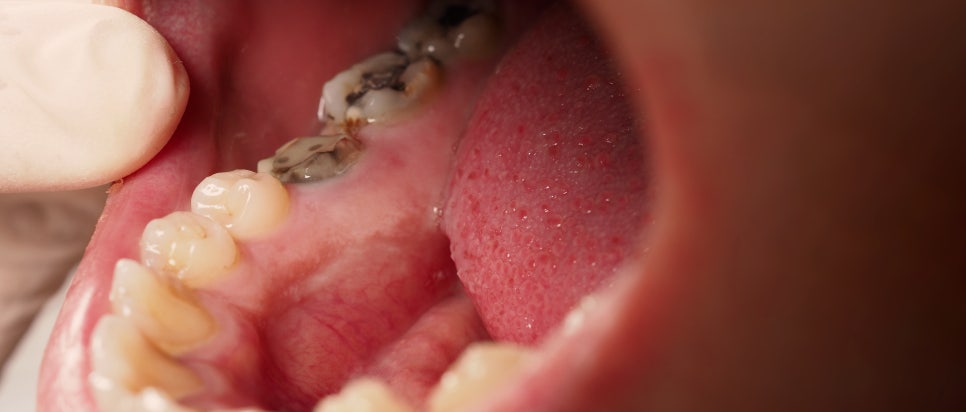
Mokgok Station Dental Clinic_gap-related decay in prosthetic restoration
Whether it is resin, an inlay, or a crown,
very small gaps can form over time
between the restoration and the tooth.
Bacteria can slip into that gap
and quietly start causing decay inside.
This is the case when it looks fine on the outside
but is decaying inside.
2. The restoration becomes old or damaged
No matter how well-made a prosthetic restoration is, it has a lifespan.
Over time, it can wear down or develop tiny cracks,
and food debris and bacteria begin to accumulate in those spaces.
This is why you should not just think,
"It looks fine on the outside, so it must be okay~"
and leave it alone.
3. Post-treatment care is insufficient
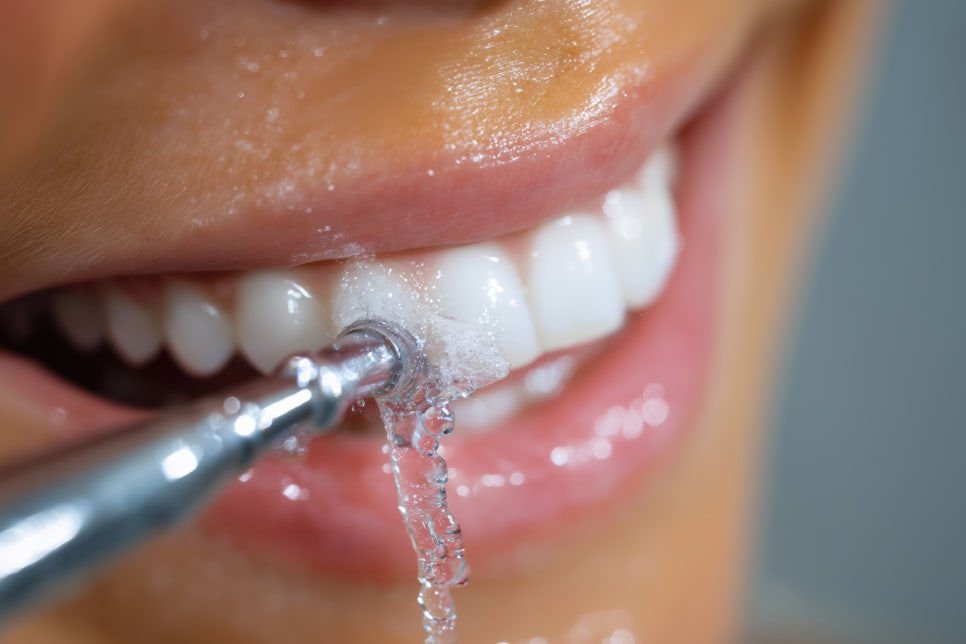
Mokgok Station Dental Clinic_oral irrigator
Even if you receive good treatment, what comes next matters.
If you do not clean around the treated area thoroughly,
bacteria will settle there again.
In particular, the spaces between teeth and the gum line
cannot be fully cleaned with brushing alone.
4. Eating habits stay the same

Mokgok Station Dental Clinic_sweet foods
If your habit of enjoying sweet foods and sticky foods
stays the same?
Then the treatment was done,
but the environment that allows cavities to form remains the same.
The risk of recurrence will inevitably increase.
To prevent recurrence, just follow these
You do not need to overthink it.
Here are only the things you can realistically keep up with.
1. Make sure to use dental floss and interdental brushes
Brushing alone makes it difficult to completely remove bacteria between teeth.
Carefully cleaning between teeth with dental floss or interdental brushes
is the foundation of preventing recurrence.
2. Rinse right after eating sweets
If brushing right after eating something sweet is difficult,
at least rinse with water once.
This changes the environment before bacteria can feed on sugar and make acids.
A small habit makes a big difference.
3. Check old restorations regularly
There are many cases where problems start on the inside even though everything looks fine on the outside.
In particular, if you have been using resin, inlays, or crowns for a long time,
be sure to check their condition during regular checkups.
The earlier a problem is found, the smaller the treatment can be.
4. Ultimately, regular checkups are the most reliable method
If you come to the dentist only after it hurts,
there are many cases where the problem has already grown large.
On the other hand, if you check while things still seem fine,
there are far more cases that can be finished simply.
Once every six months, that is the most reliable way to prevent cavity recurrence.

Mokgok Station Dental Clinic_consultation
Now, let’s briefly review today’s content.
- Recurrence is not only a matter of poor care
- The main causes are gaps at the boundary of the restoration and old prosthetics
- Carefully clean between teeth with dental floss and interdental brushes
- Even if old prosthetics look fine on the outside, check them regularly
- A checkup every six months is the most reliable preventive method
Mokgok Station Seoul Dia Dental Clinic
Once a tooth sends a signal,
there is not as much time for the next chance as you might think.
It is important to receive treatment well,
but how you care for it afterward determines the lifespan of the tooth.
With this, we have finished all six parts of the cavity treatment series.
Thank you so much to everyone who stayed with us from the beginning to the end. 😊
Next time, we will come back with a new topic.
Enjoy your meal today,
and have a day full of happy smiles. ^^
[ This post was written for the purpose of providing proper information about dental surgery and procedures, in accordance with the Medical Service Act. Infection and side effects may occur after surgery, so you should decide on surgery (procedure) after sufficient consultation with a skilled medical professional. ]
[ Mokgok Station Dia Dental Clinic step-by-step cavity series ]
-
What happens if you leave cavities untreated? A complete summary of treatment stages from resin to crowns
-
If the cavity is in the early stage, is resin enough? Suitable cases and limitations
-
If resin is not enough? When inlays are needed and selection criteria
-
When cavities go beyond inlays, in what cases are onlays chosen?
-
Resin vs inlay vs onlay vs crown, a side-by-side comparison of cost and lifespan
-
Why cavities can come back after treatment, and what to do to prevent recurrence