Hello.
This is 서울디아치과,
responsible for healthy smiles
in the Magok Station area.
Just last week,
we had to battle the sweltering heat
that left us drenched in sweat.
But surprisingly, after Ipchu,
the temperature dropped quite a bit, didn’t it? Haha.
Autumn will arrive before we know it,
and what should you do during the change of seasons?
Get a dental checkup!
During the seasonal transition, when immunity tends to decline,
now is the perfect time to visit the dentist
if you have been putting it off.
The breeze is also becoming pleasantly cool,
so you can visit us comfortably.
(The inside of the dental clinic is even cooler ^-^)
Anyway~ haha
we are starting a new series today.
It is about a symptom that many people have experienced at least once:
temporomandibular disorder.
“My jaw makes a clicking sound.
Is it okay to just leave it alone?”
Recently, more people have been contacting us about this symptom.
When there is only a sound and no significant pain,
many people wonder whether it is really necessary to visit a hospital
and end up ignoring it.
However, temporomandibular disorder
can begin with a small sign
and, at some point, progress to difficulty opening the mouth
or chronic headaches.
Today, we will explain step by step, starting with the basics,
what temporomandibular disorder is
and how problems can develop within its structure.
What Is the Temporomandibular Joint?
The temporomandibular joint
is called the TMJ (Temporomandibular Joint).
It is the joint located directly in front of the ear,
where the lower jawbone and skull meet.
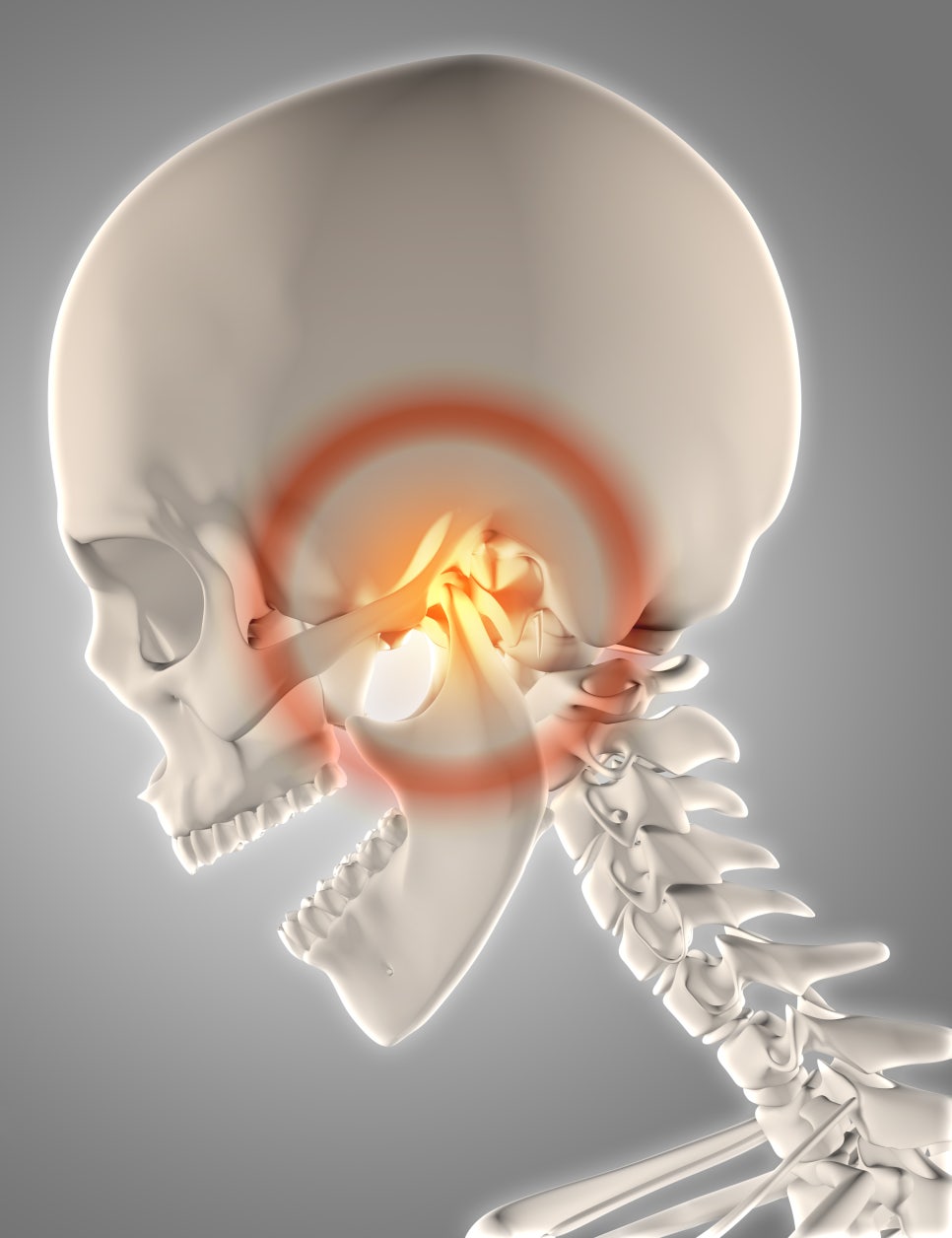
Magok Station Dental Clinic_Temporomandibular Joint
It is involved in every movement we make when we chew food,
talk,
and open and close our mouths.
It is one of the most frequently used joints in the human body,
moving continuously thousands of times a day.
Inside this joint is a disc (articular disc)
that cushions impacts between the bones.
When this disc
starts to gradually move out of position,
temporomandibular disorder begins.
What Is Temporomandibular Disorder?

Magok Station Dental Clinic_Temporomandibular Disorder
Temporomandibular disorder (TMD, Temporomandibular Disorder)
refers to a condition involving pain or functional abnormalities
in the temporomandibular joint and surrounding muscles.
It is not simply a problem of jaw pain.
The muscles surrounding the temporomandibular joint,
as well as the ligaments, bones, and disc,
can all be affected, making it a complex condition.
Temporomandibular disorder
can generally be divided into two types.
1. Problems with the Joint Itself
This occurs when the disc moves out of position
or changes develop in the joint structure itself.
A clicking sound when opening the mouth
or being unable to open the mouth beyond a certain point
are symptoms that may occur in this case.
2. Muscle Problems
This occurs when the muscles that move the jaw
become excessively tense
or fatigued.
Unconscious habits,
such as teeth grinding and jaw clenching,
are major causes.
These two types often occur together.
Why Does It Develop?

Magok Station Dental Clinic_Pain Caused by Poor Posture
It is difficult to identify just one cause
of temporomandibular disorder.
As with many conditions,
multiple factors often work together. T.T
1. Teeth Grinding and Jaw Clenching
Habits such as grinding your teeth during sleep
or tensing your jaw when you are under stress.
If these behaviors are repeated,
the temporomandibular joint and surrounding muscles
are continuously overloaded.
A considerable number of patients with temporomandibular disorder
also grind their teeth or clench their jaws.
2. Poor Posture
Postures such as holding your neck forward
or resting your chin on your hand.
If these postures continue for a long time,
unbalanced forces are placed on the temporomandibular joint.
3. Trauma
This includes cases in which the jaw receives a direct impact,
such as from a traffic accident or fall.
4. Dental Occlusion Problems
An improper bite
or a change in tooth height after dental treatment
can also affect the temporomandibular joint.
5. Stress
Stress can trigger jaw clenching and muscle tension,
making it an important factor
that can worsen temporomandibular disorder.
Is Temporomandibular Disorder Treated at a Dental Clinic?
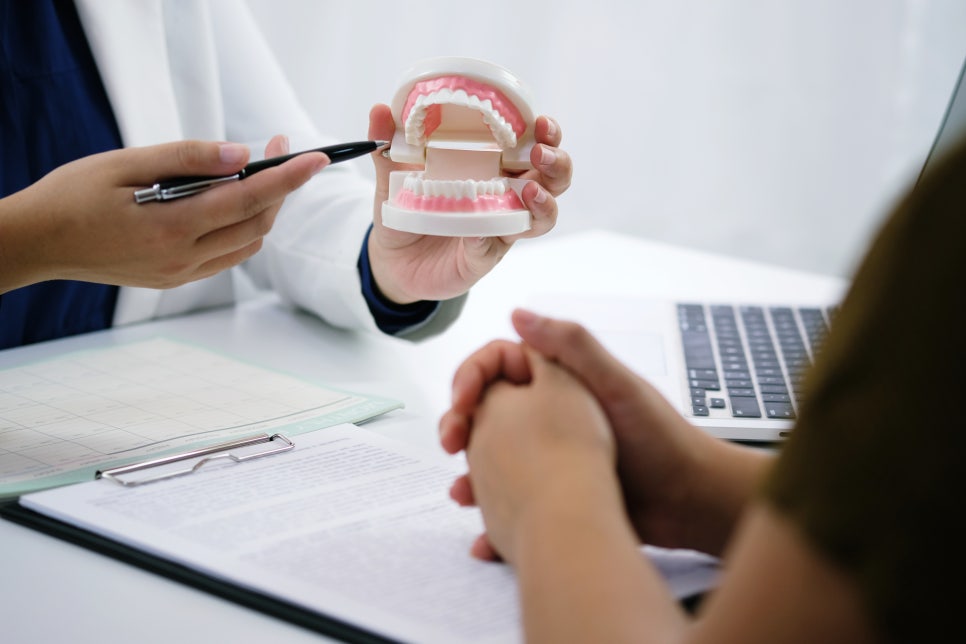
Magok Station Dental Clinic_Dental Consultation
“Isn’t a temporomandibular joint problem treated by an orthopedic surgeon or an otolaryngologist?”
Many people think this way.
Temporomandibular disorder
is diagnosed and treated at a dental clinic.
This is because the jawbones and the bite of the teeth
directly affect the temporomandibular joint.
At a dental clinic,
we carefully evaluate the condition of the temporomandibular joint
through occlusal analysis and imaging tests
and recommend a treatment approach suited to the cause.
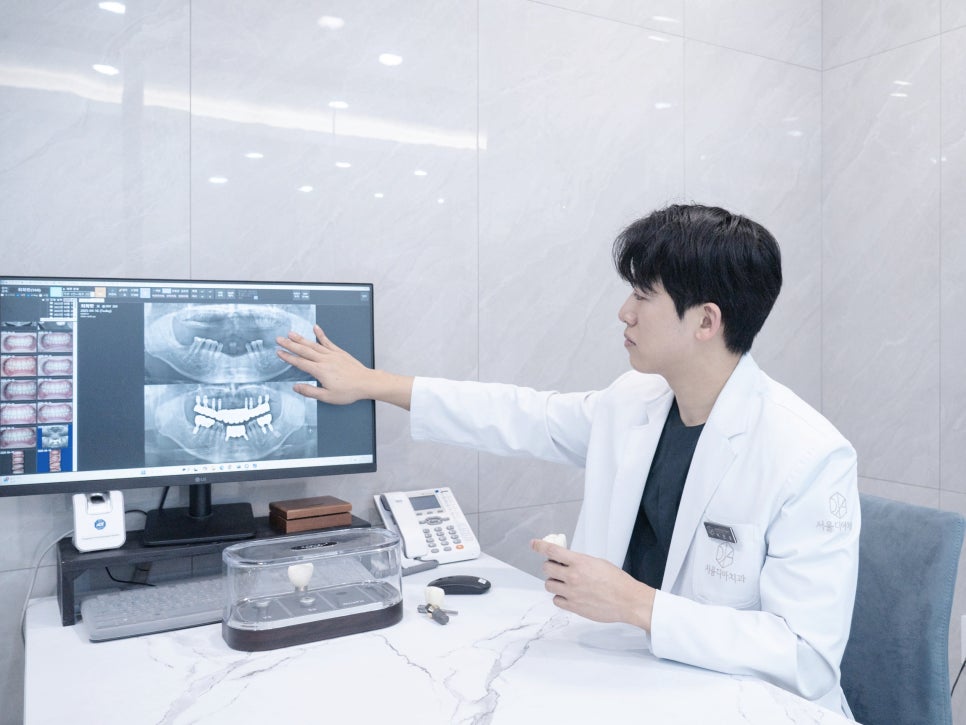
서울디아치과 at Magok Station
For temporomandibular disorder,
checking for the condition when there are early signs
without significant pain
is the wisest choice.
At 서울디아치과,
we carefully assess the condition of the temporomandibular joint
and provide guidance on a treatment approach suited to each individual.
We offer convenient consultations
through Naver TalkTalk and appointment reservations.
Feel free to have it checked without any pressure.
In the next installment,
we will explain [ Symptoms of Temporomandibular Disorder ]
in an easy-to-understand way.
Stay healthy today,
and have a day filled with bright smiles. ^^
[ This post was written in accordance with the Medical Service Act for the purpose of providing accurate information about dental surgeries and procedures. Infections and side effects may occur after surgery, so you should decide on surgery (or a procedure) after sufficient consultation with a qualified medical professional. ]
[ Magok Station Dental Clinic_Temporomandibular Disorder Series ]
“Why Is My Jaw Like This? From Causes to Treatment”
-
“My Jaw Makes a Clicking Sound.” What Is Temporomandibular Disorder?
-
These Symptoms Can Also Indicate a Jaw Joint Problem — The Relationship with Headaches and Shoulder Pain
-
Why Does Temporomandibular Disorder Develop? The Main Culprits Are Teeth Grinding and Jaw Clenching
-
What Happens If Temporomandibular Disorder Is Left Untreated?
-
What Is the Masseter Muscle? How the Chewing Muscle Affects the Jaw
-
What Is the Temporalis Muscle? The Hidden Connection Between Headaches and Jaw Pain
-
Masseter + Temporalis Botox: Who May Benefit from It