Hello.
We are Seoul DIA Dental Clinic, sincerely caring for each and every patient’s teeth at Magok Station.
This is finally the last, fifth installment of our temporomandibular joint (TMJ) series.
So far, we have looked at what TMJ disorders are, why they occur, and what symptoms they cause.
Today, we are covering the final topic.
“Is Botox actually effective?”
“I hadn’t considered Botox…”
Today, Seoul DIA Dental Clinic will clearly explain which patients may benefit from masseter + temporalis Botox.
Why should the masseter and temporalis be considered together?
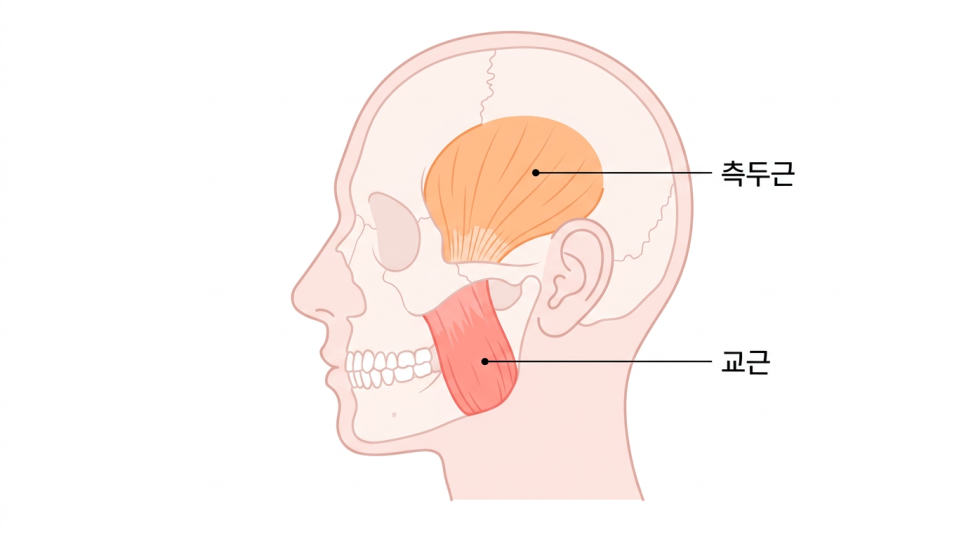
Magok Station Dental Clinic_Locations of the masseter and temporalis
Before we begin talking about Botox, there is one thing we should clarify.
There are two key muscles around the TMJ.
Masseter - located below the cheek and responsible for chewing force
Temporalis - located at the temples and responsible for chewing force and controlling the position of the jaw
These two muscles work together to move the jaw.
In some cases, only the masseter is affected, but in most cases, both muscles are overloaded together.
If only the masseter is treated and the temporalis is overlooked, headaches may continue or the treatment effect may be limited.
This is why Seoul DIA Dental Clinic evaluates the masseter and temporalis together.
How does Botox work?
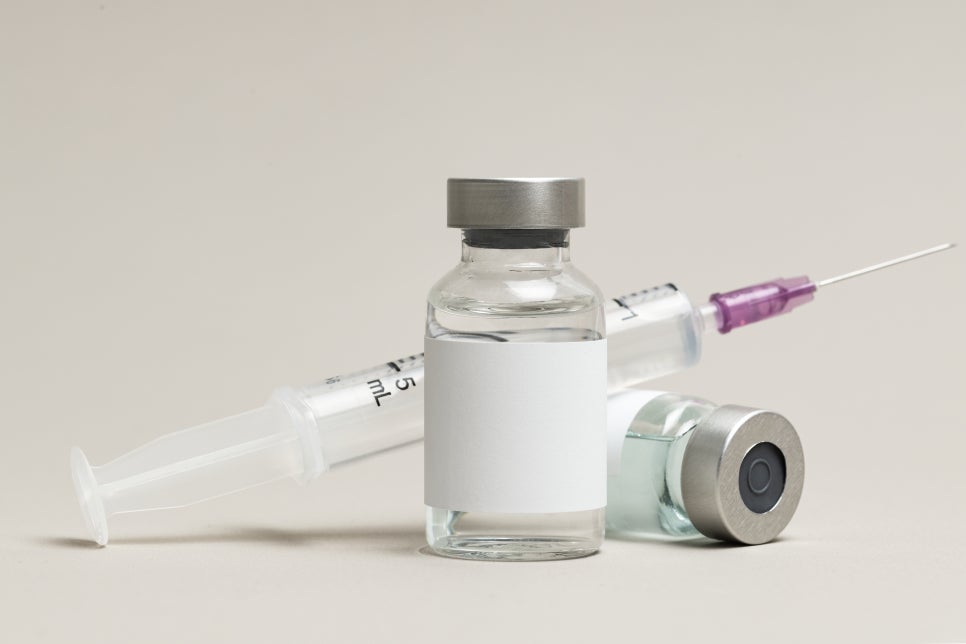
Magok Station Dental Clinic_Botox
When Botox is injected into a muscle, it temporarily blocks the contraction signals transmitted from the nerves to the muscle.
Simply put, it reduces muscle strength.
When Botox is injected into the masseter and temporalis, the muscles that have been contracting excessively gradually relax. This reduces pressure on the TMJ and helps chronically tight muscles begin to loosen.
The effects usually begin to appear 2–4 weeks after the procedure and last for approximately 3–6 months.
Masseter + temporalis Botox is effective for these patients


Magok Station Dental Clinic_When TMJ Botox may be needed
1. Those who wake up with jaw stiffness and headaches every morning
During sleep, teeth grinding or clenching can keep the masseter and temporalis tense throughout the night.
For those who wake up with a stiff jaw and a heavy feeling around the temples, relaxing both muscles with masseter + temporalis Botox often noticeably alleviates the symptoms.
2. Those who repeatedly experience headaches that do not improve even after taking headache medication
As mentioned in Part 2, chronic tension in the temporalis can cause temple headaches that do not subside easily even with headache medication.
If the temporalis is the cause of these headaches, relieving muscle tension with Botox may be a fundamental treatment option.
3. Those who repeatedly experience TMJ sounds and pain
If pain around the jaw repeatedly occurs along with clicking sounds, there is a high possibility that excessive contraction of the masseter is placing pressure on the TMJ.
By reducing chewing force with masseter Botox, the burden on the TMJ decreases, and the sounds and pain often improve.
4. Those who grind or clench their teeth
Teeth grinding and clenching are unconscious habits that are difficult to correct through willpower alone.
If a splint is used to protect the teeth and TMJ while Botox reduces the muscle’s contraction strength itself, the two treatments can be used together.
Combining a splint with Botox can be particularly effective in these cases.
5. Those who want a slimmer facial appearance
This is one of the well-known effects of masseter Botox. Haha.
When the masseter becomes enlarged, the lower part of the face may look wider. As Botox reduces the size of the masseter, it can naturally create a slimmer facial contour.
Even those who receive the treatment for aesthetic purposes may also experience TMJ treatment benefits, making it a twofold benefit.
6. Those who repeatedly experience chronic neck and shoulder stiffness
When tension in the jaw muscles extends to the neck and shoulders, if the pattern of quickly becoming tight again even after receiving a massage continues,
relaxing the jaw muscles where the tension begins with masseter + temporalis Botox may also help alleviate neck and shoulder symptoms.
These cases require careful consideration
<Those who are pregnant or breastfeeding>
It is best to avoid Botox procedures during pregnancy and breastfeeding.
<Those with muscle-related conditions>
Those with neuromuscular conditions must consult a medical professional before the procedure.
<Those with severe damage to the TMJ structure itself>
Botox is a treatment that acts on the muscles.
If severe deformation has occurred in the TMJ disc or bone itself, Botox alone may not resolve the problem, and other treatment may be needed first.
TMJ Botox at Seoul DIA Dental Clinic
At Seoul DIA Dental Clinic, we examine the masseter and temporalis together and proceed by addressing both muscles.
If only the masseter is treated, headaches may remain or the treatment effect may not last long.
Considering the masseter + temporalis together—that is what sets Seoul DIA Dental Clinic’s TMJ Botox apart.
After carefully checking the condition of the TMJ and the development of the masseter and temporalis before the procedure, we proceed precisely using an individualized dosage and injection sites.
We are available for convenient consultations through Naver TalkTalk or reservations.
Feel free to check with us without any pressure.
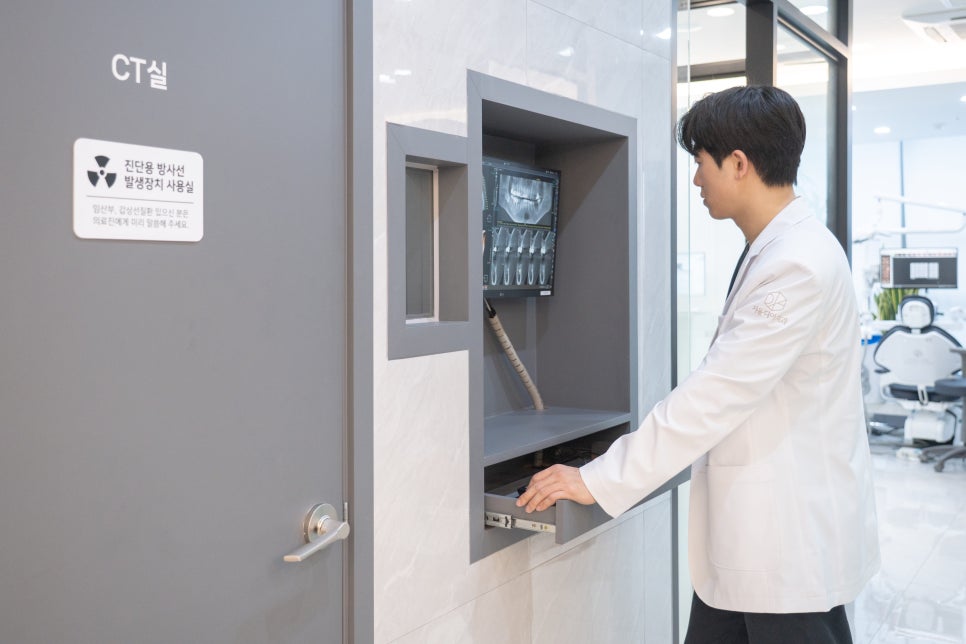
Seoul DIA Dental Clinic at Magok Station
Do you now understand TMJ problems a little better? Haha.
Whether you hear sounds, experience headaches, or feel stiffness in your jaw…
Please do not take these signals lightly.
Seoul DIA Dental Clinic will be with you. 😊
Have a healthy day and enjoy a day filled with bright smiles. ^^
[ This post was written in accordance with the Medical Service Act for the purpose of providing accurate information about dental surgeries and procedures. Infection and side effects may occur after surgery, so you should decide whether to undergo surgery (a procedure) after consulting sufficiently with a qualified medical professional. ]
[ Magok Station Dental Clinic_TMJ Disorder Series ]
“Why is my jaw like this? From causes to treatment”
-
“My jaw makes a clicking sound.” What is a TMJ disorder?
-
These symptoms can also indicate a TMJ problem - The connection with headaches and shoulder pain
-
Why do TMJ disorders occur? The main culprits are teeth grinding and clenching
-
What happens if a TMJ disorder is left untreated?
-
Masseter + temporalis Botox: Effective for these patients