Hello.
This is Mutoel Plastic Surgery.
For people who have benign tumors on their face or body,
there are times when, even while looking in the mirror,
they think, "It would look so much cleaner if this were gone.."
and worry about it a lot.
Small moles or palpable lumps may be bothersome aesthetically,
but in some cases, removal is also recommended for functional reasons
such as pain, infection, bleeding, or gradual growth.
At times like this, the most important thing is an accurate diagnosis
and safe, clean surgical removal.
Today, we will go step by step through benign skin tumors,
explaining how they are evaluated from the perspective of specialists in each field,
what methods are used to remove them,
and what the key points are during the treatment process before and after the procedure.
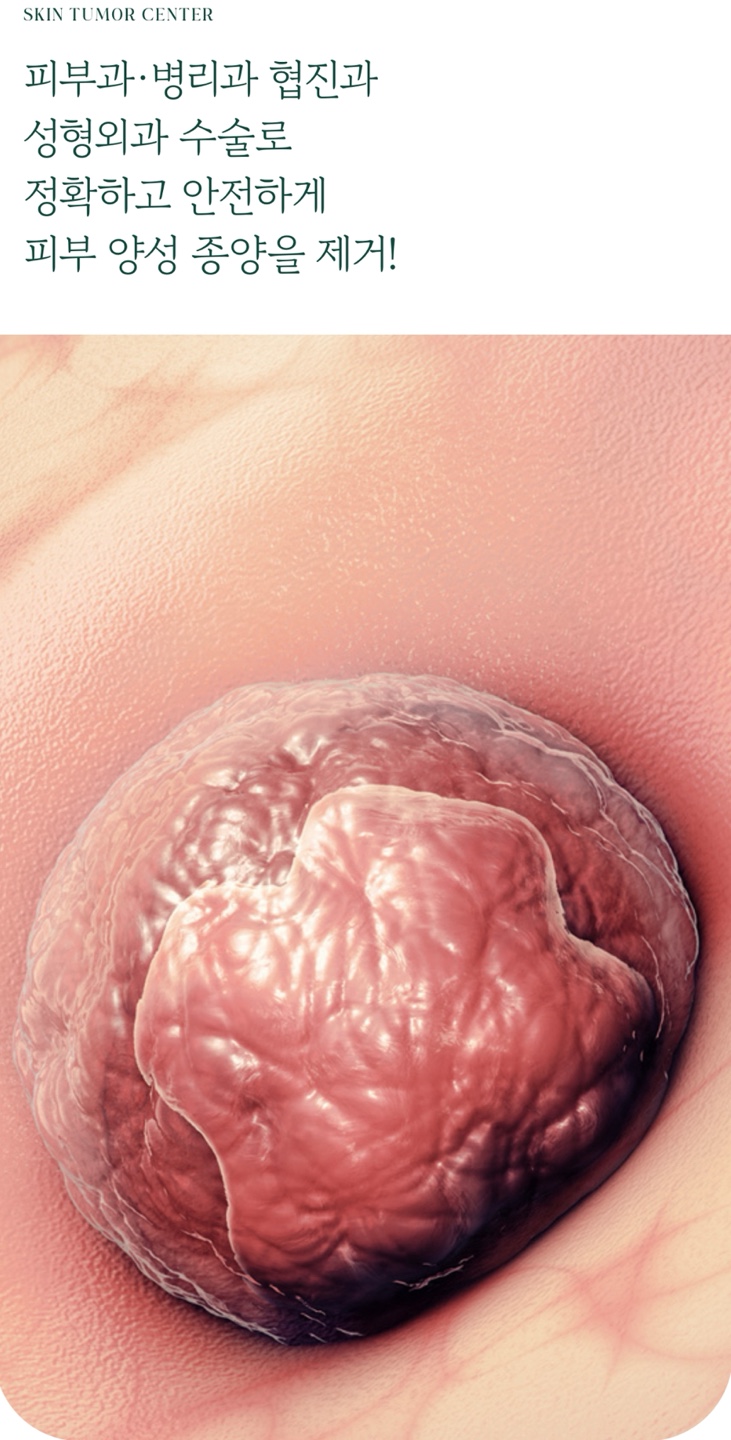
What kinds are there?
Benign skin lesions appear in a variety of forms.
The most common ones include seborrheic keratosis,
epidermal cysts (or sebaceous cysts), lipomas, dermatofibromas,
hemangiomas, or vascular lesions.
Most are not malignant tumors, meaning they are not cancer,
so they are not life-threatening.
However, if there are changes in color, shape, or size,
or if pain or inflammation occurs frequently,
we recommend a thorough examination and removal.
Also, depending on what kind of surgical treatment is performed,
it may determine whether pathological tissue examination can be done later
or whether the tissue will be destroyed and difficult to evaluate.
So before your consultation, it is good to be aware of these points in advance.
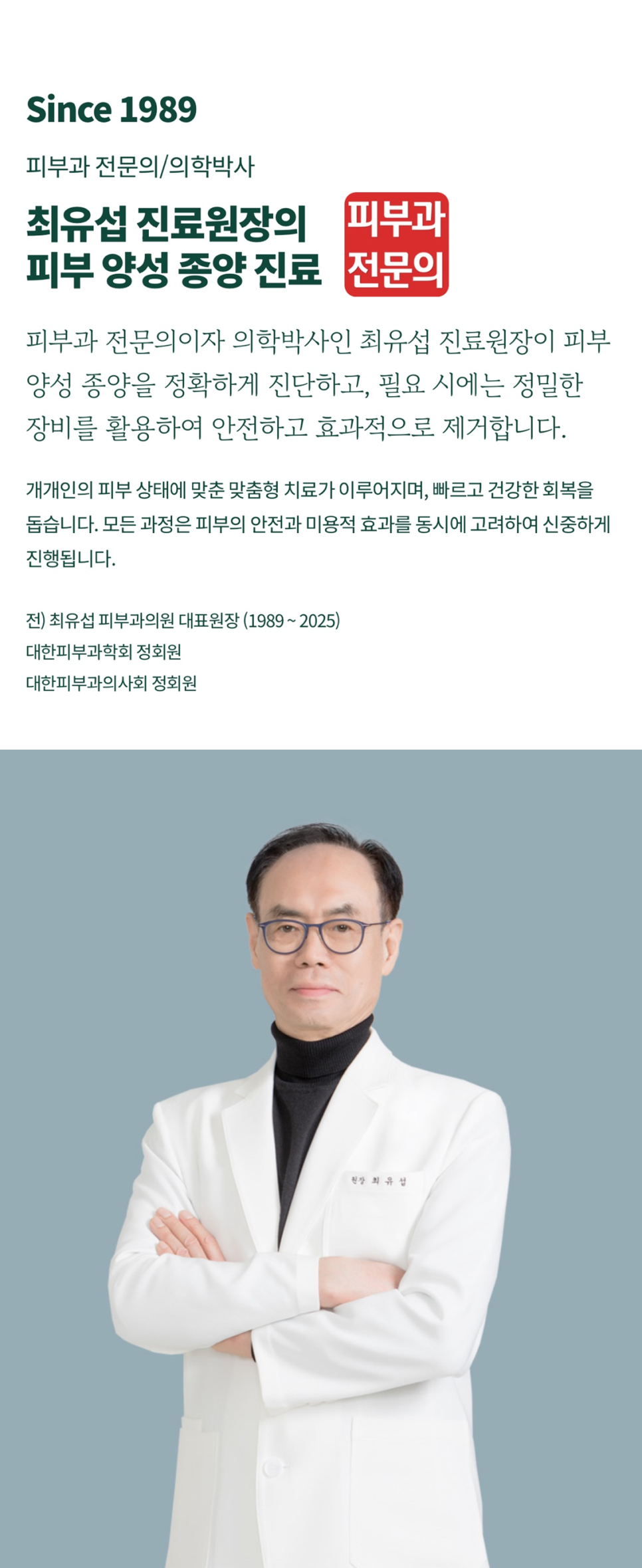
When should it be removed?
Before proceeding with treatment for a benign tumor,
the most important question is: "Why do you want it removed?"
That is because the approach differs depending on whether the reason is cosmetic,
or because of pain, infection, or bleeding.
At Yongsan Station Dermatology Clinic,
if the lesion is asymmetrical,
has uneven color,
blurred borders,
grows rapidly,
or appears to have deep infiltration below the dermis,
we recommend excision so that malignancy can be determined through a biopsy.
Actual clinical guidelines also recommend physical examination
along with magnification and pathology tests for suspicious lesions.
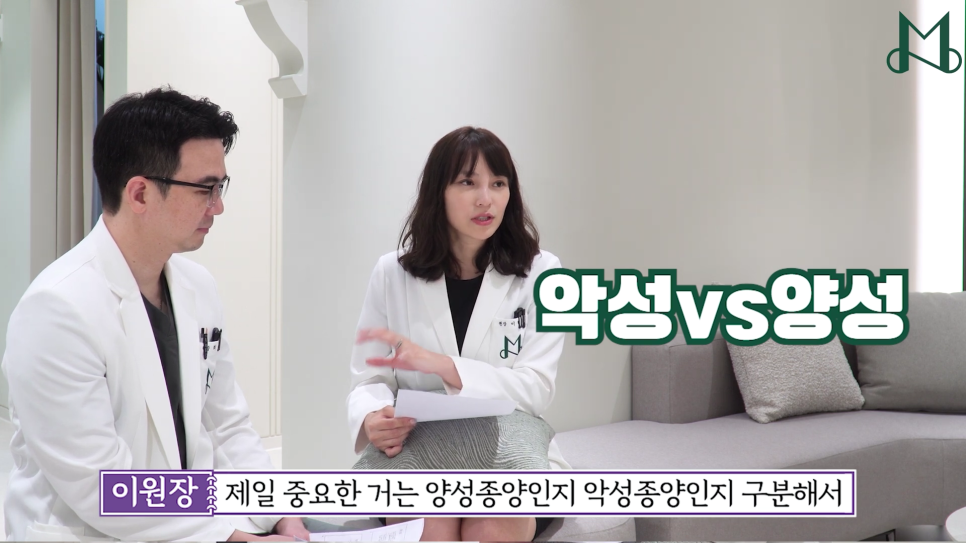
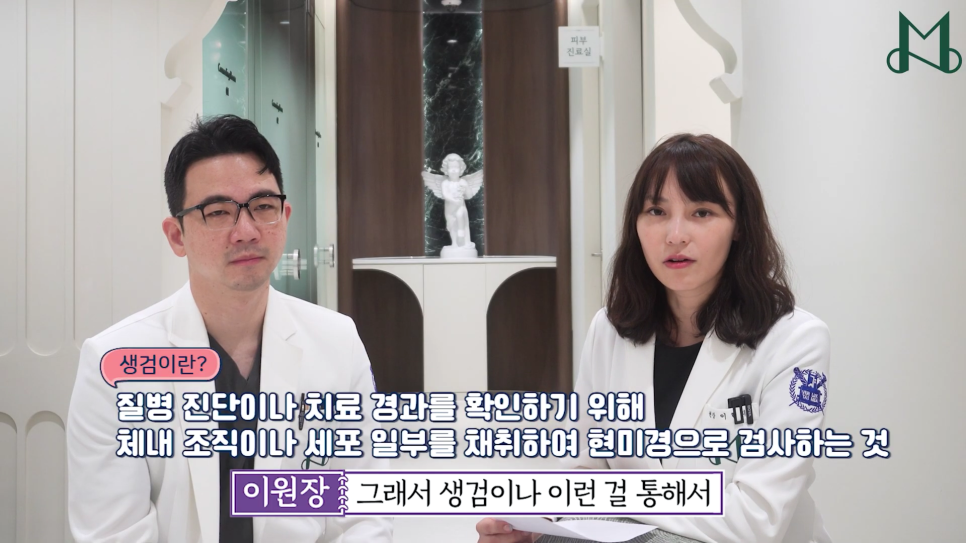
How is treatment carried out?
Treatment at Yongsan Station Dermatology Clinic is largely divided into two types.
The first is removal using non-surgical methods such as pico laser, cryotherapy,
and electrocautery.
The other is surgical excision performed under local anesthesia,
in which the tissue is removed intact.
For safe lesions that do not require tissue examination, such as seborrheic keratosis,
they can be removed simply with pico laser or cryotherapy,
with the expectation of a quick recovery.
However, for lesions such as epidermal cysts or lipomas,
where the entire structure is removed intact to reduce the chance of recurrence,
a careful surgical excision is needed to remove all of the tissue safely.
Also, although laser or cryotherapy is simple,
the principle involves burning or destroying the tissue as well,
which can make histopathological diagnosis difficult in some cases.
So before undergoing the procedure, you should 반드시 check these points in advance.
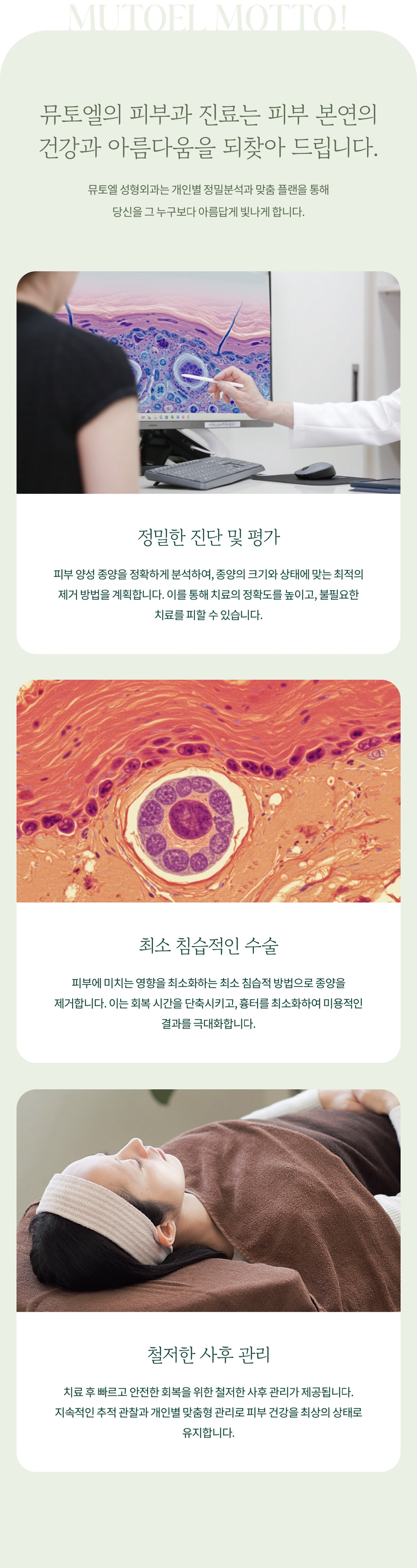
Does the approach differ by lesion?
At Yongsan Station Dermatology Clinic, seborrheic keratosis is usually removed simply
with cryotherapy or a CO2 laser.
However, epidermal cysts and lipomas are usually not inflamed,
so complete excision of the entire sac or capsule is the key factor in lowering the recurrence rate.
A lipoma is a rubbery lump that can be felt under the skin.
Small ones may also be removed by expressing them through a tiny 3–4 mm incision,
but larger ones need to be removed through surgical excision.
In this process, to prevent bleeding and infection,
the skill of an experienced surgeon in achieving hemostasis and performing meticulous suturing,
along with careful postoperative dressing, is important.
What does the consultation process involve?
At Mutoel, the lesion is observed from multiple angles,
and its size, texture, and mobility are checked in advance.
The past treatment history and how the lesion has changed over time are also recorded,
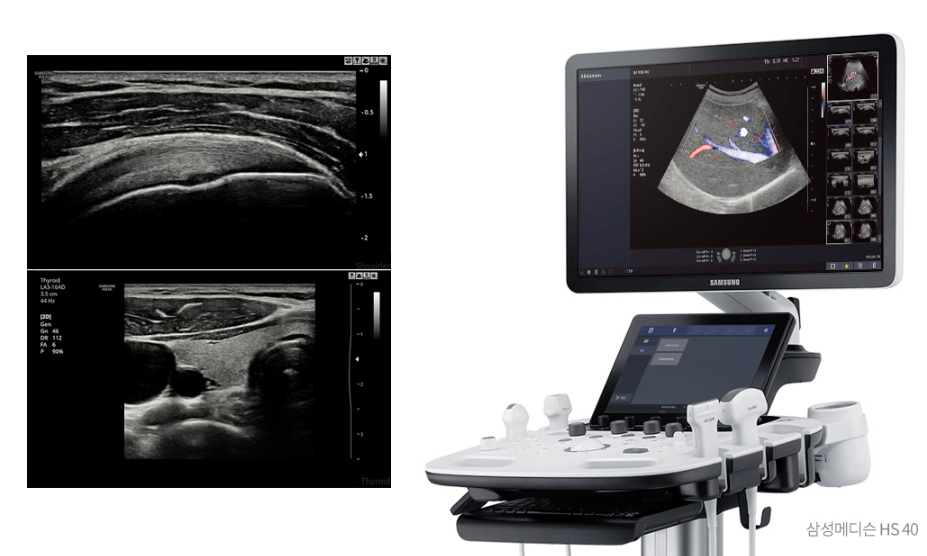
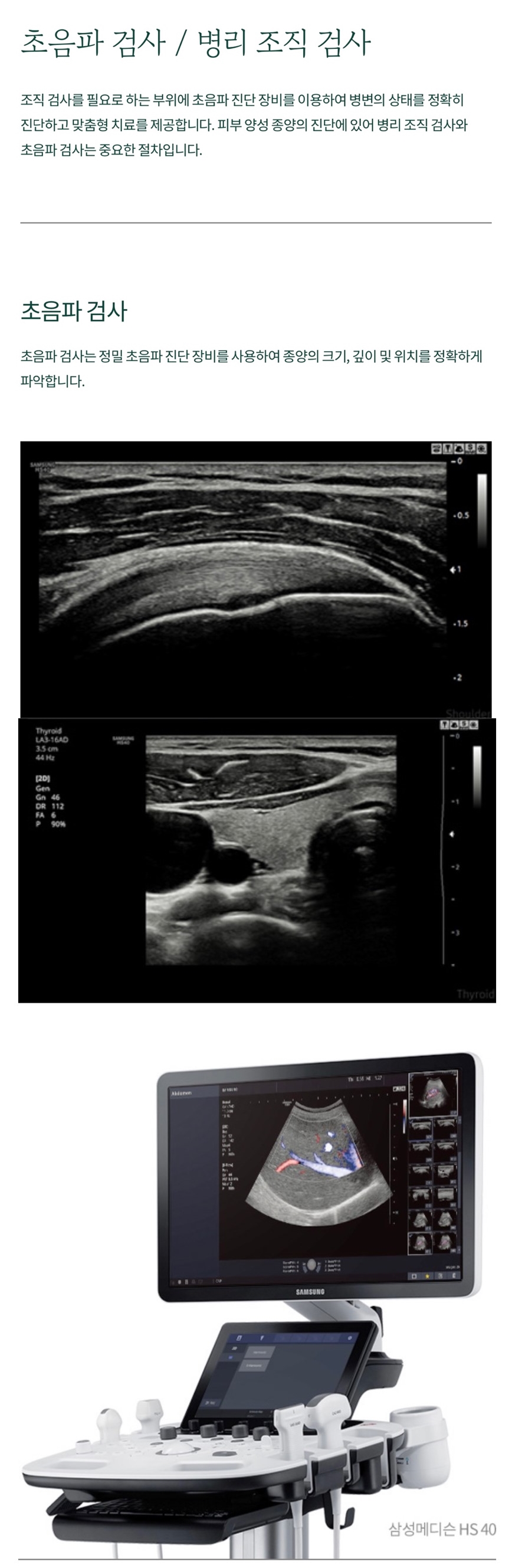
and if necessary, an ultrasound examination is performed to evaluate
the depth of the lesion beneath the skin, whether it is fluid-filled or solid,
and whether it is adherent to surrounding tissue.
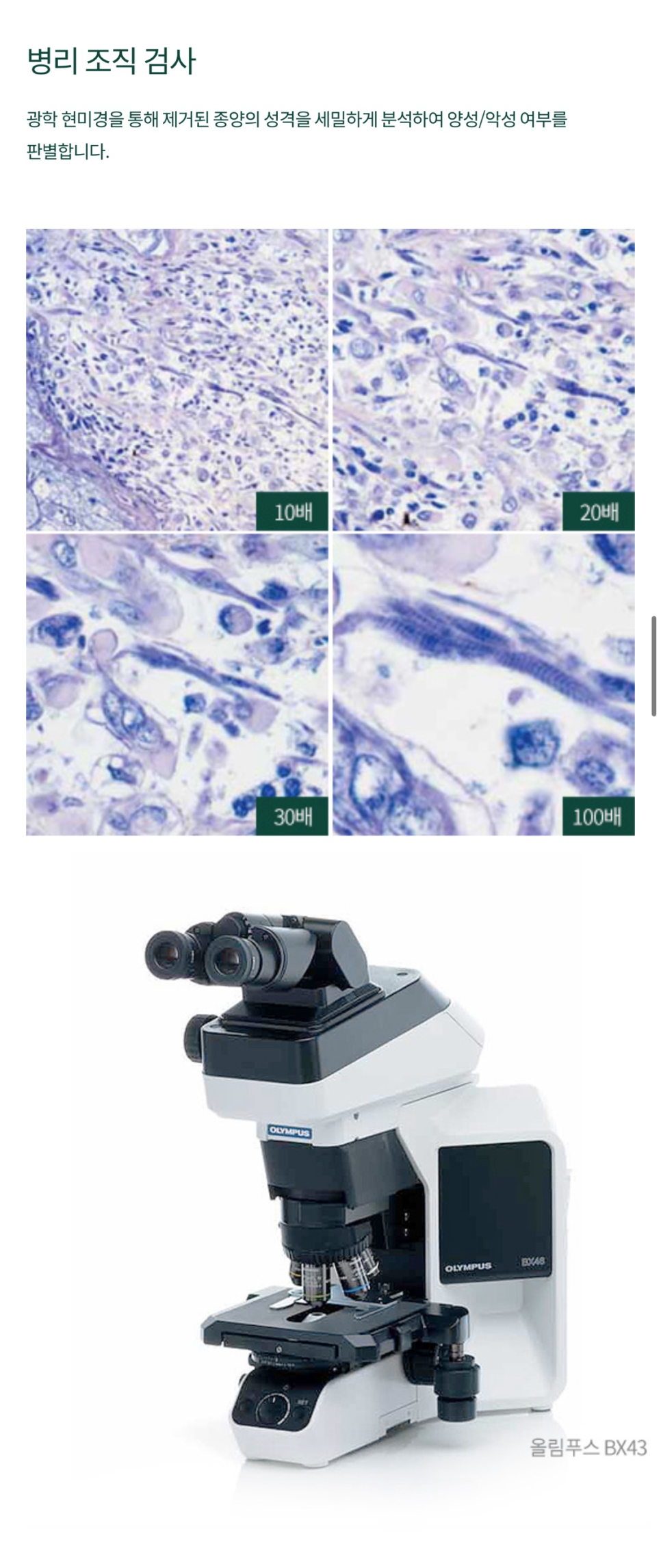
If it is a pigmented lesion, it is examined in detail with magnification,
and whether there are any signs suspicious for malignancy is carefully assessed.
If malignancy is suspected during this process,
a pathologist directly examines the specimen obtained after surgical excision
to make an accurate diagnosis.
What is the key to removing benign tumors?
In the process of removing a skin lesion,
the most important thing is complete excision.
Because excision is directly tied to the diagnostic result
and to the future direction of treatment,
it does not simply end with removing the lesion.
The reason surgery by a board-certified plastic surgeon is needed is that
the more the incision and suture lines are planned to follow skin creases
or natural borders, the less visible the postoperative scar will be.
Even when removing a small round lesion,
a fusiform excision line is designed,
and layered suturing is performed to reduce tension,
so that the final scar forms more naturally.
That is the role of a board-certified plastic surgeon.
Why is collaboration among specialists important?
The principle is always: "If in doubt, perform a tissue examination."
For pigmented lesions or warts and nevi that have recently changed,
a dermatologist first makes an initial judgment through magnified examination and diagnosis,
and by communicating with pathology and performing a tissue examination when needed,
the rate of misdiagnosis can be lowered.
Although the person may not have known it at the time,
if malignancy is suspected after examination,
this kind of communication can greatly reduce long-term risk.
After that, a board-certified plastic surgeon directly performs the treatment,
including surgical excision, cosmetic suturing, and reconstruction if needed,
to minimize scarring.
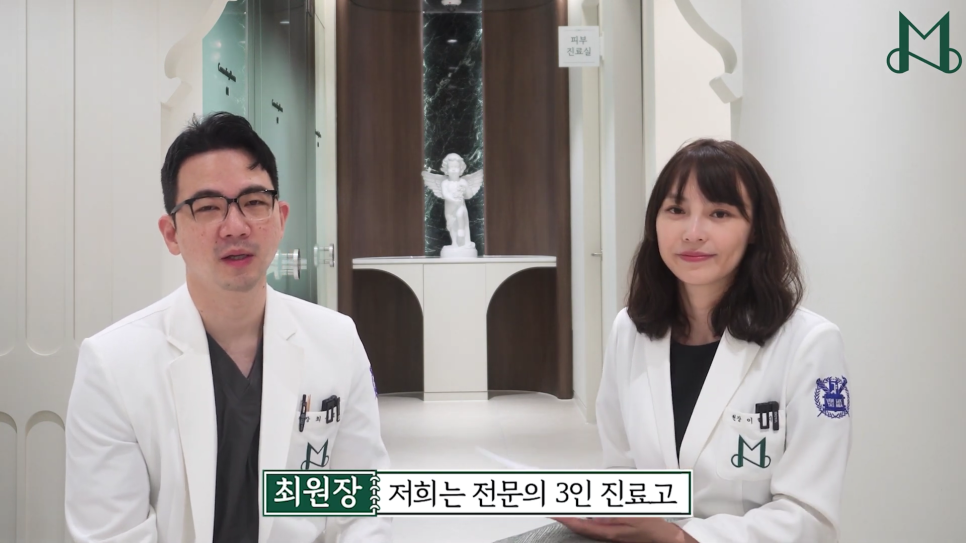
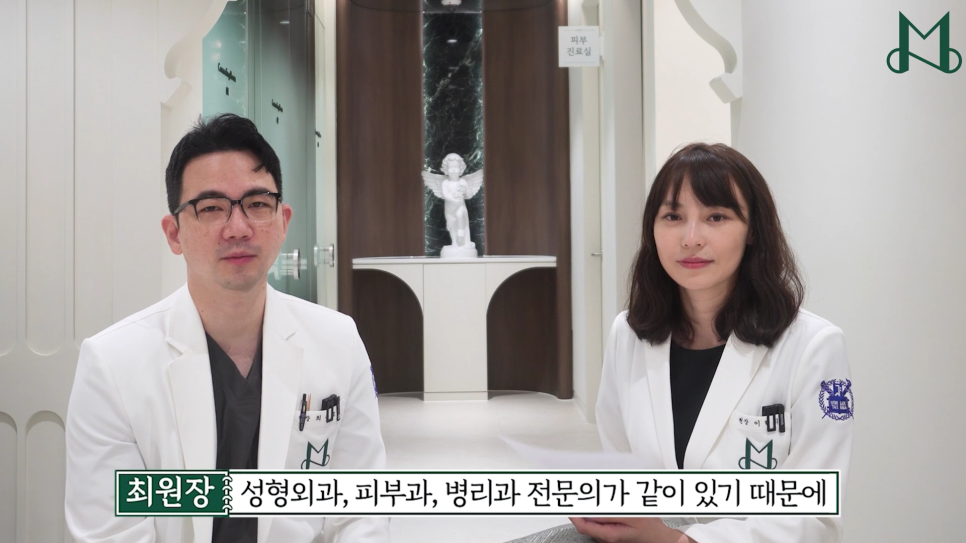
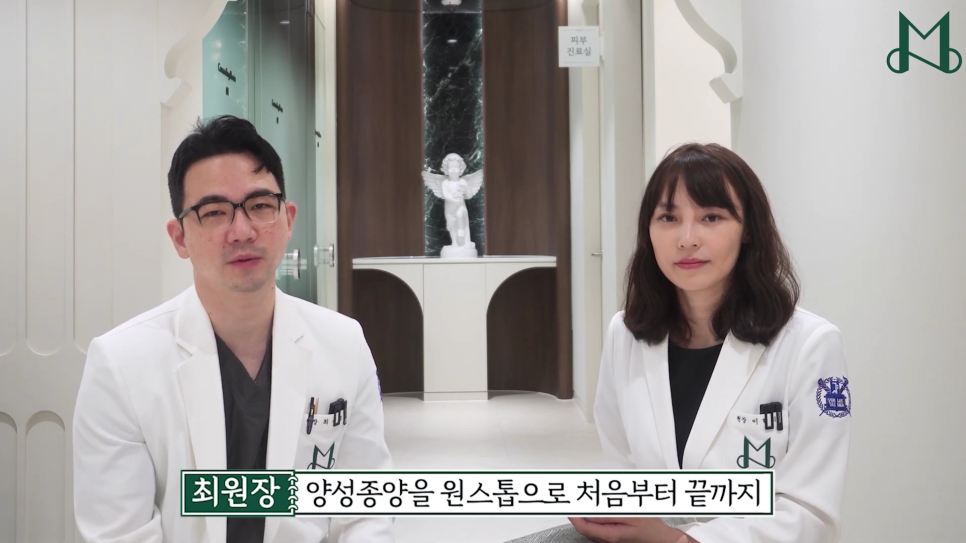
At Mutoel, through a collaborative system of three specialists,
you can receive effective treatment, rapid care, and accurate diagnosis for benign skin tumors all at once.
To wrap up...
Removing benign skin tumors near Yongsan Station is not simply about "getting rid of a lump"
but a process that addresses diagnosis and treatment at the same time.
If you want both cosmetic results and medical safety,
it is most important to consult with medical professionals
and plan the optimal treatment suited to the characteristics of the lesion.
This concludes the Yongsan plastic surgery post,
and we will return next time with an even better article.
This was Mutoel Plastic Surgery.
Thank you.