Hello, this is BT Plastic Surgery🍯
Rhinoplasty preferences and methods differ slightly from country to country,
but recently, the number of Japanese patients visiting Korea has also been increasing.
In particular, nose revision surgery using autologous costal cartilage, short nose correction, columella correction, and crooked nose correction
are recognized in Korea for their stable and precise techniques.
So today, we would like to summarize the similarities and differences between Korean and Japanese rhinoplasty trends.
Nose Revision Surgery Using Autologous Costal Cartilage POINT
Short Nose Correction
When the skin and mucosa are under tension, sufficient lengthening is possible with autologous costal cartilage
Columella Correction
When the septum alone is insufficient, costal cartilage is reinforced to create a stable structure
Crooked Nose Correction
The strength of costal cartilage can be used to correct left-right asymmetry
Stability
It causes fewer foreign-body reactions and is the most trusted material in revision surgery
Japan vs. Korea Rhinoplasty Trends
Similarities
Preference for natural lines
Emphasis on facial harmony (rather than simply making the nose higher, the overall balance is emphasized)
Importance placed on the stability of the nasal tip and columella
Differences
Korea
Preference for a more distinct and refined line
→ Higher frequency of autologous costal cartilage use ↑, emphasis on structural stability
Japan
Emphasis on naturalness that is not too high and suits the face
→ Higher frequency of ear cartilage and silicone use ↑
Revision surgery
In Korea, the use of “autologous costal cartilage” has become standardized
→ In Japan, the frequency of use is still relatively low
Recently, even in Japan, interest has been growing in stable surgery using autologous costal cartilage,
rather than simple implants.
That is why there are many Japanese international students and office workers seeking plastic surgery in Korea.
In particular, short nose correction, columella correction, and crooked nose correction can be said to be areas where Korea has a strong advantage.
The surgery takes about 1 to 2 hours,
and you can go home immediately without being hospitalized.
Gangnam nose surgery clinic
Before surgery, low-dose 3D CT scanning is used to
carefully assess and diagnose the patient’s nasal condition.
Gangnam nose surgery clinic
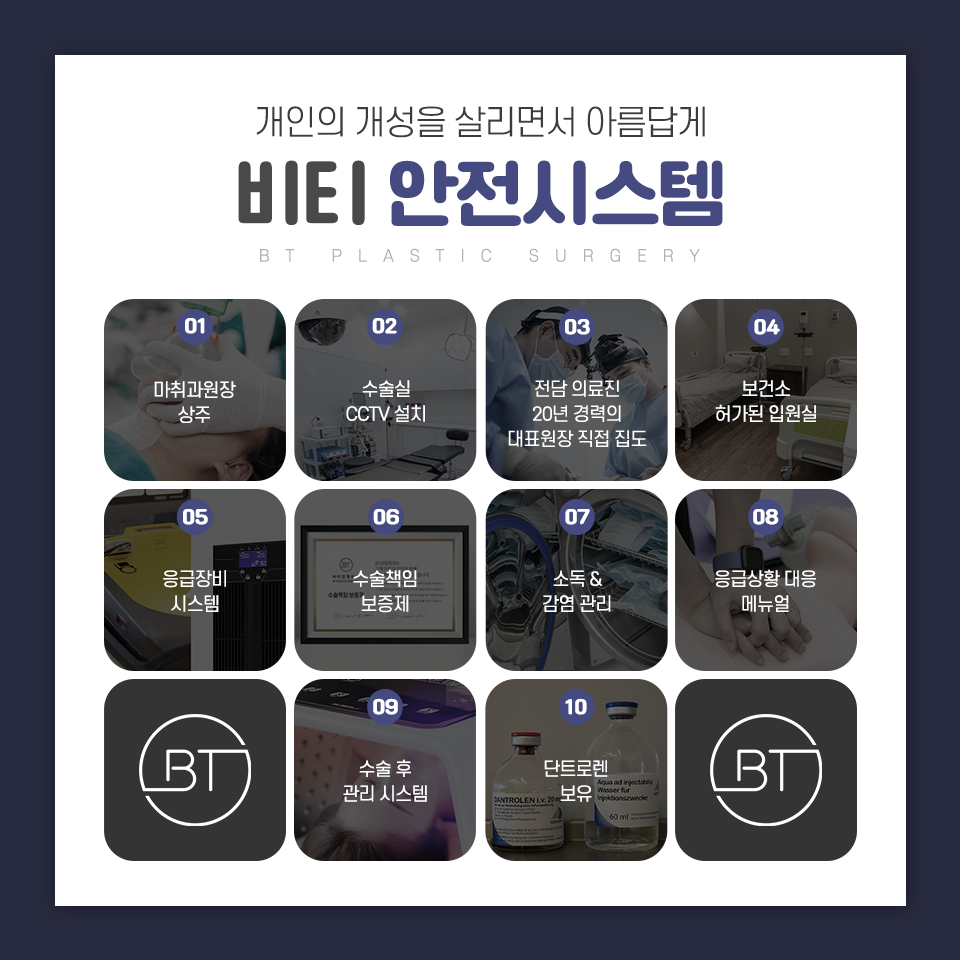
All nose surgeries at BT are
performed directly by Director Lee Seung-ho, who has 20 years of experience.
In addition, through one-on-one post-operative care,
we help patients recover quickly.
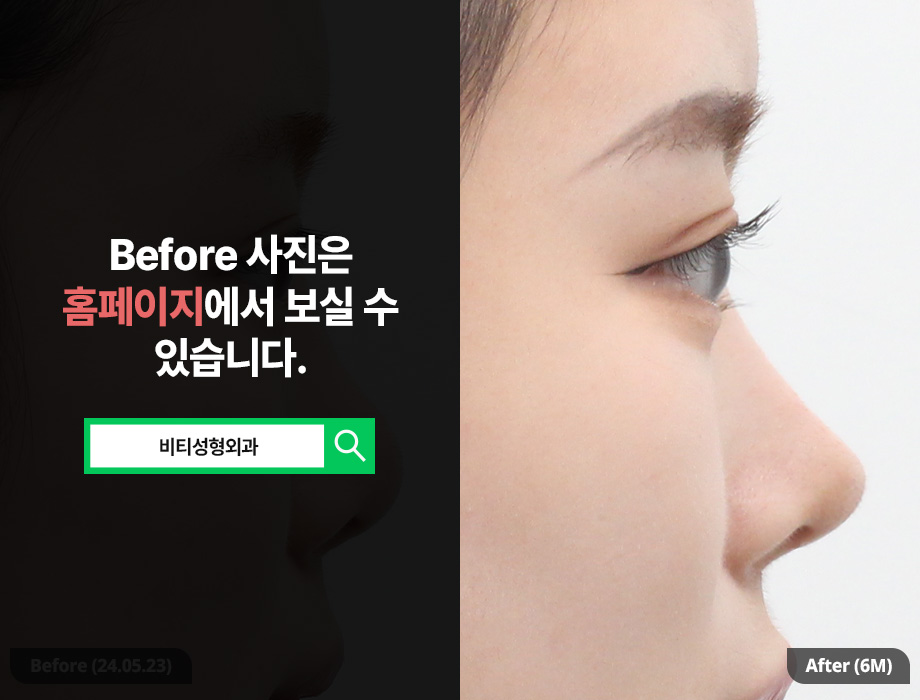
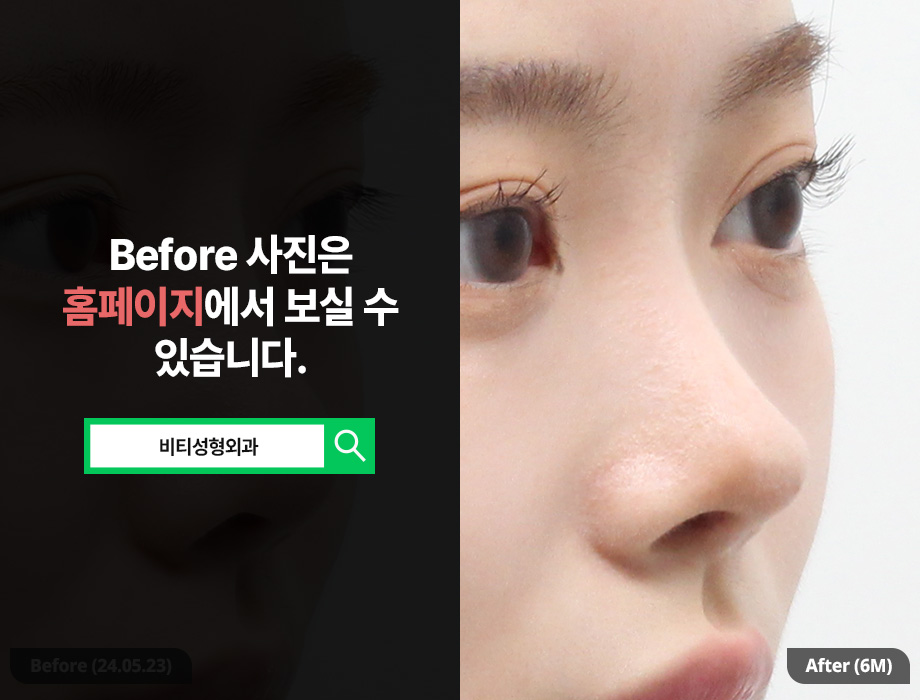
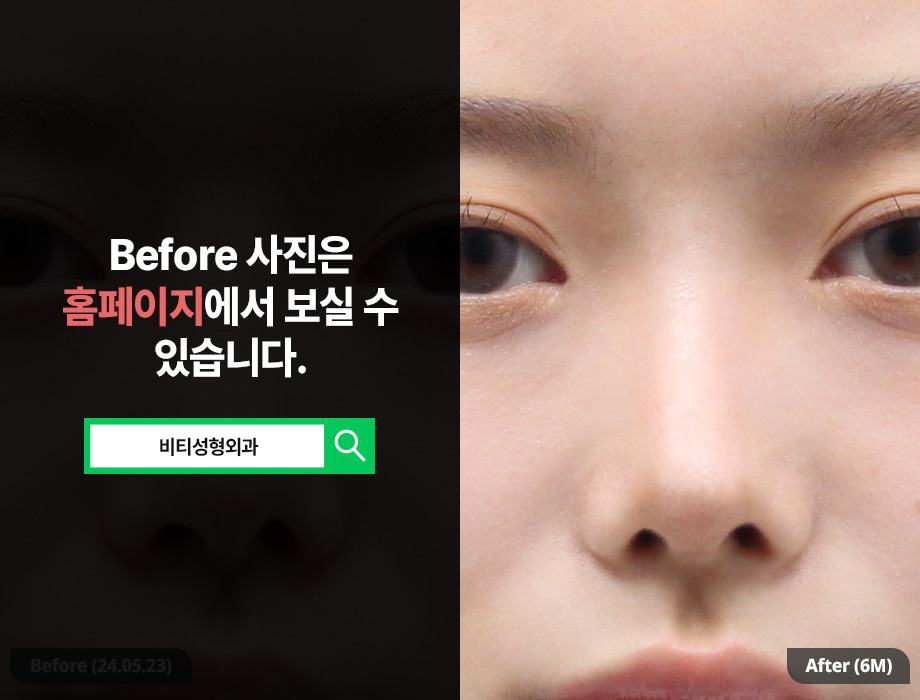
<These are actual review photos from a patient who underwent surgery by Director Lee Seung-ho of BT Plastic Surgery, and consent was obtained from the patient for these photos>
Functional rhinoplasty rhinitis nose surgery functional nose surgery rhinitis surgery deviated septum surgery rhinitis rhinoplasty functional rhinoplasty rhinitis surgery rhinoplasty surgery covered by insurance deviated septum nose surgery deviated septum rhinoplasty rhinoplasty clinic rhinoplasty price rhinoplasty surgery alar reduction hump nose surgery famous rhinoplasty clinic nose surgery price nose surgery cost good place for nose surgery famous rhinoplasty hospital Gangnam nose surgery clinic Gangnam rhinoplasty clinic non-implant rhinoplasty good place for revision rhinoplasty famous revision rhinoplasty hospital revision rhinoplasty hospital Gangnam revision rhinoplasty rhinoplasty revision famous revision rhinoplasty