Hello, this is BT Plastic Surgery.
As cosmetic surgery has become more common and more people undergo rhinoplasty,
unfortunately, the number of people considering revision surgery has also increased.
In particular, after nasal surgery, inflammation or various other problems can cause the nasal tip to become stiff and rotate upward, making the nose shorter.
This so-called "contracted nose" is one of the side effects that places the greatest aesthetic and psychological burden on patients.
A contracted nose is not simply a change in appearance.
In many cases, there is little remaining skin tissue, and the internal tissue has been damaged,
so it requires a much more advanced surgical technique than ordinary revision rhinoplasty.
The most important key in this kind of contracted nose revision surgery is
how firmly and safely the collapsed support structure of the nose can be rebuilt.

Why does a contracted nose occur?
Main causes of contraction
Even after a successful nose surgery, when the nose becomes stiff, shorter, and rotates upward over time, the resulting "contracture" can be devastating for patients.
There are two major causes of a contracted nose.
- The body’s defense reaction to implants and capsule contraction (foreign-body reaction)
- Artificial implants commonly used in rhinoplasty, such as silicone or Gore-Tex, are recognized by the body as external materials (foreign bodies).
Capsule formation
: To protect the body from external substances, the immune system creates a fibrous tissue called a "capsule" around the implant to encase it.
Capsule contraction
: The problem is that over time, this capsule gradually thickens and begins to contract as if it were shrinking.
This contracting force pulls the internal nasal tissue and skin upward, causing the nose to shorten, become stiff, and deform into an upturned nose shape, leading to contracture.
This is not so much a problem with the implant itself as it is the result of the body’s immune response, which identifies the implant as a foreign substance.
- Inflammation and infection after nasal surgery
One of the most common and major causes of a contracted nose is inflammation at the surgical site.
Inflammation occurs: After surgery, bacterial infection, excessive tissue damage, or a mild foreign-body reaction can cause inflammation (infection) inside the nose.
Scar tissue formation and contraction
: When inflammation occurs, the nose becomes swollen, red, painful, and warm. During the healing process of this inflammation, the damaged tissue heals and transforms into
thick scar tissue (fibrous tissue).
These scar tissues strongly pull on the surrounding tissue during healing, causing contraction. As a result, the nose becomes stiff and shortens upward, accelerating the contracture.
In other words, the core mechanism of a contracted nose is that scar tissue formed by inflammation or a foreign-body reaction contracts the inside of the nose.
Therefore, in revision surgery for a contracted nose, the most important way to prevent recurrence and achieve stable results is to remove the existing cause of inflammation (in most cases, the implant) and reconstruct the nose using autologous tissue such as autologous rib cartilage, which has high safety against inflammation and strong support.
The key to contracted nose revision surgery
A strong "columella correction"
A contracted nose is characterized by a shortened nose and an elevated nasal tip.
Therefore, for a successful revision surgery, the elevated nasal tip must be brought down,
and the "columella," which is the pillar of the nose, must be firmly supported to safely extend the nose’s length and height.
This is the "columella correction" procedure.
However, when the tissue has already been weakened, a material with strong support is needed to achieve sufficient lengthening.
At this time, autologous rib cartilage is recommended as an alternative.
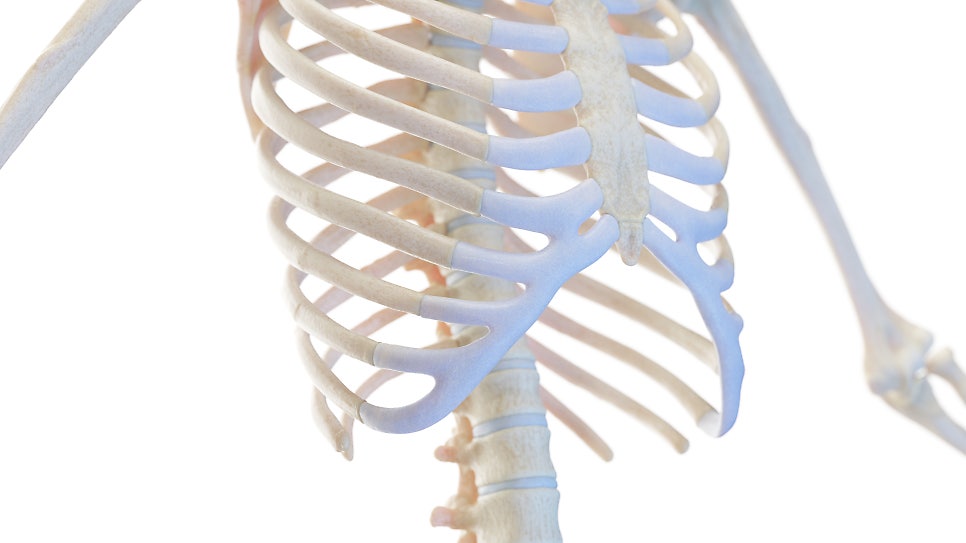
Why autologous rib cartilage is ideal for contracted nose revision surgery
Autologous rib cartilage is cartilage harvested from the patient’s own rib area.
In revision cases such as contracted noses, where tissue damage is severe and strong support is required,
autologous rib cartilage stands out for the following reasons:
- Superior support and durability
: Rib cartilage is the hardest and strongest among cartilages. It provides overwhelming support, allowing the shortened nose to be sufficiently lengthened and its structure to be stably maintained for a long period of time.
- Low absorption and low deformation rate
: Autologous rib cartilage has a very low absorption rate and deformation rate, minimizing the risk of the nose losing shape or shortening again after revision surgery.
- Safety of autologous tissue
: Because it uses your own tissue, there is almost no foreign-body reaction or rejection, which improves safety in contracted nose revision surgery, where inflammation is a concern,
and reduces the risk of side effects.
Columella correction using autologous rib cartilage can sufficiently lengthen the shortened nose to create an ideal nasal tip angle, and it plays a major role in preventing future recontracture by providing a strong columellar support structure.
Because contracted nose revision surgery is highly complex, it is important to make a careful decision after sufficient consultation with medical staff who have extensive revision surgery experience and a deep understanding of autologous rib cartilage harvesting and columella correction.
If you are feeling stressed because of a contracted nose, I hope you can find renewed satisfaction through professional consultation.
Thank you.
The surgery takes about 1 to 2 hours,
and you can go home immediately without needing to be admitted.
Gangnam nose surgery clinic
Before surgery, low-dose 3D CT imaging is used to
determine and diagnose the condition of the patient’s nose in detail.
Gangnam nose surgery clinic
All nose surgeries at BT are
performed directly by CEO Surgeon Lee Seung-ho, who has 20 years of experience.
In addition, through 1:1 aftercare,
we help patients recover quickly.
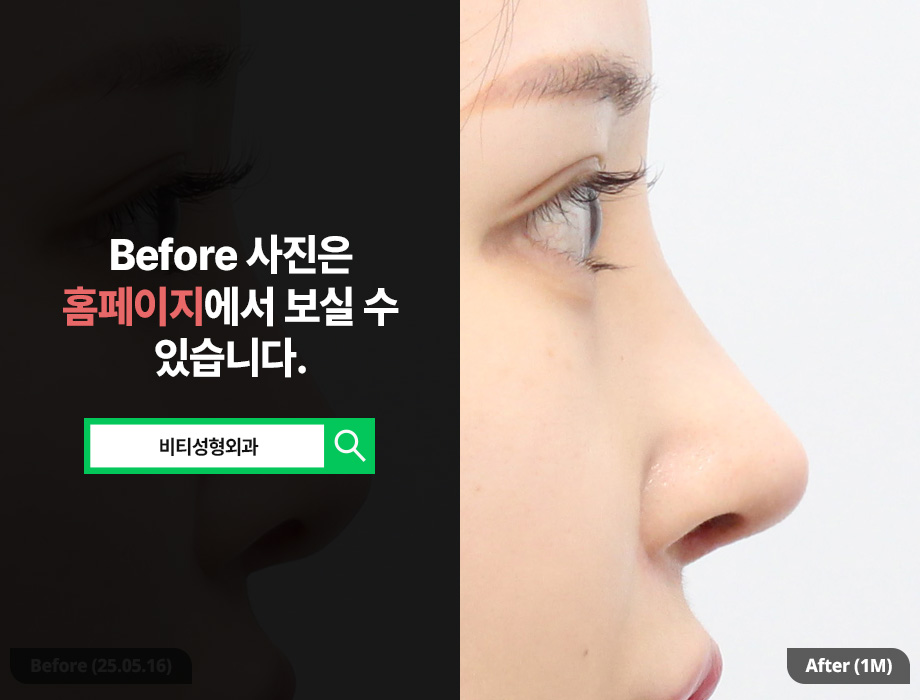
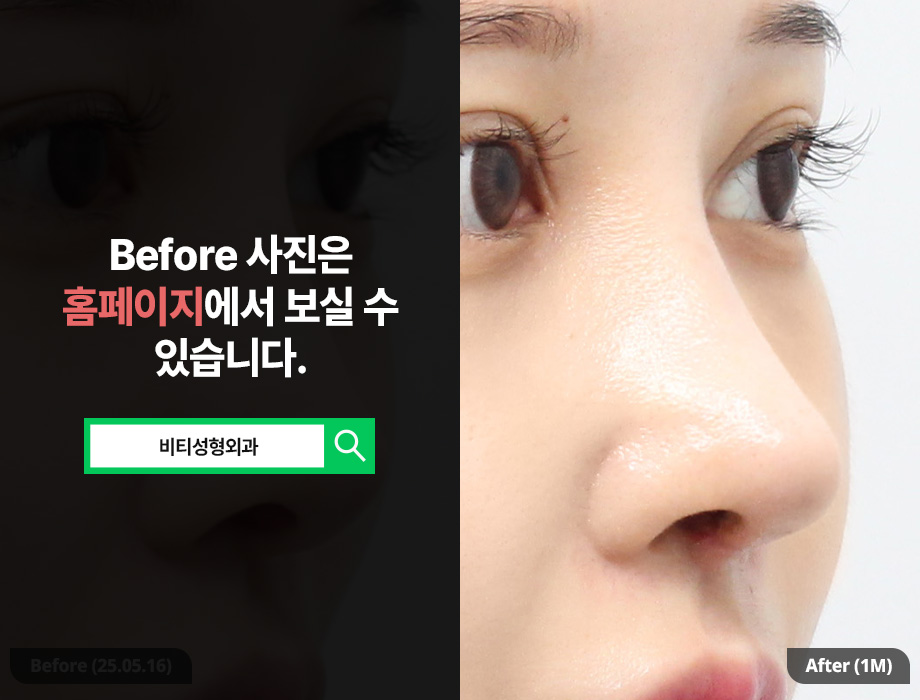
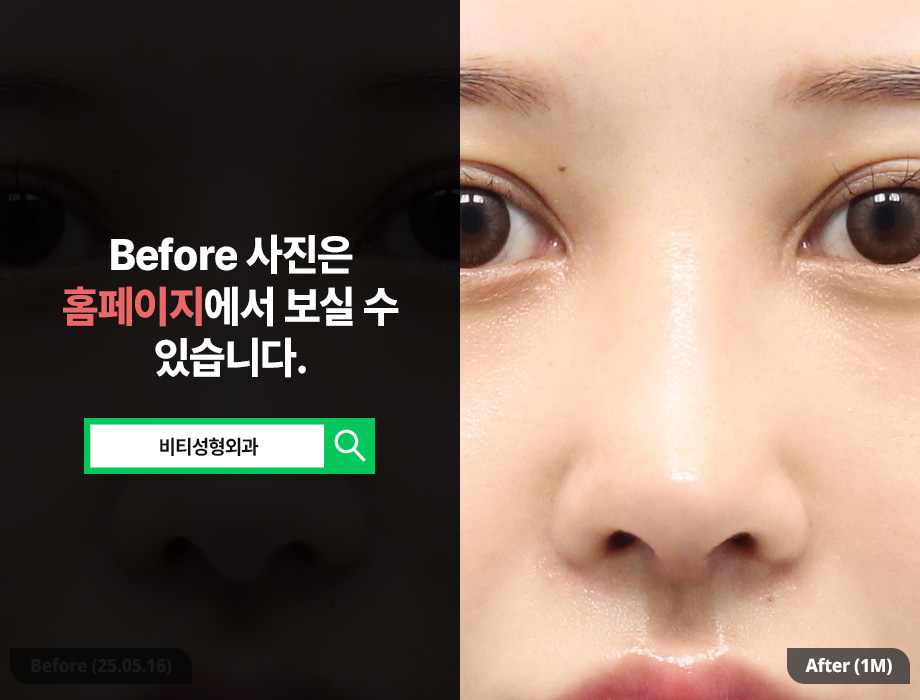
<This is a real review photo from a patient who underwent surgery by CEO Surgeon Lee Seung-ho of BT Plastic Surgery, and this photo was posted with the patient’s consent>
Functional rhinoplasty rhinitis nose surgery functional nose surgery rhinitis surgery deviated septum surgery rhinitis nose plastic surgery functional nose plastic surgery rhinitis surgery nose plastic surgery surgery covered by insurance deviated septum nose surgery deviated septum nose plastic surgery rhinoplasty clinic rhinoplasty price rhinoplasty surgery alar reduction surgery hump nose surgery famous rhinoplasty clinic nose surgery price nose surgery cost good rhinoplasty clinic good rhinoplasty hospital best Gangnam nose surgery clinic Gangnam rhinoplasty clinic non-implant rhinoplasty best revision rhinoplasty clinic best revision rhinoplasty hospital revision rhinoplasty hospital Gangnam revision rhinoplasty revision rhinoplasty for cosmetic surgery