Hello!
This is BT Plastic Surgery :)
Repeated nose surgeries can be exhausting for both your mind and your nose 🥲
Rhinoplasty revision is a highly complex procedure that goes beyond simple cosmetic improvement,
and is intended to improve functional issues and psychological satisfaction.
Especially if you decided to undergo revision because of problems with the existing implant, contracture, or aesthetic dissatisfaction,
choosing the right material and solving multiple issues at once are more important than anything else.
Today, we will look at the key materials used in rhinoplasty revision, focusing on silicone and donated rib cartilage,
and explain in detail how complex issues such as a crooked nose, bulbous nose, alar reduction, and nostril lowering can be addressed.
Why are silicone and donated rib cartilage getting attention in rhinoplasty revision?
The success of rhinoplasty revision depends on
a strong support structure and a low risk of side effects, which were lacking in the first surgery.
💗 Nasal bridge implant - Silicone
Silicone is the most widely used synthetic implant for nasal bridge augmentation.
✅Advantages
It is easy to shape, allowing a precise nasal bridge line to be created as desired, and it is relatively easy to remove.
It can be used in a thin layer while still increasing height, which may be advantageous for achieving a natural-looking bridge.
❎Disadvantages
Because it is an external material, there is a rare possibility of inflammation or capsular contracture.
💗 Nasal tip support - Donated rib cartilage
In rhinoplasty revision, especially in cases such as a contracted nose where the nasal tip support structure has weakened, cartilage that provides strong support is essential.
Donated rib cartilage is a material made by processing rib cartilage obtained from another person to reduce immune reactions.
✅Advantages
There is no chest scar or pain from harvesting your own rib cartilage.
The surgery time may be shortened.
❎Disadvantages
Compared with autologous cartilage, there may be a relatively higher risk of deformation or inflammation.
Therefore, accurate diagnosis by experienced medical staff and delicate processing and grafting techniques are important.
A hybrid combination that shapes the nasal bridge naturally with silicone and provides strong support to the nasal tip with donated rib cartilage
is considered a method that maximizes the advantages of each material and pursues both stability and aesthetics.
Solving the complex problems of my nose
: Crooked nose, bulbous nose, alar reduction, nostril lowering
Simply raising the nasal bridge alone does not create a satisfying nose.
Problems caused by previous surgery and the drawbacks of the original nose shape must be improved at the same time.
- Crooked nose correction
A crooked nose is often accompanied not only by visible asymmetry of the nose but also by functional problems such as deviated septum.
Surgical method
: Depending on the degree of nasal bone deviation, osteotomy is performed to realign the bones,
and the deviated septal cartilage is corrected or a new support structure is used to straighten the nasal center axis.
- Bulbous nose correction
A blunt and dull-looking bulbous nose can occur when the nasal tip cartilage is large, the cartilage is spread apart to both sides,
or the skin and fat layer at the tip are thick.
Surgical method
• Cartilage repositioning and suturing: The spread nasal tip cartilage is delicately refined and brought toward the center to create a sharper tip.
• Removal of fat and soft tissue: Thick fat at the nasal tip is removed to reduce volume.
• Reinforcement of the nasal tip column: The nasal tip support is firmly built up with donated rib cartilage or similar material to create a more elevated tip.
- Alar reduction and nostril lowering
The width of the nose and the shape of the nostrils greatly affect the overall impression.
• Alar reduction
: Reduces flared nostrils to make the nose look slimmer.
The width of the alar base and the size of the nostrils are reduced through lateral or medial incisions,
and the appropriate method is chosen according to the individual nose shape.
• Nostril lowering
: Performed when the nostrils appear excessively upturned, or when the nasal tip has been pinched after revision surgery and the nostrils have become distorted.
By using cartilage grafts or special flap techniques, the lower line of the alar rim is lowered
to reduce nostril show and improve the shape of the alar rim.
🛡️ Checklist for a safe and satisfying rhinoplasty revision
It is important to receive rhinoplasty revision from a specialist with extensive experience and skilled technique.
In particular, surgery involving special materials such as rib cartilage is greatly influenced by the surgeon’s know-how.
• Precise diagnosis
: An accurate diagnosis of the current nasal condition (degree of contracture, presence of inflammation, cartilage condition, skin thickness) must come first.
• Careful material selection
: Clearly understand the pros and cons of each material, such as silicone and donated rib cartilage,
and choose the one best suited to your condition and goals.
• Prioritize functional improvement
: Rather than pursuing height alone,
priority should be placed on securing breathing function and structural stability.
• Comprehensive correction plan
: A customized surgical plan should be established that can effectively address complex problems such as a crooked nose, bulbous nose, and nostril shape in a single surgery.
When choosing a plastic surgery clinic, do not look only at price or reviews;
checking whether the clinic has extensive revision-surgery experience and expertise is the shortcut to achieving a successful result.
If you have any questions, please feel free to contact us anytime!
We recommend receiving a more detailed consultation about the nose shape you want.
The surgery takes about 1 to 2 hours,
and you can go home immediately without needing to be hospitalized.
Gangnam nose surgery specialists
Before surgery, a low-dose 3D CT scan is used to
carefully assess and diagnose the patient’s nasal condition.
Gangnam nose surgery specialists
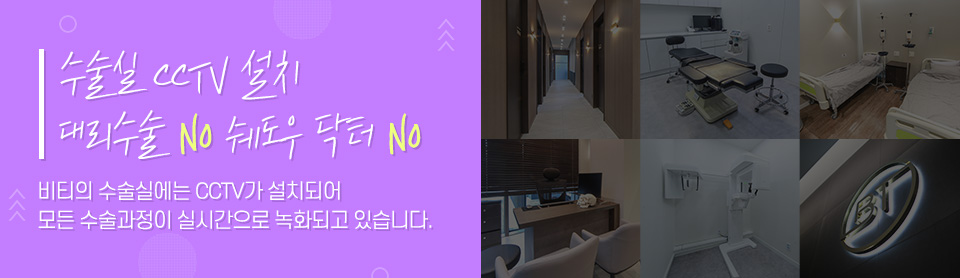
All nose surgeries at BT
are performed directly by CEO Surgeon Lee Seung-ho, who has 20 years of experience.
In addition, through 1:1 aftercare,
we help patients recover quickly.
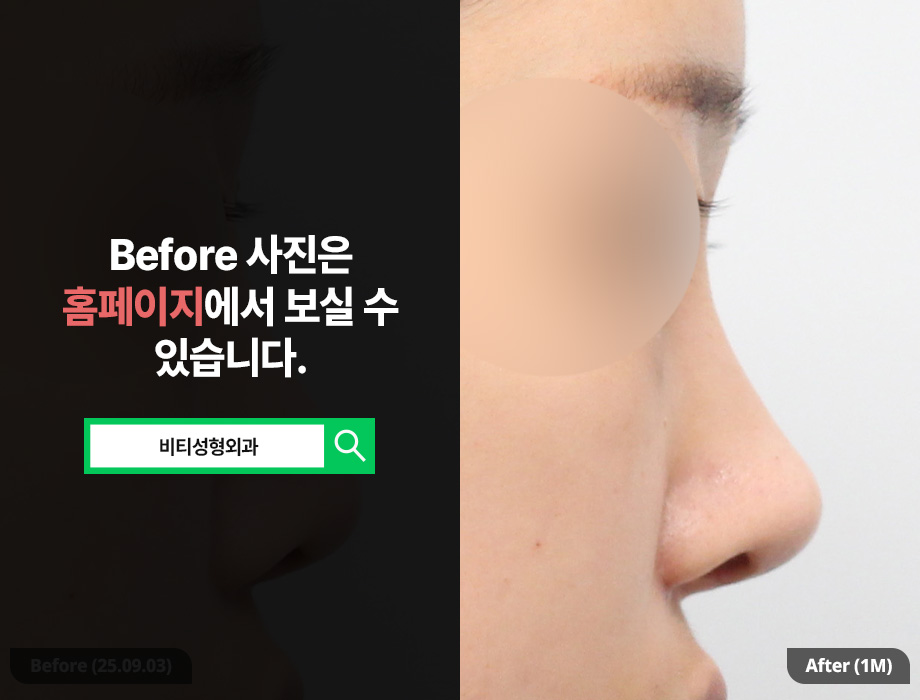
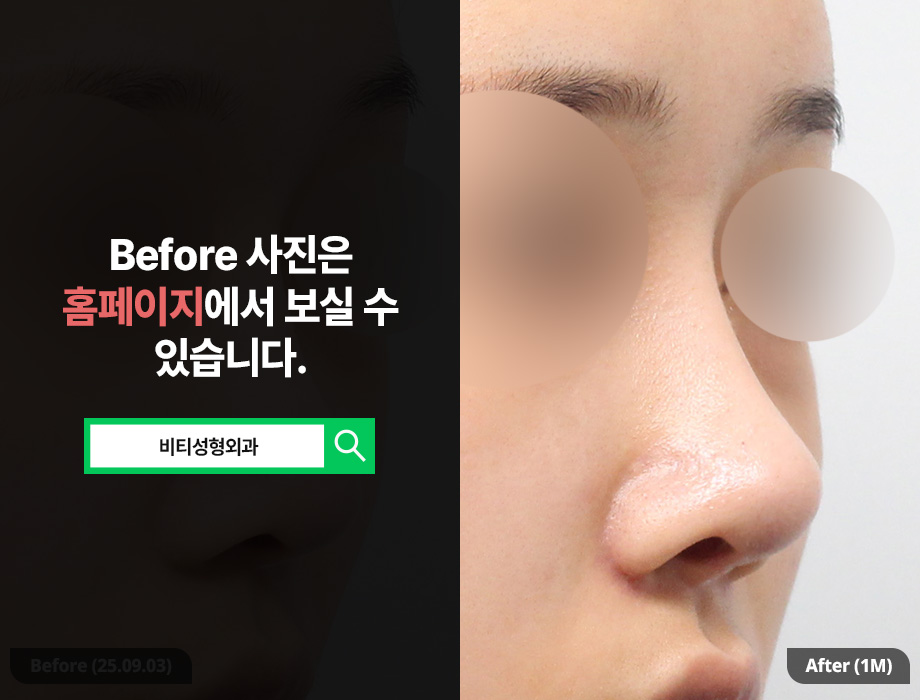
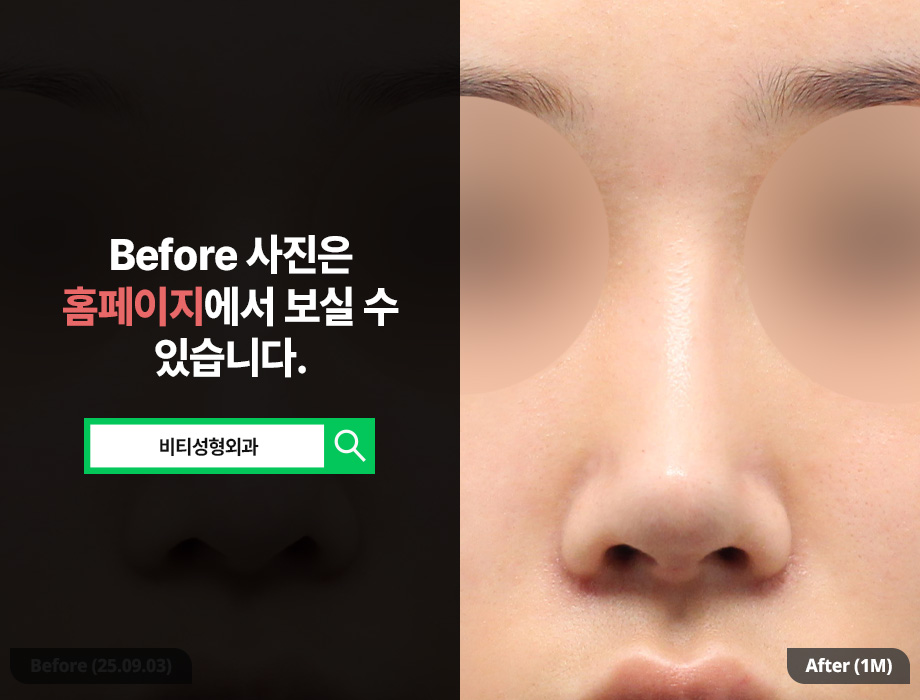
<These are actual before-and-after photos of a patient who underwent surgery by CEO Surgeon Lee Seung-ho at BT Plastic Surgery, and the patient has consented to the use of these photos>
Functional rhinoplasty rhinitis nose surgery functional nose surgery rhinitis surgery deviated septum surgery rhinitis rhinoplasty functional rhinoplasty rhinitis surgery nose surgery insurance deviated septum nose surgery deviated septum rhinoplasty plastic surgery clinic rhinoplasty price rhinoplasty surgery alar reduction surgery hump nose surgery famous rhinoplasty clinic nose surgery price nose surgery cost good nose surgery clinic well-known rhinoplasty hospital Gangnam nose surgery clinic Gangnam rhinoplasty clinic no-implant rhinoplasty best place for revision rhinoplasty best hospital for revision rhinoplasty revision rhinoplasty hospital Gangnam revision rhinoplasty rhinoplasty revision