Hello.
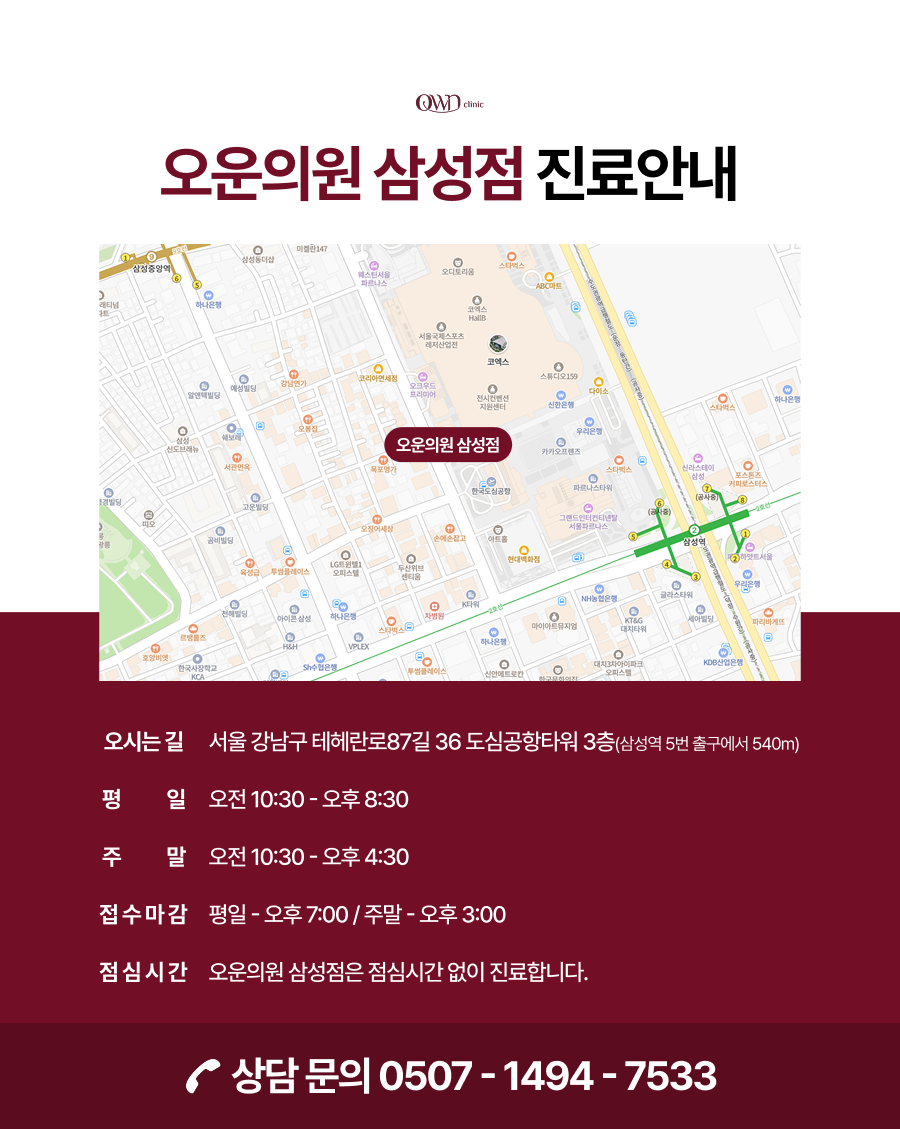
This is Oun Clinic Samsung Branch, a dermatology clinic near Bong은사 Station.

As interest in lifting procedures has recently increased, more and more people are wondering which device is best for their own skin concerns.
In particular, one of the questions we are asked most often during consultations is about the difference between Onda and Titanium.
Both procedures are premium devices with excellent results, but because the way energy is delivered and the skin layers they target are clearly different, it is important to understand this accurately.
Through today’s post, we want to reduce the confusion often experienced by those visiting the dermatology clinic near Bong은사 Station and help them make a wise choice based on their skin condition.

- Fundamental differences in energy delivery and principles
The key to a lifting procedure ultimately depends on what kind of energy is delivered and how deep into the skin it reaches.
The first step in understanding the difference between Onda and Titanium is understanding the energy source.
Onda (ONDA) uses microwave energy.
Unlike general radiofrequency or ultrasound, it has the characteristic of delivering heat directly to deep tissue while minimizing energy loss at the skin surface.
Because the energy is concentrated through a specially designed handpiece, it can help break down fat cells and improve firmness at the same time.
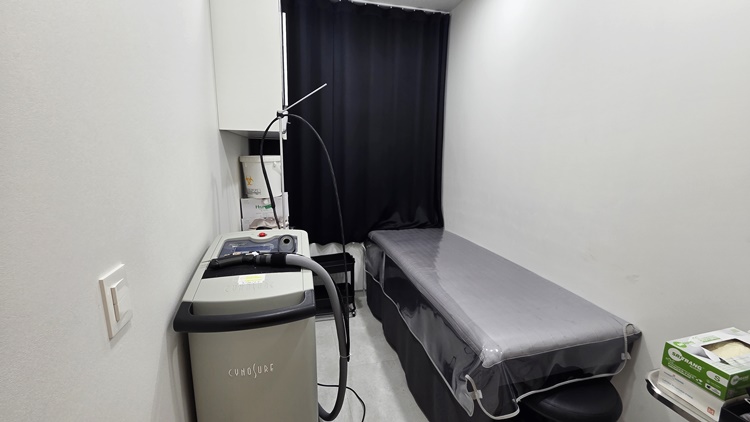
On the other hand, Titanium lifting uses a diode laser method that simultaneously emits three wavelengths (755nm, 810nm, 1064nm).
This evenly delivers energy from the shallow layers of the skin to the deep retaining ligament layer, allowing for an immediate lifting effect as well as a brighter complexion.
Because the nature of the energy itself is different, a careful analysis of the individual’s skin thickness and the cause of sagging should come first at the dermatology clinic near Bong은사 Station before treatment.
 2. Criteria for choosing a procedure based on the main concern
The two procedures also differ in the main concerns they address.
One point to note in the difference between Onda and Titanium is accessibility to the fat layer.
Onda lifting uses two handpieces, 3mm and 7mm, and is excellent not only for collagen regeneration in the dermal layer but also for targeting unnecessary fat cells.
Therefore, it tends to show high satisfaction in cases where the facial line has been lost due to excess fat, such as a double chin or jowls.
In contrast, Titanium lifting focuses on overall facial lifting and tightening.
Based on a powerful cooling system, it reduces discomfort while firmly supporting the deep structural layers of the skin, making it suitable for those who want a noticeable line-refining effect right after the procedure.
Determining whether your current concern is excess fat or simple sagging is the key standard when applying the difference between Onda and Titanium.
 3. Comparison in procedure process, maintenance, and management
The pain felt during treatment and the recovery period are also important factors in choosing a procedure.
Onda is equipped with a cooling system that keeps the skin surface cool while creating a feeling of warmth only inside, so even people sensitive to pain can approach it relatively comfortably.
When considering the difference between Onda and Titanium, Titanium also falls into the category with a relatively low pain burden, thanks to its powerful sapphire cooling function, to the extent that it can be performed without anesthesia.
However, there may be subtle differences in the reactions after treatment.
Onda acts gradually through thermal energy and induces collagen remodeling, creating a feeling of natural firmness increasing over time.
On the other hand, Titanium often provides an immediate toning effect right after the procedure, along with a sensation that the face is tightly fitted.
Based on these differences between Onda and Titanium, it is advisable to plan treatment according to your schedule and the speed of change you prefer.
| Category | Onda Lifting (ONDA) | Titanium Lifting (Titanium) |
|---|
| Energy source | Microwave | 3-wavelength diode laser |
| Main target | Dermis and fat layer | Dermis, subcutaneous tissue, retaining ligaments |
| Representative effects | Fat breakdown and firmness improvement | Immediate lifting and whitening |
| Pain level | Low (contact cooling) | Low (sapphire cooling) |
| Recommended for | Those concerned about a double chin or jowls | Those who want a fast lifting effect |
 4. In closing,
The difference between Onda and Titanium is not simply a matter of device performance; it is an area where the point of application changes depending on each person’s skin characteristics and anatomical structure.
Therefore, it is difficult to say that one procedure is absolutely superior.
If someone with thin skin and sagging concerns receives a procedure with strong fat-dissolving effects, it may instead lead to unwanted results such as hollow cheeks; in the opposite case, satisfaction may be lower.
To achieve satisfactory results, rather than focusing only on the device name, it is essential to objectively understand your own skin condition.
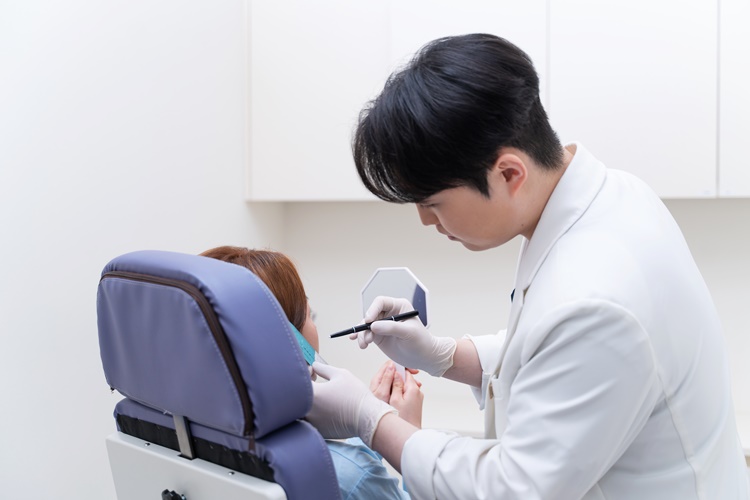
We hope you will confirm and decide what energy you need most right now through sufficient communication with the experienced medical staff at the dermatology clinic near Bong은사 Station.
We recommend receiving an accurate diagnosis from an expert with extensive clinical experience and finding the lifting solution optimized for you.
This has been Oun Clinic Samsung Branch.
Thank you.