Hello.
I am Kim Tae-young, director of Barunyeong Dental Clinic near Yaksu Station.^^
When conducting consultations for laminate veneers for aesthetic purposes, there is one question patients ask most frequently—just as often as they ask about the treatment process or cost.
“Doctor, how long do laminate veneers last?”
“Can I use them for life if I take good care of them?”
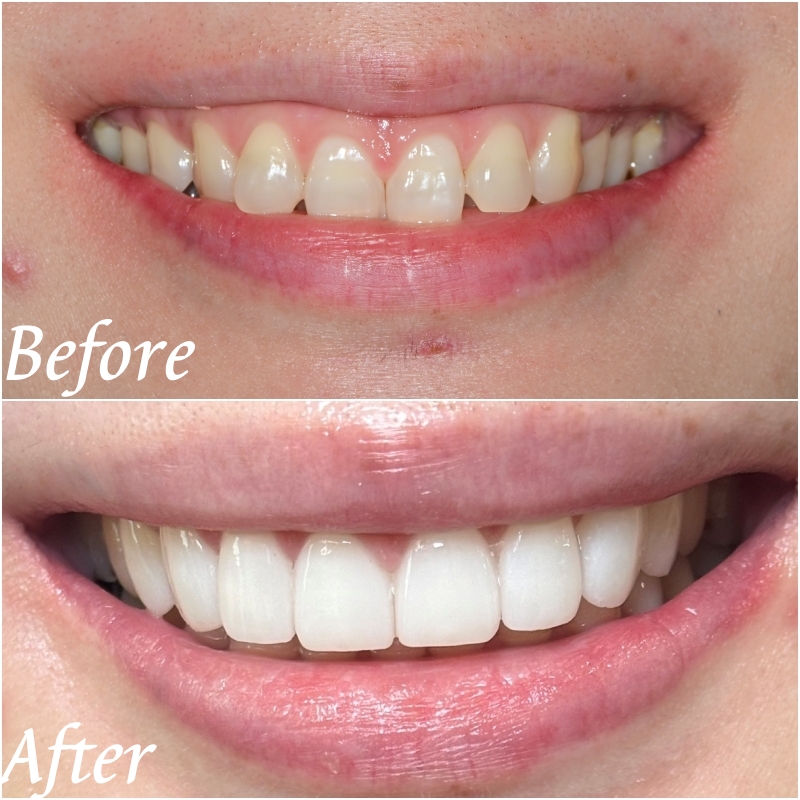
Because this is an aesthetic treatment that many patients undertake after careful consideration, I understand their concern about how long they can keep their veneers looking beautiful.
Today, I would like to discuss the realistic lifespan of laminate veneers from a dentist’s perspective and summarize care methods that can genuinely help keep them clean and in good condition for a long time.
■ How long do laminate veneers usually last?
Laminate veneers are a treatment in which the surface of the tooth is minimally refined and a thin piece of porcelain (ceramic) is bonded to it.
The durability and strength of the material itself have become considerably greater with advances in technology.
Although the lifespan varies depending on the condition of care and each person’s oral environment, many people use their veneers for a long time when they maintain them properly.
However, it is difficult to state the lifespan simply as a specific number of years.
Even when patients receive precise treatment using the same material and the same method, the results can vary considerably depending on their:
- Daily habits
- Oral hygiene management
- Bite alignment with the opposing teeth
- Whether they receive regular checkups
After providing extensive treatment at Barunyeong Dental Clinic near Yaksu Station, I have often felt that the patient’s “care habits afterward” have a much greater effect on the lifespan than the quality of the treatment itself.
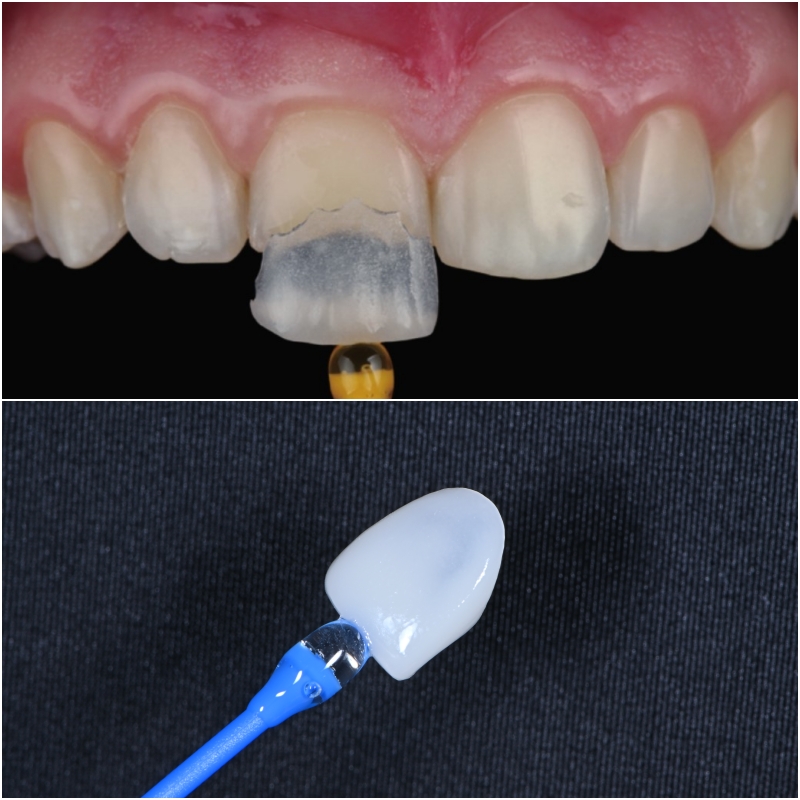
■ Main reasons laminate veneers become damaged or come off
Laminate veneers are not natural teeth, so they do not develop cavities themselves.
However, the main reasons problems such as veneers breaking or coming off can occur are as follows.
- Excessive force is applied to the front teeth
If you grind your teeth during sleep, habitually clench your teeth, or frequently eat hard foods, microscopic cracks may develop in the laminate veneers, potentially causing them to come off.
Because laminate veneers are thin structures, they may be vulnerable to sudden impacts or repeated excessive loads.
- Inadequate care of the tooth-bonding area
Laminate veneers are strongly bonded to the tooth surface.
If dental plaque continually accumulates around the bonding area, microscopic contamination can occur in the gaps, so the margins should be cleaned carefully.
- Inflammation around the boundary between the teeth and gums
If brushing is inadequate around the boundary where the laminate veneers meet the gums, gum inflammation (periodontitis) may develop.
If the gums recede, the margin of the laminate veneer may become exposed, which can affect appearance and tooth health.
- Discoloration and staining in the gaps
The ceramic material itself rarely discolors.
However, the bonding material between the laminate veneer and the tooth, or the margin of the gap, may become stained over time by smoking or food and appear dark.
■ Four ways to keep laminate veneers healthy for a long time
“Doctor, is there anything special I need to pay more attention to after getting laminate veneers?”
To put it simply, care is not very different from caring for natural teeth. However, remembering a few additional points can be very helpful in extending their lifespan.
Proper brushing and flossing techniques
Clean the boundary between the laminate veneers and the gums thoroughly.
In particular, when using dental floss, pulling it out with an upward flick may place stress on the bonding area. It is safer to pass the floss between the teeth and then gently slide it out toward the front.
Be careful with hard and chewy foods
Avoid foods that you bite into with their shells still on, such as crabs and shellfish, hard nuts, and the habit of chewing ice with your teeth. In particular, try to avoid biting directly into food with your front teeth—such as corn or a whole apple—and cut it into pieces before eating.
Rinse after consuming foods that can cause staining
After consuming foods and drinks that can cause staining, such as coffee, wine, curry, or black-bean-sauce noodles, brush your teeth right away. If that is not possible, rinsing promptly with water can help prevent staining around the margins.
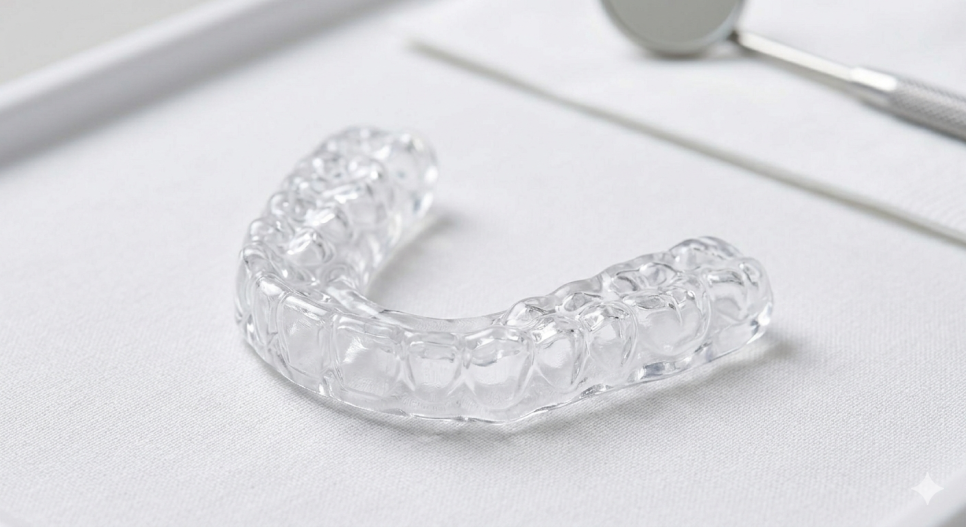
Use a night guard if you grind your teeth
If you grind or clench your teeth, you should tell your dentist in advance of treatment. If necessary, a mouthguard worn at night (night guard) can be made to distribute excessive pressure on the laminate veneers and teeth and help protect them.
■ The surest key to extending their lifespan: regular checkups
No matter how well you manage your home care, microscopic cracks that cannot be seen or subtle changes in the bonding area are difficult to detect with the naked eye.
Regular checkups are important because when a problem is found early, it can often be addressed with a relatively simple treatment.
They also allow the health of the teeth around the laminate veneers and the gums as a whole to be monitored.
As a general rule, receiving regular scaling and checkups once every six months is a shortcut to using them for a long time.
■ In closing
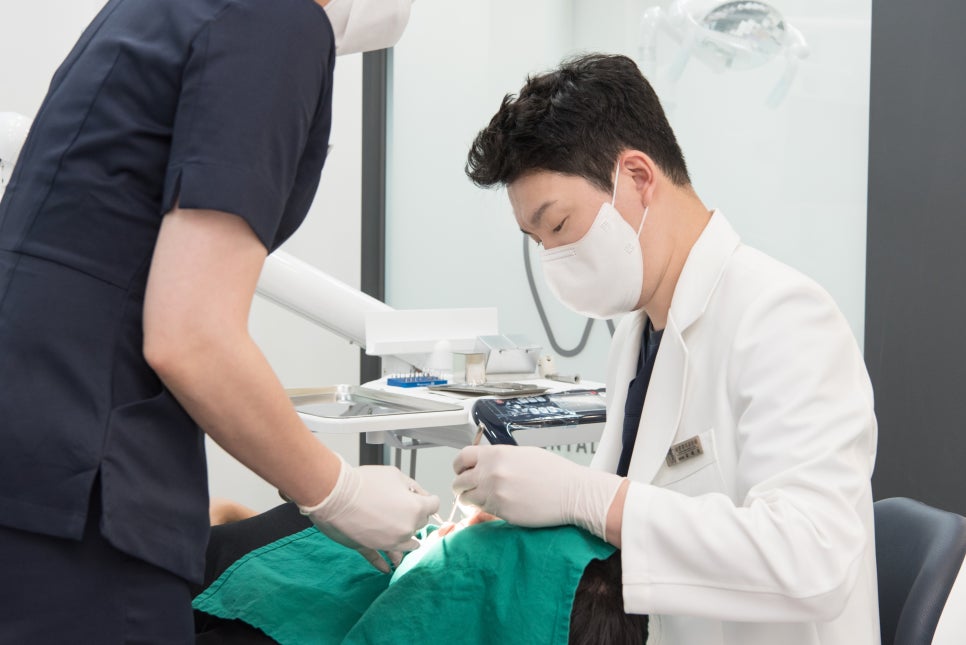
Laminate veneers can truly maintain their beauty for a long time only when precise, high-quality treatment is combined with the patient’s ongoing care.
At Barunyeong Dental Clinic near Yaksu Station, we focus not only on achieving aesthetic results on the day of treatment, but also on providing aftercare education with the belief that “the day treatment ends is the beginning of new care.”
We will always repay your trust with treatment that stays true to the basics and avoids unnecessary procedures.
Thank you.
[Key points from today’s post]
✔ The lifespan of laminate veneers varies depending on each person’s care and oral habits.
✔ Teeth grinding, eating hard foods, and inadequate care of the margins are the main causes of damage.
✔ Proper flossing technique (sliding the floss out to the side) and rinsing after consuming staining foods are important.
✔ The key to long-term maintenance is checking for subtle changes through regular checkups every six months.
This post was written directly by Barunyeong Dental Clinic in compliance with Article 56, Paragraph 1 of the Medical Service Act for the purpose of providing medical information and advertising the clinic. All procedures and surgeries may cause side effects such as pain, loosening, fracture, or sensitivity depending on each individual’s oral condition. Please proceed only after having a thorough consultation with a medical professional.