📍 Nasolabial fold lifting: Why are radiofrequency and ultrasound getting attention?
Nasolabial folds are a representative sign of aging that gradually become deeper and wider over time, making the face look heavier. To improve these nasolabial folds, nasolabial fold lifting lasers and Density radiofrequency lifting are drawing attention among dermatology procedures. In particular, interest is growing in how radiofrequency and ultrasound lifting technologies differ and which is more effective for improving nasolabial folds.
A nasolabial fold lifting laser is expected to help smooth wrinkles by delivering thermal stimulation evenly from the skin surface to the dermis. On the other hand, Density radiofrequency lifting delivers radiofrequency energy deep into the fascia layer of the skin, promoting collagen regeneration and strengthening the skin structure from the ground up.
Ultrasound lifting also delivers thermal energy, but because its depth and range of action are more limited than radiofrequency, there are many reviews saying radiofrequency lifting is more suitable for broad, deep areas such as nasolabial folds. In this article, we will introduce the differences between nasolabial fold lifting lasers, Density radiofrequency lifting, and radiofrequency versus ultrasound lifting, with a focus on Density reviews.
📍 Nasolabial fold lifting laser and Density radiofrequency lifting: each feature and advantage
A nasolabial fold lifting laser has excellent effects in smoothing skin texture and immediately softening wrinkles by applying focused thermal stimulation from the skin surface to the dermis. Its key strength is that it is specialized for deep and wide nasolabial folds and can restore elasticity quickly. In fact, after nasolabial fold lifting laser procedures, many people leave Density reviews saying they are satisfied with the immediate changes in their skin and the improvement in fine lines.
On the other hand, Density radiofrequency lifting penetrates the fascia layer of the skin with radiofrequency energy, promoting collagen regeneration and broadly improving the inner structure of the skin. Using a dual radiofrequency method that delivers energy evenly from the skin surface to deep tissue, the effects on skin elasticity and facial contour improvement appear gradually over time. Reviews of Density radiofrequency lifting often mention its natural lifting effect and long-lasting results as advantages.
If a nasolabial fold lifting laser is suitable for those who want quick changes, Density radiofrequency lifting is recommended for those who want to restore elasticity from deep within the skin. Therefore, it is important to choose between the two procedures wisely according to the type of skin concern and the desired improvement goal.

📍 Radiofrequency and ultrasound: which energy is more effective for nasolabial fold lifting?
Recently, both radiofrequency and ultrasound technologies have been actively used in the field of nasolabial fold lifting, but the two methods differ greatly in their principles of action and the range of energy delivery within the skin. Nasolabial fold lifting lasers and Density radiofrequency lifting use radiofrequency energy to deliver thermal stimulation evenly from the skin surface to the dermis and fascia layer. As a result, collagen and elastin production is promoted, greatly improving skin elasticity.
In contrast, ultrasound lifting generates heat concentrated at a specific depth and works effectively on certain areas of the skin, but compared with radiofrequency, its energy delivery range tends to be narrower and less uniform. In particular, for broad and deep areas such as nasolabial folds, there are many evaluations that radiofrequency-based nasolabial fold lifting lasers and Density radiofrequency lifting can provide more effective stimulation.
According to Density reviews, many personal accounts shared after radiofrequency lifting procedures describe the skin becoming firmer and the facial contours becoming more defined, confirming that radiofrequency is a better option than ultrasound for improving nasolabial folds. Of course, this may vary depending on each person’s skin condition, so professional consultation is essential.
📍 Combining nasolabial fold lifting laser and Density radiofrequency lifting, and how to maintain the effects
Combining a nasolabial fold lifting laser with Density radiofrequency lifting can create a strong synergistic effect by managing the skin surface and internal tissue at the same time. While a nasolabial fold lifting laser quickly improves wrinkles on the skin surface, Density radiofrequency lifting delivers heat deep into the fascia layer to help collagen regeneration and elasticity recovery. This combination is excellent for restoring natural facial lines and reducing wrinkles over the long term.
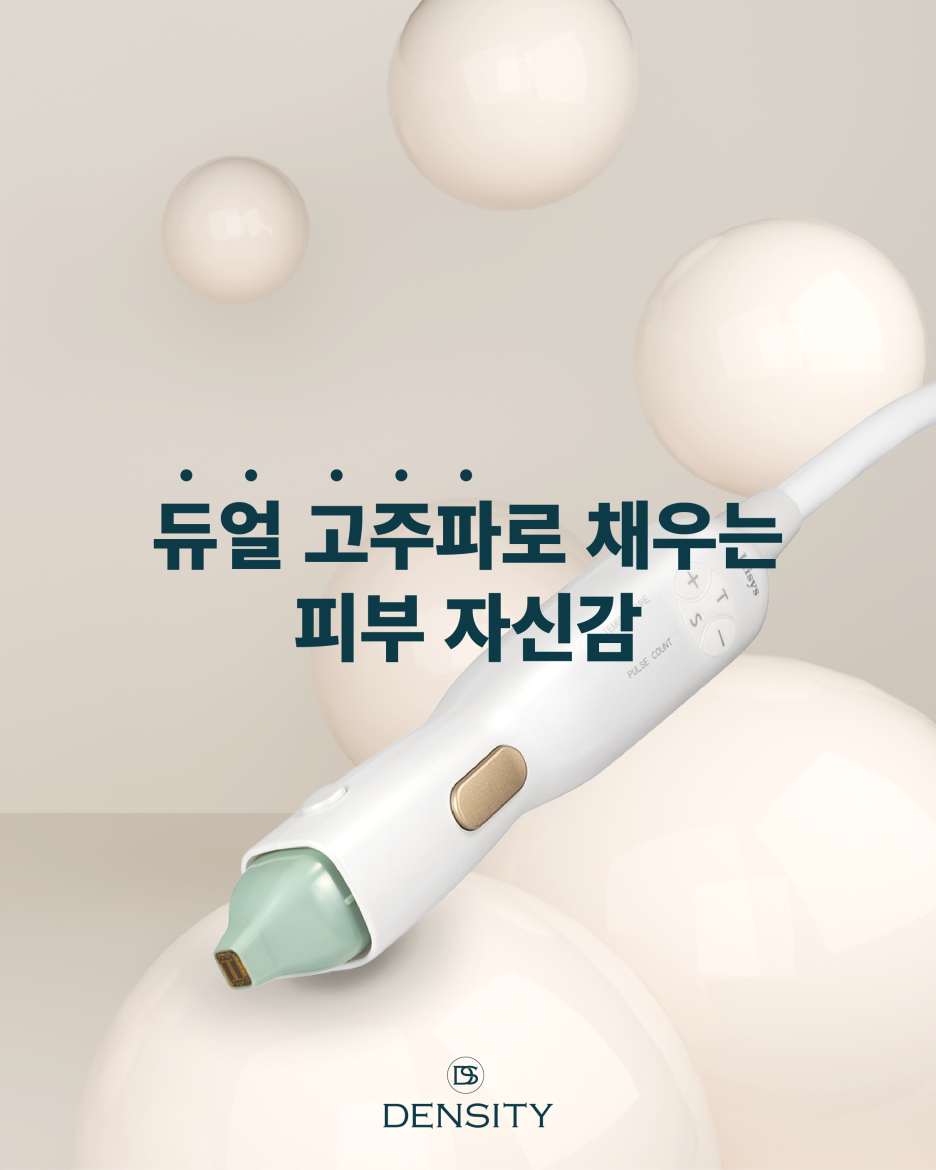
Density radiofrequency lifting uses a 5-stage cooling system to prevent overheating during the procedure, so even sensitive skin can be managed safely and it provides a comfortable treatment environment when combined with a nasolabial fold lifting laser. It is an optimal combination for those who want quick results while maintaining healthy skin elasticity for a long time.
In addition, after the procedure, it is essential to maintain adequate hydration and eat a balanced diet that helps collagen synthesis. In particular, it is important to prevent skin damage by consistently using sun protection. Density radiofrequency lifting steadily remodels the skin’s elasticity structure through regular procedures, making continuous skin improvement possible together with a nasolabial fold lifting laser. The wisest choice is to establish a customized management plan tailored to your individual skin characteristics and continue with consistent care.
#nasolabialfoldliftinglaser #nasolabialfoldlifting #Density #radiofrequencylifting #lifting #liftingprocedure #faciallifting #radiofrequencyliftingeffects #Cheongdamlifting #DensityHigh #density