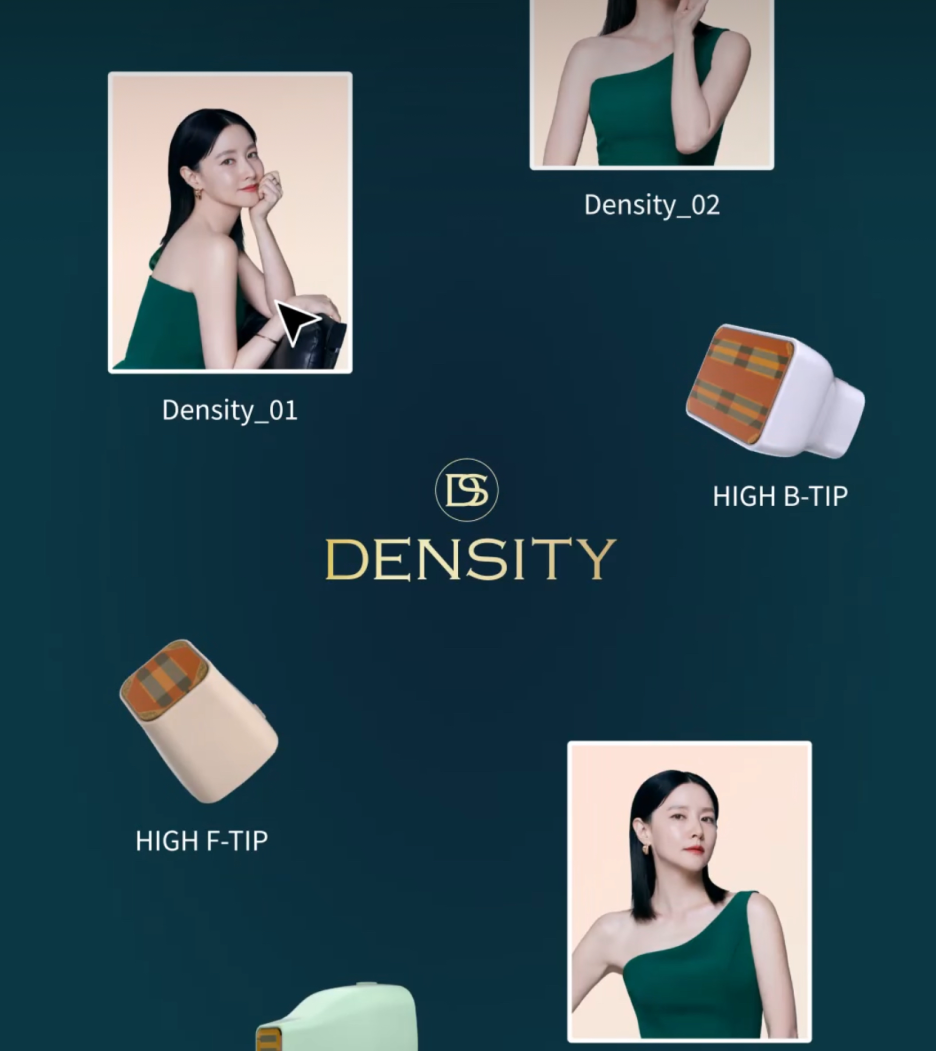
What concerns arise when the skin is thin?
Skin thickness makes a big difference in how quickly the skin responds to external刺激 and how well it recovers. Thicker skin absorbs impact to a certain extent, but thin skin is easily affected even by small changes, and fine lines or reduced elasticity appear more quickly. For this reason, thin-skin lifting is not something that can be addressed with simple tightening alone. In fact, excessive stimulation can cause redness, damage, and discomfort, so careful selection is necessary.
This is exactly why Density radiofrequency lifting is drawing attention, and it has established itself as a method that can deliver both safety and results even for sensitive skin. For those considering thin-skin lifting, the first things to check are safety and the naturalness of the results.

Why Density radiofrequency lifting is needed
The biggest fear in thin-skin lifting is damage caused by unnecessary heat stimulation. General methods proceed at a fixed output, so excessive stimulation can be delivered to sensitive areas.
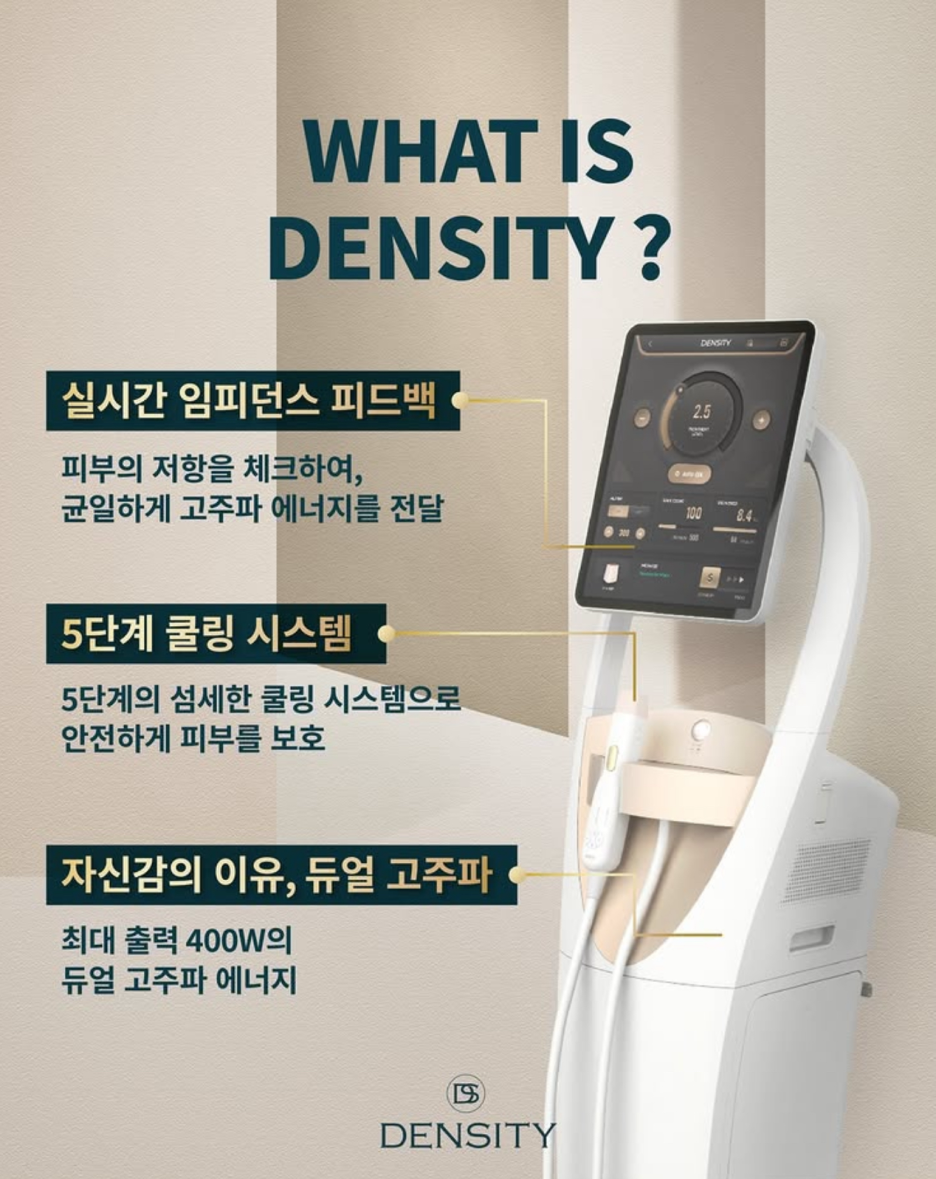
However, Density radiofrequency lifting has a function that senses skin resistance in real time and adjusts the energy accordingly. This is especially important in thin-skin lifting, as it delivers heat precisely only where needed, reducing unnecessary damage.
In actual treatment experiences, reports continue to note fast recovery and minimal discomfort. Density radiofrequency lifting has a technical advantage in that it does more than simply tighten; it reads the condition of the skin in detail, providing stable results even for sensitive skin.
Durability, effectiveness, and satisfaction
People considering thin-skin lifting usually compare cost and number of sessions, but the factor that actually determines satisfaction is how the skin changes over time.
Density radiofrequency lifting does not stop at immediate tightening; it shows a process of gradually increasing skin density. This is one of the biggest advantages in thin-skin lifting, and with consistent care, you can experience smoother skin texture and maintained elasticity.
In addition, the short recovery period means it does not interfere with daily life, which is an important deciding factor for office workers and people with busy schedules. Density radiofrequency lifting is suitable for those who want both safety and efficiency, as it is a method that considers not only short-term improvement but also long-term satisfaction.

A smart choice that changes the skin from within
Thin-skin lifting is not enough if it only tightens the surface. A process is needed that delivers stimulation all the way to the dermis and fascia layers to strengthen the structure itself. Density radiofrequency lifting has an advantage at this point, helping restore the skin's internal support and recover natural contours and elasticity. It is trusted by those considering thin-skin lifting because it is not just a one-time procedure but a change that continues over time, helping them regain confidence.
Ultimately, when safety, durability, and cost-effectiveness are all considered, Density radiofrequency lifting becomes the most reasonable solution. Because it can be applied even to sensitive skin, it is becoming a new standard for thin-skin lifting, and when combined with long-term skin care, you can experience healthy and elastic changes.
#ThinSkinLifting #SkinLiftingProcedure #Density #RadiofrequencyLifting #Lifting #LiftingProcedure #FaceLifting #RadiofrequencyLiftingEffect #CheongdamLifting #DensityHigh #density