
Skin care and selection criteria
In seasons when skin elasticity declines rapidly due to ultraviolet rays and heat, it is important to carefully review the different types of lifting procedures. Although there are many types of lifting procedures, Density radiofrequency lifting stimulates the deeper layers of the skin to provide a natural contour-improving effect. Density radiofrequency lifting is a noninvasive procedure, so even sensitive skin can receive it without burden, and among the different types of lifting procedures, it is a representative option that satisfies both safety and immediate effects.
The difference in precise energy delivery
The lifting procedure types on the market differ in the principles and intensity used. Density radiofrequency lifting is distinguished from conventional procedures by delivering heat to the dermis and fascia layer while protecting the epidermis. When choosing among lifting procedure types, pain and recovery time must be considered, and Density radiofrequency lifting has the advantage of restoring skin elasticity with minimal discomfort.
Safe treatment even for sensitive skin
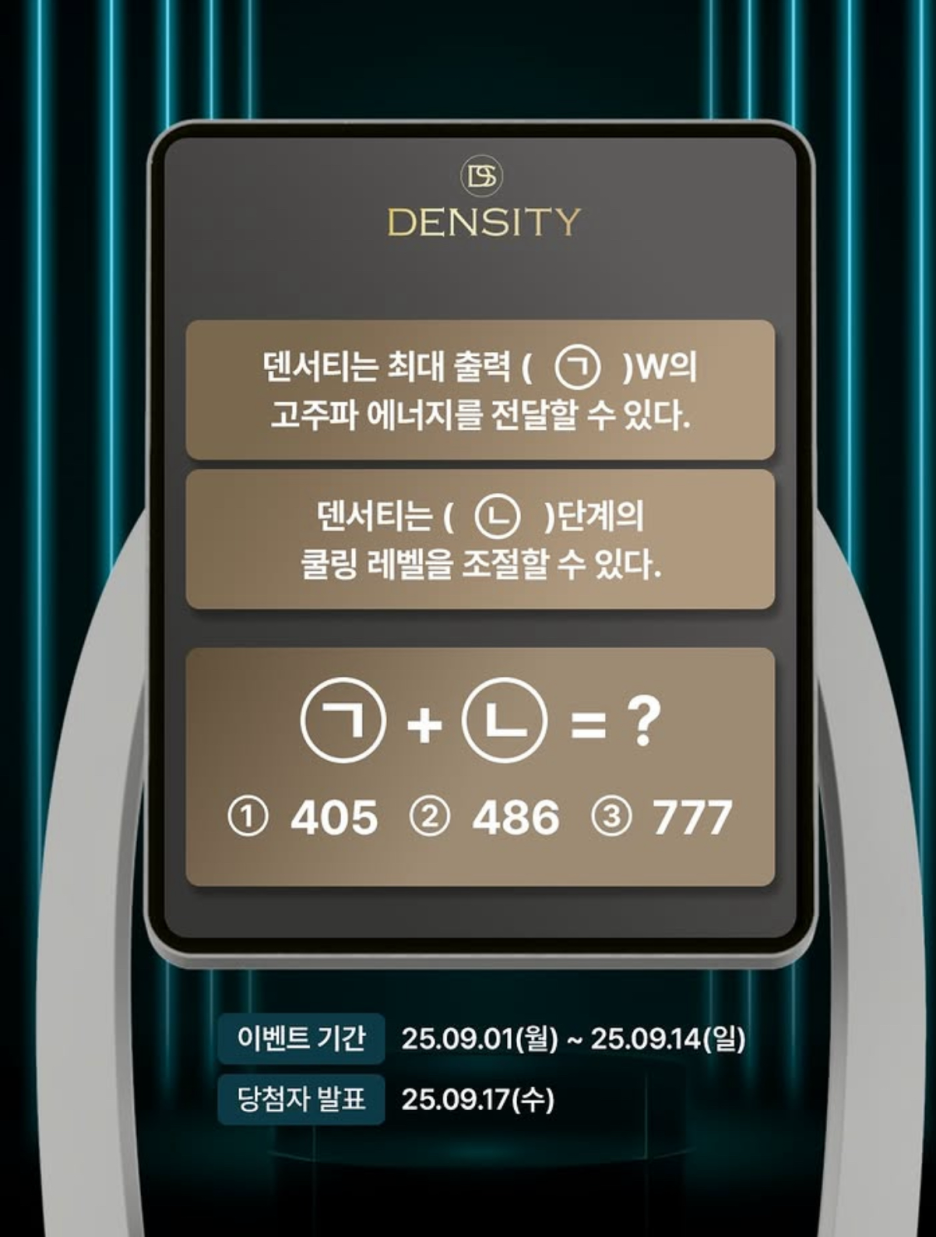
Some lifting procedure types that use high heat can be burdensome for sensitive skin in summer. However, Density radiofrequency lifting applies a cooling function to prevent surface damage and is regarded as a method that improves stability even among lifting procedure types. Density radiofrequency lifting can be applied to sensitive areas as well, making it a notable choice for those with many skin concerns.
A safe approach even for thin skin layers
If the skin is thin or dry, some lifting procedure types may instead cause damage. Density radiofrequency lifting improves elasticity safely by delivering energy to the SMAS layer without placing a burden on the surface. Among lifting procedure types, Density radiofrequency lifting can be used according to various skin types, making it suitable for a wide range of ages and skin conditions.
Customizable by age group
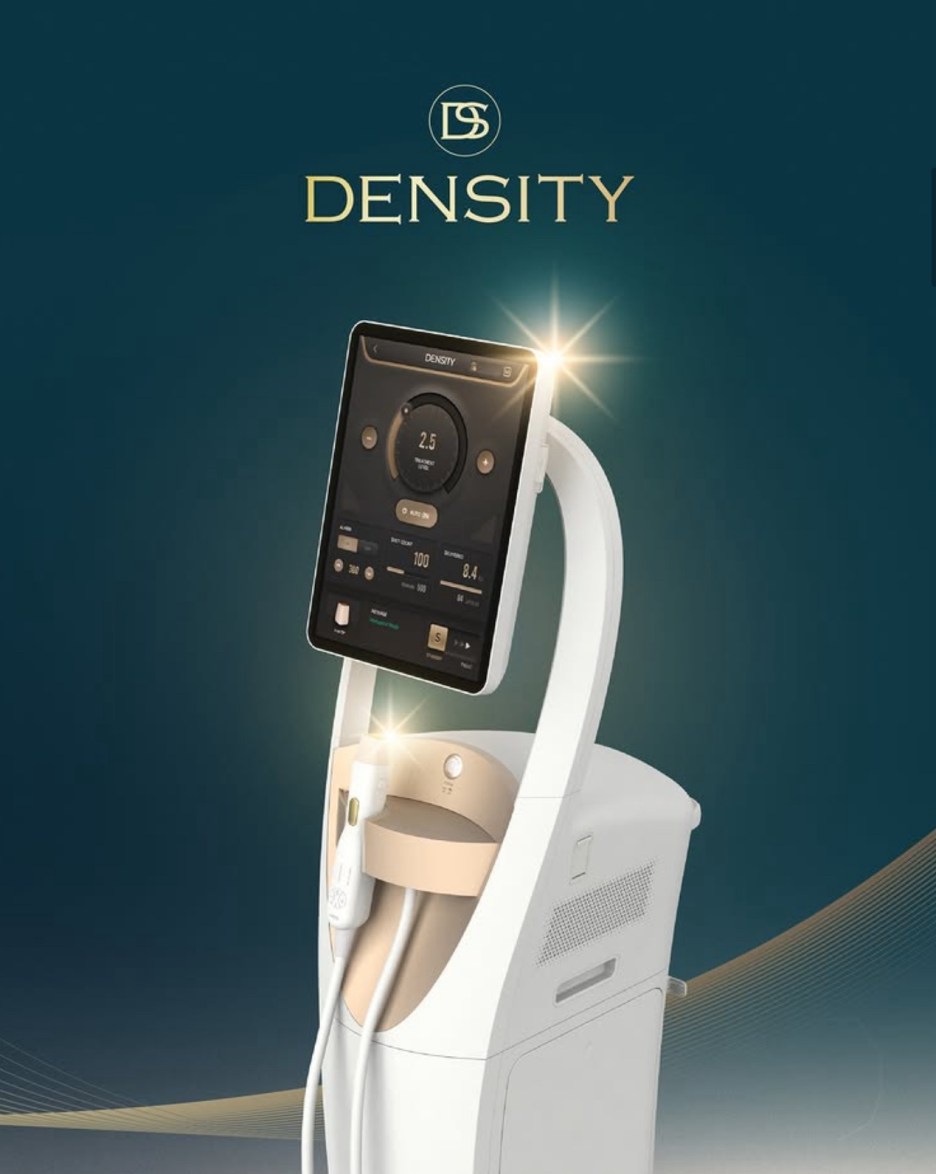
Because the rate of elasticity loss varies depending on age and constitution, a customized approach is needed when choosing a lifting procedure type. Density radiofrequency lifting can be applied broadly from the late 20s to those in their 50s and older, and individualized care is possible through adjustments in output and tip changes. Among lifting procedure types, Density radiofrequency lifting offers flexibility that makes it suitable for everyone from first-time patients to older age groups.
Short procedure time and quick recovery
When deciding among lifting procedure types in a busy daily life, recovery time is an important criterion. Density radiofrequency lifting takes only about 30 minutes, and you can return to daily life the next day. Compared with other lifting procedure types, Density radiofrequency lifting offers fast recovery and is an optimal choice for modern people who value efficiency.

Long-term elasticity maintenance
For those who value durability over short-term effects, choosing the right lifting procedure type is key. Density radiofrequency lifting promotes collagen regeneration, inducing gradual improvements in elasticity over time. Because repeated sessions can produce cumulative effects, it is regarded as a representative procedure among lifting procedure types with high long-term satisfaction.
Multi-area care and versatility
Even though there are many types of lifting procedures, options that can manage complex areas such as the face, neck, and jawline are limited. Density radiofrequency lifting can be safely applied even to sensitive areas and has the advantages of less pain and faster elasticity recovery. Among lifting procedure types, Density radiofrequency lifting can improve multiple areas, making it highly versatile, and now is the optimal time to choose a procedure that suits you personally.
#liftingproceduretypes #Density #radiofrequencylifting #lifting #liftingprocedure #facelifting #radiofrequencyliftingeffects #Cheongdamlifting #DensityHigh #density