Types of Radiofrequency Lifting
If You’re Looking Into Density Among the Various Effects

Various types of radiofrequency lifting,
why is it so hard to choose?
As more people seek to improve skin elasticity, interest in the various types of radiofrequency lifting has grown. However, it is difficult to decide based on the name alone. Some types of radiofrequency lifting stimulate only the area near the epidermis and provide temporary effects, while others deeply stimulate the dermis and fascia layer to bring about longer-term changes. People with thin skin may react sensitively to strong heat and become red, while thicker skin may not receive enough stimulation, resulting in less effect than expected. In the end, when choosing among the various types of radiofrequency lifting, it is important to consider not just the brand name, but also skin thickness, condition, and individual characteristics as a whole. In this context, Density radiofrequency lifting is emerging as a reasonable alternative.
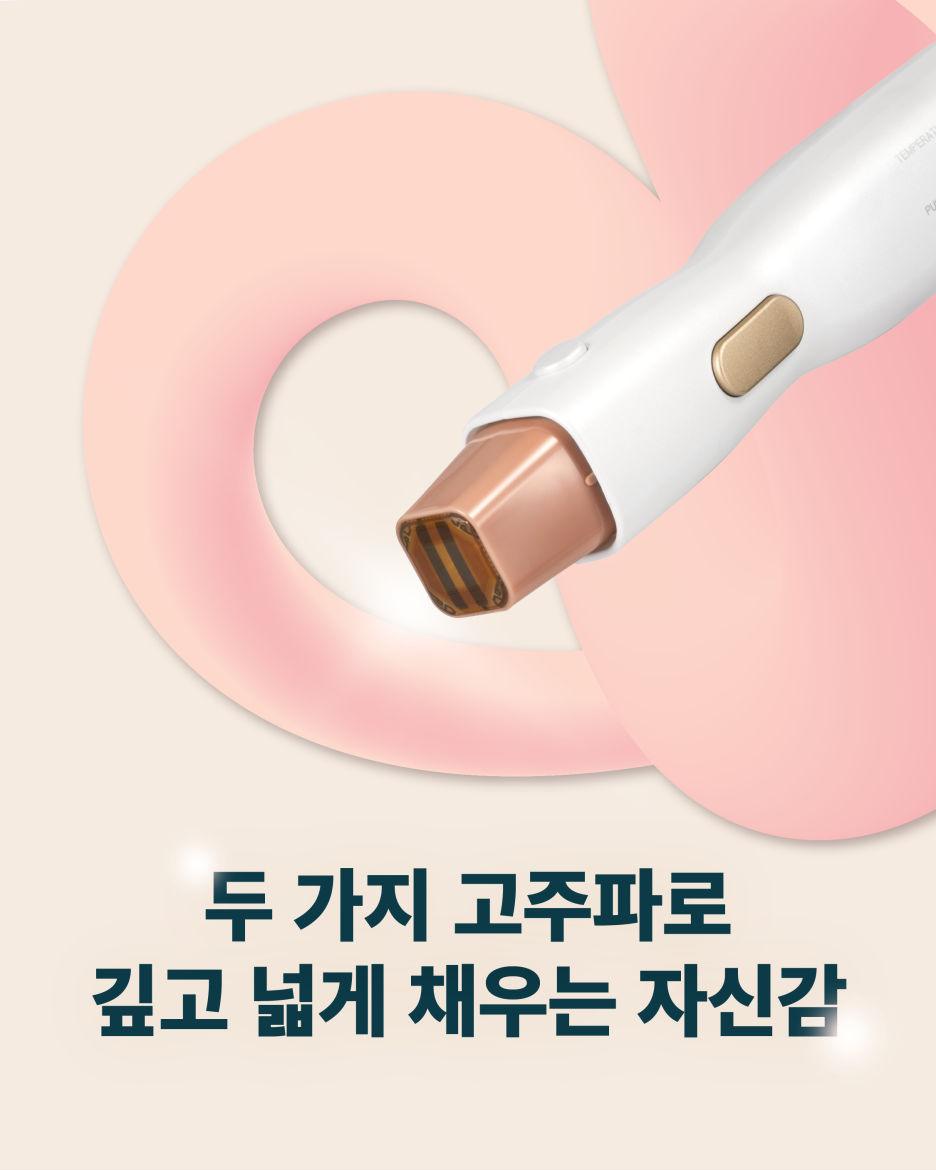
The principle that
sets Density radiofrequency lifting apart
Among the many types of radiofrequency lifting, the reason Density radiofrequency lifting is drawing attention is its precise adjustment function. Unlike methods that simply deliver heat, Density radiofrequency lifting uses 6.78MHz radiofrequency to analyze skin resistance in real time and automatically adjust the output intensity accordingly. Thanks to this, both thin and thick skin can receive stimulation stably, making personalized results possible. Density radiofrequency lifting also applies a dual mode that stimulates both shallow and deep layers at the same time, providing balanced effects across the skin overall. Its step-by-step cooling system helps prevent overheating, reducing redness and discomfort while helping results last longer. This kind of difference is what sets it apart from other types of radiofrequency lifting.

The power of customized application
depending on the area
If you choose among the types of radiofrequency lifting based only on the principle, overall satisfaction may be low in real use. Because skin thickness and muscle structure differ from one facial area to another, a method that allows customized application is needed. Nasolabial folds require heat stimulation to be delivered deep into the layers, while the jawline and neck require even heat distribution. Density radiofrequency lifting makes it possible to perform procedures suited to each area’s characteristics by replacing different tips. In fact, when Density radiofrequency lifting is applied to areas such as nasolabial folds, cheeks, and a double chin, the overall contour improves naturally. The effects last for an average of more than 6 months, and with consistent care, the recovery of elasticity can continue for a long time. This is also why Density radiofrequency lifting continues to be chosen among the various types of radiofrequency lifting.

A smart choice tailored to
skin concerns
Because skin thickness, sensitivity, and recovery speed differ from person to person, results can vary even when using the same type of radiofrequency lifting. Thin skin may easily become red, and thick skin may not allow heat to reach deeply enough, leading to insufficient effects. To address these differences, Density radiofrequency lifting analyzes skin resistance and finely adjusts output intensity. Internally, it promotes collagen and elastin production to strengthen the skin structure, while externally it improves both facial contours and elasticity. Among the various types of radiofrequency lifting, Density radiofrequency lifting is the method that most efficiently addresses differences in skin thickness and response. The days of simply pulling the skin from the outside are already over. If you want natural, long-lasting changes by restoring the skin’s own strength, Density radiofrequency lifting can be a smart answer.
#고주파리프팅종류 #리프팅종류 #덴서티 #고주파리프팅 #리프팅 #리프팅시술 #얼굴리프팅 #고주파리프팅효과 #청담리프팅 #덴서티하이 #density