What is CRMO? “Is there really a disease that makes the jaw keep growing for no reason?”
Is there a checklist you must review before square jaw surgery?
When consulting about square jaw surgery, I often find that even cases that look similar on the outside
have completely different causes.
Some people naturally have a developed mandibular angle,
some have strongly developed masseter muscles,
and in very rare cases, the jawbone can enlarge because of a disease.
Today, I want to talk about one of those cases: a CRMO case that is not easy to see.
Because the content may be a bit long, I’ve divided it into Part 1 and Part 2.
In this Part 1, I’ll carefully explain what kind of disease it was that changed the approach before square jaw surgery,
and the world’s first case in which surgical resection was attempted,
with that special story unraveled step by step at MOOi Plastic Surgery, known for one-of-a-kind beauty.
What if it looked like square jaw, but wasn’t just a simple square jaw?
Do you remember the folk tale character with a lump on his jaw from the stories you read as a child?
In fact, there is a real disease that causes the jaw to grow abnormally large.
It is CRMO (Chronic Recurrent Multifocal Osteomyelitis).
In Korean, it means “chronic recurrent multifocal osteomyelitis.”
Just because your jaw looks wide in the mirror
does not mean every case should be treated with the same kind of square jaw surgery.
Especially if, since childhood or adolescence, you have had unexplained jaw pain, repeated swelling,
or felt that the lower face was gradually getting larger,
it should not be viewed as only a cosmetic issue.
That is because a rare disease involving repeated inflammation in the bone, such as CRMO, may be hidden underneath.
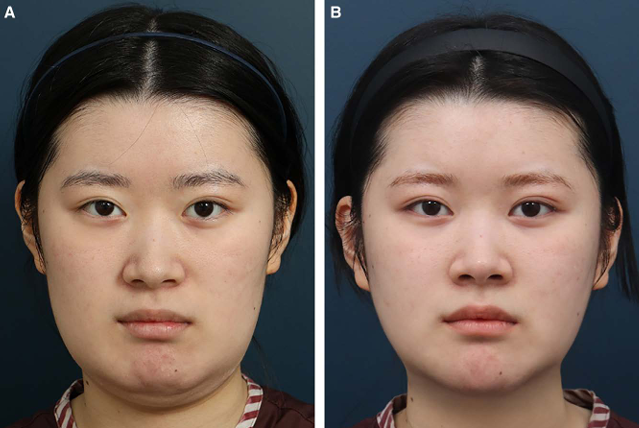
Before-and-after comparison of a CRMO case of square jaw surgery
CRMO, what kind of disease is it?
The name may sound unfamiliar and therefore more difficult,
but simply put, it is a noninfectious, autoinflammatory bone disease in which inflammation in the bone recurs,
related to an abnormality in the immune system rather than a bacterial infection.
- Pain and swelling may improve and then become severe again repeatedly.
- It is reported mainly in growing children and adolescents.
- It commonly occurs in long bones such as the arms and legs, but in rare cases it can appear in the jawbone.
- When it occurs in the jawbone, it can go beyond simple pain and lead to changes in facial shape.
This is exactly why it can easily be mistaken at first for simple inflammation, a dental issue, or ordinary square jaw.
Below are review images from patients who underwent facial contouring surgery for concerns about a typical square jaw face shape.
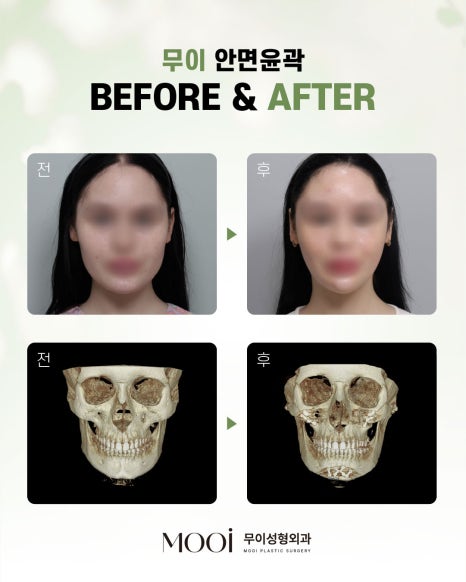
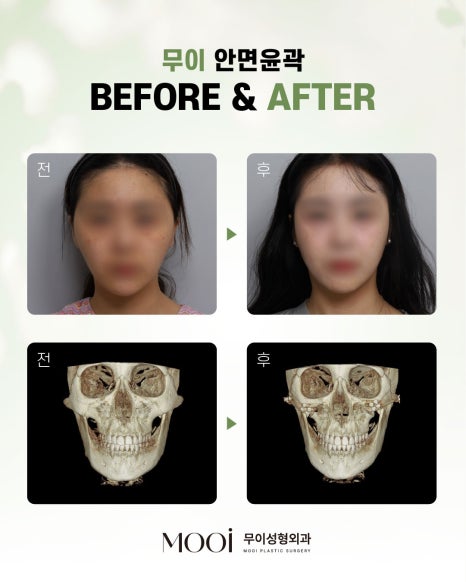
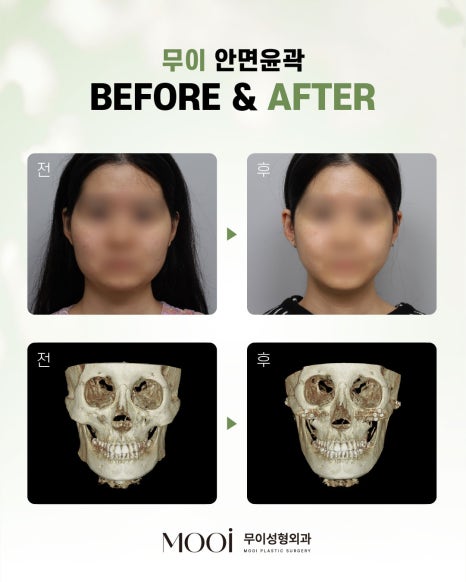
Before-and-after facial contouring surgery comparison and face contour review images from MOOi Plastic Surgery
Why shouldn’t it be viewed as just “square jaw”?
In ordinary square jaw concerns, the lower face often looks broad because the mandibular angle is developed or the masseter muscle is developed.
But in special cases like CRMO, the first priority is to check the condition of the bone itself,
rather than the outwardly visible facial shape.
In other words, in such cases, what matters much more is not “Can it be beautifully shaved down?”
but “Can it be approached safely?”
| Category | Ordinary square jaw concern | Special cases like CRMO |
|---|
| Main cause | Bone shape, muscle development | Recurrent noninfectious inflammatory changes |
| Main concern | Angular impression, wide lower face | Pain, swelling, jaw gradually enlarging, facial asymmetry |
| Required checks | Facial shape analysis, 3D-CT | 3D-CT, blood tests, consultation with related departments, confirmation of disease status |
| Surgical focus | Improving the line and adjusting proportions | Safety, resection range, management of reactivation risk |
What process did this patient go through?
In this case, the patient had repeated pain and inflammation around the jaw from a young age without any special reason,
and at first received antibiotic treatment, but there was no clear improvement.
Later, after being diagnosed with CRMO at a tertiary general hospital and continuing treatment to control the inflammation,
the pain itself subsided to some extent, but the volume of the jawbone remained,
and as a result the stress about facial shape gradually increased by the time they visited us.
For the patient, this kind of case is truly confusing.
The pain decreases, but the face still looks larger, and it seems like simple square jaw,
when in fact the real cause is completely different.
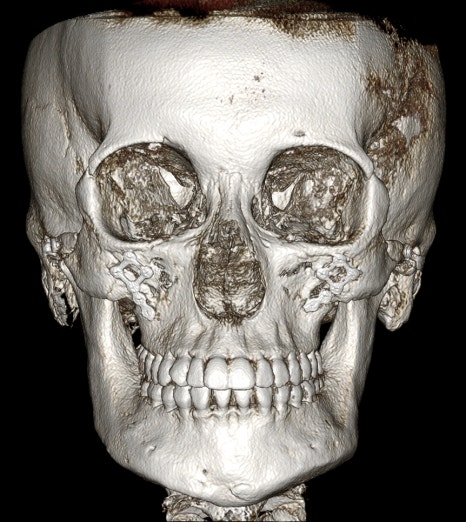
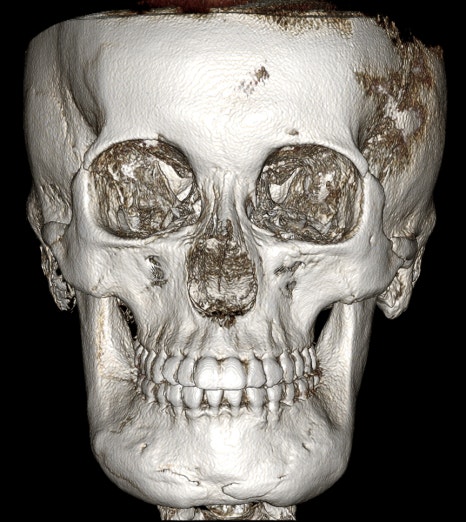
Comparison of a typical adult female facial bone image and the patient’s jawbone thickness
The process leading to the surgery decision
When compared with the jaw of a typical Korean woman, the difference in bone thickness was truly significant.
What was even more difficult was that, worldwide, only one case had been reported in which this disease occurred on both sides of the jaw.
There had never been a surgically approached case before.
At first, we spent a lot of time considering whether surgery should even be performed.
But for the patient’s quality of life,
after thoroughly reviewing the risks, we decided to proceed with surgery.
Three risks reviewed before surgery
Let me honestly share the three risks we carefully reviewed before surgery.
① Risk of bleeding
If the amount of resection increases, severe bleeding can occur from inside the bone.
In the worst case, it was at a level that could be life-threatening.
The patient’s hemoglobin level was also low, so we prepared for a blood transfusion in advance before surgery.
② Possibility of collapse due to exposure of weak bone tissue
If too much of the soft cancellous bone inside the bone is exposed, it may not maintain its shape and could collapse.
No matter how enlarged the bone is, if the inside crumbles, the surgery can no longer continue.
③ Reappearance of autoimmune symptoms (flare-up)
Although the symptoms were currently controlled with medication,
the bone resection surgery itself could act as stress on the body and cause the symptoms to appear again.
We planned to continuously check inflammatory markers through blood tests before and after surgery,
and to manage the patient in cooperation with pediatrics and rheumatology after surgery.
In special cases, the key point is that “a surgery that recovers without problems” comes before “a surgery that changes a lot.”
That is the core of this matter.
What I especially wanted to tell you in Part 1 is this
Even if the term square jaw surgery is the same, not every jaw looks angular for the same reason.
Especially if the jaw has kept growing without a clear reason, if pain and swelling have repeated for a long time,
or if the jaw shape has changed significantly since childhood,
it is essential to first identify the cause accurately.
Rather than making a rushed decision based only on appearance,
it is most important to carefully check the condition of the bone, whether there is a disease, and the possible surgical range.
That is the most important first step in cases like this.
Frequently Asked Questions (FAQ)
Q. If my jaw feels like it keeps growing, do I absolutely need square jaw surgery?
No. First, identifying the cause is the priority.
The approach can change completely depending on whether it is simply bone development, a muscle issue, or an inflammatory change.
Q. Is CRMO curable?
Rather than a cure, it is managed by controlling the inflammation with medication.
During periods when there are no symptoms, normal daily life is fully possible.
Q. Can facial contouring surgery affect CRMO symptoms?
The surgery itself may act as stress on the body and potentially trigger symptoms.
That is why thorough blood monitoring before and after surgery was necessary.
Q. If someone has a disease like CRMO, is facial contouring surgery completely impossible?
Not necessarily.
However, because the decision depends on the disease status, test results, and whether consultation with related departments is needed,
careful judgment is required to a much greater degree than in ordinary cases.
Q. What tests are important before surgery?
It is important to check bone condition through 3D-CT, assess inflammatory status through blood tests,
and, if necessary, consult with related departments such as pediatrics or rheumatology.
Preview of the next part
In the next part, I’ll continue by explaining what we looked for on the 3D-CT,
what criteria were used to plan the surgical range, and from what angles facial contouring surgery before and after should be checked.
MOOi
MOOi Plastic Surgery

Beauty like No Other
As the meaning of MOOi (無二), “one and only,” suggests,
our MOOi Plastic Surgery designs your one-and-only face in the world.
🩷 Directions 🩷
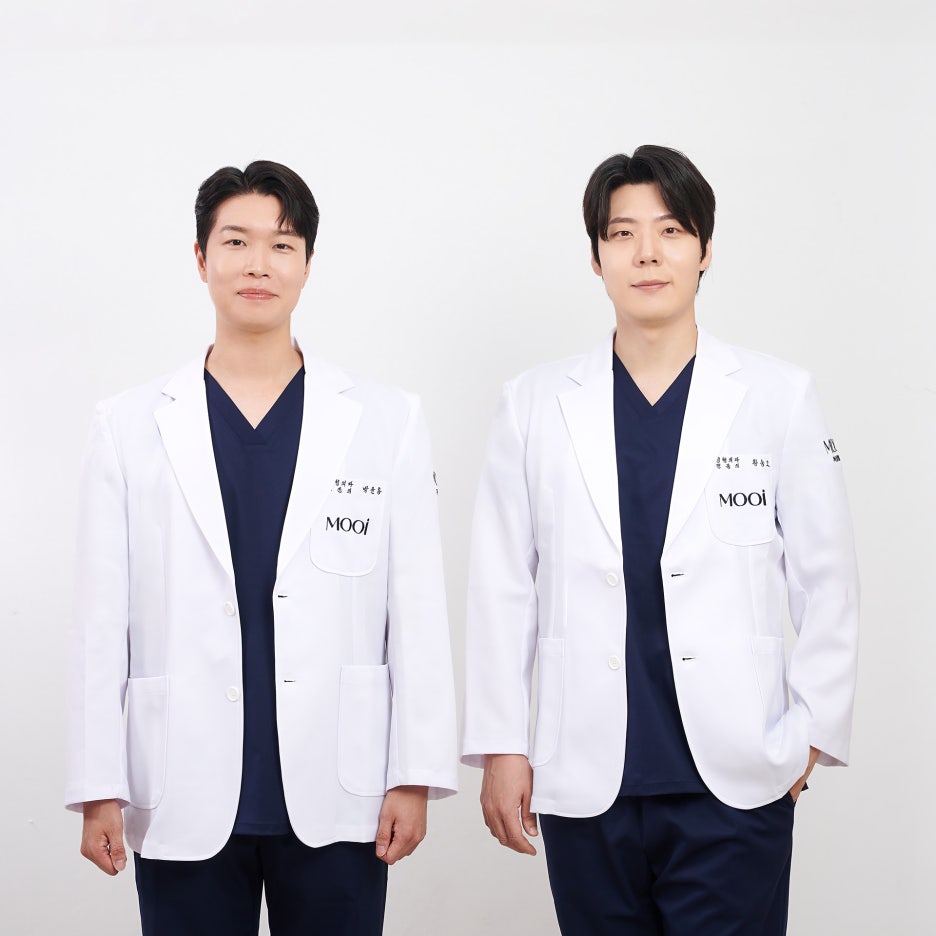
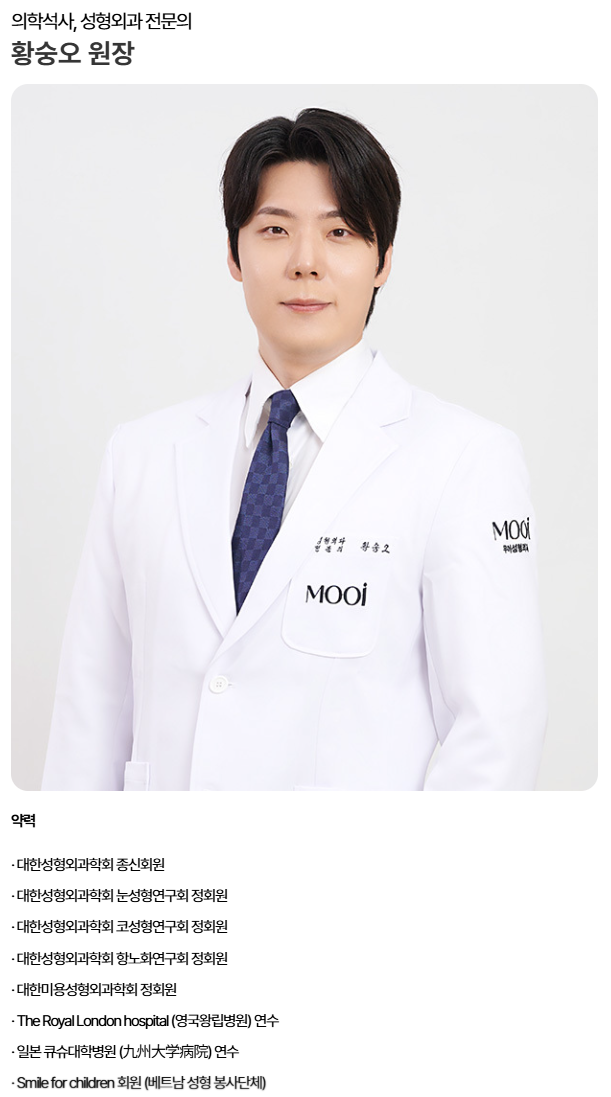
💖 Introduction to the chief surgeons 💖
💛 Go to KakaoTalk channel 💛
🧡 Go to website 🧡
#squarejaw_surgery #facialcontouring_surgery #CRMO #autoimmunedisease #specialcaseofsquarejawsurgery #mandibularsurgery #gangnamfacialcontouring #facialcontouringsurgeryreview #beforeandaftersquarejawsurgery #MOOiplasticsurgery #GangnamMOOiplasticsurgery #Gangnamplasticsurgery #rarediseasesurgery
This content was written directly by MOOi Plastic Surgery in compliance with Article 56, Paragraph 1 of the Medical Service Act, for the purpose of conveying information related to procedures and surgeries in an easy-to-understand manner. Since all procedures and surgeries may vary by individual and side effects may occur, we recommend consulting the responsible medical staff before proceeding.