"My facial features are fine, but my face looks like it has too much empty space."
"When I pull my hair back, my face looks like a full moon, and I worry that it looks too large."
Hello✨
We are MOOi Plastic Surgery Clinic, creating one-of-a-kind beauty.
These days, during consultations, we often hear people say, "I want to reduce the empty space on my face."
When there is a lot of empty space, the face can look larger in photos and is more likely to appear broad or puffy.
So today, we will explain contour surgery for reducing facial width, focusing on the difference between contour surgery types 2 and 3 through actual cases.
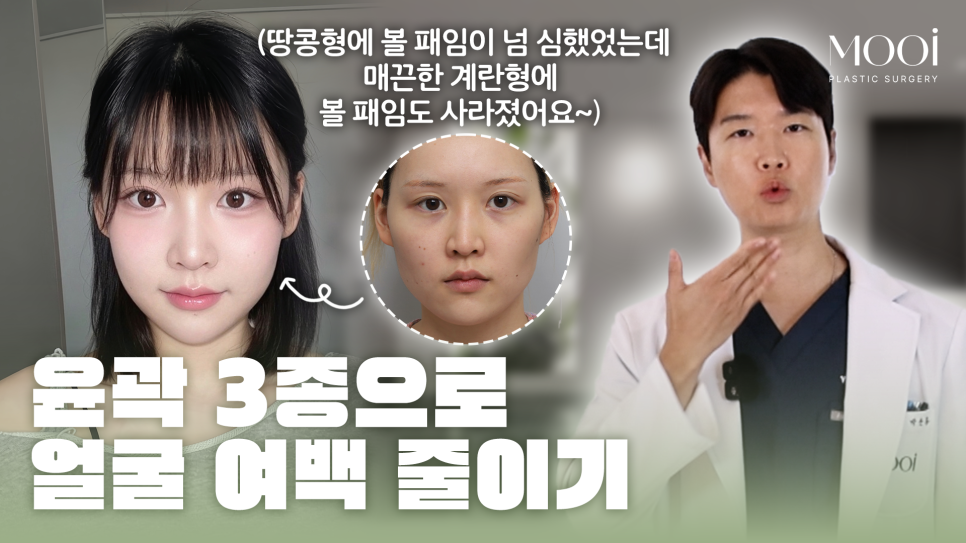
What is facial “empty space,” and why do people want to reduce it?
Facial empty space refers to the remaining blank areas after excluding the facial features.
Even when the facial features are attractive, a wide area of empty space can make the face look larger,
and when the hair is pulled back, the face can easily look puffy, like a full moon.
This empty space is especially noticeable in photos or on-screen, making it one of the concerns most frequently raised by women.
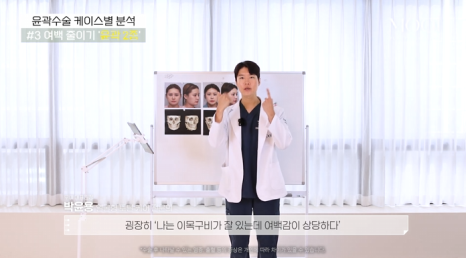
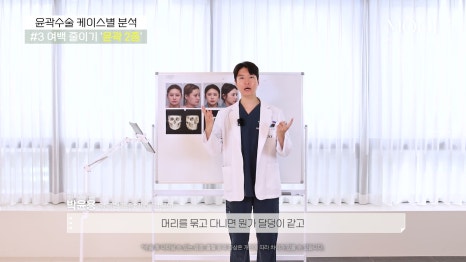
How can facial empty space be reduced? The difference between contour surgery types 2 and 3
The way to actually reduce facial width is through contour surgery.
In other words, the key difference between types 2 and 3 is whether the chin tip is reduced along with the other areas.
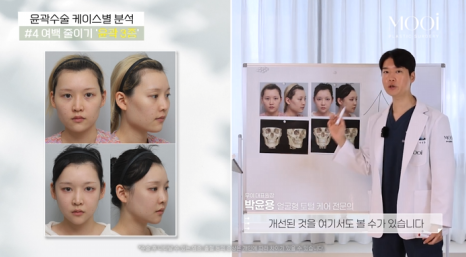
Contour surgery type 2 may be suitable for people like this (actual case)
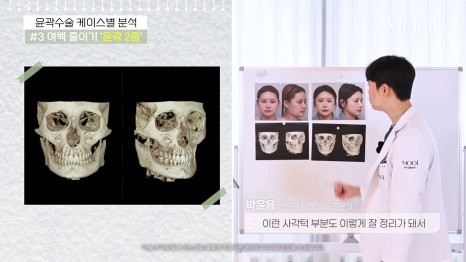
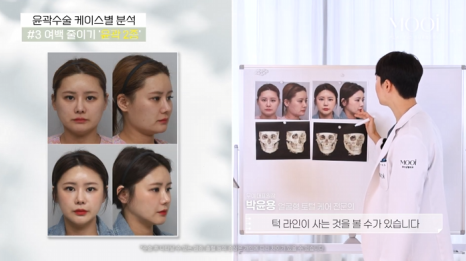
[Photo 2 = 02_윤곽2종_CT전후.jpg]
This case involved a broad appearance around the lateral cheekbones and square jaw,
but the patient was satisfied with the chin tip itself, so type 2 contour surgery was performed to reduce only the cheekbones and square jaw.
The square-jaw area, which had appeared to extend outward like a skirt, was refined,
and the CT images show that the cheekbone width was clearly reduced while the previously blunt jawline became more defined.
Contour surgery type 3 may be suitable for people like this — a “large rock face” appearance
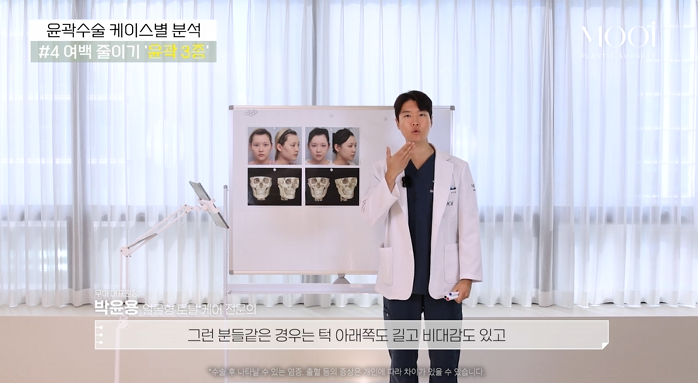
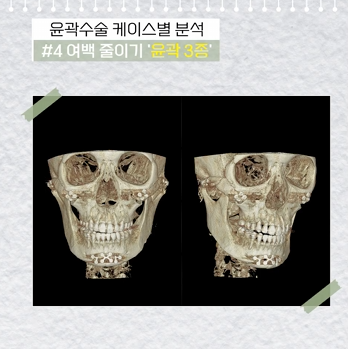
People whose faces are generally large enough to feel that they have a “large rock face”
often have a long area below the chin, along with well-developed square jaw and cheekbone areas.
In such cases, type 3 contour surgery, which can reduce all the areas of the face that need to be reduced, may be appropriate.
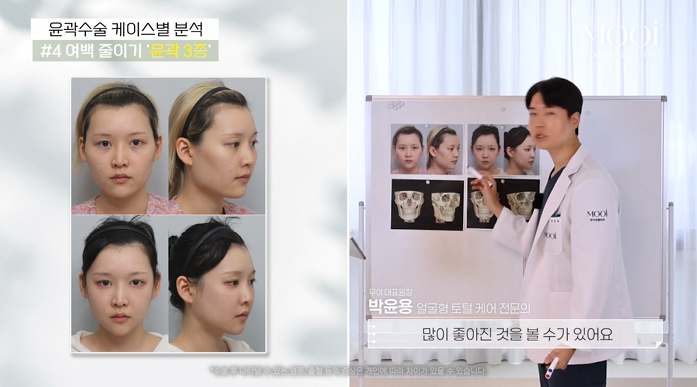
In this case, the patient worked in broadcasting and was concerned that the facial width was particularly noticeable on-screen.
After undergoing type 3 contour surgery, the previously blunt chin tip became more defined,
and reducing the square jaw and cheekbones as well clearly reduced the facial empty space, creating a slimmer facial contour.
How do you choose between contour surgery types 2 and 3?
There are two main criteria.
-
Condition of the chin tip: If the chin tip is satisfactory, type 2 may be suitable; if it is blunt or long, type 3, which includes the chin tip, may be appropriate.
-
Overall development of the facial structure: If the cheekbones, square jaw, and chin are generally large, type 3 may be advantageous for achieving overall balance.
Ultimately, the combination varies depending on “which areas are creating the facial empty space,” so planning according to your individual bone structure is important.
Check in advance with CT: CT simulation can show how much the face may be reduced
Because contour surgery involves the bones, it is important to check everything in advance rather than making a decision without sufficient information.
During the consultation, we examine the width of the cheekbones and square jaw using CT,
and show you through simulation how much reduction may be possible.
This makes it easier to estimate in advance how much smaller the face may look after surgery.
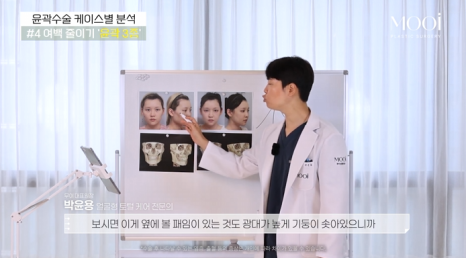
Concerned about cheek hollowing? Reducing the cheekbones may also improve it
When the cheekbones project prominently,
cheek hollowing may appear beneath them, as though pillars have been erected and a tent stretched over them.
In this situation, lowering the cheekbones—the “pillars”—can often naturally improve the hollow-looking cheek area as well.
In other words, you may expect the cheek hollowing to be refined while reducing the facial empty space.
We recommend a consultation if you:
-
Have attractive facial features but a wide area of empty space that makes your face look large
-
Are concerned that your face looks puffy like a full moon when you pull your hair back
-
Have facial width that is especially noticeable in photos or on-screen
-
Want to know which area should be reduced among the cheekbones, square jaw, and chin tip
Frequently Asked Questions (FAQ)
Q. What is the difference between contour surgery types 2 and 3?
A. Type 2 usually consists of cheekbone reduction + square-jaw surgery, while type 3 also includes chin-tip surgery.
The key difference is whether the chin tip is reduced as well.
Q. Which is right for me, type 2 or type 3?
A. The choice is based on the condition of the chin tip and the overall development of the facial structure.
If the chin tip is satisfactory, type 2 may be suitable; if the face is generally large, like a “large rock face,” type 3 may be appropriate.
Q. Can I know in advance how much reduction is possible?
A. Yes. We examine the cheekbone and square-jaw widths with CT and use simulation to show how much reduction may be possible in advance.
Q. Won’t reducing the cheekbones make my cheeks look hollow?
A. On the contrary, lowering prominently projecting cheekbones—the “pillars”—often improves the hollow-looking cheek area beneath them.
To summarize,
the key to reducing facial empty space is identifying “what is creating the facial empty space” and reducing the appropriate areas accordingly.
If the chin tip is satisfactory, contour surgery type 2 may be suitable; if the face is generally large, contour surgery type 3 may be appropriate.
Designing the procedure according to the facial bone structure can clearly reduce facial empty space.
However, because this is surgery involving the bones,
we recommend making a decision only after consulting sufficiently with a specialist based on a CT evaluation.
MOOi
무이성형외과
Beauty like No Other
Just as MOOi (無二) means “not two, but one and only,”
무이성형외과 designs a one-of-a-kind face that is uniquely yours.
🩷 Directions 🩷
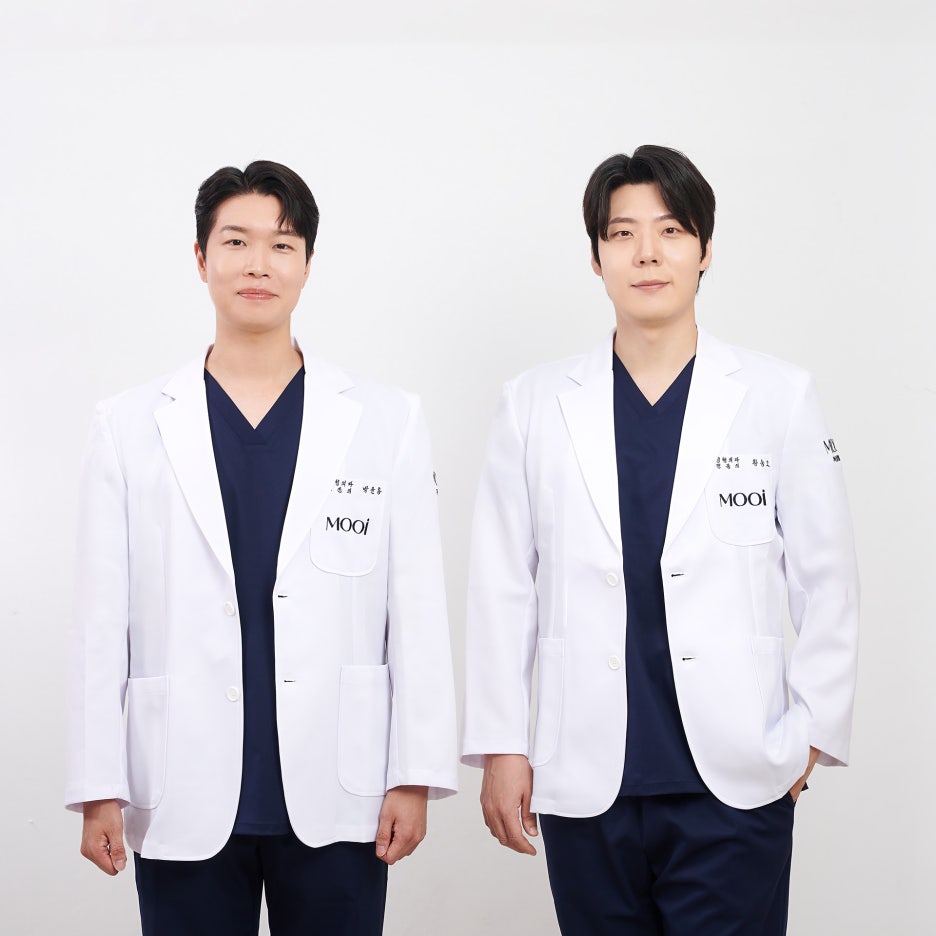
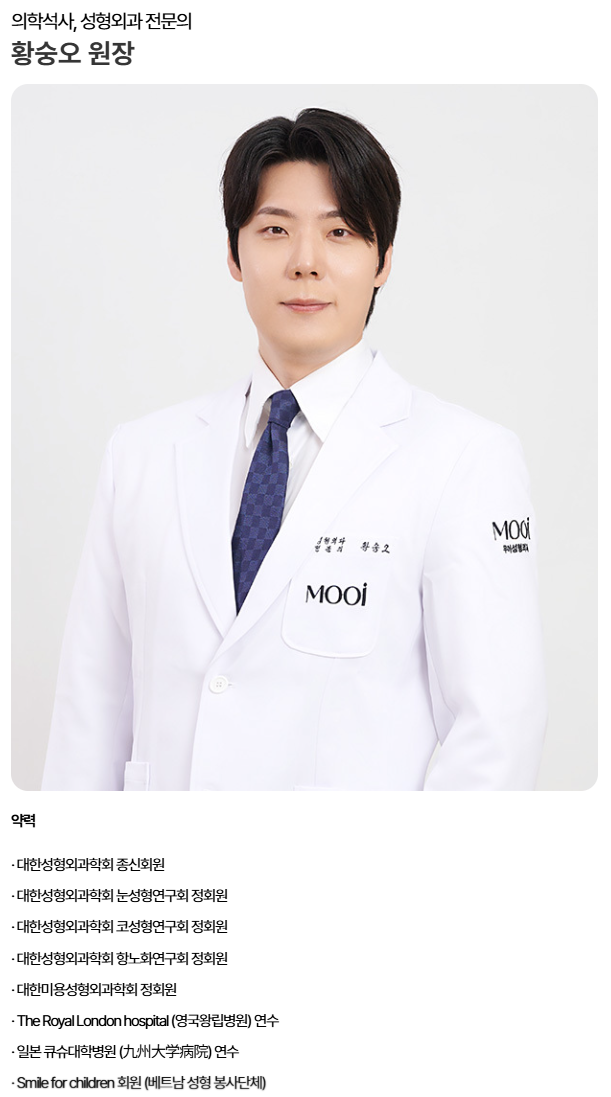
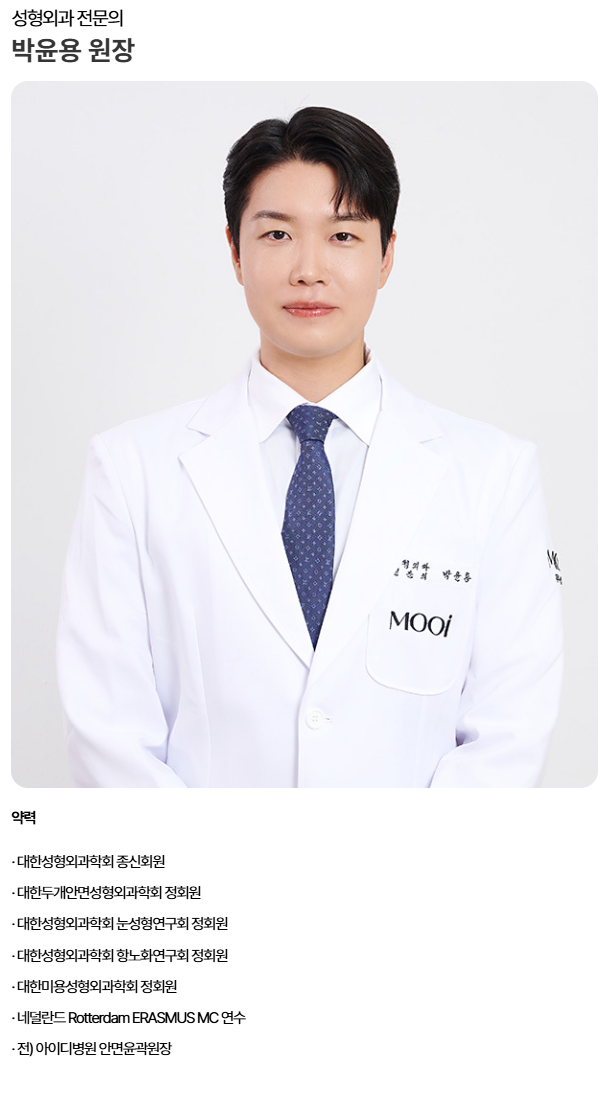
💖 Introduction to Our Lead Directors 💖
💛 Go directly to our KakaoTalk channel 💛
🧡 Go directly to our website 🧡

#ContourSurgeryType2 #ContourSurgeryType3 #DifferenceBetweenContourSurgeryTypes2and3 #FacialEmptySpace #ReducingFacialWidth #FacialContourSurgery #TypesOfContourSurgery #CheekboneReduction #SquareJawSurgery #ReducingFacialSize #FacialReductionSurgery #FullMoonFace #GangnamContourSurgery #GangnamPlasticSurgery #MOOiPlasticSurgeryClinic
This content was written directly by 무이성형외과의원 for informational purposes, to make information related to procedures and surgeries easy to understand, in compliance with Article 56, Paragraph 1 of the Medical Service Act. All procedures and surgeries may vary from person to person and may involve side effects, so we recommend consulting with your medical provider before proceeding.