In eye plastic surgery, along with double eyelid surgery and epicanthoplasty, a procedure that has been performed more often recently is canthoplasty. It is a surgery that corrects the outer corner of the eye and makes the eyes look more open by extending the outer canthus. In the early days when canthoplasty was first performed, the surgery was done with a simple canthoplasty method that involved making a small incision at the outer corner of the eye and suturing the inner conjunctiva and outer skin, so there were many cases of post-surgery adhesion or inverted scars.
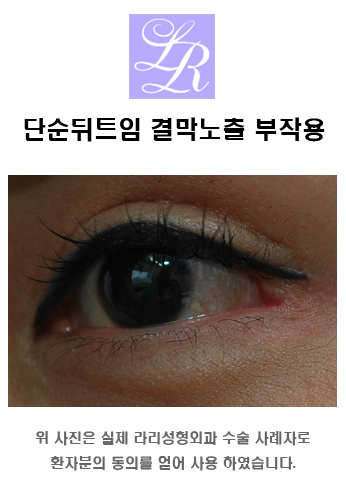
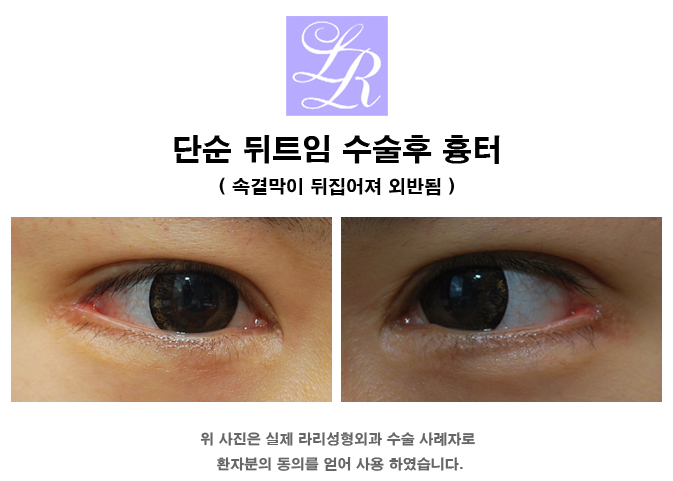
To prevent the conjunctiva from turning inside out, which is a side effect after simple canthoplasty, only minimal surgery had to be performed, so there were many cases where no effect was seen even after canthoplasty. Not having any effect after canthoplasty cannot really be called a side effect. It simply means that the result did not match the time and cost invested. That is why many of the people who come for canthoplasty revision surgery are those who say that the previous canthoplasty had no effect or had adhered back, so they are having surgery again to achieve a result.
Lowering the outer corner canthoplasty
Because the outer corner of the eye is lowered, the eyes look larger and the gaze appears sharper.
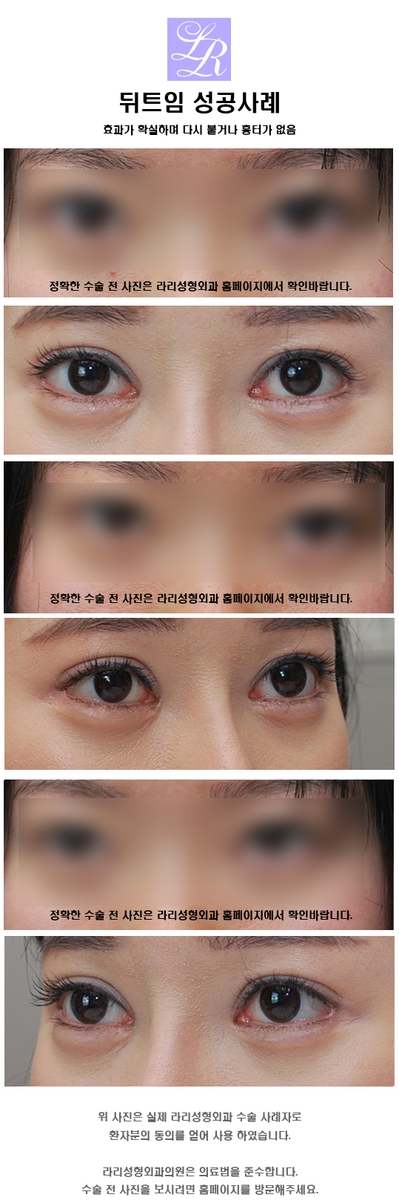
What was devised to supplement simple canthoplasty that had no effect is canthoplasty through lowering the outer corner of the eye. In outer-corner-lowering canthoplasty, the outer corner is lowered, which makes the eyes look larger and gives the gaze a sharper appearance. Because the outer corner is fixed to the periosteum when it is lowered, the chance of recurrence or the conjunctiva turning inside out is low. The degree of change in the eye shape can also be adjusted, and it can be opened only slightly or as much as possible.
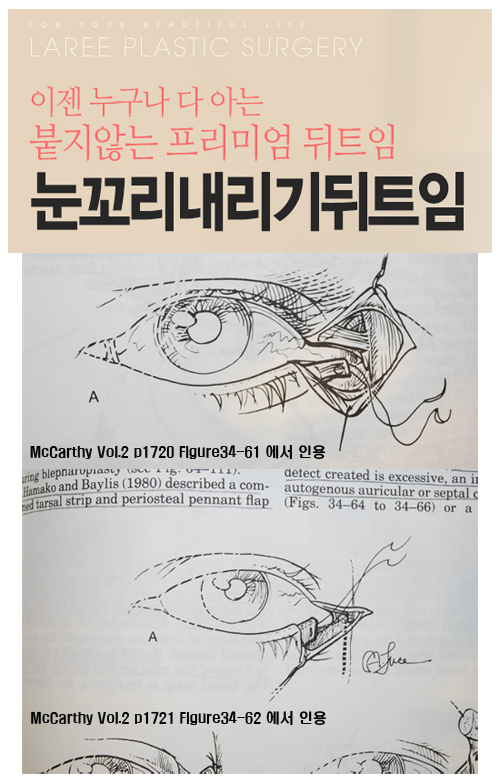
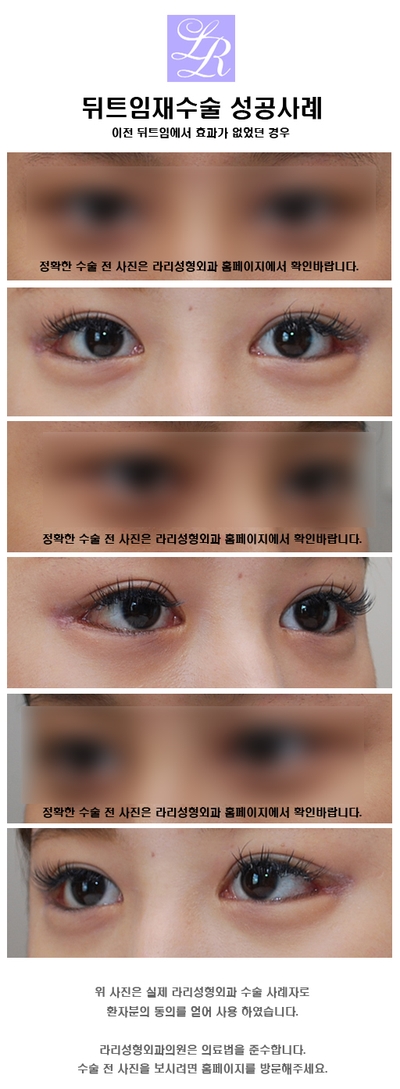
For revision surgery for eyes that had no effect, the most reliable method is canthoplasty revision through lowering the outer corner of the eye. This involves removing the previous inner canthal scar tissue, fixing the outer corner according to the design so that the eyes look a bit larger, repositioning the surrounding tissue, and then suturing the inner conjunctiva and outer skin in their new proper positions.
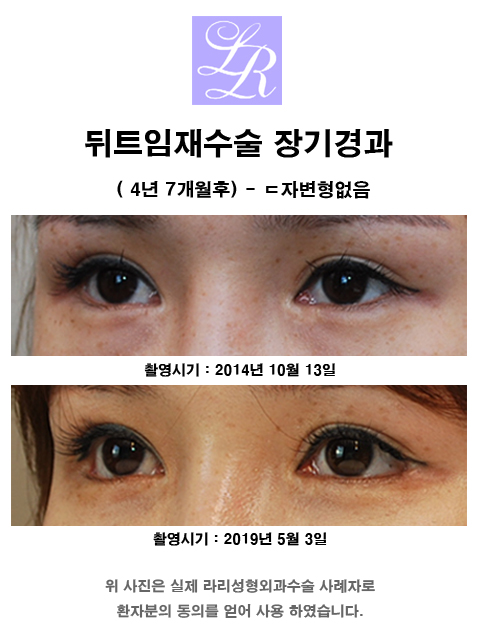
Canthoplasty revision surgery is effective not only for cases where the procedure had no effect, but also for cases where the eyes adhered back after the previous canthoplasty or where scars remained, so it is good news for those who were not satisfied after canthoplasty. In other cases, if restoration is desired for various reasons after canthoplasty, rather than canthoplasty revision surgery, one should consider canthoplasty restoration or canthoplasty reconstruction.
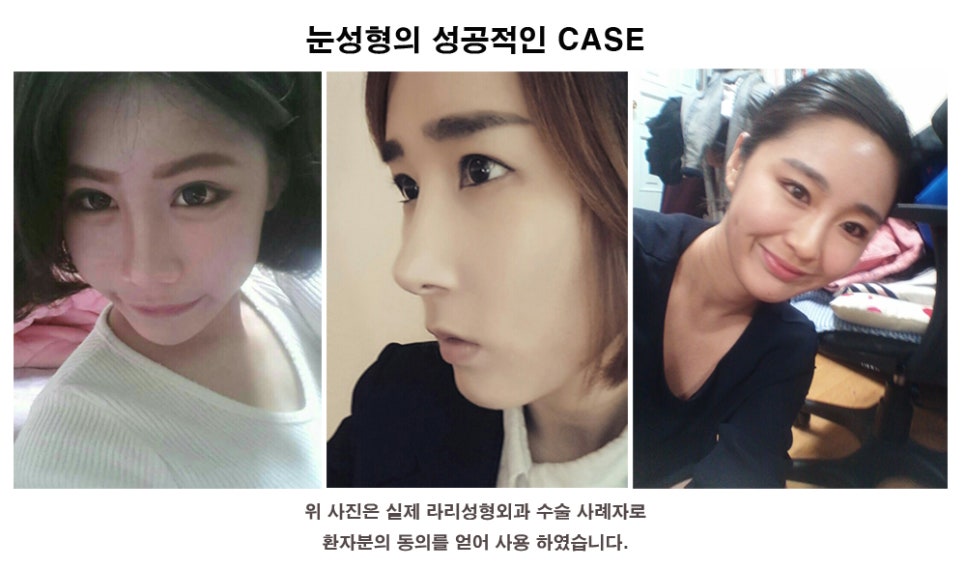
Selfie of a surgical case from Lari Plastic Surgery, with eyes made more beautiful through canthoplasty!
Canthoplasty revision for cases with no effect
Lari Plastic Surgery does it well!