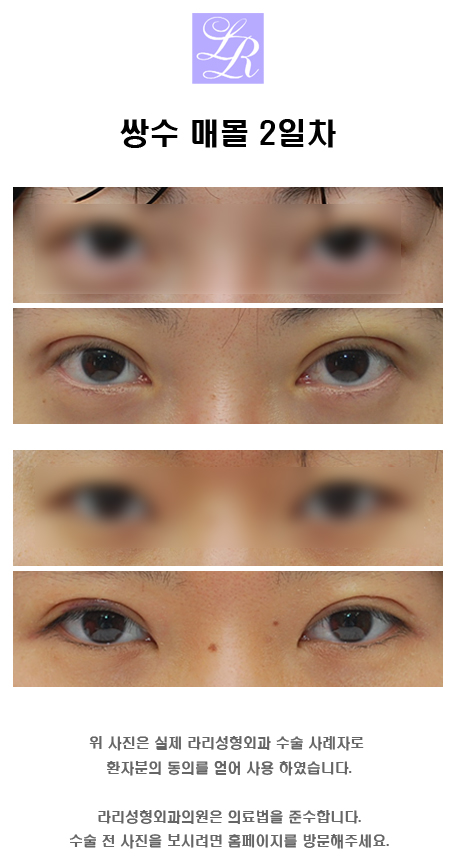
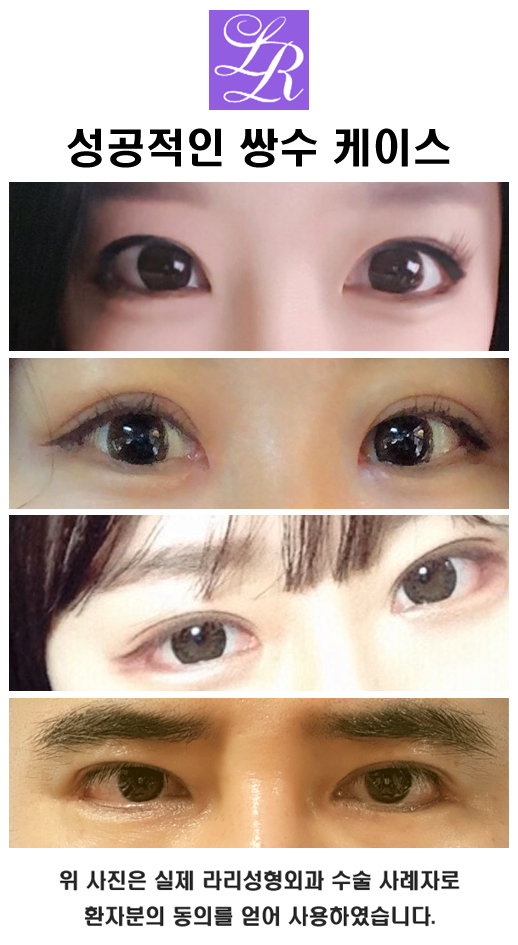
Among double eyelid shapes, the most natural-looking shape is the inline type, and this inline shape is usually seen most often when a buried suture method is performed without epicanthoplasty. #InlineDoubleEyelid is the most natural double eyelid shape, and it is often chosen when you want a shape that does not look forced or noticeable.
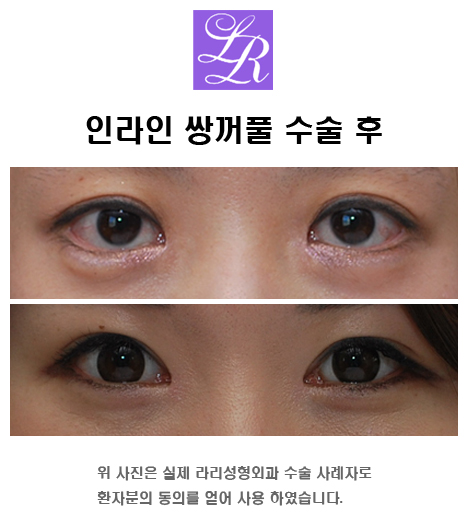
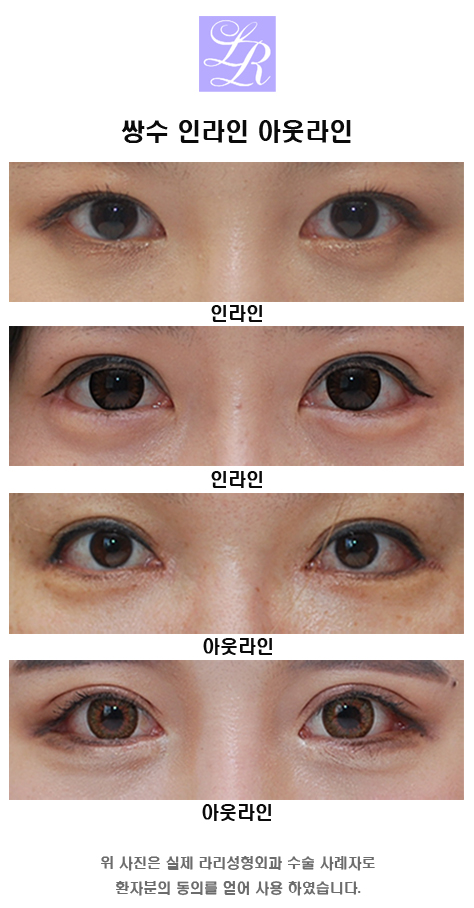
An inline shape requires an epicanthal fold, so in most cases epicanthoplasty is not performed together. Of course, there are also many cases where the epicanthal fold is so pronounced that an inline shape is still possible even after some epicanthoplasty. Since the inline type is usually designed with a relatively low line, there is no problem proceeding simply with a buried suture method.
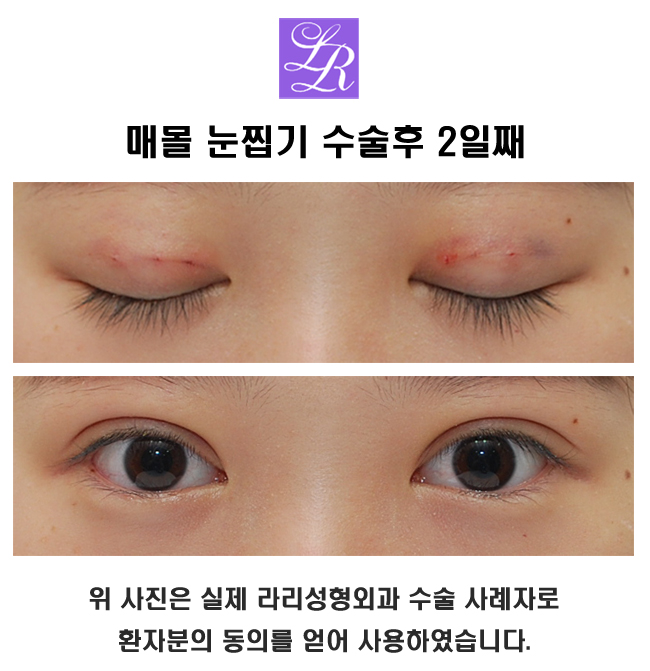
#BuriedSutureInlineDoubleEyelid has the advantage of looking natural at first, but as time passes and the skin sags, the double eyelid line may move inward beyond the inline shape and become #InnerDoubleEyelid. In many cases, this means the probability of needing revision double eyelid surgery is high, because sagging skin must be removed and the line set higher again. Of course, if the line is too high and too deep, creating a sausage-like double eyelid, it can also look unnatural, so revision double eyelid surgery is often needed in those cases as well.
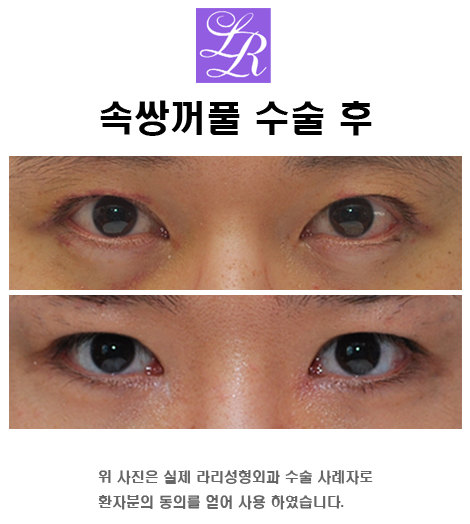
In the end, designing the proper double eyelid line that suits the individual can lower the chance of revision surgery. Rather than worrying that it will look too unnatural, or worrying that the line will become too much of an inner double eyelid, the best choice is to consult in depth with a plastic surgery specialist who has extensive experience with double eyelid surgery so that a properly balanced double eyelid line can be created.